Preventative Maintenance Electrical Systems Stop Outages
How Kord Electric uses preventative maintenance electrical systems to stop outages before they start
At Kord Electric, we build reliability by using preventative maintenance electrical systems as a daily habit, not a last minute rescue. We check, verify, and correct electrical conditions in commercial and industrial facilities and major property buildings, so the lights stay on and the equipment keeps moving. In the real world, most downtime does not begin with a dramatic flash. It begins with small changes that stack up quietly, like dust in a server room, or like that one coworker who “just needs one more minute.”
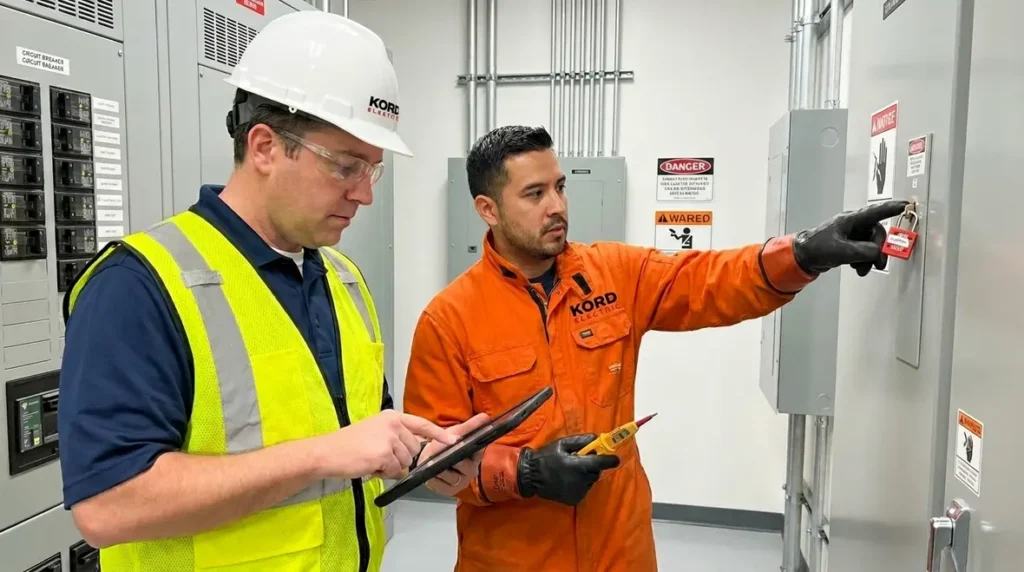
Now, our approach focuses on proactive electrical system monitoring. And yes, we explain what we find in plain language, because complex jargon should not run your power system. Our technicians and expert service staff walk building teams through the results, the risks, and the next steps, so decisions feel clear and controlled.
Proactive monitoring that targets the real sources of downtime
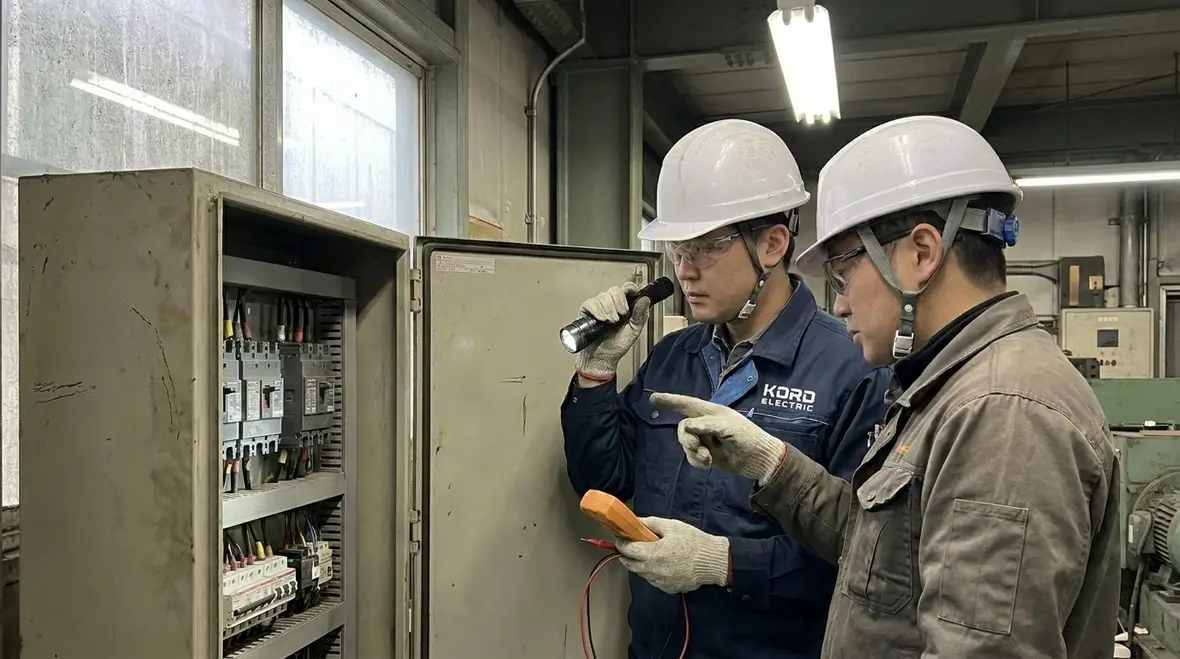
When a facility experiences an outage, the root cause often hides in the distribution path. Therefore, we monitor where it matters most, from incoming power through switchgear, transformers, busways, and downstream panels. We do not treat monitoring as a generic activity. Instead, we connect it to operational goals like uptime for critical loads, stable power quality for sensitive equipment, and safe operation for people.
To do that, our team looks for patterns. For example, recurring alarms, frequent breaker operations, rising neutral current, or temperature drift in critical components. Over time, these signals act like early warning weather, except the storm is electrical and it never sends a forecast.
In addition, we align monitoring with how the building actually operates. If the facility runs high demand cycles, we pay attention to those windows. If the building supports life safety, we coordinate with code requirements and documented procedures. After all, a monitoring strategy that ignores real operating conditions becomes a dashboard with no action plan.

What data center style reliability teaches commercial buildings
Some people think data centers are a world apart. However, the reliability lessons transfer well to commercial and industrial facilities. Kord Electric has built guidance around distribution design for reliability, and those principles still apply when the load profile is different. The key idea is to design, measure, and maintain so failures stay contained and restoration stays predictable.
For instance, reliable electrical distribution depends on clear pathways for power, proper protection coordination, and thoughtful selection of components. Our experts review the system layout, then we confirm performance in the field. That means we verify protective device settings, check for proper load balancing, and track how the system behaves as demand changes.
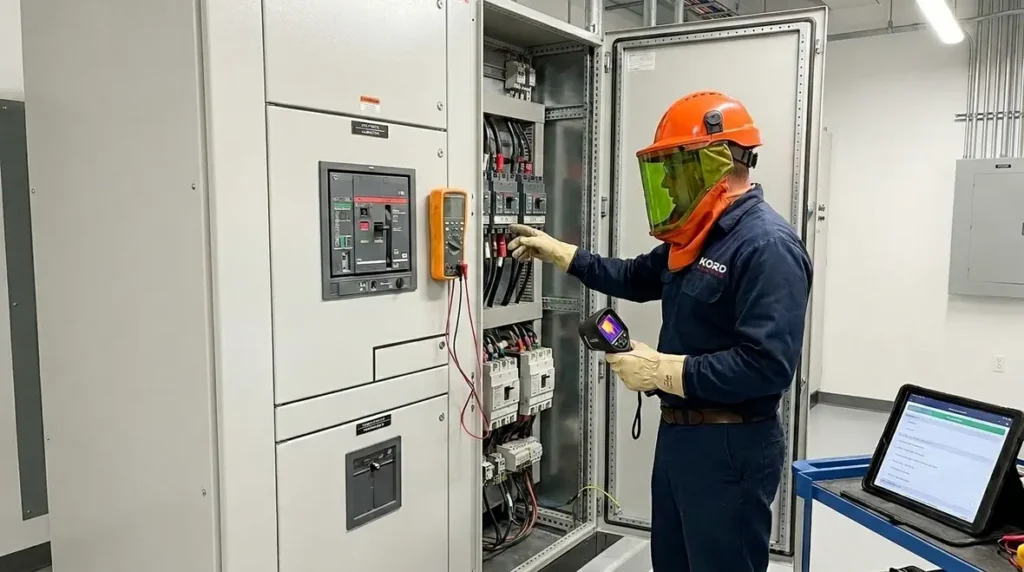
Also, we emphasize redundancy where it makes sense. Yet redundancy only helps when the system remains healthy. So our preventative maintenance electrical systems work alongside monitoring, catching issues like overheating, loose terminations, degraded insulation, and abnormal harmonics before they grow into interruptions.
If you are planning reliability upgrades around critical distribution paths, you can also review our deeper guide on data center electrical distribution design for reliability, which shows how selective coordination, redundancy, and maintenance planning work together long before the first outage test.
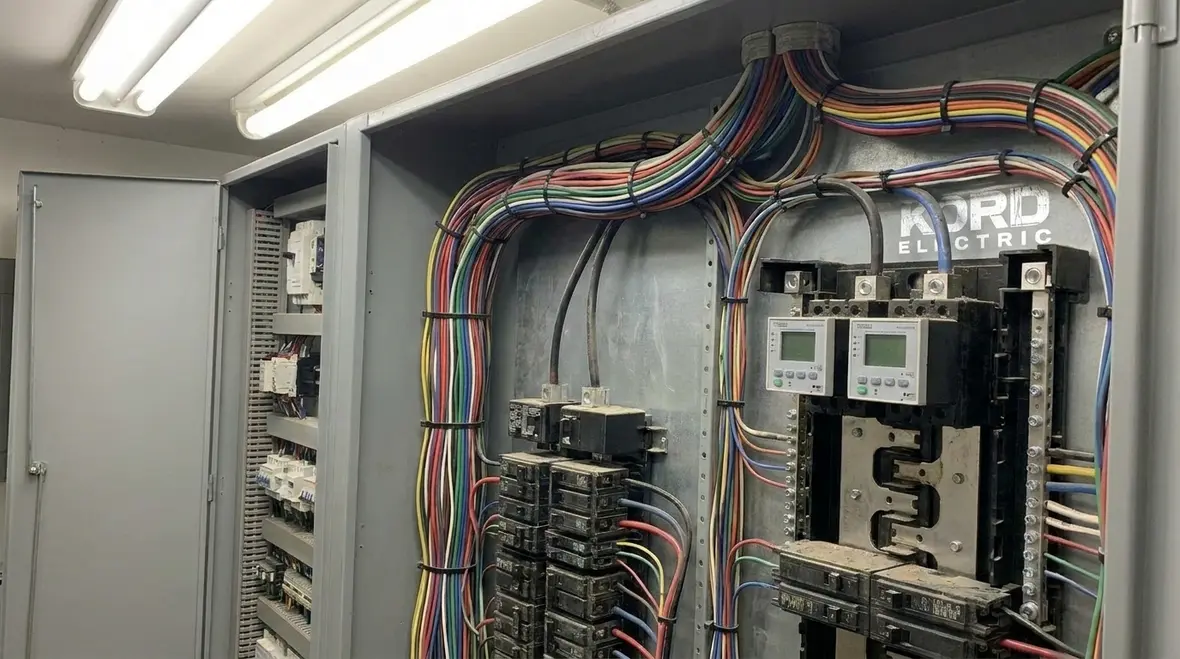
How our preventative maintenance electrical systems reduce downtime in practical terms
Monitoring alone tells you something is happening. Maintenance prevents it from getting worse. Therefore, we combine both into a managed process that reduces downtime through predictable actions.
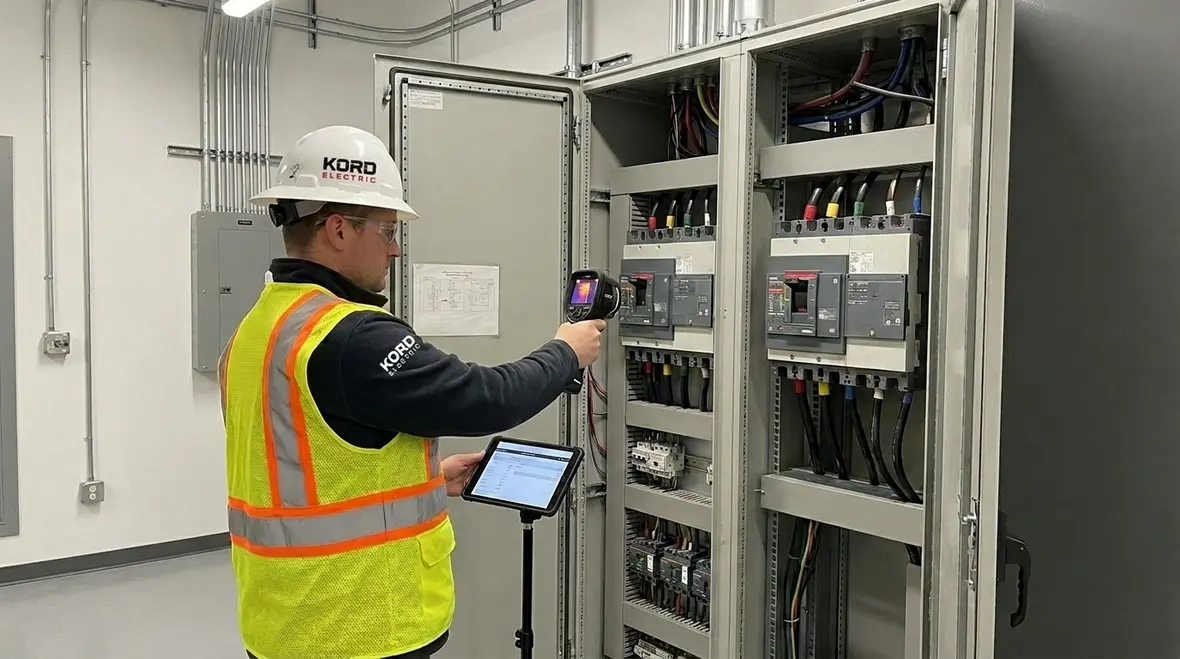
- First, our technicians capture baseline conditions. We then compare new readings to established performance. If a value shifts, we investigate and document the cause.
- Next, we prioritize work by impact. A problem in a critical distribution feed gets addressed before we schedule lower risk tasks. This is where proactive planning saves time. We avoid the “wait until it breaks” cycle, which is about as fun as watching a slow movie with no ending.
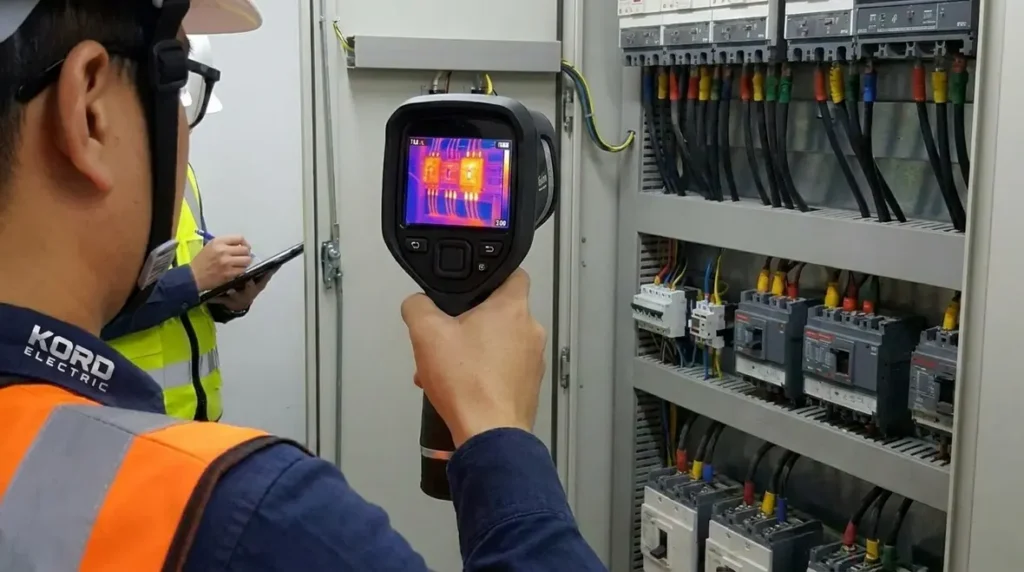
- Then, we use field checks that connect data to physical reality. Readings lead to targeted inspections. In other words, our monitoring drives our hands, and our hands confirm the readings. That reduces guesswork and supports safer repairs.
- Finally, we maintain records that building operators can use. We provide reports that explain what we saw, what we measured, what we recommended, and what we did. When your team needs to justify maintenance decisions, clarity matters.

Key signals we track so your power behaves like it should
Everyone wants fewer outages. So we focus on the signals that commonly precede failures. While every site has unique needs, our approach stays consistent: monitor trends, correlate them to component behavior, and act early.
- Temperature rise: We watch for abnormal heat patterns at connections and equipment. Heat often signals loose hardware, load imbalance, or aging components.
- Vibration and mechanical indicators: Where applicable, we look for changes that point to mechanical stress in rotating equipment or support structures.
- Power quality: We evaluate harmonics, voltage sags, and waveform distortion because they can stress transformers and create nuisance trips.
- Load imbalance and neutral current: Unbalanced loads increase stress in certain conductors and can lead to premature failures.
- Protection system behavior: We review breaker and relay performance to ensure protective coordination remains intact over time.
And yes, sometimes the data looks like a crime scene photo. But our technicians and expert service staff explain what it means and what it likely points to. That way, the building team does not need a degree in electrical forensics to make a decision.
Coordination, design, and monitoring work together for reliability
Facilities that run 24 7 cannot afford surprises. Therefore, we coordinate monitoring with electrical distribution design and operational requirements. When a system is designed for reliability, proactive electrical system monitoring becomes far more effective because you can clearly understand what “normal” looks like.
Kord Electric reviews the distribution chain and confirms that protection levels work in sequence. We also verify that switching strategies support safe maintenance without unexpected load behavior. When operators know how the system should respond, maintenance becomes quicker, and restoration becomes more controlled.
In addition, we align our monitoring plan with load types. Critical loads, tenant loads, and process loads each behave differently. So we tailor monitoring to what protects uptime, not just what fills a report.
To keep it simple, we treat reliability like a system, not a single device. A switchgear alarm matters most when the team has the process to respond. And that response depends on clear data, documented procedures, and preventive maintenance electrical systems that keep the equipment healthy.
Real outcomes for commercial and industrial facilities
Our clients care about measurable uptime. They also care about safer work and fewer emergency calls. As we implement proactive electrical system monitoring, the results often show up in three areas.
- Fewer unplanned outages: We catch problems early, so faults do not escalate into sudden trips or component failures.
- Faster restoration when something still happens: With better records and clearer system understanding, our clients recover sooner because they do not start from zero.
- Lower overall risk: Preventive actions reduce the chance of a major failure that could harm people, equipment, or business operations.
One more thing. Downtime feels expensive because it is expensive. Yet it also creates secondary impacts like delayed production, upset customers, and overtime. We reduce these ripple effects by focusing on the reliability points that actually matter to commercial and industrial operations and major property buildings.
So while monitoring might sound like a quiet background job, it behaves more like a calm security guard. It notices what others miss, then it helps prevent the problem from turning into chaos. And unlike some pop culture detectives, we do not wait until the building is on fire.
For facility teams that want a structured, long term plan instead of one time inspections, Kord Electric also supports dedicated electrical preventive maintenance programs that pair perfectly with ongoing monitoring and reporting.
FAQ
Choose proactive monitoring with Kord Electric
If your commercial or industrial facility or major property building runs critical processes, you need reliability you can plan for. Kord Electric uses preventative maintenance electrical systems and proactive electrical system monitoring to reduce unplanned downtime, support safer operation, and help your team respond faster when issues arise. Contact us to review your electrical distribution, identify monitoring priorities, and build a maintenance plan around your real operating conditions. Let us help your power behave, so your business stays steady. We will handle the electrical heavy lifting, and you keep the schedule.
For facilities across the region, especially those looking for comprehensive commercial and industrial support, our broader Los Angeles County electrical services connect preventative maintenance, emergency response, and project work into one reliable partnership.