Commercial EV Fleet Infrastructure Planning
At Kord Electric, we plan commercial EV fleet charging with a clear goal: build a commercial ev fleet infrastructure that grows as the company grows, not one that becomes a costly upgrade project halfway through the vehicle cycle. We design for commercial and industrial facilities and major property buildings, because those sites deal with real loads, real tenants, and real deadlines. And while EV charging is exciting in the way a new smartphone is exciting, the electrical side can be calmer if it is planned right from day one. Our technicians and expert service staff help clients map power, manage demand, and avoid the kind of hidden electrical risks that turn a budget into a suspense thriller.
How commercial sites should plan EV fleet charging capacity
Commercial EV charging planning must start with power, space, and time. However, many teams begin by choosing chargers first, then they wonder why the electrical room looks like it is having an emotional breakdown. Instead, our approach starts with a demand view: we review the facility load profile, current utility capacity, and the likely charging schedule for each vehicle route.
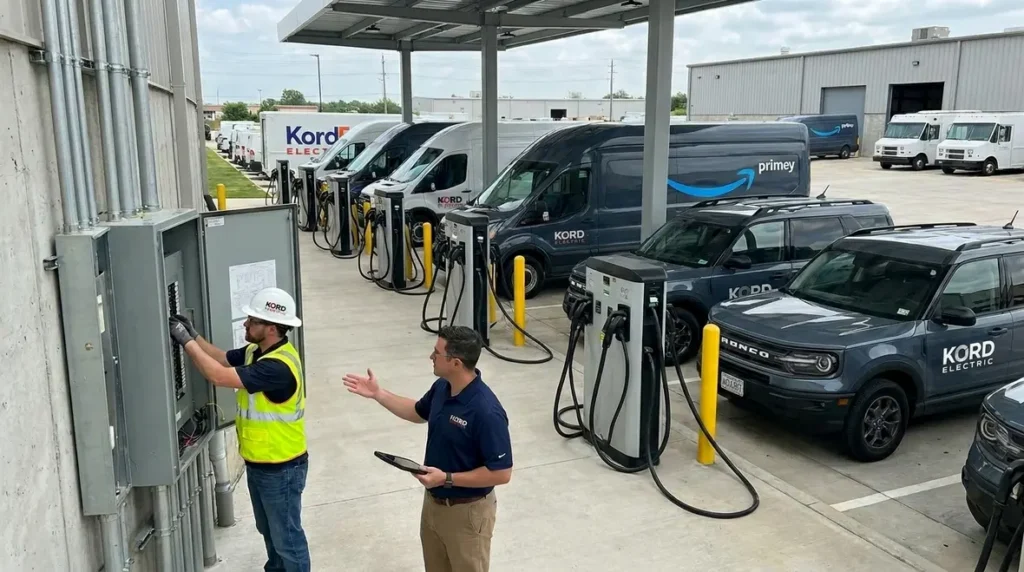
Next, we size charging in a way that matches real usage. For example, a fleet that charges overnight has different needs than a fleet that charges in short bursts during shift changes. Therefore, we encourage clients to coordinate with operations before equipment is ordered. Then we map feeder routes, conduit runs, panel capacity, and switchgear needs so the commercial ev fleet infrastructure supports growth without forcing repeated construction.
In addition, we plan for future phases. If the building adds vehicles next year, the system should not require a full tear up. Instead, we leave space, reserve circuit capacity where it makes sense, and choose designs that scale. And yes, that means fewer “surprise” change orders. Those are like sequel movies: they arrive late, they cost more, and nobody asked for them.
Coordinating electrical capacity with real fleet behavior
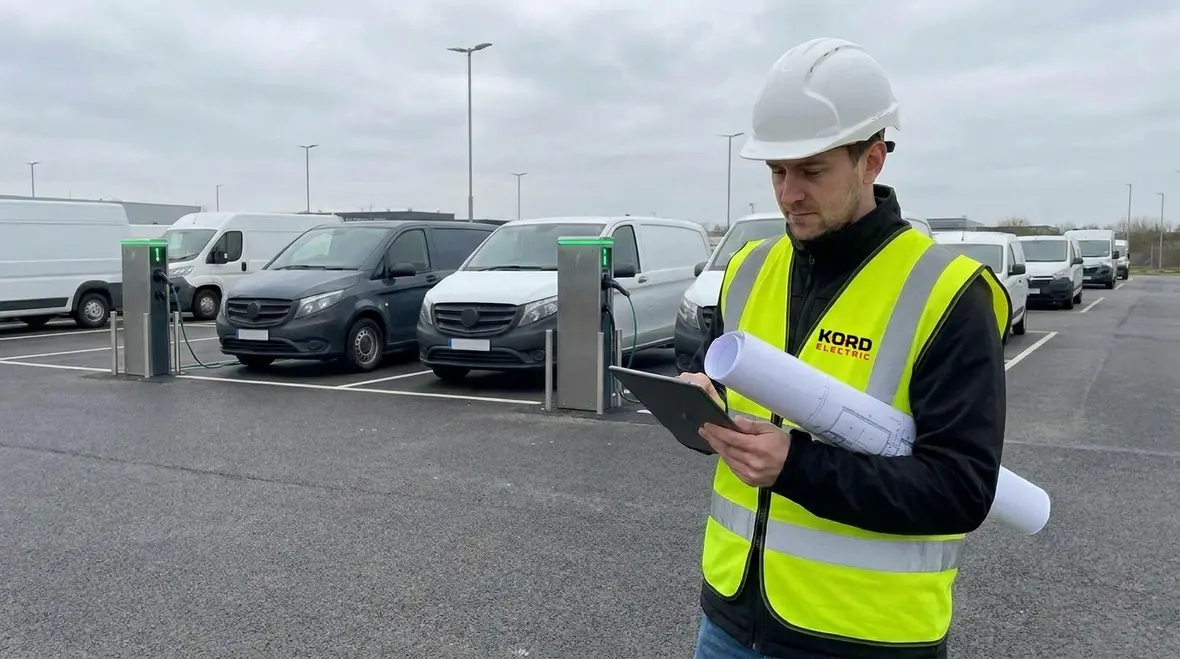
Planning for fleet charging is part engineering, part operations, and part habit coaching. When we review routes, parking layouts, and dwell times, we often find that small schedule changes can unlock major charging flexibility. A fleet that returns in waves can use staggered charging blocks, while a fleet that sleeps in one yard overnight can lean on slower but more efficient charging without upsetting dispatch.
This is also where coordination with other building systems matters. If the facility already runs heavy production loads at night, we do not simply stack EV charging on top and hope the transformer feels brave. Instead, we use load profiles and future growth assumptions to decide where EV load belongs, how much diversity is realistic, and what upgrades need to be planned now versus later.
Infrastructure scalability tips for fast growing fleets
Scalability does not happen by accident. We build it into the electrical design, the controls, and the physical layout. First, we use modular paths for power delivery. This keeps the charging system expandable, whether the client adds more stalls or swaps vehicles with higher draw.
Second, we plan with layered capacity. This means the system can spread charging load across multiple circuits and chargers while still delivering the energy drivers need. As a result, the facility reduces peak demand stress on transformers and service equipment.
Third, we design for service access. It sounds basic, but many systems get installed with no room for technicians to work safely. So we confirm clearances for panels, monitor equipment placement, and keep access paths open for future upgrades.
Finally, we select components that fit industrial life. In commercial and industrial environments, equipment faces dust, heat, frequent use, and uptime expectations. We avoid fragile setups that look fine on paper but fail when reality shows up. Our technicians explain these decisions step by step, because it is easier to approve a plan when you understand what prevents future outages.
Designing EV-ready electrical rooms and yards
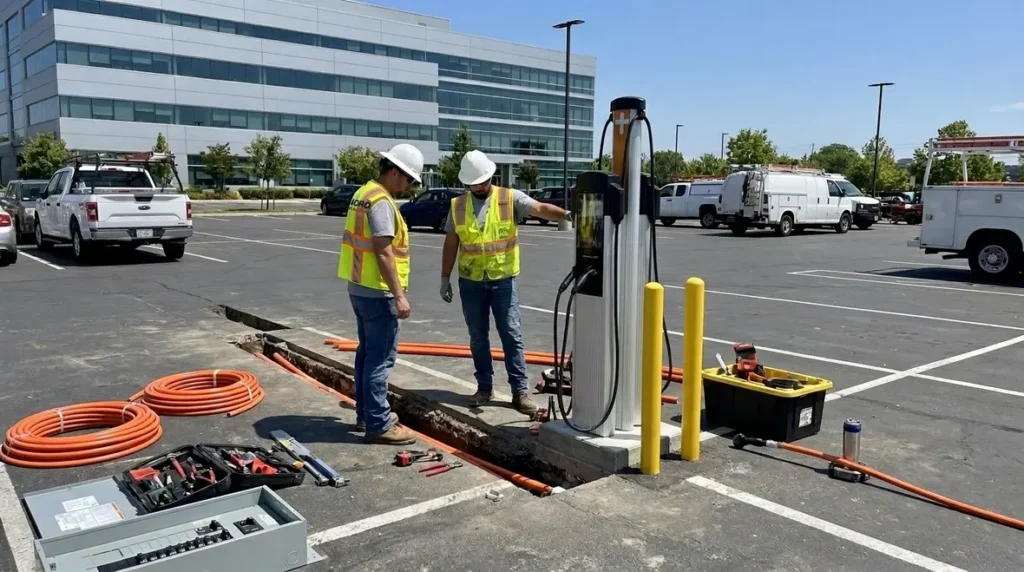
Physical space is as important as ampacity. We sketch where gear will live today and where it might expand tomorrow. Clearances, bollards, cable management, and safe pedestrian paths all influence whether a charging yard still functions when the fleet doubles. It is far easier to reserve space for a future gear lineup than to convince tenants to give up loading area later on.
For large properties that are already juggling mechanical equipment, data rooms, and storage, we often pair EV planning with a broader review of the building’s electrical backbone. Articles like Commercial Electrical Systems for Modern Buildings highlight why coordinated infrastructure matters when you are adding major new loads to a modern facility.
Hidden electrical risks in commercial buildings and how we prevent them
Even well funded projects can stumble if the site already carries hidden electrical risks. In our experience, those risks often show up in places most people do not inspect until there is smoke, a shutdown, or a costly repair. That is why we refer to the same kind of risks we discuss in our article Hidden Electrical Risks in Commercial Buildings, and we apply that mindset directly to EV charging upgrades.
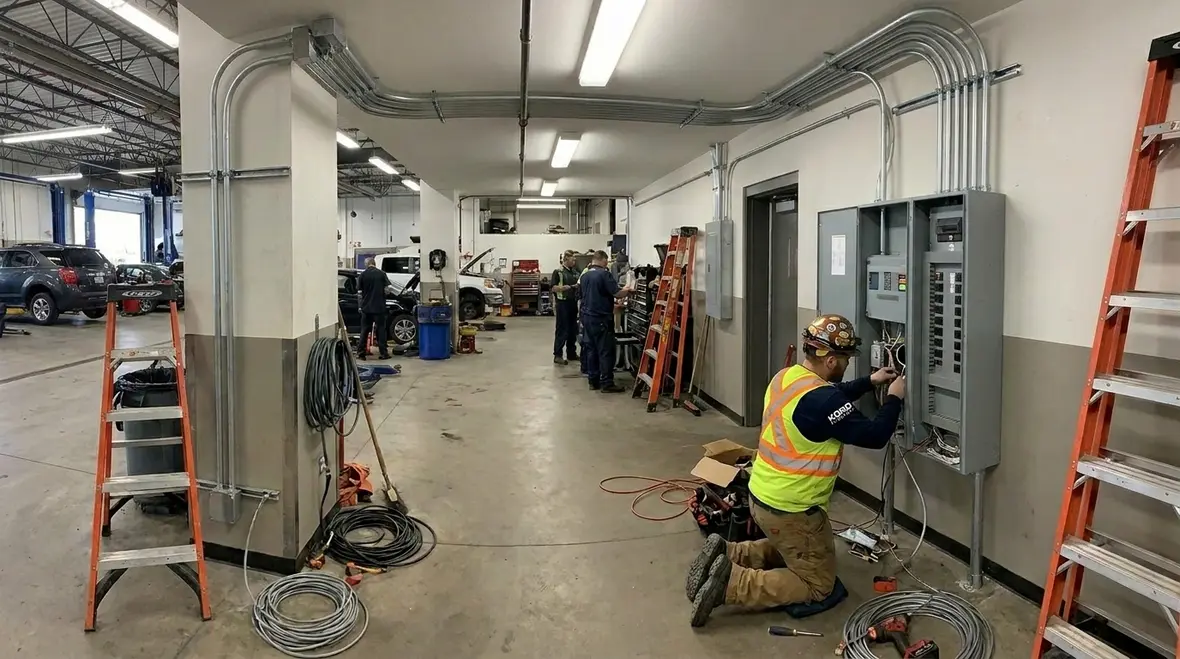
For example, aging wiring insulation, loose connections, and overloaded neutrals can create heat and voltage drop. Meanwhile, improper grounding or inadequate bonding can introduce safety hazards. Additionally, panel bus health and breaker condition can limit how much power the site can actually deliver under EV charging load.
So we do a more disciplined assessment before we add chargers. We check electrical condition, confirm equipment ratings, and look for signs of past load stress. Then we verify that any upgrades align with the facility’s existing electrical system, not just the charger spec sheet.
Our expert service staff also helps clients understand what they are paying for. If we recommend a panel upgrade or a load management controller, we explain the reason in plain terms, not in a maze of acronyms. And while the conversation may not be as fun as a sitcom, it prevents real emergencies. No one wants the facility to become the “case study” in somebody else’s training deck.
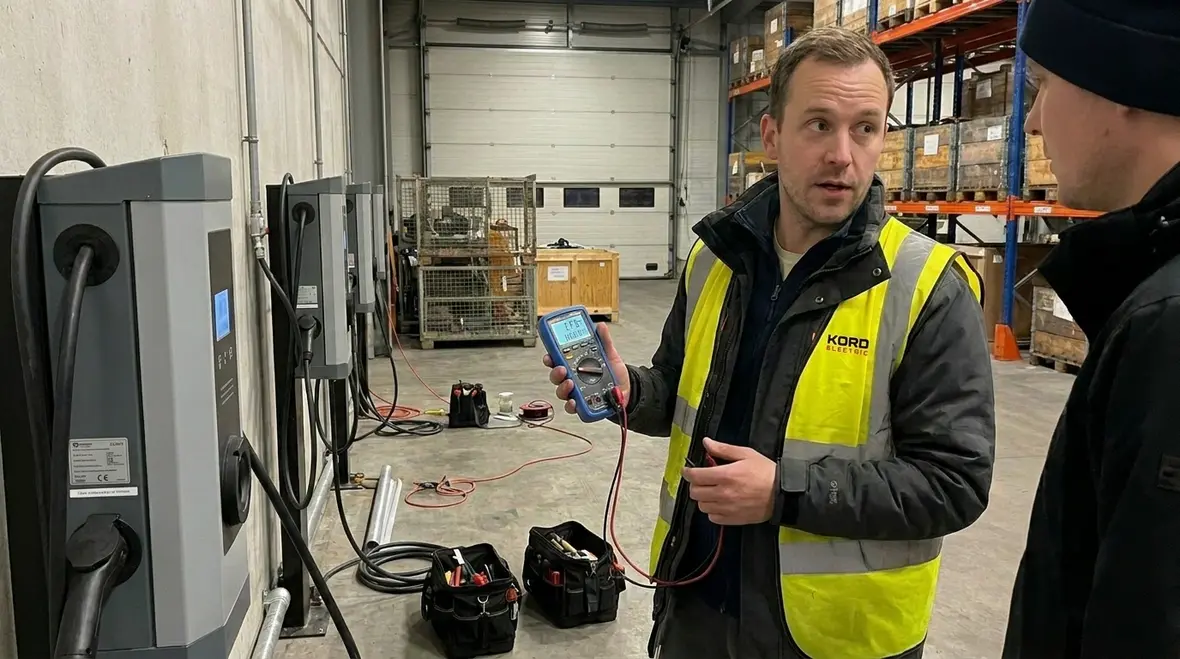
Bringing EV loads into buildings with existing electrical challenges
Many commercial buildings already carry quiet electrical baggage: patched panels, undocumented modifications, or equipment that has outlived several tenant improvements. Plugging a new charging system into that history without a checkup is like putting performance tires on a car that has never seen a brake inspection.
During EV planning, we fold in lessons from services such as electrical preventive maintenance for commercial and industrial facilities. That mindset helps us catch loose terminations, overheated components, and coordination gaps long before a fleet rollout turns them into downtime.
Load management strategies that protect utility capacity
Commercial sites often worry about utility upgrades, and rightfully so. Many facilities cannot wait months for service changes. Therefore, load management becomes a key tool for a stable rollout.
Load management systems coordinate charging so the facility stays within safe demand limits. As a result, the system can scale without overwhelming the service. We help clients choose control methods based on the site setup, including how many chargers will run at the same time and when they will operate.
We also plan for charging behavior. If the fleet is flexible, we can stagger charging windows. If it is not flexible, then we use smart allocation so the system sets priorities based on vehicle needs. Moreover, we design the system so future stalls can join the control group without starting over.
Another practical step is metering and monitoring. When clients can see real energy usage, they can adjust operations. Then they avoid the guesswork that leads to oversizing or, worse, undersizing. Our team supports these goals with commissioning checks so the system behaves as designed.
And yes, load management can feel like herding cats, except these cats drive themselves and cost money to wake up. Still, it is worth the effort when it prevents costly utility penalties and keeps operations running.

Using smart controls to delay or avoid utility upgrades
In some cases, smart controls and phased deployment can keep a project within existing service capacity for several years. We pair charger selection with strategies that shave peaks, schedule high draw sessions, and apply limits that most drivers never notice. When a future upgrade is inevitable, we still use these tools to keep the building within demand thresholds until construction windows and budgets line up.
Because EV loads interact with everything else on the system, we also look at how they fit into regional services such as Los Angeles County electrical services for commercial and industrial facilities. That view keeps fleet plans aligned with local codes, utility rules, and practical construction realities.
Electrical design details that speed installation and reduce downtime
Speed and reliability depend on details, not hope. We build the electrical design around the constraints of commercial and industrial buildings, where downtime windows are limited and tenant schedules matter.
First, we confirm site routes early. That means reviewing where conduits can run, how cable trays will be supported, and what must be cleared for safe installation. Then we coordinate with building teams so installation happens with fewer surprises.
Second, we plan staging and commissioning steps. For example, we can often energize parts of the system in phases, so the site does not lose power for longer than necessary. We also verify labeling, signage, and component placement so technicians can service the system without guesswork.
Third, we maintain safe separation and proper protection. That includes correct breaker sizing, surge considerations where needed, and weather protection for exterior equipment. We also focus on heat management inside electrical enclosures, because thermal stress shortens equipment life.
And because our technicians care about the long run, we document the work clearly. When future expansions come, the team does not start from zero. Instead, we can build on what is already installed, which reduces risk and saves time.
Coordinating EV projects with wider building upgrades
EV charging often arrives alongside lighting upgrades, tenant improvements, or new automation systems. When we coordinate those efforts under one electrical roadmap, crews avoid rework and owners avoid paying twice for the same trench, panel, or shutdown. That same planning discipline shows up in topics like voltage stability and maintenance, which are covered in depth in Kord Electric’s broader commercial electrical guides.
Service, maintenance, and expansion planning for long term uptime
A charging rollout is not a one day event. It is an operating system for the facility. Therefore, we plan for maintenance and parts availability from the beginning. We also help clients create an expansion plan that aligns with budget cycles.
Our expert service staff supports ongoing checks like verifying connections, checking thermal performance, reviewing control logs, and confirming the system still meets safety standards. Additionally, we help clients understand how usage patterns change over time, so the charging plan does not drift into inefficiency.
When growth arrives, expansion should feel like an addition, not a rebuild. Hence, we recommend designs that preserve cabinet space, allow for new feeders or controlled connections, and keep the power distribution path consistent with future growth. That is how a commercial ev fleet infrastructure stays future ready instead of future painful.
And if the client ever says, “Can we just add a few more chargers later,” we answer calmly. We build later into the plan now, so later does not become a crisis. It is like putting a seatbelt on before the road gets busy.
Keeping EV infrastructure aligned with building-wide reliability
Charging systems share panels, feeders, and transformers with the rest of the building. That means EV performance is tied directly to how well the broader electrical system is maintained. By aligning fleet expansion with ongoing inspections, power quality reviews, and preventive maintenance, we keep the charging backbone steady instead of fragile.
For complex sites that rely on continuous uptime, Kord Electric often works in parallel with life safety and monitoring teams so the EV rollout becomes one more reliable system in a building that is already serious about long term electrical health.
FAQ
Conclusion
When Kord Electric designs commercial EV fleet charging, we plan for real growth, real load, and real uptime needs for commercial and industrial facilities and major property buildings. Our technicians and expert service staff guide each step, so clients understand capacity, scalability, and safety before any conduit is pulled. If your fleet is expanding or you want to avoid costly surprises, reach out to Kord Electric for an infrastructure plan built to scale. We will help you charge with confidence, not hope.
As your facilities evolve, aligning EV projects with broader electrical services—like those available through Kord Electric\u2019s regional commercial programs—keeps everything from panels to parking lots working as one integrated system. That way, your commercial ev fleet infrastructure supports drivers, operations, and long term reliability without turning every upgrade into a cliffhanger.
To explore how a coordinated electrical plan can support your fleet, facility operations, and long term maintenance strategy, Kord Electric offers consultation and design services tailored to commercial and industrial properties across Los Angeles County and beyond.