Film Production Electrical Safety Checklist for Sets
Film and television electrical safety checklist for live sets and studio power
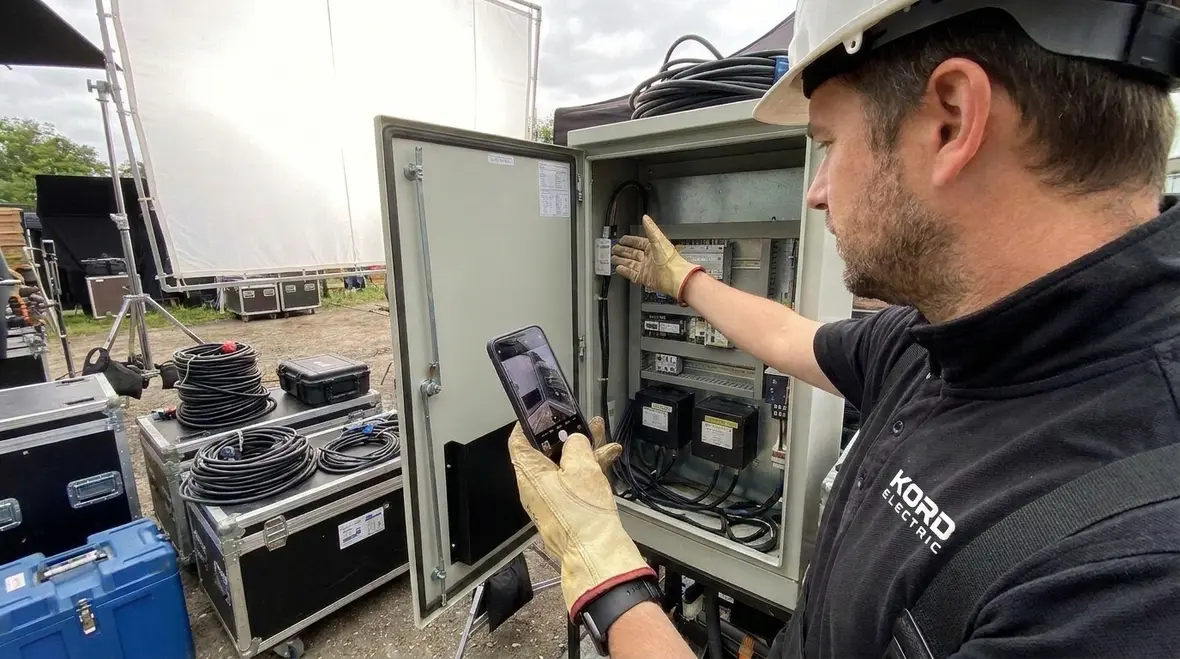
At Kord Electric, we start every engagement with a film production electrical safety checklist mindset. Then we tighten it into a practical routine that works for cameras, crews, and fast changeovers. In this article, we walk through the checks we expect at commercial and industrial film and television production facilities, including major property buildings that run complex sets. Our approach begins with simple controls: confirmed grounding, verified panels, safe distribution, and clear procedures for temporary power. After that, we guide the team on how to spot trouble early, before it becomes an outage, a damaged prop, or a headline no one wants.
When we support a studio, we also coordinate safety culture with the facility’s broader electrical preventive maintenance strategy so that set work does not conflict with existing building priorities. That way, the same disciplined approach that protects data centers, industrial sites, and commercial campuses also protects production stages and backlots. Instead of treating film sets as exceptions, we build them into the same reliable backbone that keeps the rest of the property running calmly.
Because productions often share power infrastructure with offices, editing suites, and other tenants, our technicians pay attention to how loads move across the site. We look at how panels, subpanels, and distribution tie together so film gear does not overload areas designed for lighter commercial use. That system-level view keeps energy focused on storytelling, not on fighting nuisance trips and last minute patch fixes.
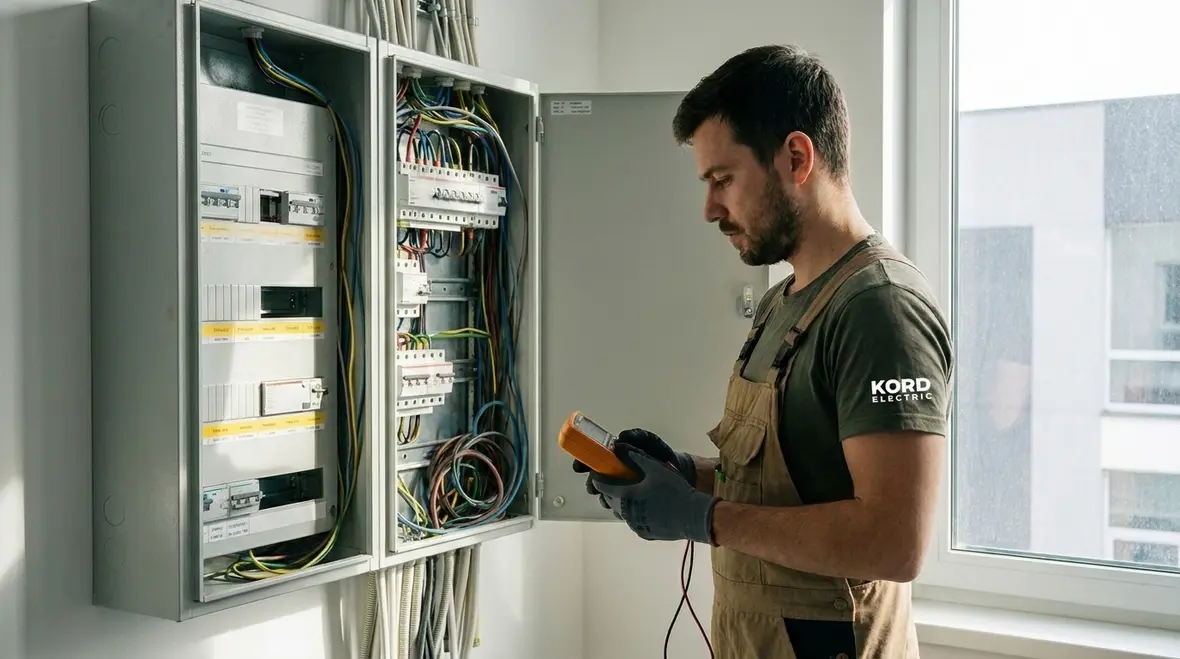
Why productions treat power like a cast member
In film and TV, electricity has the same job as an actor: it must show up on time, perform consistently, and never steal focus. Yet power systems often get treated like background extras, until something sparks, trips, or shuts down the whole scene. Since productions work under pressure, we help others reduce risk by building a safety rhythm that matches shooting schedules. Therefore, we recommend a structured approach that covers both routine operations and the chaos of temporary locations.
Our technicians and expert service staff explain the “why” in plain language, so crews feel confident rather than intimidated. In other words, we do not just hand over a checklist and vanish like a magician who left the rabbit behind. We walk through how power flows, where faults usually hide, and how safety measures protect talent and equipment.
On a busy stage, that clarity matters as much as any call sheet. Lighting teams, riggers, and camera operators all interact with power in different ways. When they share a common understanding of what safe power looks like, they can call out concerns quickly without starting a turf war. That shared “language” is part of what we build into a strong film production electrical safety checklist, so everyone from the gaffer to the facilities lead knows how to keep the set protected.
Power distribution checks we verify before the first take
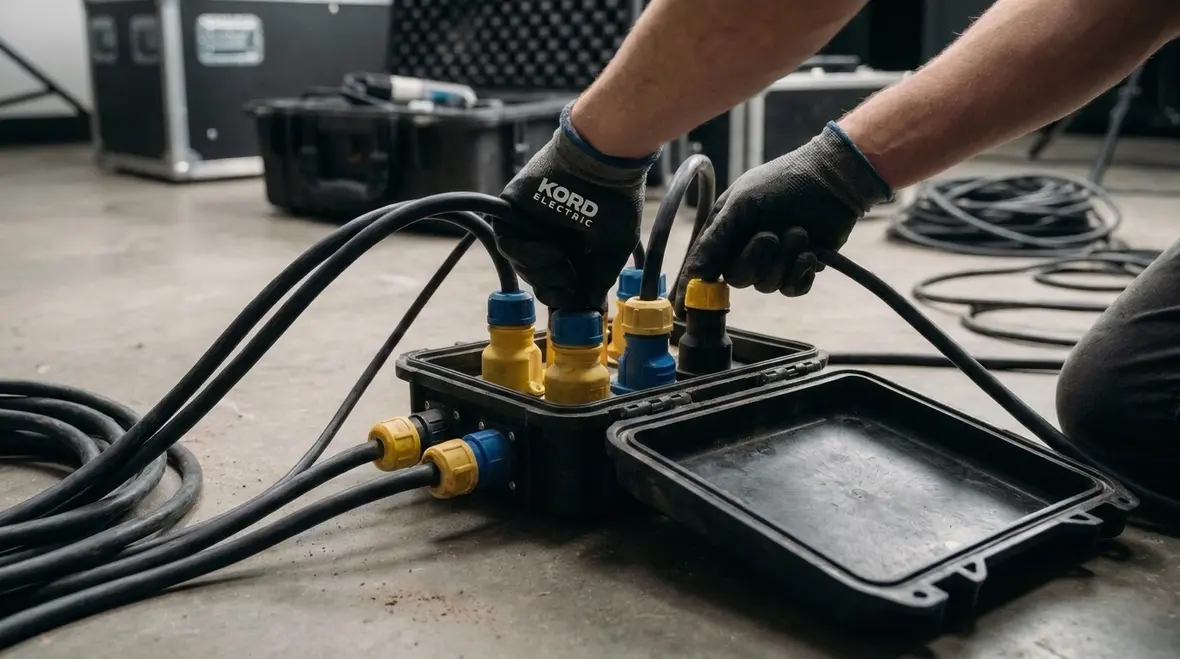
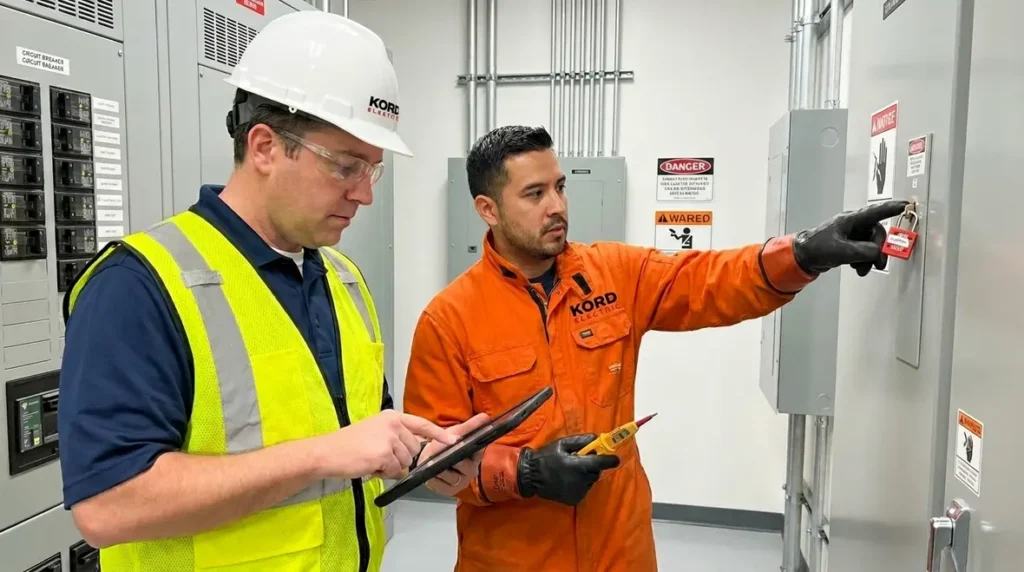
To keep production moving, electrical distribution must be stable, labeled, and protected. We typically begin with the film production electrical safety checklist core areas, then expand into details that catch common issues on set. First, we confirm that incoming power connections are secure and properly rated for the load. Next, we check panel labeling so anyone can identify circuits without guessing. Then we inspect cable routing to prevent strain, pinch points, and tripping hazards that crews create while hauling gear.
In addition, we verify protection devices, including breakers and GFCI protection where needed. Production sites often bring in unusual loads, like lighting rigs, charging stations, camera networks, and specialized equipment. Because loads change every day, we help facilities track those shifts instead of assuming last week’s setup still applies. This same mindset shows up in Kord Electric’s broader commercial electrical safety work, where methodical audits and maintenance plans catch quiet risks long before they interrupt business operations.
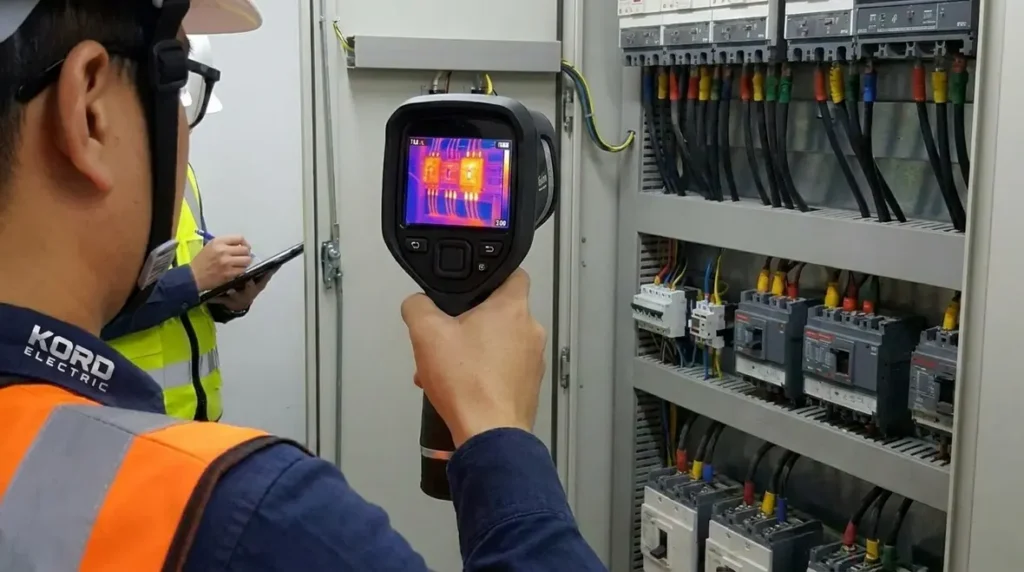
We also look for signs of overheating and abnormal wear. If a connector looks darkened or a terminal shows discoloration, we treat it like a red flag, not a “maybe later” problem. And yes, we have seen what happens when someone says “it’s fine” while the wiring is doing its best impression of a meltdown. On film and television sets, that kind of neglect can shut down a production day, damage expensive fixtures, or put crew members in harm’s way, so we keep the focus on quick, practical corrections instead of wishful thinking.
Because many stages operate inside larger campuses, we also coordinate distribution checks with the facility’s existing electrical maintenance programs. That might include reviewing results from recent commercial electrical safety audits, load testing reports, or other documentation that reveals how the system behaves under stress. By aligning set needs with building-wide electrical strategies, we help keep both the show and the property protected.
Temporary power, cords, and outlet safety that crews can follow
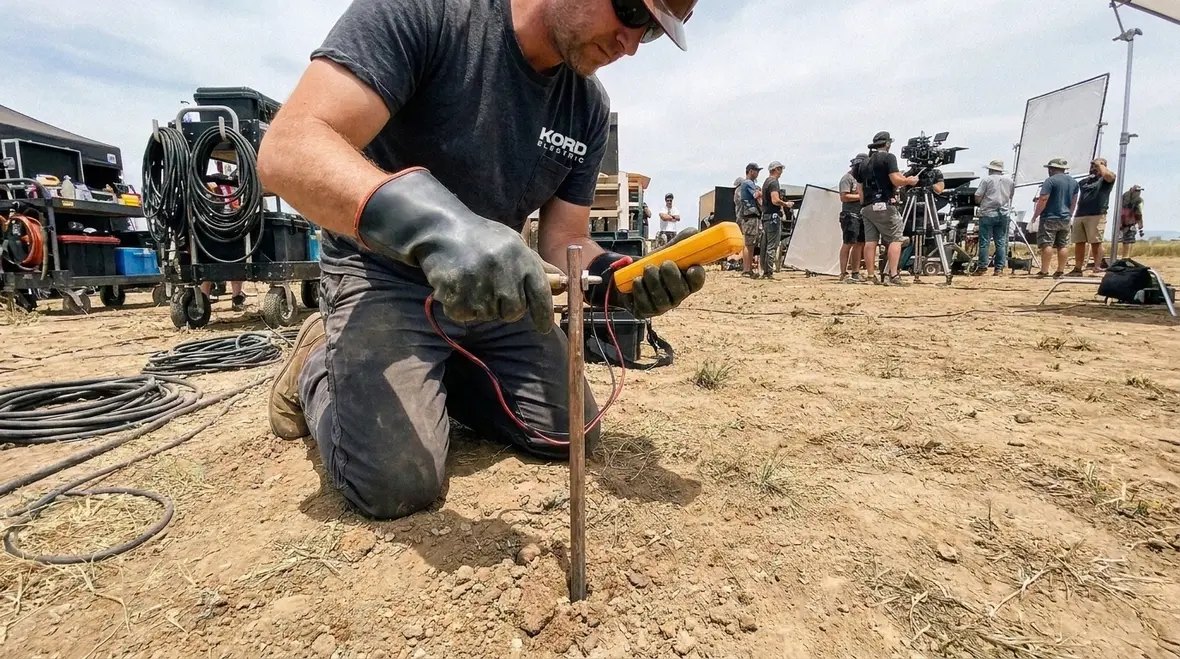
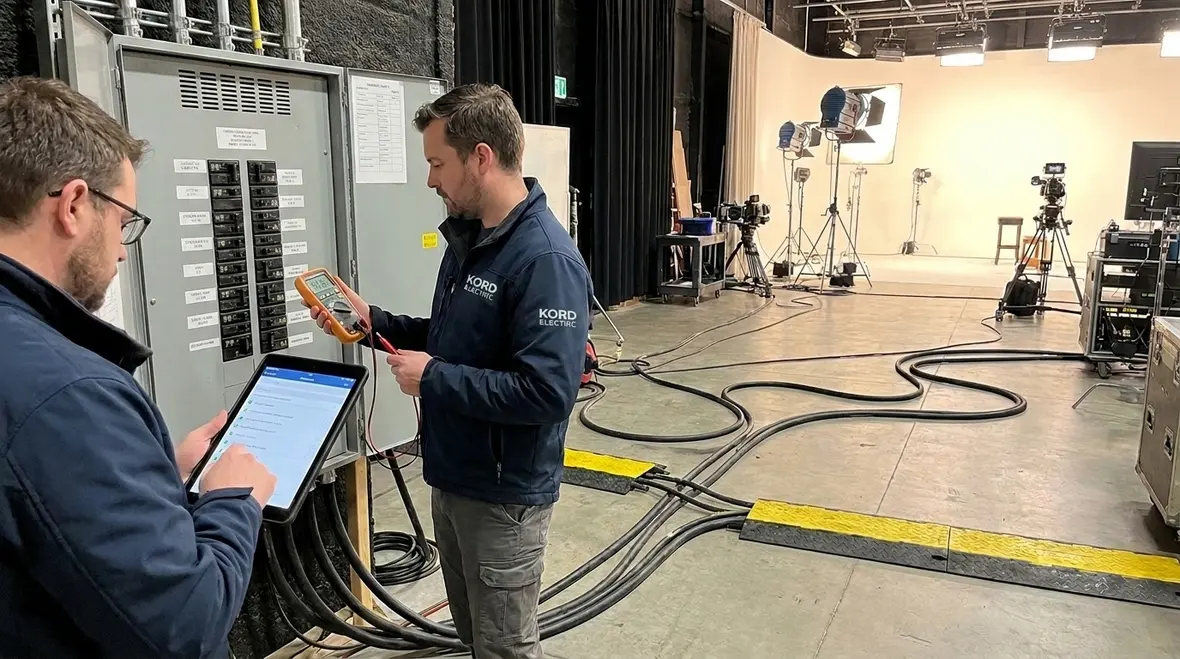
Temporary power is where safety either shines or stumbles. Therefore, we focus on the full cord and connection chain: from power sources to distribution boxes and end loads. We advise facilities to use properly rated equipment and to confirm the condition of cords before use. That means checking insulation integrity, plug tightness, and strain relief. If a cord is frayed or repaired with improvised methods, we recommend retirement or replacement immediately.
Additionally, we ensure that temporary distribution boxes stay protected from weather, moisture, and physical impact. Productions sometimes place gear in tight spaces, around set walls, or near heavy traffic. Consequently, we help others plan cord paths so cables do not run under rugs, cross walkways, or hang where they can get snagged. Safe routing is one of the simplest wins on any film production electrical safety checklist, yet it is also one of the easiest habits to forget during a hectic changeover.
Our expert service staff also teaches simple habits that crews can repeat. For example, we explain how to avoid daisy chaining power strips, why using damaged adapters creates risk, and how to keep connections off damp surfaces. We keep the training business casual and direct. Nobody needs a 40 page lecture to understand that electricity does not negotiate. Instead, we structure quick refreshers around common on set scenarios, so safety reminders feel helpful rather than like a pop quiz nobody studied for.
Because some productions bounce between sound stages and location work, we also help teams build portable versions of their electrical safety routines. That might include laminated checklists for truck-based distribution, color-coded tags for inspected cords, or simple guidelines on how to integrate house power safely when filming in commercial or industrial spaces that were not built as studios in the first place.
Grounding, bonding, and protective devices for reliable fault control
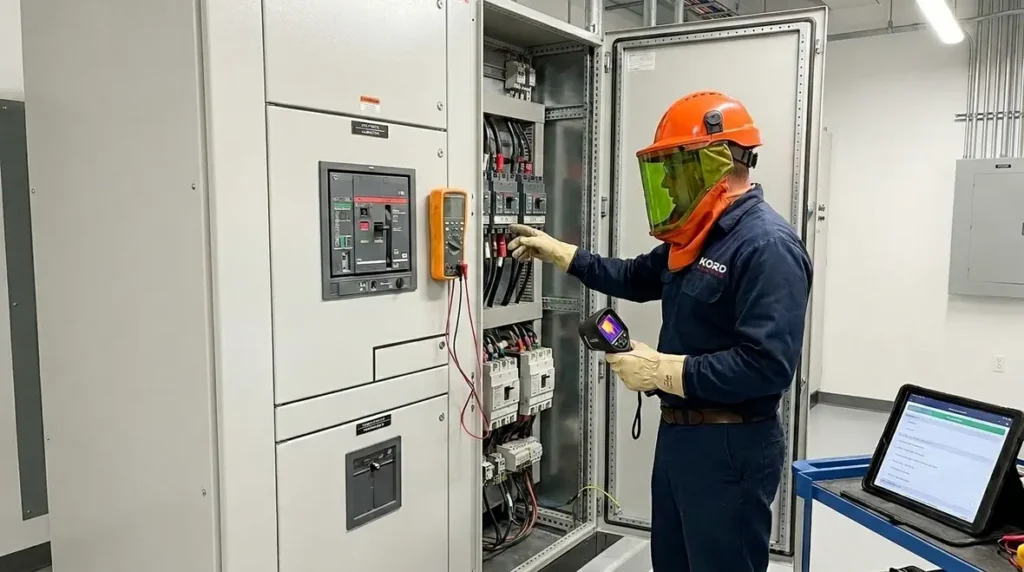
Proper grounding and bonding help the system clear faults fast and safely. Without them, a small issue can become an unsafe situation for people and equipment. As part of our preventive maintenance guidance, we examine grounding paths, verify bonding where required, and confirm that protective devices function as designed. Then we check that equipment enclosures connect to the system ground so exposed metal stays at safe potential.
We also coordinate protective device behavior with real operating conditions. If a breaker trips inconsistently or a GFCI does not respond properly, production can lose time and safety. For that reason, we recommend testing and verification routines aligned with operational demands. This reduces surprise trips during takes and improves response if a fault occurs during setup. When we work with Los Angeles stages and studios, we often align this testing with broader electrical maintenance windows so that film work and facility work stay in sync instead of competing for the same downtime slot.
To support these practices, we reference our preventive maintenance approach from Kord Electric electrical preventive maintenance principles. That system thinking matters because it turns “safety checks” into a steady process rather than a last minute scramble. When the same philosophy drives commercial, industrial, and entertainment projects, facilities can move from one show to the next without reinventing the wheel every time a new production rolls in.
In many commercial and industrial environments, grounding and bonding decisions also connect directly to code compliance and inspection history. We bring that same discipline to studio work, explaining how national and local codes shape what is acceptable on set. That context helps producers and facilities managers make informed choices when they upgrade stages, add new distribution gear, or integrate more power hungry equipment into existing spaces.
Maintenance, inspections, and documentation that keep risk low
Safety improves when the facility can prove what it checked, when it checked it, and what it found. Therefore, we help productions maintain inspection records and service logs that support consistent coverage. We also encourage clear ownership, because safety fails when responsibilities become blurry. Facilities should know who verifies panels, who inspects temporary wiring, and who approves equipment changes.
Our technicians build maintenance plans that fit commercial and industrial production environments. We focus on preventive steps that address wear, aging, and system drift. For example, we can schedule periodic panel inspections, verify thermal performance by checking for heat indicators, and review device condition. In addition, we examine how equipment storage and staging habits affect cable condition and connector wear. When these steps become part of a repeatable routine, the film production electrical safety checklist stops being a one time exercise and starts feeling like normal operations.
Importantly, we also explain findings in a way managers and leads can act on. If a fix needs immediate attention, we say so plainly. If something is trending and needs a schedule, we outline the timeline. That way, decisions stay grounded in data rather than guesswork or “we heard it was okay.” For larger campuses and multi-stage facilities, we may also connect production-focused inspections with broader commercial and industrial electrical maintenance plans, so leadership can see how studio work fits into their overall risk profile.
Many studios also benefit from pairing their inspection routines with periodic electrical safety audits. Those audits dig deeper into how the system behaves under load, where vulnerabilities hide, and which investments will reduce the most risk per dollar. When combined with day to day set checks, that big-picture view helps keep both headline risks and quiet, slow-burning problems under control.
Training and on set response plans that protect people
Even strong electrical design needs strong behavior. That is why we advise each facility to set expectations for response during electrical incidents. We recommend clear steps for what happens when a breaker trips, when smoke appears, or when a cord shows damage. Then we define who can reset devices, who can continue setup, and when production must pause. Because everyone responds differently under stress, a written plan supports calm and consistent actions.
Our expert service staff also helps others practice the basics: identifying the nearest disconnect, understanding panel access rules, and knowing how to communicate an electrical concern without delay. We provide training that connects back to the film production electrical safety checklist themes, while keeping the content relevant to the crew’s daily work. The goal is not to turn everyone into an engineer, but to give them enough understanding to recognize when something is wrong and to know exactly who to call.
And for those thinking, “We do this already,” we say good, then verify it already. As the old pop culture joke goes, “Trust me” does not count as a safety protocol. We want the facility to be prepared long before someone shouts, “Cut, cut, cut,” and everyone scrambles like it is a season finale. Practiced drills, short refresher sessions, and clear signage all help keep response calm, even when nerves run high and the clock is ticking on an expensive shoot day.
For productions operating across Los Angeles County and surrounding areas, we can also coordinate training and response expectations with the site’s broader continuity plans. That keeps studio power in step with the same emergency electrician response strategies, load restoration priorities, and critical system protections that support the rest of the business.
How electrical safety on set connects to your wider facility strategy
Film stages, backlots, and production offices rarely live in a vacuum. They share transformers, panels, and infrastructure with warehouses, post-production suites, data rooms, or other critical operations. When we design or review a film production electrical safety checklist, we consider how each recommendation affects the rest of the property. That might influence which panels can feed stage distribution, how emergency power interacts with set lighting, or when it makes sense to schedule higher risk work.
Because Kord Electric supports a wide range of commercial and industrial facilities, we bring lessons from data centers, manufacturing plants, and campus-style properties into the studio environment. Stable power, clear labeling, disciplined testing, and documented maintenance all support the simple goal every production shares: keep the cameras rolling without surprises. The more your set safety practices align with the way your building already manages risk, the easier it becomes to keep both sides running smoothly.
For organizations that rely on multiple stages or locations across the region, it often makes sense to standardize electrical expectations. Instead of every production reinventing its own version of “safe enough,” leadership can define a shared baseline that travels with each crew. That baseline can reference internal policies, industry best practices, and the practical details we have discussed here, from temporary power discipline to grounding checks and response plans.
FAQ for film and television production electrical safety
Conclusion: let Kord Electric lock in safer power for every shoot day
Productions cannot pause for electrical surprises, and facilities should not rely on luck to keep crews safe. Kord Electric helps commercial and industrial film and television production environments build a practical film production electrical safety checklist routine through preventive maintenance, inspections, and training. Our technicians explain findings clearly, so leaders can act fast and safely. If you want a power system that stays dependable from rehearsal to wrap, contact us today. We will help you reduce risk and keep the cameras rolling.
For studios and production campuses across the region, that support can also tie into broader Los Angeles County electrical services, from panel upgrades and load testing to emergency response and ongoing preventive maintenance. Treating set power as part of that bigger picture keeps your stages aligned with the same standards that protect the rest of your operation, so every shoot day starts from a safer, calmer baseline.
When you are ready to align your film, television, or streaming projects with a consistent electrical safety strategy, Kord Electric can help you translate checklists into habits. That means clear expectations for crews, grounded decisions for facility leaders, and power systems that behave like reliable cast members instead of unpredictable plot twists.