Fire Prevention in Commercial Electrical Systems Safety Practices
Fire Prevention in Commercial Electrical Systems: Key Safety Practices
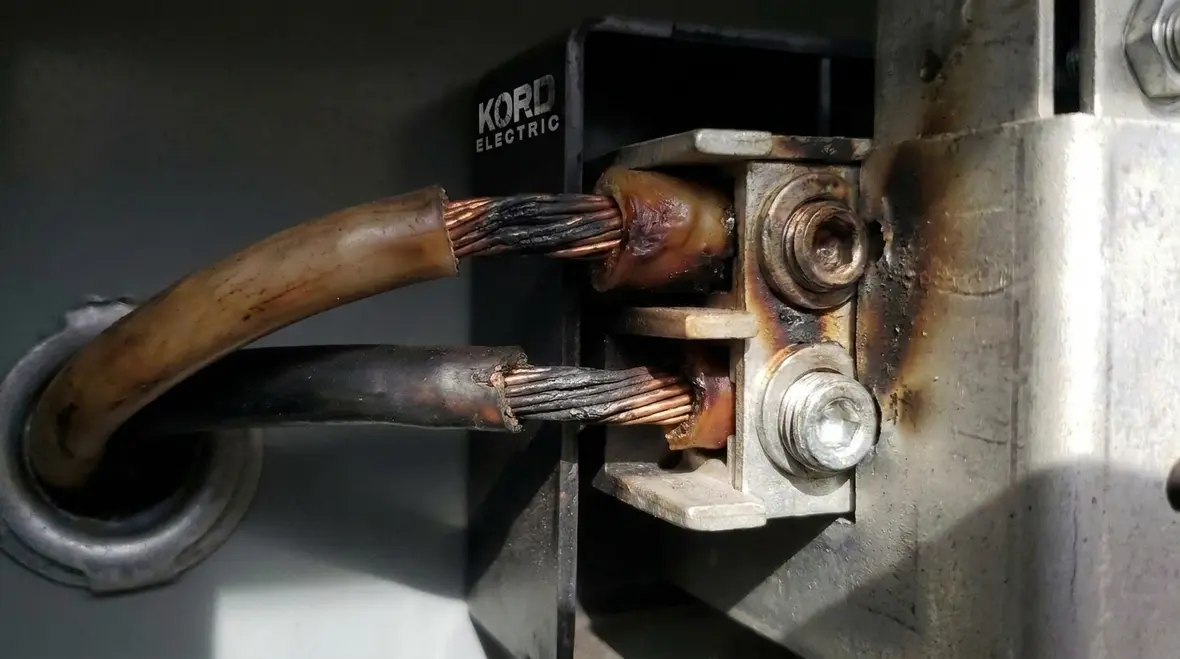
Fire prevention in commercial electrical systems starts with respect for what electricity really does when something goes wrong. At Kord Electric, we take a practical approach, and we explain it in plain language that owners and facilities teams can use right away. First, we control heat, arcing, and overloads. Then we reduce the chances of loose connections, damaged insulation, and faulty protection devices turning a small problem into a fast-moving fire. Our technicians and expert service staff walk through risks on site, and we make sure people understand why a warning label, a tripped breaker, or a warm panel is not “normal.” Because in commercial buildings, the only thing that should be hot on purpose is coffee.
1) What causes electrical fires in commercial settings
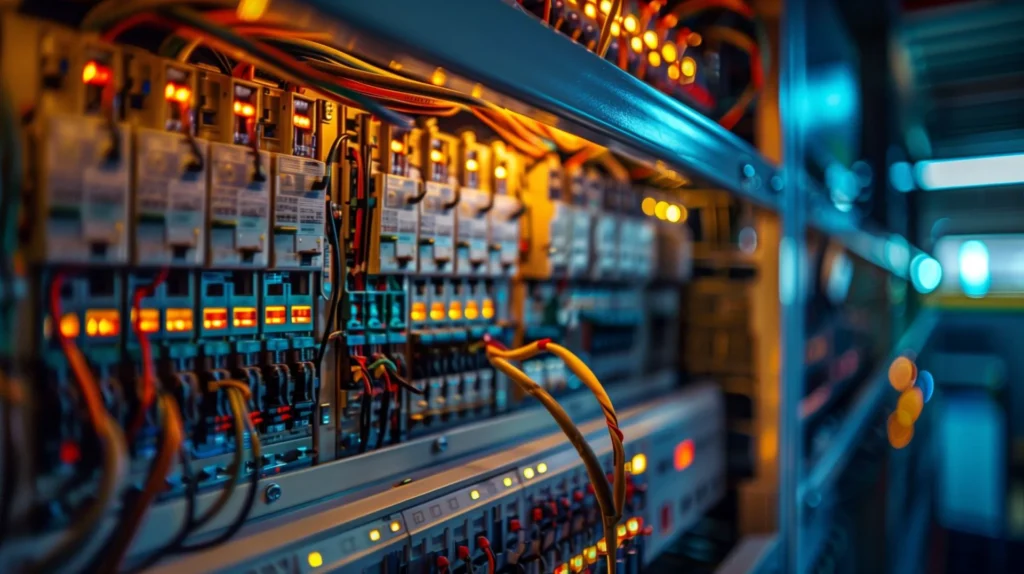
In commercial and industrial facilities, electrical fires usually start quietly and then accelerate. Over time, heat builds at weak points such as aging connections, corroded terminals, or wiring routed near materials that do not like heat. Additionally, electrical arcs can jump when insulation breaks down, and a single event can ignite nearby dust, plastics, or insulation. To make matters more dramatic, many ignition sources hide inside walls, ceilings, or electrical rooms where teams do not look every day.
We also see fires triggered by overloads. When a circuit feeds more load than it was designed for, the wiring and terminations run hotter than they should. As temperatures rise, insulation ages faster, and that creates a cycle that feeds the problem. Meanwhile, equipment that works “until it doesn’t” often has a warning history: nuisance trips, burning smells, flickering lights, or panels that feel warmer than usual. Our service staff treats those signs like early chapters in a story, not like background noise.
2) Build fire risk into the electrical plan from day one
Most people plan for power capacity. We also plan for fire prevention in commercial electrical systems. That means we look at where power runs, how equipment gets ventilated, and how protection devices match actual loads. When engineers and contractors select components, we confirm they fit the environment of the property: factories with dust, warehouses with stacked materials, offices with frequent changes, and campuses with multiple buildings and shared services.
Then we help keep future risk low. For example, we verify that panelboards stay accessible, that cable paths allow safe separation from combustible materials, and that labeling supports correct troubleshooting. Moreover, when facilities expand or change tenants, we treat electrical modifications like surgery: planned, documented, and verified. Otherwise, the system quietly drifts out of alignment, and the fire risk grows while everyone assumes the basics “still work.”
3) Circuit breakers and fuses: protection that actually protects
Protection devices do not help if they do not match the job. In our experience, commercial panels often include breakers or fuses that do not reflect current load patterns, or they get replaced without confirming the right rating. According to our guidance on circuit breakers and fuses in commercial facilities, proper protection depends on correct sizing, correct type, and proper installation. We see mistakes like mismatched ratings, loose terminations, and incorrect replacement parts. Those issues can allow excessive current to flow long enough to overheat wiring before the breaker trips, or they can cause nuisance trips that lead people to “fix” the issue the wrong way.
So we verify: what the circuit serves, how much load it carries, and whether the protective device trips quickly enough to limit heat. In addition, we check that the electrical system uses the right coordination strategy so a fault clears at the correct level. In a big building, that matters because a fault in one area should not escalate into a campus wide outage that pushes staff to improvise. Nobody wants a breaker that behaves like a lazy bouncer at a club, letting bad behavior slide until things get messy.
4) Inspect connections, heat, and damage like you mean it
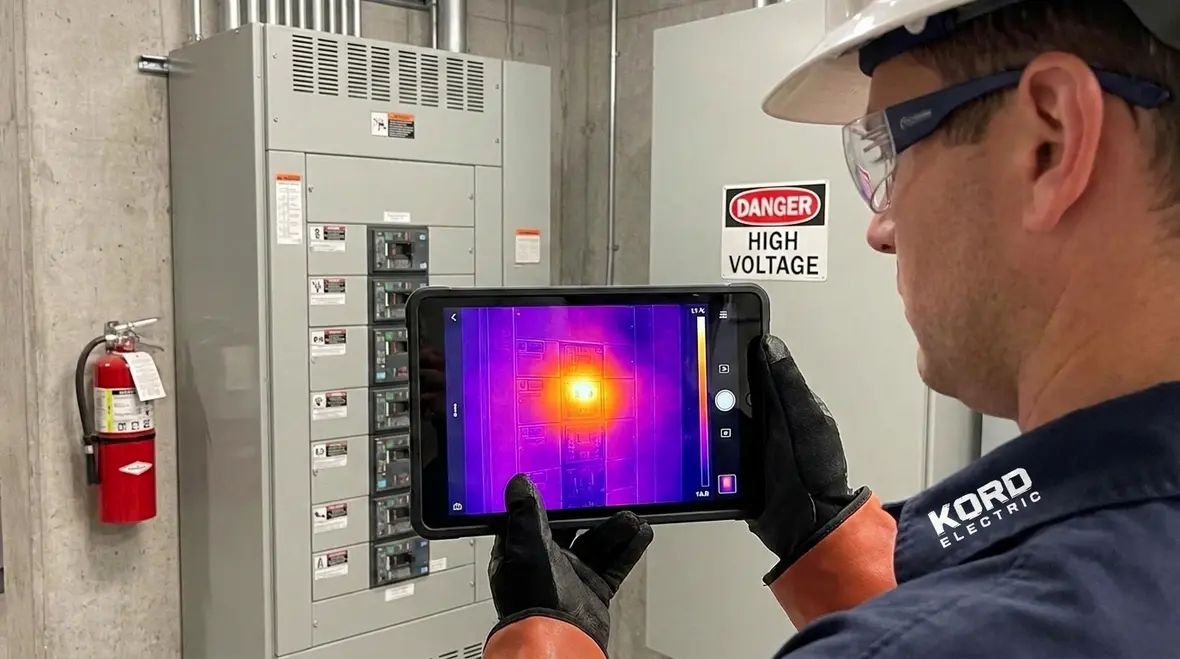
Electrical fires often grow from small defects. Therefore inspections must go beyond a quick look. We focus on connection quality, visible damage, and signs of overheating. During service visits, our technicians and expert staff typically check termination points at breakers, disconnects, junction boxes, and busbars. We also look for discoloration, melted insulation, and corrosion. In commercial and industrial spaces, dust, vibration, moisture, and frequent changes make thorough checks even more important.
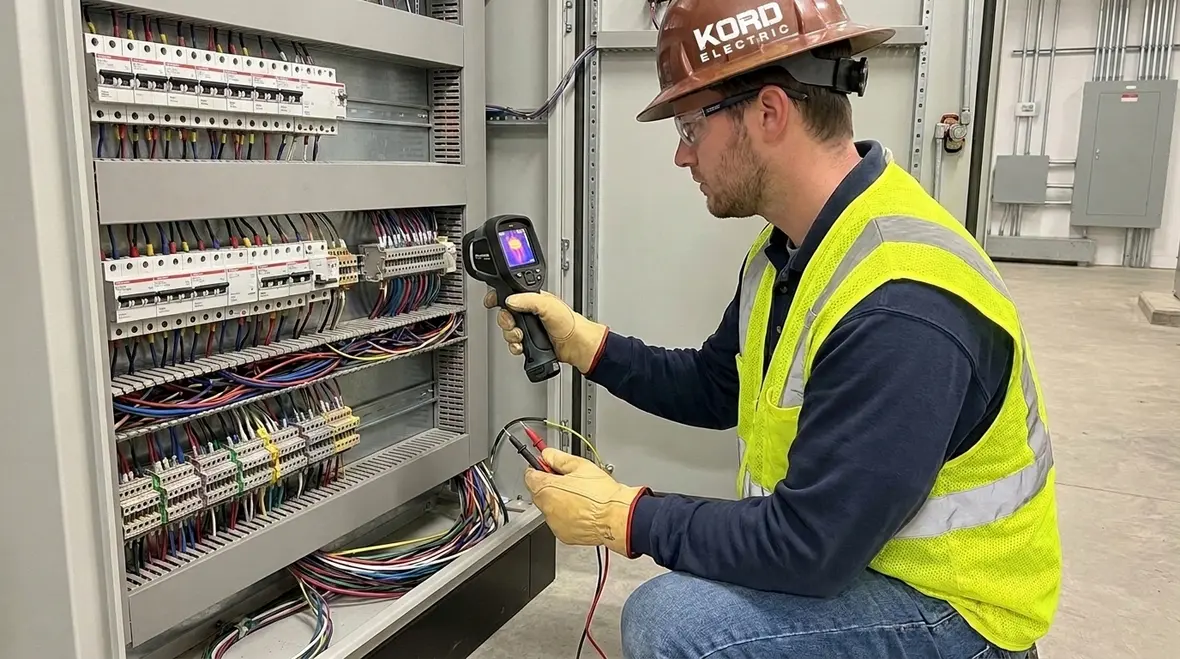
When appropriate, we use test methods that help confirm conditions. We evaluate where heat may build, and we address issues before they fail completely. At the same time, we do not ignore the human side. We explain what we find and what it means, because a building team that understands risk responds faster next time. If a panel cover is warm during a routine walk, we want the right person to notice it, report it, and act.
5) Commercial fire safety audits for electrical infrastructure that move the needle
To keep risk under control, Kord Electric supports commercial fire safety audits for electrical infrastructure. We use audits to spot issues that routine maintenance can miss, and we translate those findings into clear next steps. Additionally, our teams prioritize items based on severity and impact on the building. Instead of a vague checklist, we build a practical path for correction that fits how facilities operate.
Our audit work often includes reviewing protection coverage, verifying labeling and accessibility, checking equipment conditions, and assessing how electrical areas support safe operation. Then we help property owners understand the difference between cosmetic problems and serious risk. As a joke, we tell clients that a loose wire can look “fine” right up until it decides to audition as a campfire. In business, that audition should never happen.
We also coordinate with facility leaders so recommendations do not stall behind uncertainty. Our technicians explain each finding in a calm, direct way, and we make sure the property understands what to fix first, what can wait, and what should trigger an immediate response.
6) Hot spots, cords, and “temporary” setups that never stay temporary
Facilities teams often deal with constant change. Temporary power, portable equipment, and construction activity create extra risk for commercial sites. A power strip used for convenience is rarely a designed solution for heat and load. Likewise, extension cords and ad hoc wiring can introduce poor connections, damaged insulation, and overload conditions. When those setups run near paper products, packaging, insulation, or other combustibles, a fault can ignite material quickly.
Therefore we guide commercial property teams on safe practices and follow-through. We recommend that temporary power uses rated equipment, clear routing, and proper protection, and we push for removal or replacement once the project ends. Moreover, we help standardize approaches so teams do not “invent” new methods under pressure. If a temporary setup becomes routine, it should become engineered. In other words, stop treating safety like it is optional. Even the best sitcom does not write off consequences for characters who ignore basic rules.
For commercial and industrial facilities that want a deeper checklist approach, resources like Kord Electric’s commercial electrical preventative maintenance checklist and related planning guides help teams track how temporary setups, added loads, and new equipment affect long-term safety and fire risk in the building.
7) Staff training and response planning for commercial facilities
Even with strong electrical hardware, people and processes matter. We help commercial and industrial clients build response plans that connect electrical observations to real action. Our expert service staff explains how to document symptoms, what to report during rounds, and how to avoid unsafe workarounds after alarms or tripped breakers.
For example, if a panel shows a recurring trip pattern or a faint burning odor, the correct response should not involve repeated resets without investigation. We encourage a disciplined approach: stop, verify, isolate if needed, and inspect. Then, communicate. We help teams understand how to escalate issues during off hours and how to keep basic information such as circuit purpose and equipment location accessible for service personnel. When the building team acts decisively, fires have less time to develop.
Training also connects directly to broader programs such as Kord Electric’s commercial electrical safety audit for risk control, where findings turn into updated procedures, signage, and staff guidance that keep electrical fire risks in check long after the initial walkthrough.
8) How we reduce risk after the audit
We do not just complete reports and vanish. Kord Electric stays involved to ensure risk reduction becomes real work. After audits and inspection findings, we prioritize corrective actions and coordinate electrical work with the property schedule. We also document changes so future maintenance teams understand what was addressed and what protection levels remain effective.
As importantly, we help prevent recurrence by improving standards. That may include updating labeling, tightening installation practices, correcting protective device mismatches, and improving access to electrical equipment. Additionally, we encourage periodic follow-ups based on the property’s risk profile and operational changes. That is how fire prevention becomes a system, not a one time event.
For facilities in Southern California, especially those juggling complex operations and continuous occupancy, partnering with a dedicated provider that understands local code, real-world loads, and fire risk makes a measurable difference. That is why many organizations use Kord Electric’s Los Angeles County electrical services to move from one-time fixes to structured, long-term fire prevention in commercial electrical systems.
FAQ
Conclusion and call to action
Fire prevention in commercial electrical systems is not luck, and it is not a one time checklist. At Kord Electric, our technicians and expert service staff help commercial and industrial facilities reduce risk through smart protection, thorough inspection, and audits that lead to real repairs. If your building runs busy, changes often, or you have any signs of overheating, we can help you act before a small issue becomes a major event. Contact Kord Electric today to schedule a site assessment and build a safer electrical plan.
To take the next step, facilities teams can connect this fire-focused work with other planning tools such as Kord Electric’s commercial electrical troubleshooting guides, load capacity assessments, and preventive maintenance programs. Together, they create a practical framework where Fire Prevention in Commercial Electrical Systems: Key Safety Practices become part of everyday operations rather than a one-time project that fades into the background.
If your site is in Los Angeles County or the surrounding area and you are ready to turn audits, inspections, and corrective work into a long-term fire prevention strategy, Kord Electric is ready to help.