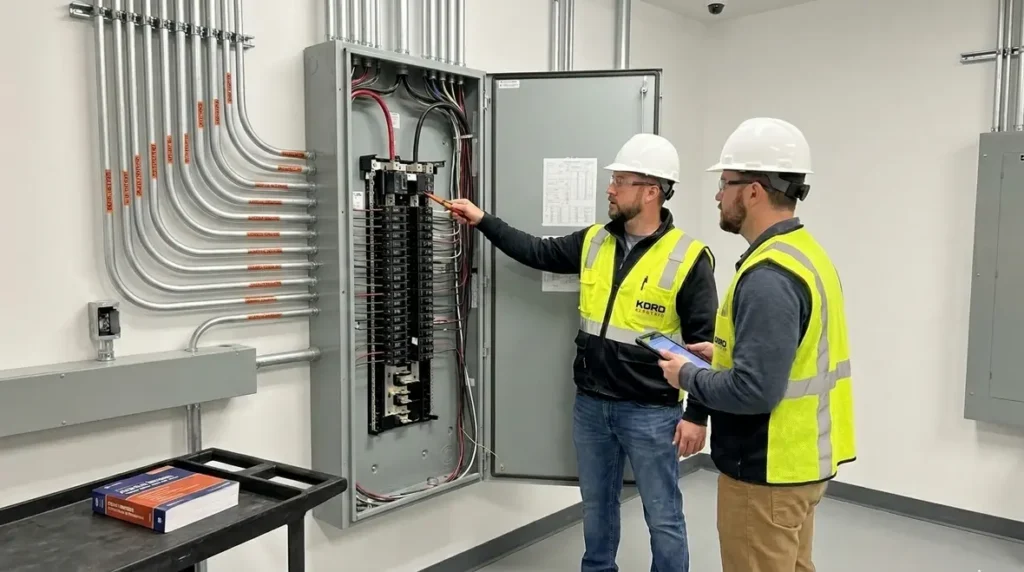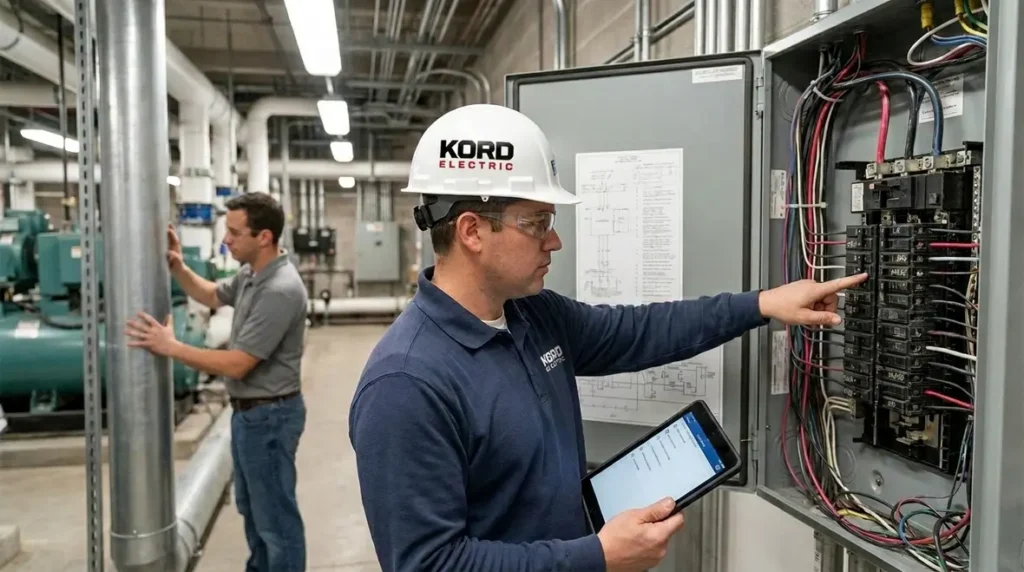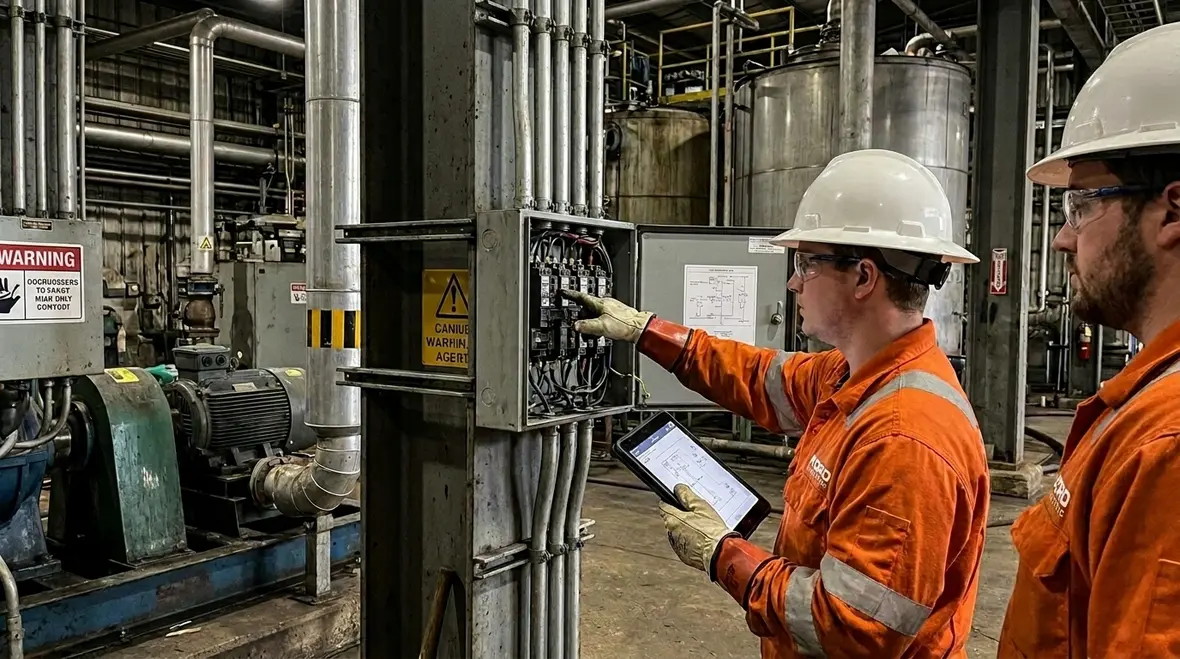
Hazardous Location Electrical Safety for Industrial Plants
In industrial facilities, hazardous location electrical safety is not optional. It is the difference between “everything is working” and “we have a serious incident that ruins next quarter.” At Kord Electric, we see industrial sites where flammable vapors, dust, and oxygen limited atmospheres team up with everyday electrical hazards like loose connections and wrong enclosures. Then, the tiniest mistake turns into a big headline.
So we build our work around safety systems, correct equipment, and clear field guidance. And we do it with calm confidence. Our technicians and expert service staff explain the why, not just the what, because safety that cannot be understood does not last. Think of us as the quiet narrator in the story where nobody gets hurt.
Hazardous location electrical safety matters in industrial plants
In industrial plants, hazardous location electrical safety is the backbone that keeps operations running without unwanted drama. Equipment runs hotter, processes run faster, and the consequences of a small oversight multiply quickly. A junction box left open during a shift change, a motor starter installed with the wrong enclosure type, or a conduit seal that was “going to be fixed later” can all line up with flammable atmospheres at the worst possible moment.
That is why we treat hazardous locations as systems, not just zones on a drawing. We look at how processes breathe, where vapors can collect, how dust moves when production ramps up, and how often equipment is opened for maintenance. Electrical protection must match the real way people use the plant, not just the way it looks in a design file.
Kord Electric’s teams combine code knowledge with field experience so plant operators get practical, durable solutions instead of quick fixes. We design and maintain hazardous location systems that support uptime, protect people, and give leaders confidence that their electrical infrastructure supports their production goals instead of quietly working against them.
How we assess industrial risks before we touch a wire
First, we confirm the facility’s operating conditions. Then, we map where the hazards exist and how they behave over time. That includes normal production areas, maintenance areas, and storage zones that look harmless until a pump leaks or a dust collector starts running louder than a movie soundtrack at midnight.
Our team reviews site plans, process data, and past maintenance history. After that, our technicians verify equipment locations in the field and check for changes in operations. For example, an area may become more risky after a process upgrade, new chemical storage, or a shift in ventilation patterns.
Next, we make sure the electrical design matches the environment. We confirm the equipment rating and construction, and we align it with the area classification and installation method. In other words, we do not guess. We verify.
And yes, we have heard it before: “It worked last year.” Last year’s “work” is not a design standard, and it certainly is not a safety plan.
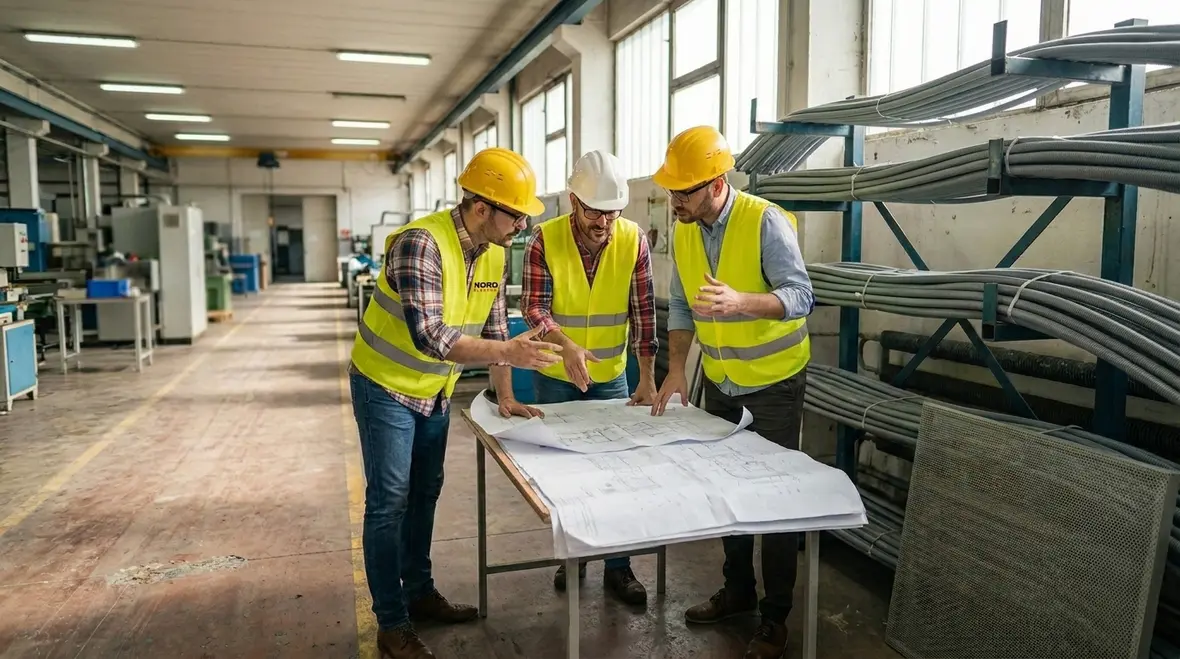
Our assessments also consider how electrical risks interact with broader facility priorities like production uptime, maintenance windows, and regulatory inspections. When appropriate, we connect industrial plants with structured programs like commercial and industrial electrical maintenance plans so hazardous area findings turn into long term improvement instead of one time corrections.
This upfront work prevents surprises when it is time to shut down equipment, issue permits, or coordinate with operations. When a facility knows which areas are most sensitive and why, hazardous location electrical safety becomes part of everyday planning instead of an afterthought.
Classification, equipment rating, and what “approved” really means
When people hear “approved,” they often picture a sticker and call it done. However, in industrial settings, hazardous location electrical safety depends on details like temperature class, ignition protection type, and proper enclosure integrity. We help our clients connect these details to real-world installation.
We focus on three practical points our expert service staff explains in plain language during walkdowns. First, ignition control. Equipment must limit the ways it can ignite an atmosphere, whether that atmosphere is flammable gas or combustible dust. Second, thermal limits. Hot surfaces matter, and heat buildup can change during heavy duty operation. Third, enclosure performance. Gaskets, seals, conduit sealing, and gland fittings must stay intact.
Then we review how components connect: cable entries, splices, and termination methods. Even if the device itself is correct, a wrong wiring method can undermine the entire safety strategy. So we check what is behind the cover, not only what the label says.
After that, we document our findings so others in the organization can maintain the system with confidence. When needed, we align those findings with standards like NFPA 70 and site specific electrical preventive maintenance plans so the definition of “approved” is clear, current, and defensible.
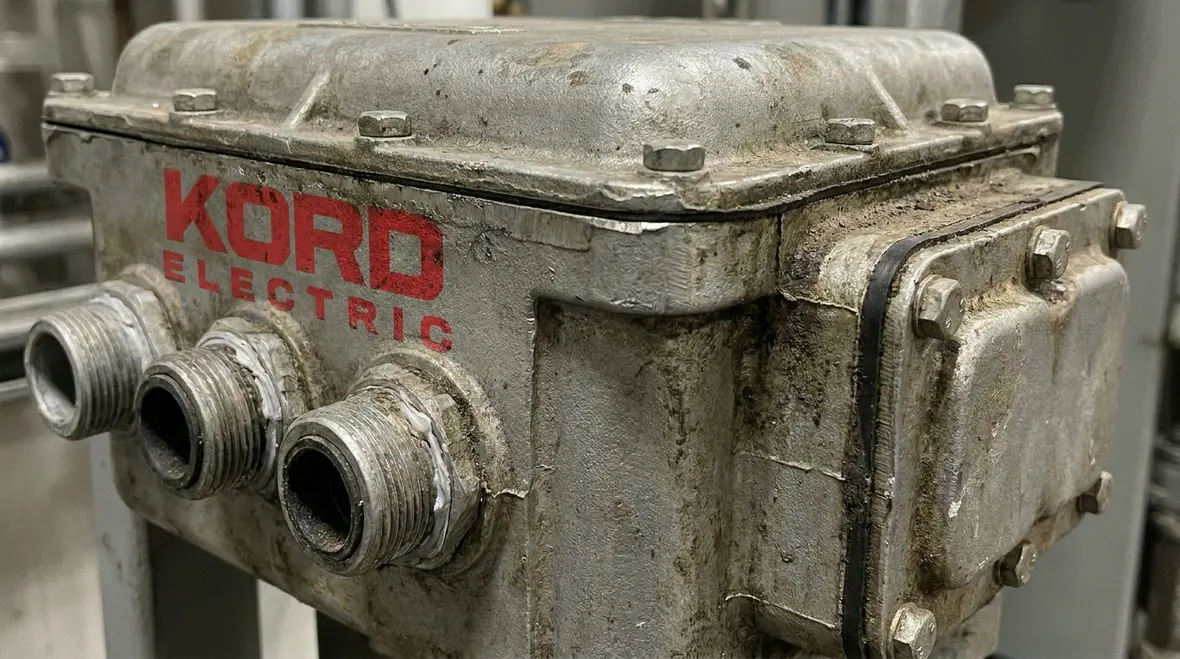
This level of clarity matters during audits, internal reviews, and future upgrades. When facility managers can point to clear records that tie classification, equipment ratings, and installation practices together, hazardous areas stop feeling mysterious and start feeling manageable.
Common failure points we prevent in commercial and industrial buildings
Once the system design matches the hazard, the next question is how it stays safe over time. Therefore, we target predictable failure points that show up in plants and major property buildings.
Loose terminations and damaged conductors can create heat and arcing. Moisture intrusion can compromise seals and force corrosion into places it should never reach. Also, improper conduit fill or missing sealing measures can allow gases to travel where they should not.
We also see problems from “temporary” changes. Someone swaps a component to restore production quickly. Then nobody updates the documentation, and the new part does not match the original safety requirements. That is like replacing a smoke detector battery with a candy wrapper and calling it a solution.
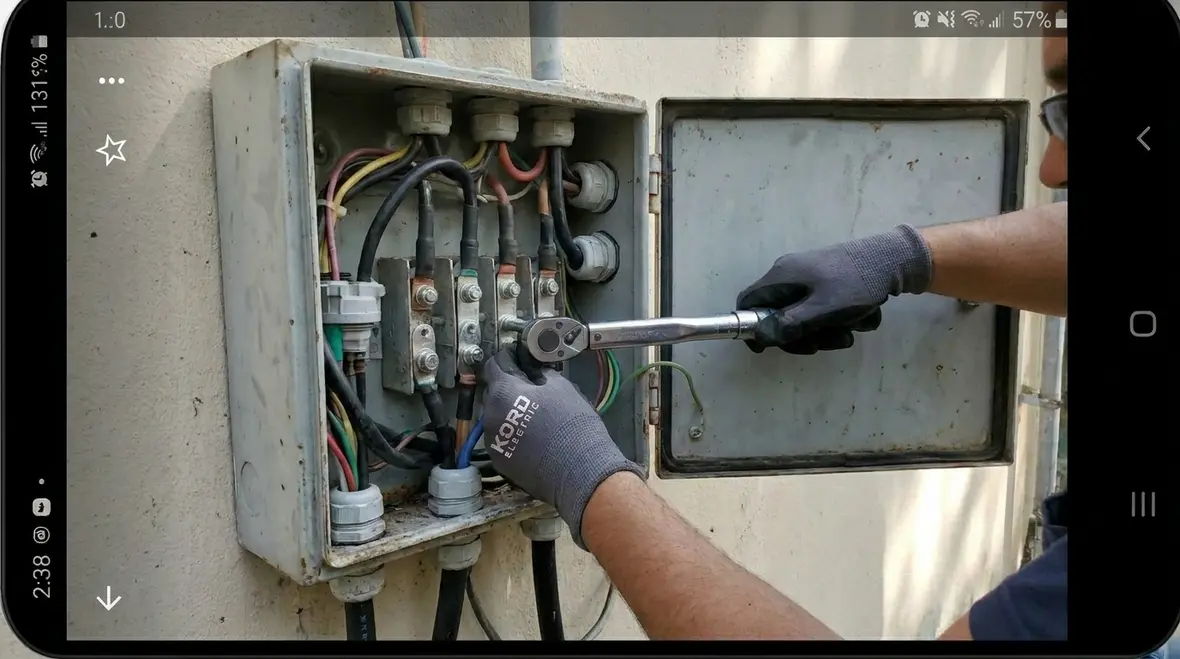
Our technicians prevent this through disciplined inspection routines. We verify torque practices, check conductor insulation condition, confirm cable routing, and evaluate transitions between components. Additionally, we test components in ways that support safe operation rather than just “passing” a checklist.
This same mindset applies beyond hazardous locations. Many of the hidden electrical risks in commercial buildings start as minor deviations that grow quietly over time. When we apply hazardous location discipline to broader facility systems, plants gain a higher baseline of reliability everywhere power flows.

Safe installation practices our technicians follow on the job
When we install or upgrade electrical systems, we treat hazardous areas with extra respect. First, we stage work to reduce exposure risk. Then, we follow correct installation methods for hazardous location circuits, including proper grounding and bonding, correct sealing practices, and verified conductor identification.
Next, we ensure wiring methods support the protection strategy. That includes selecting appropriate wiring types, using correct fittings, and maintaining enclosure integrity during pulls and terminations. After installation, we confirm continuity and insulation where applicable, and we verify that the system matches the drawings.
In addition, our expert service staff educates facility teams on how maintenance should be performed. We cover what technicians should inspect during routine checks, what changes require approval, and how to avoid the common “open it up and see” habit that turns a safety system into a guessing game.
Finally, we leave the area clean and organized. Industrial safety should not rely on hope. It should rely on workmanship. For plants that want installation and maintenance aligned from day one, we often pair new hazardous location projects with structured electrical preventive maintenance so the same disciplined approach continues long after commissioning.
Inspection, testing, and maintaining safety year after year
Electrical safety does not stop after commissioning. In industrial environments, conditions shift, equipment wears, and maintenance activities create new opportunities for risk. Therefore, we build long term safety habits with our clients.
Our inspection approach includes reviewing installation integrity, checking for physical damage, confirming labeling, and verifying that protective features remain intact. We also pay attention to the small stuff: missing seals, loose covers, worn cable glands, and signs of overheating. Those signs do not always shout, but they usually leave a trail.
Then we align maintenance plans with the hazard environment. Some tasks need tighter intervals, and some areas require more frequent verification due to operational cycles. We help clients schedule work so safety checks happen before problems become production interruptions.
And because every site has its own rhythm, our team adapts the process to commercial and industrial facilities and major property buildings. We keep coordination simple and focused on reducing downtime, whether we are supporting hazardous area inspections, voltage fluctuation troubleshooting, or broader commercial and industrial electrical maintenance plans.
Regulatory expectations and documentation that stand up in the real world
We understand that facility leaders need compliance they can point to. However, paperwork should not be a fantasy novel. It should reflect what exists in the field.
So we support clients with clear documentation of inspections, repairs, and upgrades. We note what we found, what we changed, and what safety measures we verified. When hazardous location electrical safety practices align with the installed system, documentation becomes a reliable tool for audits and internal reviews.
Our technicians also help teams understand how to manage change. If a facility modifies process conditions, replaces equipment, or alters ventilation, the electrical safety approach may need revalidation. We explain that because the safest plant is the one that keeps learning.
And if someone in the chain says, “Don’t worry, it is basically the same,” we respond with patience and a calm reminder: “Same is not a safety rating.” With clear records, up to date drawings, and maintenance plans that reference real equipment in the field, facilities can show regulators, insurers, and stakeholders that hazardous location controls are not theoretical; they are proven.
FAQ
Ready to strengthen electrical safety in your facility
If your industrial site relies on equipment in hazardous areas, you deserve service that treats safety like a system, not a slogan. Kord Electric can help you assess risk, upgrade installations, and maintain protection year after year with clear guidance from our technicians and expert service staff. Contact us to schedule a walkthrough and get a plan you can trust for commercial and industrial facilities and major property buildings. Let’s keep your operations steady, your documentation clear, and your team out of trouble.
When you are ready to turn that plan into ongoing protection, explore how structured electrical preventive maintenance supports hazardous location electrical safety across panels, feeders, and distribution equipment. For facilities facing active issues or unexpected instability, services like voltage fluctuation diagnostics and repair and dedicated emergency electrical services are available to stabilize systems and protect critical operations.
Whether you are addressing a known hazard, planning an expansion, or simply ready to replace “it worked last year” with a documented safety strategy, Kord Electric’s commercial and industrial services are built to meet you where you are and strengthen hazardous location electrical safety at the pace your facility needs.