NEC Hazardous Locations for Industrial Facilities
Kord Electric supports commercial and industrial facilities, and we take NEC hazardous locations seriously because one mistake can turn a normal jobsite into an expensive fire drill. In fact, our team has seen how quickly a “small” wiring decision grows into a compliance issue, especially in places where flammable gases, vapors, combustible dust, or ignitable fibers can be present. That is why we follow the National Electrical Code rules for hazardous locations with a disciplined approach and clear documentation. And yes, we explain it in plain language, too, because our technicians would rather teach the why than just hand over a checklist like it is homework nobody asked for.
In this article, we outline the core NEC hazardous location concepts used on real commercial and industrial projects, and we explain how Kord Electric helps facilities stay compliant while keeping people safe. You will notice that we focus on practical steps, not theory for theory’s sake. After all, even Batman needs a switch plan.
What the NEC hazardous location rules cover in real buildings
When we talk about NEC hazardous locations, we are talking about areas where a flammable atmosphere can exist. That atmosphere may come from liquids that give off vapors, gases released during processes, or dust that settles and then becomes airborne. As a result, the electrical equipment used there must not provide an ignition source.
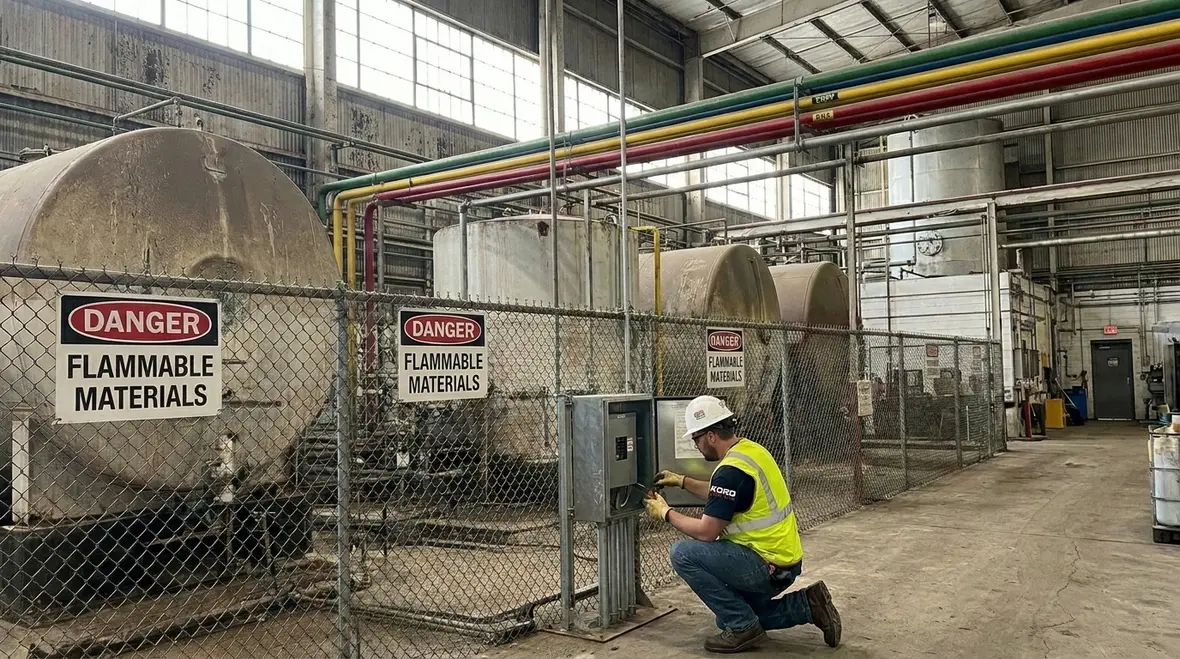
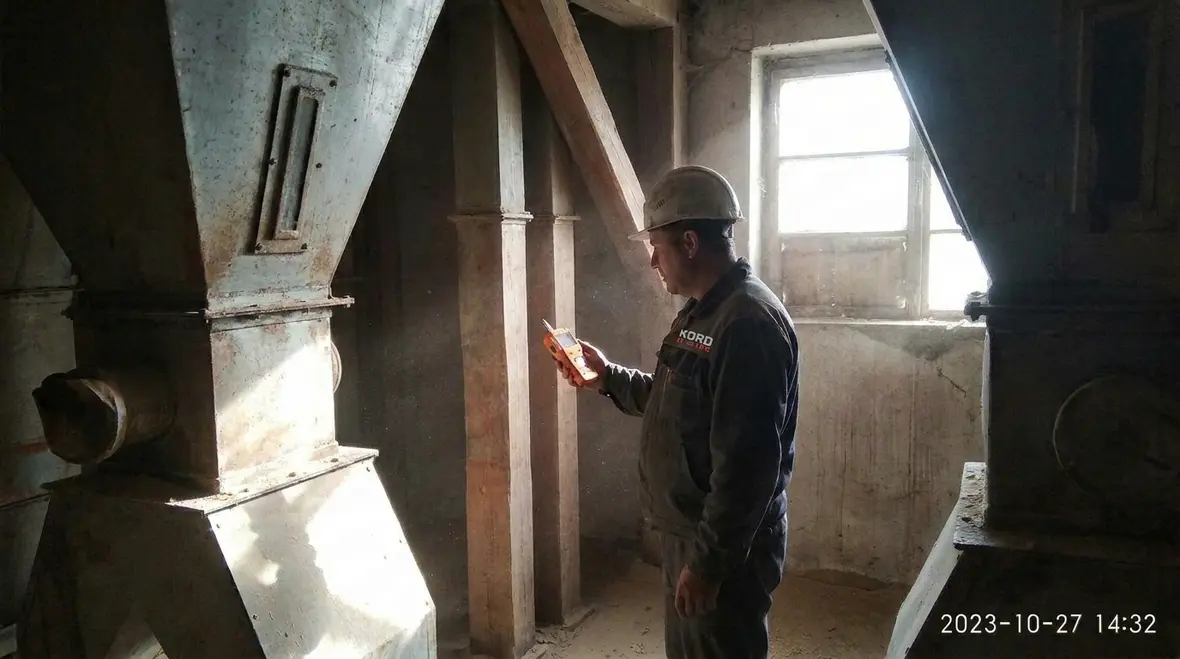
In commercial and industrial facilities, these conditions often show up in specific zones tied to operations. For example, process rooms, loading areas, compressor spaces, chemical storage, paint mixing areas, grain handling, and dust collection rooms can all change risk levels depending on how materials move through the workflow. Therefore, the NEC approach does not treat the entire building as one uniform hazard. Instead, it requires you to define the classified areas, then apply the correct electrical method and equipment rating.
Our expert service staff often starts by asking, “Where does the material come from, and when does it escape?” Then, they connect that to the NEC hazardous locations classification logic. The best part is that once the classification is sound, the rest of the design becomes easier. Like putting your tools in the right drawer before you need them.
When facility managers want a broader code context behind those classifications, they often turn to guidance based on NFPA 70, the National Electrical Code, which frames how these NEC hazardous locations fit into the bigger safety picture for commercial and industrial environments. Kord Electric explores that foundation in more depth in their explainer on the National Electrical Code for 2026, which helps connect hazardous locations to the rest of the electrical rulebook. Learn more about how NFPA 70 guides safe electrical design.
How we classify hazardous areas: gases, vapors, and dust
To apply the rules correctly, we first look at the type of hazard. The NEC splits hazardous location rules into major categories based on what fuel exists in the air. That means a facility that deals with solvent vapors does not need the same approach as one that processes combustible dust.
Our technicians typically guide the process like this. First, we help identify where flammable gases or vapors can appear. Then we consider how likely it is to occur during normal operation. Next, we determine the time pattern, such as whether the atmosphere occurs frequently, sometimes, or only under abnormal conditions.
After that, we repeat the exercise for dust and ignitable fibers if those materials exist. Combustible dust introduces different behavior, especially because dust can suspend in air and ignite. Therefore, the electrical approach needs to address ignition control in a way that matches dust physics, not just gas behavior.
As a final step, we verify that the classified boundaries align with actual operations. We do this because an HVAC outlet that pulls air across a spill area can shift exposure, and a closed system can reduce it. In other words, the building is not just a structure. It is a working system.
Because these classifications are not static, many facilities fold them into broader commercial and industrial electrical maintenance plans so the hazardous areas get rechecked when processes change, new equipment arrives, or airflow is modified. That way, NEC hazardous locations stay aligned with real-world operations instead of becoming outdated sketches in an old binder.
Equipment choices that align with NEC requirements
Once the area classification is set, we select equipment that matches the hazard. The NEC does not ask for “more rugged wiring.” It asks for equipment that prevents ignition, even if the internal electrical conditions create sparks, heat, or arcs.
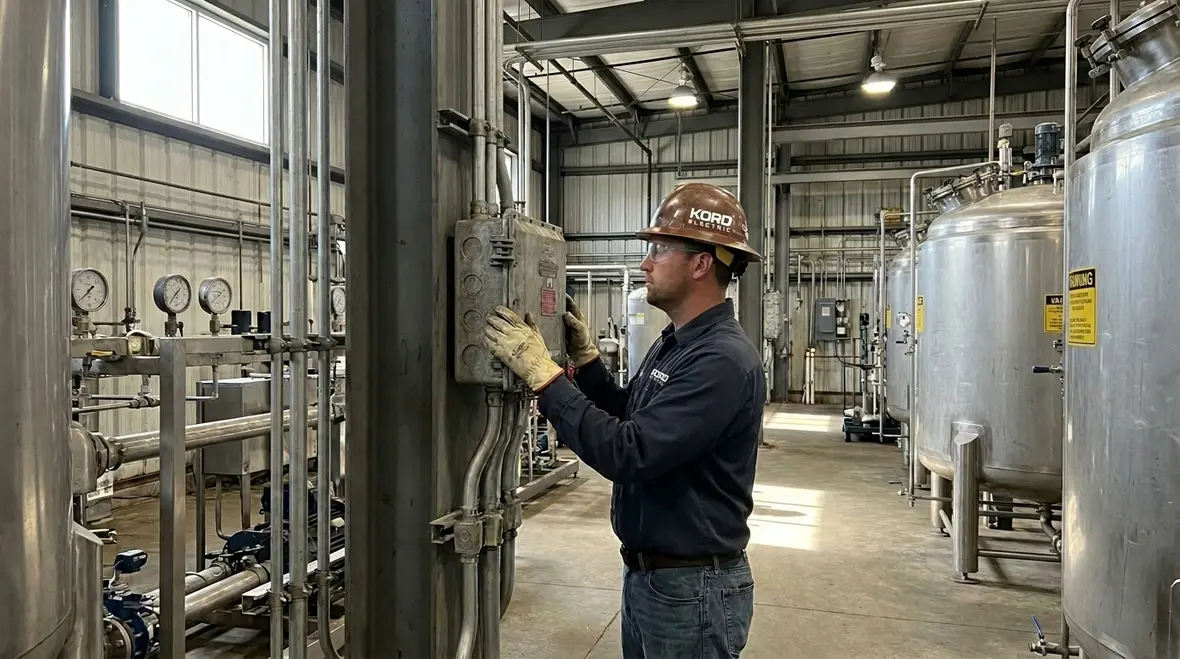
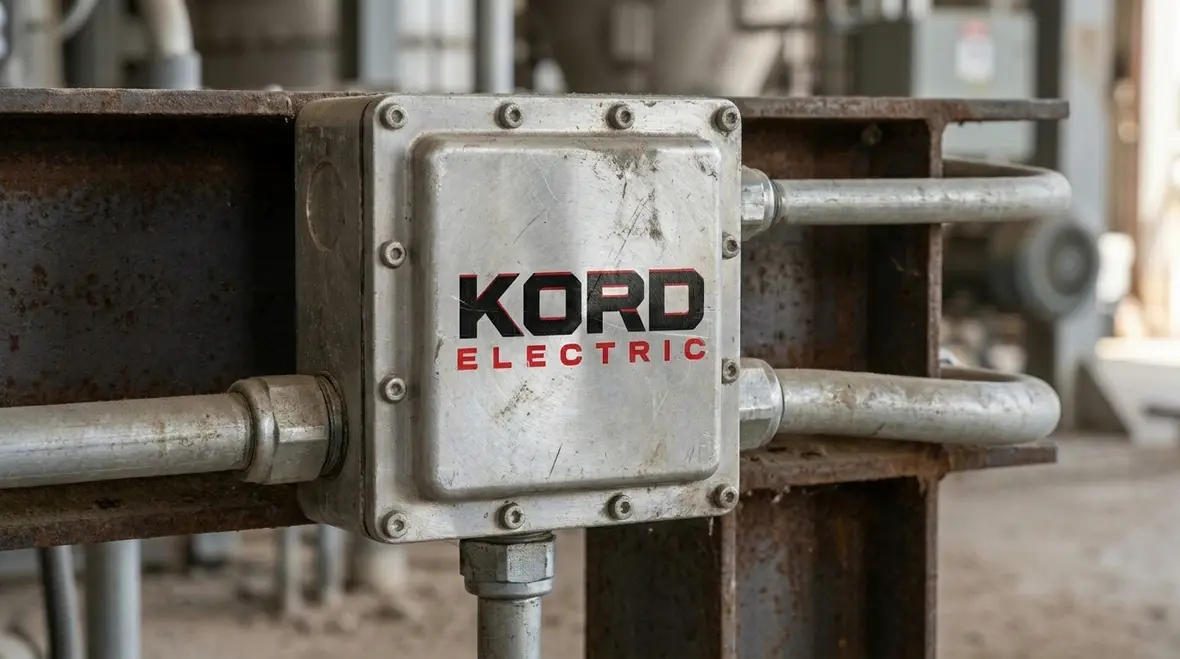
In practical terms, Kord Electric focuses on the right combination of enclosures, wiring methods, and device ratings for commercial and industrial facilities. For example, we ensure that switches, receptacles, junction boxes, and motor controls use appropriate enclosures and protection techniques. We also confirm that cable routing and termination practices do not compromise the protection method.
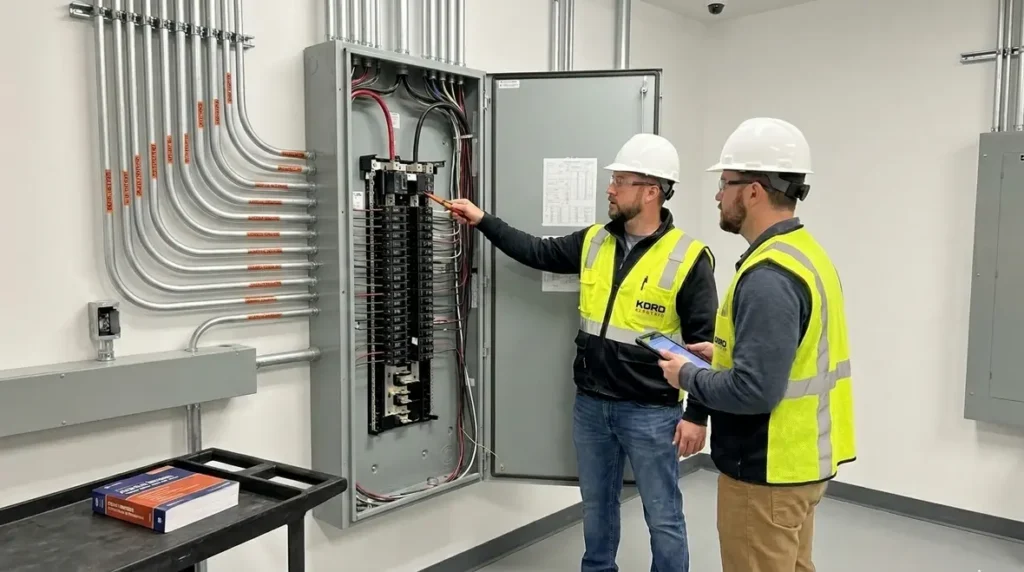
Our expert service staff will often explain this with a calm, step by step method. They will tell you, for instance, that an enclosure rating protects against more than just dust. It can also limit the entry of flammable atmospheres into where they could ignite. Then they connect it to how the equipment is built, installed, and sealed.
And yes, we keep it business casual. We tell people the goal is not to “dress up” the equipment. The goal is to keep ignition out. Think less costume party, more fire safety. The fire department is not in on the joke.
In many industrial environments, lighting and control gear inside NEC hazardous locations must also integrate with broader lighting installation code compliance requirements. That is where experience with commercial and industrial lighting installation services helps Kord Electric align fixture ratings, controls, and wiring with both hazardous location rules and overall code expectations.
Wiring methods, sealing, and installation practices that prevent failures
Even when the correct equipment is selected, poor installation can still create risk. That is why the NEC rules include details about wiring methods and how we handle openings and cable runs that pass through or connect within hazardous areas.
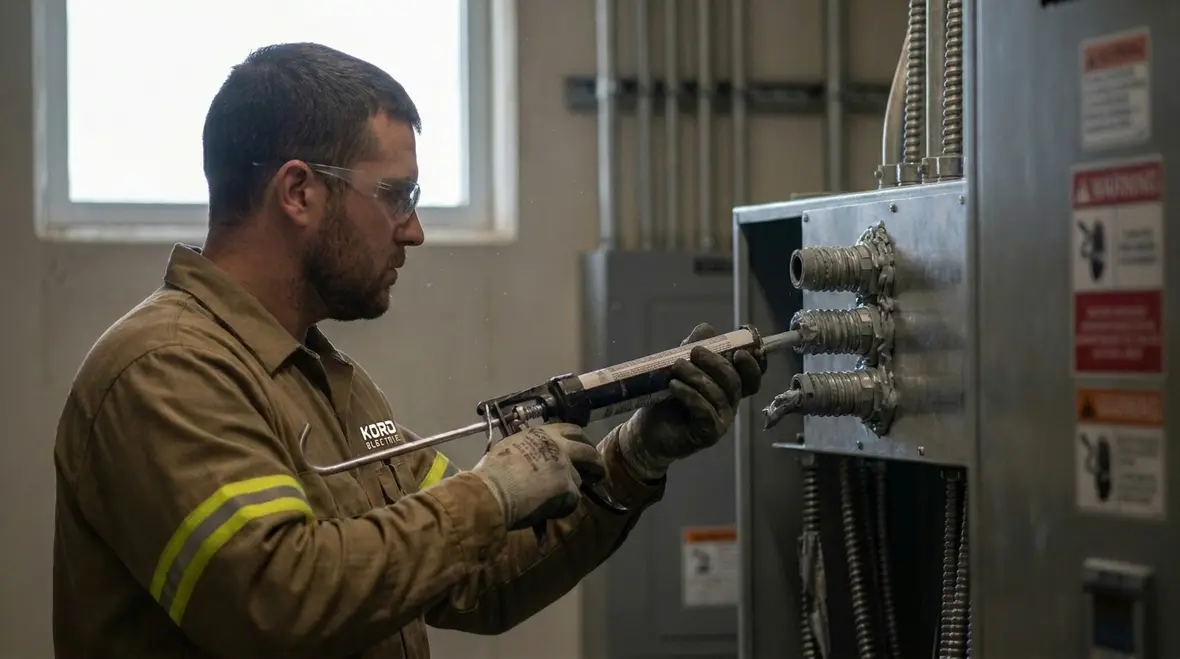
For example, Kord Electric pays close attention to seals where required, cable entries into enclosures, and how we route wiring so that it stays protected. Transition points matter. If a wiring run enters a classified space, it cannot wander into questionable areas like it forgot its destination.
We also verify termination quality and labeling. If equipment is rated correctly but terminations are sloppy, the system can overheat or fail under normal conditions. Therefore, our technicians follow installation standards and check work before energizing. We document results so the facility can show that the system was installed with intentional care, not luck.
Additionally, we review how maintenance activities could impact the hazard control. For instance, future changes to piping, replacement of motors, or upgrades to dust collectors can modify airflow patterns and exposure points. As a result, we help clients plan maintenance so safety controls do not get diluted over time.
Those same habits support long-term reliability beyond NEC hazardous locations. Structured preventive maintenance programs, like Kord Electric’s electrical preventive maintenance services for commercial and industrial properties, are often where small installation flaws or aging seals get caught before they become downtime or safety events.
Inspection readiness: documentation, testing, and coordination
Commercial and industrial facilities usually require more than “it works.” They need evidence that it was installed to the code and that it remains safe across operations.
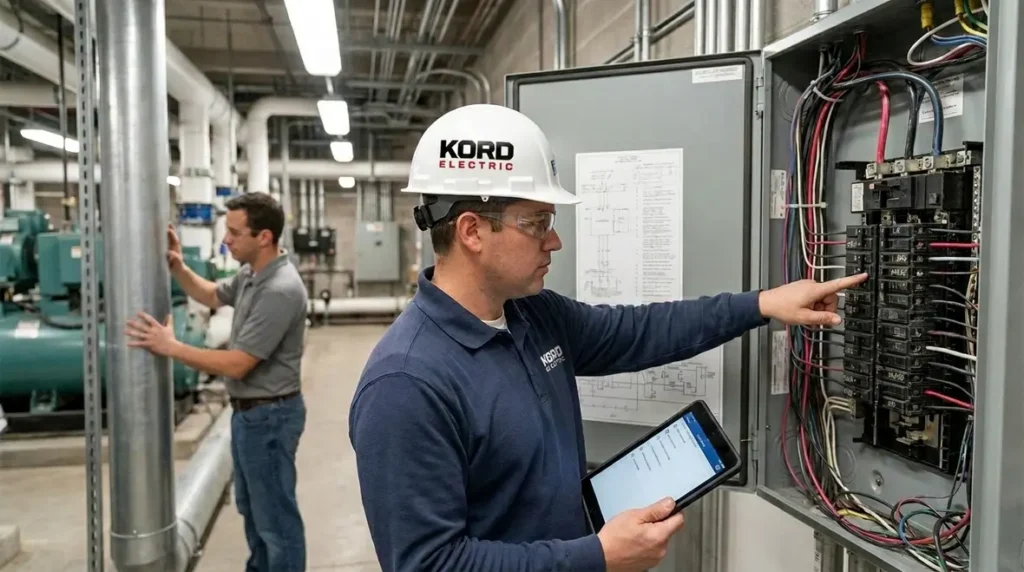
Kord Electric supports inspection readiness by coordinating early with facility teams. We align on the classified areas, the equipment list, and the installation plan. Then we build a paper trail that supports compliance. That includes device selection records, wiring method notes, and verification steps.
When inspection time comes, our expert service staff helps explain the system in a way that makes it easier for everyone involved. The inspector wants clarity. The facility wants confidence. And our team wants to get the job approved without dragging the day into overtime.
To keep the process smooth, we also plan for coordination with other trades. Electrical runs interact with process piping, conduit supports, and building infrastructure. If we wait until the last minute, we create rework. Therefore, we coordinate early, so changes happen before the field turns into a guessing game.
Quick alignment snapshot
|
What we confirm Area boundaries |
Why it matters Prevents ignition sources |
Maintenance and upgrades for ongoing code-safe operation
Hazard control does not stop after installation. In fact, the longer a facility operates, the more it evolves. Equipment gets replaced, processes change, and sometimes the hazard conditions shift without anyone updating the classification.
Kord Electric helps commercial and industrial clients maintain NEC compliance through practical service routines. We focus on how equipment ages, how enclosures stay sealed, and how wiring remains intact. We also watch for signs of damage like corrosion, loose terminations, or compromised seals.
When upgrades come along, we treat them as safety projects, not simple swaps. For example, a facility may replace a motor, and the new motor may require different protective components. Similarly, adding new equipment in a classified space can add new ignition risks. Therefore, we evaluate how changes affect the hazardous locations plan and then adjust electrical systems accordingly.
Our expert service staff explains these points in plain terms, because the facility team should not need to become a code historian overnight. Our job is to make sure the systems stay protected as the plant keeps moving.
For organizations that prefer a structured framework, these NEC hazardous locations reviews often plug directly into broader electrical preventive maintenance programs. Those programs schedule inspections, testing, and documentation so hazardous area protection evolves in step with the rest of the electrical infrastructure.
FAQ about NEC rules for hazardous locations
Choosing the right partner for code-safe electrical work
If your facility operates with chemicals, solvents, gases, or combustible dust, you deserve electrical support that treats safety as a process, not a checkbox. At Kord Electric, we apply NEC Electrical Code rules for hazardous locations with disciplined equipment selection, careful installation, and clear documentation for commercial and industrial buildings. Our technicians and expert service staff explain the plan in plain language so your team understands what we do and why. Contact us now to schedule an assessment and get your hazardous areas working safely, on purpose.
For many facilities, hazardous locations are only one piece of a larger reliability and safety picture. That is why Kord Electric often pairs NEC hazardous locations planning with broader services like electrical preventive maintenance and specialized lighting installation services for commercial and industrial properties. Together, these solutions help facilities keep critical systems efficient, compliant, and ready for inspections without turning every upgrade into an emergency project.
When you are ready to align hazardous locations, lighting, and overall electrical reliability under one coordinated plan, Kord Electric’s commercial and industrial services provide a clear path forward—from initial classification and design through installation, documentation, and long-term maintenance support.