Healthcare Electrical Safety Checklist California Guide
Healthcare Electrical Safety Checklist California: a practical starting point
In commercial and industrial buildings, electrical issues do not politely wait their turn. They grow quietly, then show up as downtime, damage, or worse. That is why we built our approach around the healthcare electrical safety checklist california concept and the real-world needs of major facilities. In the first steps, Kord Electric and our expert service staff use a disciplined process to help reduce shock risk, equipment failure, and unsafe conditions. We still treat it like safety should be treated: calmly, methodically, and with documentation that can stand up to scrutiny. Also yes, even when the lights “seem fine,” we verify everything, because electricity does not run on vibes.
In California healthcare environments, this kind of structure matters even more. Facilities juggle patient care, compliance expectations, and complex electrical infrastructure that never really gets a day off. A practical checklist gives everyone a shared starting point instead of a pile of scattered notes and “we should check that someday” reminders. When Kord Electric builds a program around your site, the checklist becomes a living tool, not a forgotten attachment in an inbox.
The goal is not to overwhelm facility teams with technical jargon. It is to create a repeatable way to confirm that critical systems stay ready, from everyday operation to emergency conditions. That means looking at the right equipment, at the right intervals, with findings captured clearly enough that anyone reviewing them later understands what changed and why it matters.
Why healthcare buildings need more than basic electrical care
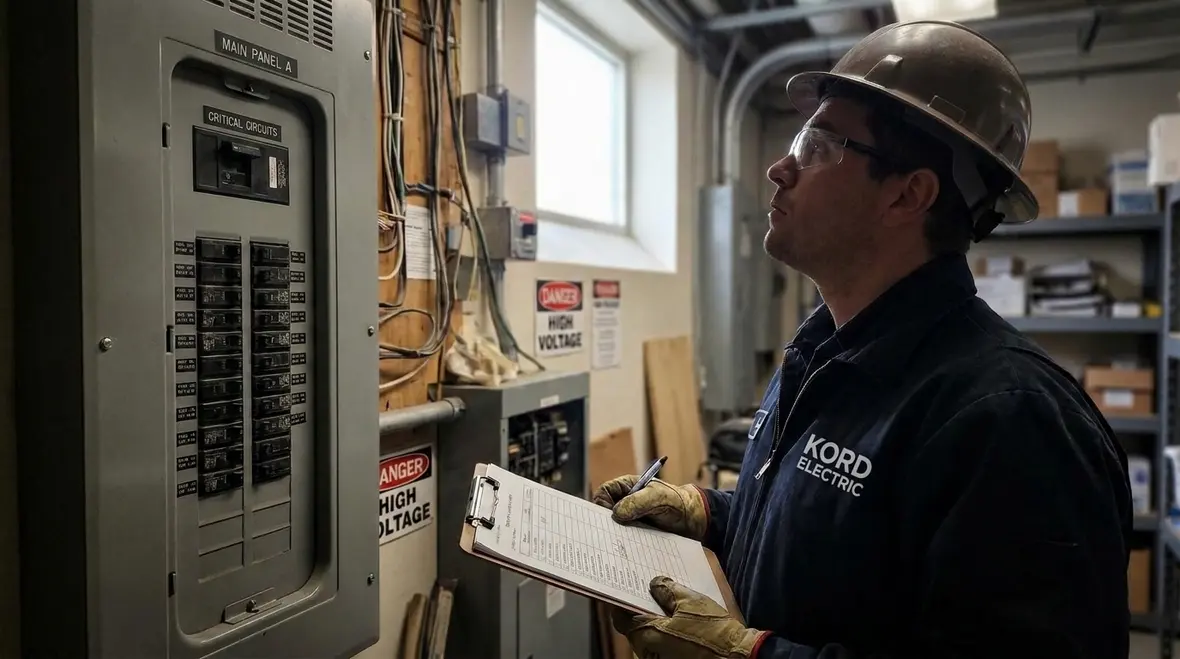
Healthcare facilities run on reliability. They power life safety systems, critical imaging tools, patient care equipment, and the networks that keep operations connected. Therefore, electrical safety has to move beyond “we installed it once” and into “we keep proving it stays safe.” In addition, California regulations and hospital risk expectations demand careful inspection, testing, and recordkeeping. When others rely on short visual checks, problems can hide in plain sight. For example, a loose termination may not fail today, but it can overheat later, especially under load changes.
Our technicians look at the complete electrical chain, not a single panel or outlet. However, we also keep the process practical. We focus on what matters most for major property buildings, including emergency power performance, protective device integrity, grounding and bonding, and safe routing of wiring. In other words, we do not just check boxes, we verify performance.
In healthcare spaces across California, this often includes equipment serving imaging suites, pharmacy refrigeration, nurse call systems, critical ventilation, and specialized treatment areas. A checklist shaped around these realities keeps the focus where the risk really lives, instead of spending time on low‑impact items while higher‑consequence issues quietly grow in the background.
The right healthcare electrical safety checklist California approach also respects the fact that many hospitals and clinics share buildings with other commercial tenants. That creates unique electrical interactions at the service entrance, common distribution points, and shared emergency systems. Our team builds maintenance and inspection steps that recognize these overlaps so healthcare functions are protected even when they share infrastructure with non‑clinical spaces.

Electrical preventive maintenance the Kord Electric way
Kord Electric applies preventive maintenance principles that fit how large facilities operate. If you want a roadmap you can use right away, our team ties the work to a structured plan aligned with electrical preventive maintenance guidance, including what gets inspected, what gets tested, and how findings get documented. Then, we translate results into action items that facilities managers can plan for.
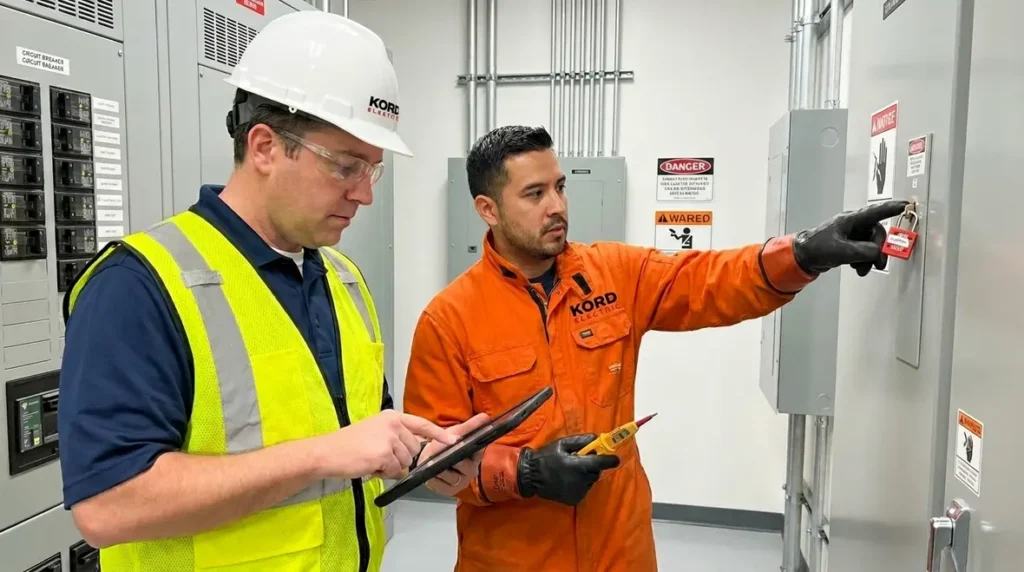
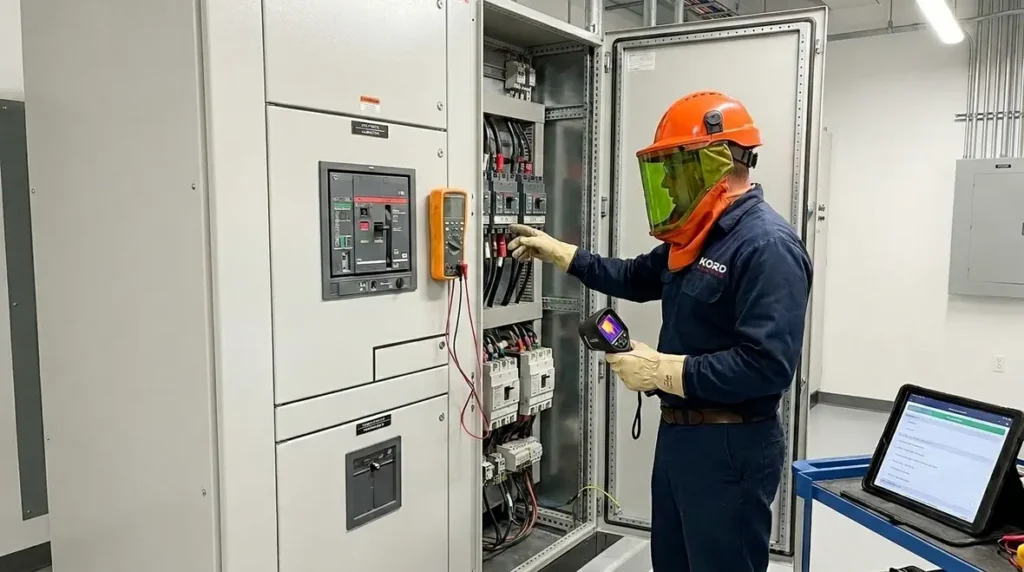
In practice, our technicians do not wander around randomly like a crew searching for a missing remote. Instead, they follow a sequence that makes sense for critical systems. First, they confirm panel condition and labeling. Next, they verify protective devices and wiring terminations. Then they assess grounding and bonding paths. Finally, they validate life safety related components where applicable.
Meanwhile, we also coordinate with site schedules. We know many healthcare buildings cannot pause operations. So we plan work windows, manage access, and communicate clearly. As a result, the facility keeps moving while safety gets stronger.
For multi‑site healthcare organizations, we can mirror this approach across campuses so that each property follows the same core healthcare electrical safety checklist California structure. That consistency pays off during audits, accreditation reviews, and internal reporting because leaders can compare results location by location instead of trying to decode a different format every time.
Healthcare power systems and the points that fail first
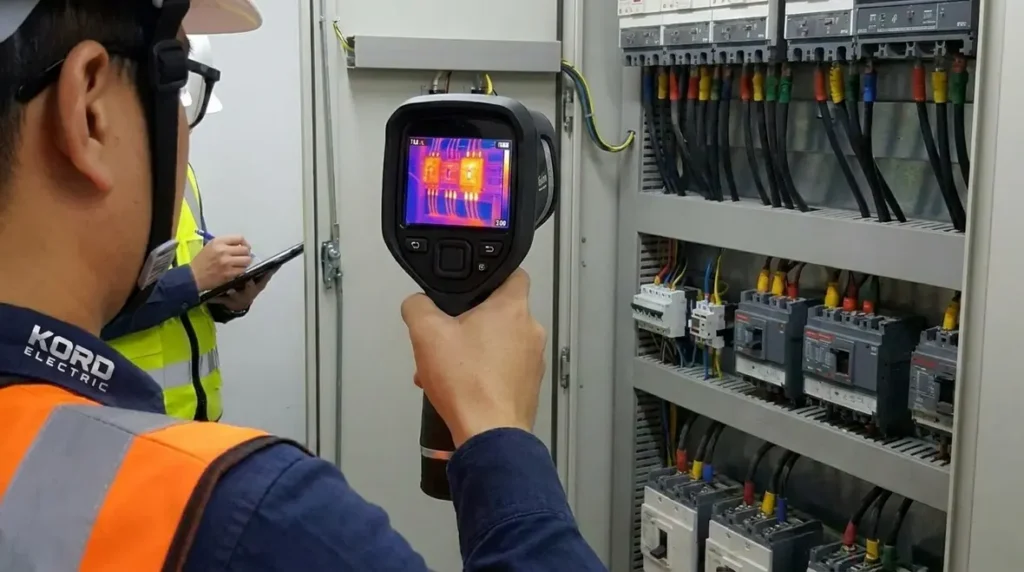
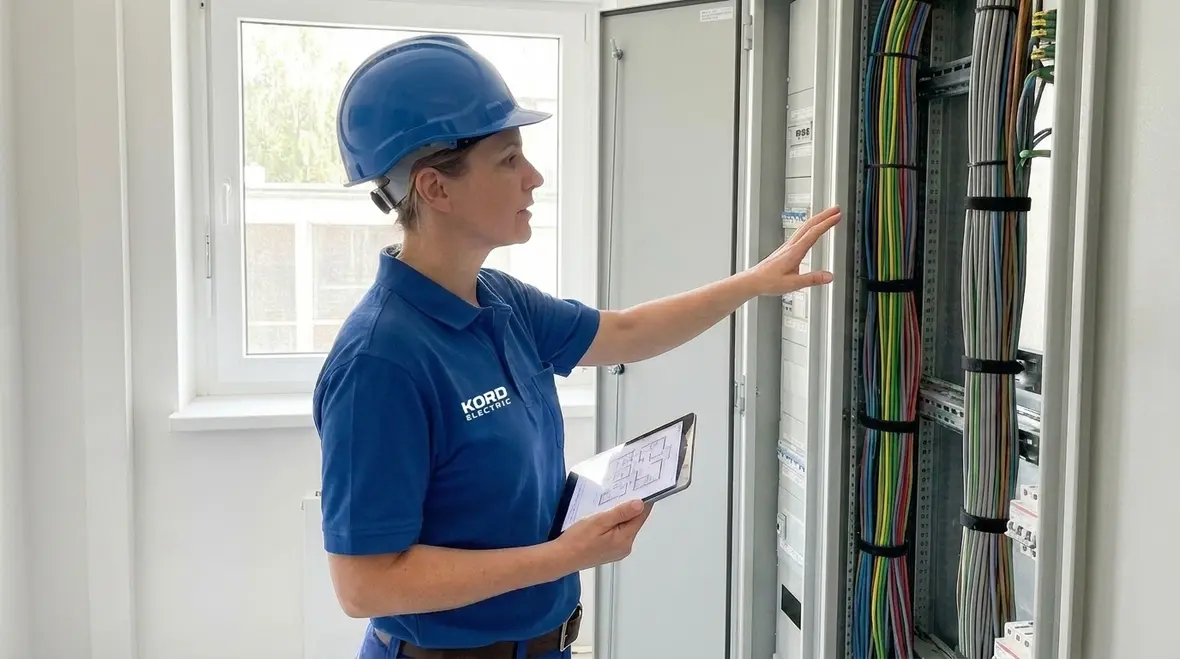
Even well-designed systems fail at predictable places. Usually, those trouble spots involve connections, heat, moisture, aging insulation, and poor separation of circuits. Therefore, our technicians pay special attention to the locations where problems start. These include panel interiors, motor control centers, transfer equipment, and cable terminations. In addition, we inspect for signs that electricity has been doing extra work: discoloration, brittle insulation, burnt odors, and corrosion around hardware.
We also evaluate how the building handles abnormal conditions. Critical loads should have protection that acts correctly. If a breaker trips too late or too early, equipment can suffer. If coordination fails, upstream devices may not clear faults safely. Consequently, we help verify that the system behavior matches the design intent.
To keep everything grounded in reality, we document the condition of each key component. Then we recommend next steps based on risk. So the facility does not face guesswork later.
In critical healthcare occupancies, that documentation also makes internal safety and risk teams more effective. Instead of just logging “panel needs work,” they see which feeders show overheating trends, what type of protective devices need review, and where environmental conditions like moisture or cleaning chemicals are starting to attack enclosures. Over time, that level of detail turns your healthcare electrical safety checklist California into a historical record that actually helps predict where attention should go next.
Grounding, bonding, and labeling: the unglamorous heroes
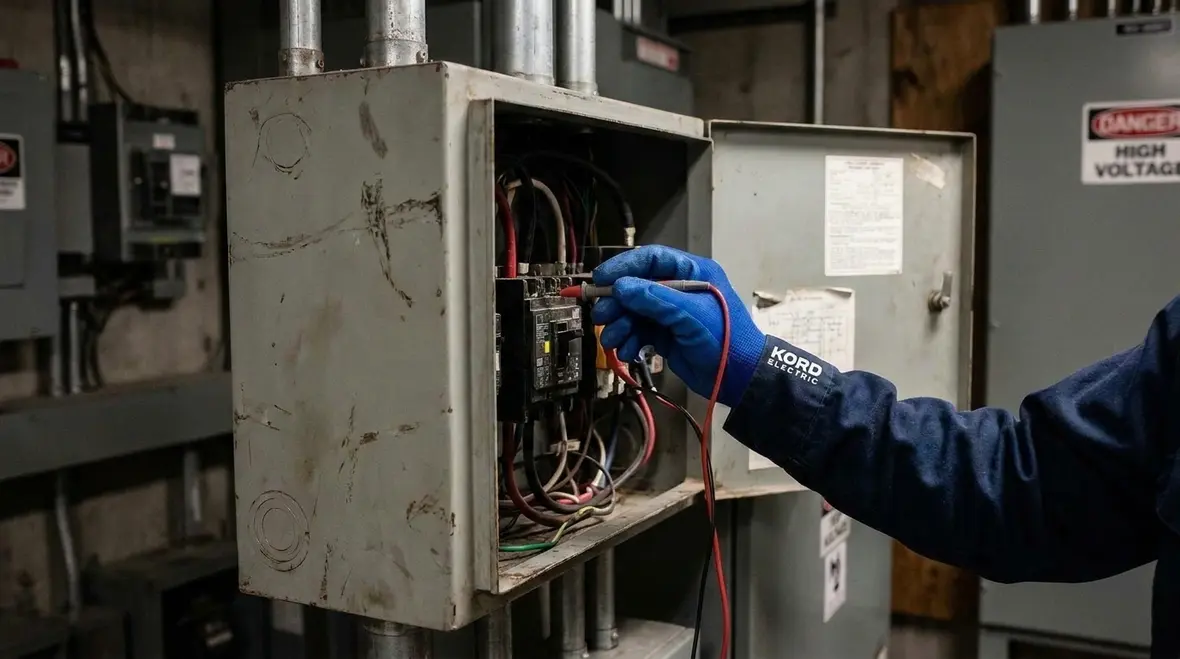
Grounding and bonding prevent dangerous voltage rise and help protective devices clear faults. However, these systems often get ignored until something sparks, trips, or fails. As a result, we make grounding inspections part of our routine approach for commercial healthcare environments. We check continuity paths, verify bonding points, and look for changes over time such as new equipment added by other contractors.
Labeling matters, too. In major property buildings, changes happen often. Someone replaces equipment, another team extends wiring, and a new rack goes in. Then the original legend gets out of date. When labeling drifts, response time slows, troubleshooting becomes harder, and safety suffers. Therefore, our expert service staff explains findings in plain language so stakeholders can update documentation and reduce confusion.
Here is a gentle pop culture truth: Batman has a utility belt, but electricians need a clear labeling system. Without it, everyone just hopes the next clue leads to the right breaker. We do not run safety on hope.
In healthcare environments, organized labeling is not just about convenience. During unplanned events, teams need to know exactly which feeder serves an imaging suite, which breaker supplies a nurse station, and which automatic transfer switch handles a particular wing. A disciplined healthcare electrical safety checklist California process bakes this into every visit so that labeling gaps get flagged and corrected instead of being accepted as “just how the building is.”
How our technicians verify life safety readiness
Healthcare operations depend on emergency power and life safety circuits. So our focus includes the health of systems that must work when conditions get tough. We look at equipment that supports emergency loads, including transfer and distribution components. Then we assess whether devices show signs of wear, overheating, or contamination.
In addition, we review how the building handles normal versus emergency modes. If transfer equipment fails to switch properly, critical systems can lose power during the moment they matter most. Therefore, our technicians use a methodical checklist approach, guided by risk and the building’s electrical one-line and as-built records.
After the inspection, our expert service staff communicates what they found and why it matters. We do not talk in circles. We explain the practical safety impact, what to fix first, and what can wait. That way, the facility can build a plan that fits budgets and operational needs.
Because many California healthcare buildings also depend on rapid recovery after earthquakes, storms, or utility events, our recommendations frequently connect this life safety review with broader electrical reliability planning. Property teams can then combine their healthcare electrical safety checklist California with resources like Los Angeles County electrical services support for larger upgrades, capacity changes, or corrective work that extends beyond routine maintenance.
Making your healthcare electrical safety checklist California actionable
Many facilities want a checklist that works in real life. In response, Kord Electric turns the healthcare electrical safety checklist california idea into clear inspection categories with observable outcomes. Then we help facilities maintain compliance readiness without turning the process into a full-time job.
Below is a quick view of how we structure the work for commercial and industrial healthcare properties:
Visual condition checks for signs of heat, moisture, corrosion, and loose hardware in panels and distribution areas
Protective device review to verify correct device condition and functionality, with findings mapped to risk
Grounding and bonding verification to strengthen fault clearing and reduce shock hazards
Labeling and documentation support so technicians can respond quickly during events
Coordination planning to support safe fault clearing behavior across the system
Preventive maintenance scheduling tied to building use patterns and equipment age
And yes, we still keep it calming. Safety work should feel controlled, not chaotic. The goal is simple: keep critical electricity dependable, predictable, and safe.
Many healthcare clients also combine this checklist with broader preventive strategies drawn from Kord Electric’s experience supporting large commercial and industrial campuses. By pairing your healthcare electrical safety checklist California with structured services like ongoing preventive maintenance, infrared inspections, and documented testing, your team builds a long‑term pattern of care instead of reacting to surprises. That pattern shows up clearly in records, risk reports, and the everyday reality of fewer urgent calls.
When it is time to expand, renovate, or reconfigure medical spaces within your property, that same structure helps guide decisions. Instead of guessing which panels still have capacity or which feeders can support new imaging or lab equipment, your documentation connects inspection results to practical design choices. Our technicians and expert service staff bridge the gap between what is on paper and what is happening under load in the field.
FAQ: healthcare electrical electrical safety checklist California
Facilities teams often ask how to time inspections, what belongs on the checklist, and how preventive work fits into already full schedules. Below are practical answers based on how Kord Electric supports commercial and industrial healthcare properties across California.
Ready for a safer electrical system in a major healthcare building
If your facility needs dependable electrical safety support, Kord Electric is ready. Our technicians and expert service staff deliver methodical preventive maintenance, clear documentation, and practical recommendations built for commercial and industrial healthcare environments. We help you move from “we think it’s fine” to verified safety readiness, so operations stay steady and risks stay lower.
By aligning your healthcare electrical safety checklist California with structured services like electrical preventive maintenance, you give your property a roadmap that can grow with new equipment, new tenants, and new regulatory expectations. Whether you manage a stand‑alone clinic or a large medical office building tied into a broader campus, Kord Electric helps turn electrical safety into a calm, repeatable process instead of a rolling series of urgent surprises.
When you are ready to strengthen emergency power performance, update documentation, or plan a maintenance program that respects real‑world schedules, our team can also connect your checklist work to broader offerings like comprehensive Los Angeles County electrical services for commercial and industrial properties. From there, your facility gains not just a safer electrical system today, but a clear path for keeping it that way as your building and your operations evolve.
Contact Kord Electric today to discuss your electrical condition, your schedule, and the next best steps for your building.