Industrial Electrical Distribution Safety Check
At Kord Electric, we run a thorough industrial electrical distribution safety check before we let any system settle into daily operation. In the first 100 to 150 words, we want to be clear: this is not a “looks good to me” walk-through. Our technicians and expert service staff verify that the distribution system can handle load, fault conditions, heat, and aging without turning routine operations into emergency calls. And yes, we know electricity is already dramatic, like a superhero that only shows up when something goes wrong. Still, our checks bring the calm, measured control that industrial sites deserve.
We support commercial and industrial facilities and major property buildings only, because these environments demand disciplined safety, documented results, and repeatable standards. Now, let’s walk through the critical items, step by step, in a way your team can understand and your insurers can respect.
Industrial electrical distribution safety check: what we verify before power gets comfortable
When we talk about an industrial electrical distribution safety check, we are talking about a structured, disciplined review of how power actually moves through your facility. That means feeders, switchgear, panels, grounding, protective devices, and the real loads your site runs every day. It is a full-system conversation, not a quick glance at one warm breaker. We look for the patterns that turn into problems: heat where it should not be, loads that creep upward over time, labels that no longer match reality, and components working harder than anyone realizes.
We also treat this work as part of your broader electrical strategy. If your facility already invests in structured maintenance plans or preventive programs, a detailed industrial electrical distribution safety check plugs directly into that effort. It gives your leadership team, your risk managers, and your operations staff the confidence that what is happening inside the gear lines up with the expectations on the production floor. If you are building out a more formal maintenance approach, you can pair this kind of safety review with long term programs that focus on inspections, testing, and documentation for commercial and industrial properties.

For facility leaders who want a broader perspective on long term reliability, you can also explore how proactive electrical maintenance programs support the same goals of stability, uptime, and risk reduction across large properties and campuses. Those programs reinforce the work we do during each safety check and help catch issues long before they become costly failures.
Incoming power and switchgear checks that prevent hidden trouble
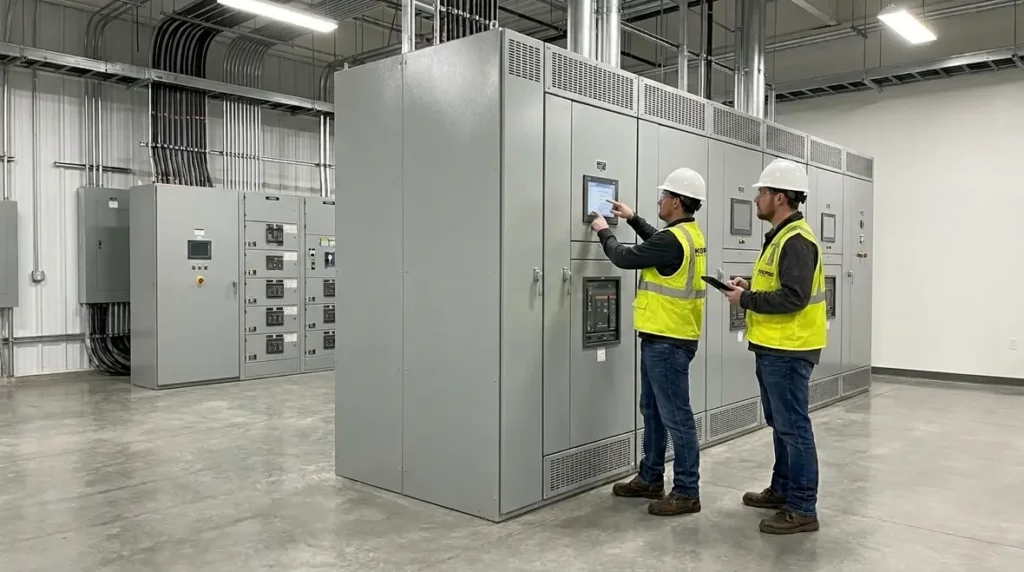
First, we begin where problems usually grow quietly: incoming feeders, switchgear, and bus systems. Our technicians examine terminations, inspect mechanical alignment, and confirm that protective devices match the expected load and fault levels. Then we verify that labeling and ratings match what the building actually uses, not what the paperwork says from a decade ago. When teams skip this, they often discover the mismatch during a planned shutdown, which is the electrical version of finding out your smoke detector battery died yesterday. Not ideal.
Next, we evaluate current paths and insulation condition. We also check for signs of heat stress around bus bars and connections. Since industrial electrical distribution systems cycle every day, the “small” issues matter. Heat and looseness build over time, and even when nothing trips immediately, the system can drift toward unsafe operation.
During this phase, our expert service staff explains what we see and what it could mean for operational risk. We do not just report a number; we connect it to real site behavior, like why a breaker might nuisance trip or why a specific section could become a performance bottleneck.
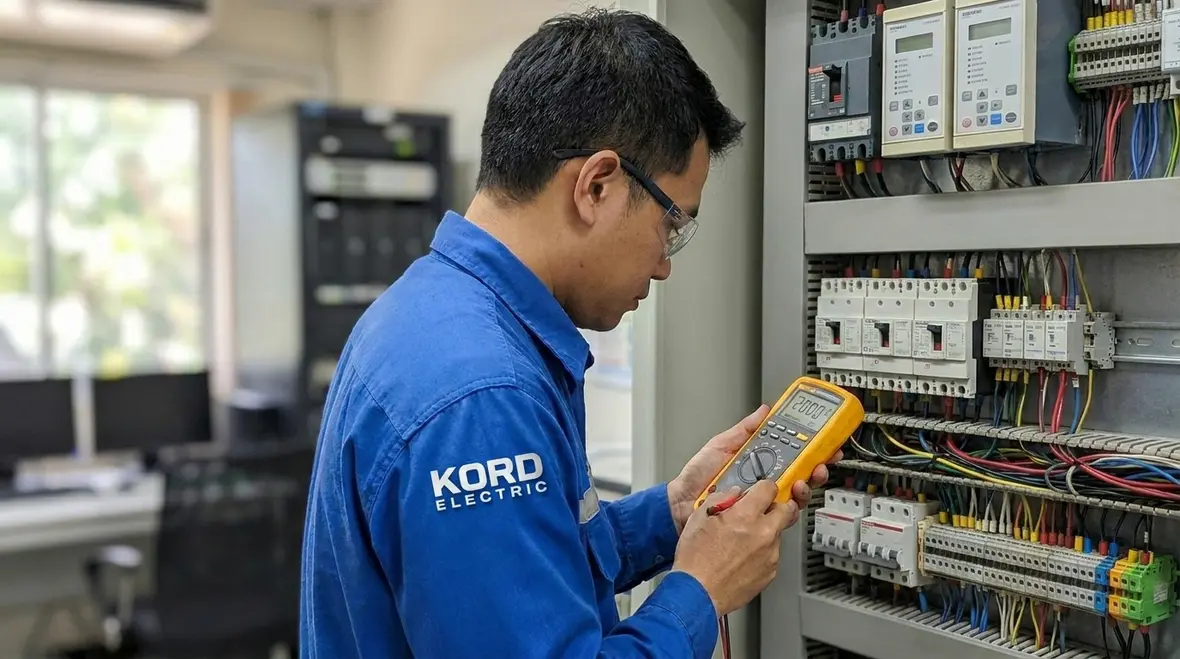
In many commercial and industrial facilities, this is also the stage where we identify underlying issues tied to voltage stability, panel capacity, or aging gear that has quietly slipped past its intended lifespan. When we uncover those early, your team gets options: upgrade, phase replacements, or plan targeted repairs instead of reacting to surprise failures in the middle of busy production hours.
Protective device coordination and fault clearing you can trust
Then we move to the protection layer, because it is the difference between a controlled fault and a prolonged outage. Our team checks coordination among breakers, fuses, relays, and upstream devices. We confirm that when a fault occurs, the system isolates the correct section quickly and safely. If protection settings drift out of alignment, the result can be extended exposure to abnormal currents, damaged equipment, and harder recovery.
We also validate that interrupting ratings and trip characteristics fit the actual system design. In industrial settings, the goal is selectivity. That means only the smallest needed portion trips. In plain terms, we aim to keep one circuit from knocking out the entire production line, because nobody wants downtime that feels like a bad sitcom plot. The characters act surprised every episode, and the viewer already knows what is coming. Your facility should not operate like that.
In addition, we inspect lockout and labeling practices around distribution panels. We find that better procedures reduce risk during maintenance, tenant work, and panel access. We provide practical recommendations so operations teams can execute safely with less guesswork.
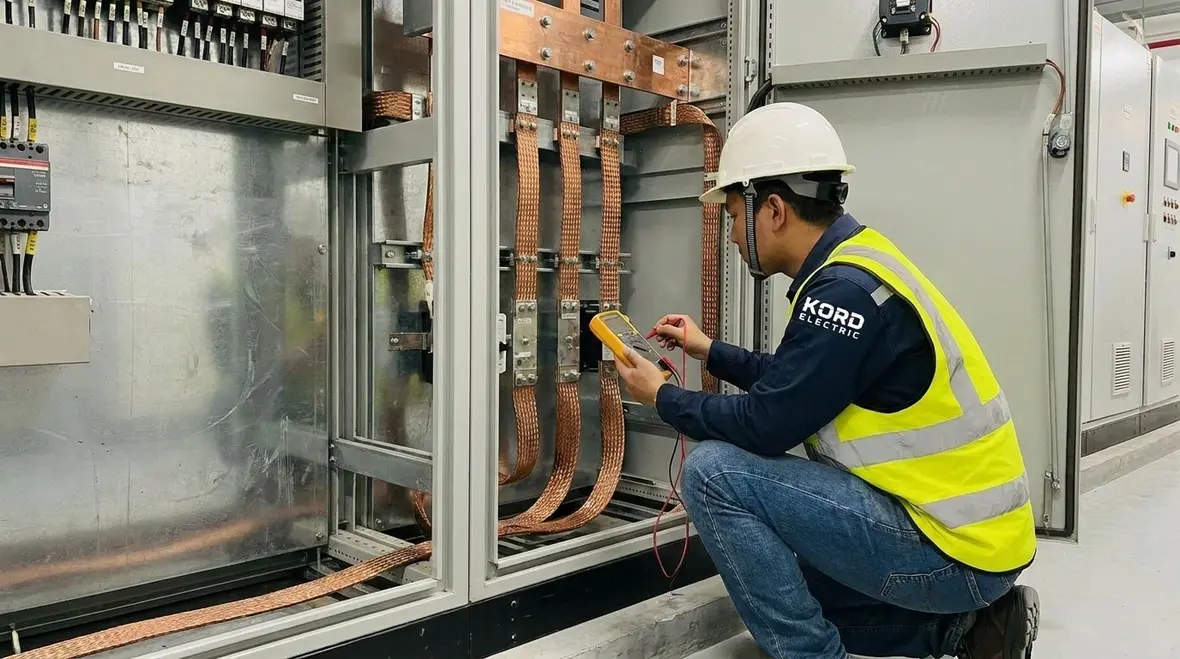
When needed, we also tie this coordination work back to your broader electrical preventive maintenance strategy. That way, your facility does not just set protection once and forget it; instead, protection settings, studies, and field observations become part of a living document that changes as your building’s loads and equipment evolve.
Inspections that focus on grounding, bonding, and shock risk
After we confirm protection, we focus on grounding and bonding. This is where many facilities get complacent, not because they do not care, but because ground systems can look fine until conditions change. We inspect bonding paths for continuity and verify that grounding points meet the intended design. We also check that metallic parts that should be bonded are, in fact, bonded. This protects people and it protects equipment from stray voltages and fault stress.
Furthermore, we assess how the system behaves under abnormal conditions. Grounding affects fault current return paths, and it influences how protective devices sense and clear a fault. When grounding is weak or missing, the system can fail in ways that are hard to detect during routine operation. So we do not rely on “it has always worked.” We verify.
Our technicians take time to explain to facility managers and electrical supervisors how these checks connect to safety outcomes they can feel on site. We translate the technical details into practical actions, so the next maintenance cycle does not become a mystery novel.

In larger properties with multiple tenants or mixed-use industrial operations, clear grounding and bonding practices also support compliance and inspection readiness. Documented pathways, labeled grounding conductors, and accessible bonding points make it easier for your teams, inspectors, and future contractors to understand exactly how your system returns fault current and keeps occupants protected.
Thermal and mechanical safety checks before a small issue becomes downtime
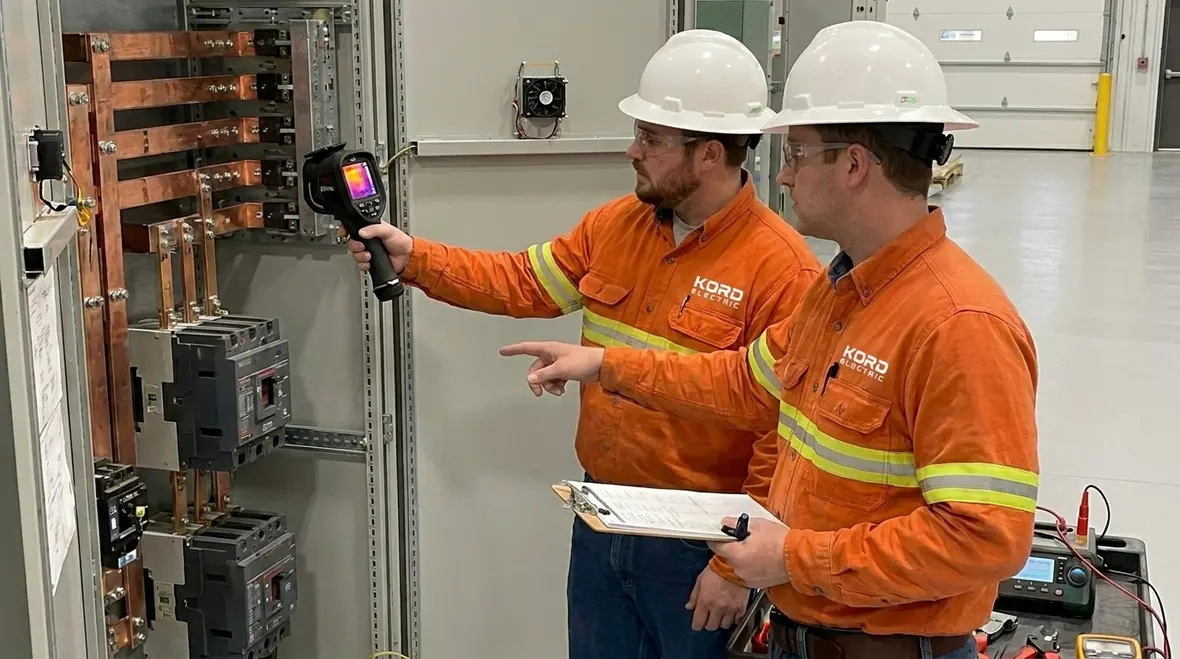
Now we address the physical reality of distribution systems: heat, vibration, and wear. Even when electrical readings seem acceptable, loosened connections can generate localized hot spots. So we inspect mechanical integrity at terminations and bus connections, then we review heat indicators and abnormal wear patterns. If something shows early signs of overheating, we treat it as urgent even if the system has not tripped yet.
We also look at how the equipment environment affects safety. Dust, moisture, airflow restriction, and corrosive conditions can shift performance. Industrial electrical distribution safety check work includes evaluating enclosures and ventilation pathways. We verify that barriers remain in place, that covers are secure, and that the equipment remains protected from the site conditions it faces daily.
At this stage, we recommend targeted maintenance rather than blanket shutdowns. We plan work so facilities can keep production and operations steady. And if a shutdown is necessary, we help coordinate timing and documentation so the work stays controlled.
For many facilities, this kind of thermal and mechanical inspection naturally connects with broader preventive maintenance programs that include infrared scanning, torque checks, cleaning, and performance testing. When the same provider handles both the industrial electrical distribution safety check and ongoing maintenance, your site benefits from consistent records and a team that already understands your systems.
Verification for evolving loads, including EV charging infrastructure
Industrial and commercial buildings keep changing. New equipment arrives. Production lines expand. Logistics teams add fleet charging. And when those loads grow, distribution systems must stay safe and capable. This is why we connect our safety work to the real operational future of the site.
For example, when Kord Electric installs EV charger systems for commercial and industrial properties, we treat the power impact as a safety and reliability project, not just an equipment swap. Our technicians plan and verify electrical capacity so the distribution system can support the chargers without stress. We assess panel space, conductor sizing, protective device compatibility, and load behavior so the system stays within safe operating limits.
Then we explain the process in plain language. Our expert service staff walks stakeholders through how we confirm wiring paths, how we ensure safe installation practices, and how we document the work for future maintenance. Because when your facility adds EV charging, it should feel like progress, not like rolling dice with your uptime. And yes, nobody should gamble with distribution equipment unless they are playing poker, and even then, we recommend following the rules.
Ultimately, EV charging adds long-term duty to the electrical system. So we align commissioning and ongoing safety verification with that expanded load profile, using practical steps your team can follow later. If your facility is considering EV infrastructure, you can also review Kord Electric’s dedicated EV charger installation services, which focus on safe capacity planning, proper distribution tie-ins, and code-compliant installation across commercial and industrial properties.
This combination of capacity analysis, industrial electrical distribution safety check work, and dedicated EV charger installation support gives your site a clear roadmap from first charger to full-scale fleet or tenant charging, without overloading panels or leaving your operators guessing about long term reliability.
Commissioning, documentation, and ongoing safety checks that staff can follow
After field work, we complete commissioning and documentation so the site does not lose visibility after the crew packs up. We review test results, confirm that the system matches design intent, and verify safe operation. Then we provide records that support inspections, maintenance planning, and compliance needs for commercial and industrial facilities and major property buildings.
We also recommend a schedule for ongoing verification based on load, operating environment, and equipment age. Since industrial systems change over time, periodic checks help spot drift early. That reduces the chances of finding issues during emergencies, when decisions get rushed and options shrink.
Additionally, we train facility teams on what to watch for. Our technicians and expert service staff explain common signs like recurring breaker nuisance trips, unusual heat patterns, or labels that no longer match the field reality. When staff members can spot early warning cues, they reduce risk before it becomes visible damage.
So the industrial electrical distribution safety check does not end when the work is done. It becomes part of a repeatable safety process built for how your site actually runs, and it connects directly to services like electrical preventive maintenance, voltage stability solutions, and commercial power diagnostics that keep your infrastructure aligned with real-world demand.
Featured snippet FAQ
What does an industrial electrical distribution safety check include?
It typically covers switchgear and feeder inspection, protective device coordination checks, grounding and bonding verification, and thermal or mechanical review to reduce shock and fault risk.
How often should we run safety checks?
Many commercial and industrial sites benefit from periodic verification based on load growth, equipment age, and environment. Kord Electric helps set a schedule that fits operations.
Can these checks reduce downtime?
Yes. When teams find heat stress, loose connections, or coordination drift early, they fix issues before they cause outages or equipment damage.
Do you support EV charging for major properties?
Yes. We handle commercial and industrial EV charger installations with power planning and safety-focused verification that accounts for distribution capacity.
How we wrap up and what your facility should do next
If you run a commercial or industrial facility, you cannot afford electrical uncertainty. Kord Electric brings a calm, disciplined approach to safety work, with our technicians and expert service staff verifying distribution systems before faults, heat stress, or grounding issues create real risk. If your site is due for verification, load growth, or an EV charging upgrade, contact us for a site review and a clear plan. We help you keep power reliable, people protected, and operations moving. Call Kord Electric today.
To keep that momentum going, you can pair your next industrial electrical distribution safety check with structured electrical preventive maintenance and targeted services such as voltage fluctuation diagnostics, recessed lighting optimization, or EV charger installation. That combination gives your property a long term roadmap for stability instead of a patchwork of short term fixes.
Whether you manage a single major property or an entire portfolio of industrial and commercial buildings, now is the right time to turn a one time safety review into a repeatable standard. Start with a focused safety check, then build out a plan that keeps power distribution safe, documented, and ready for whatever your operation adds next.
If you are planning an upgrade that touches core power systems, such as a panel modernization, large scale lighting retrofit, or a new equipment line, consider scheduling a safety check before and after the work. That way, you confirm your infrastructure is ready, validate the finished installation, and give your team clean, up-to-date documentation for inspectors and insurers.