
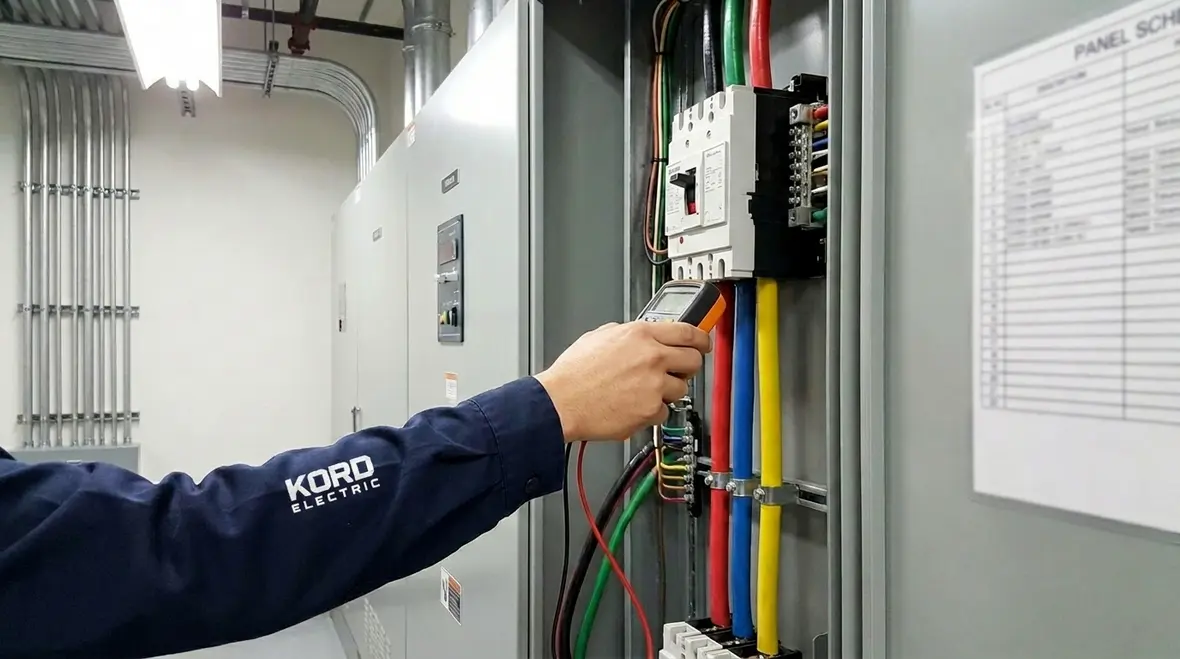
Industrial Electrical Load Balancing Services
Industrial Electrical Load Balancing: The Smart Way to Keep Power Steady
At Kord Electric, we focus on industrial electrical load balancing so commercial and industrial facilities can run smoother, cooler, and with fewer surprises. We see it every day: a plant adds new equipment, a building expands a floor, schedules shift, and suddenly the electrical system stops behaving like it used to. Then heat rises, breakers trip more often, and maintenance calls start multiplying like leftover holiday food. Fortunately, we optimize the distribution of electrical demand across phases and feeders so the system works closer to its design limits.
Our technicians and experienced service staff explain what is happening, why it matters, and how to fix it without guesswork. After all, nobody wants to troubleshoot by vibes. We build practical plans based on real measurements, good controls, and preventive maintenance.
Why unbalanced loads cost facilities real money
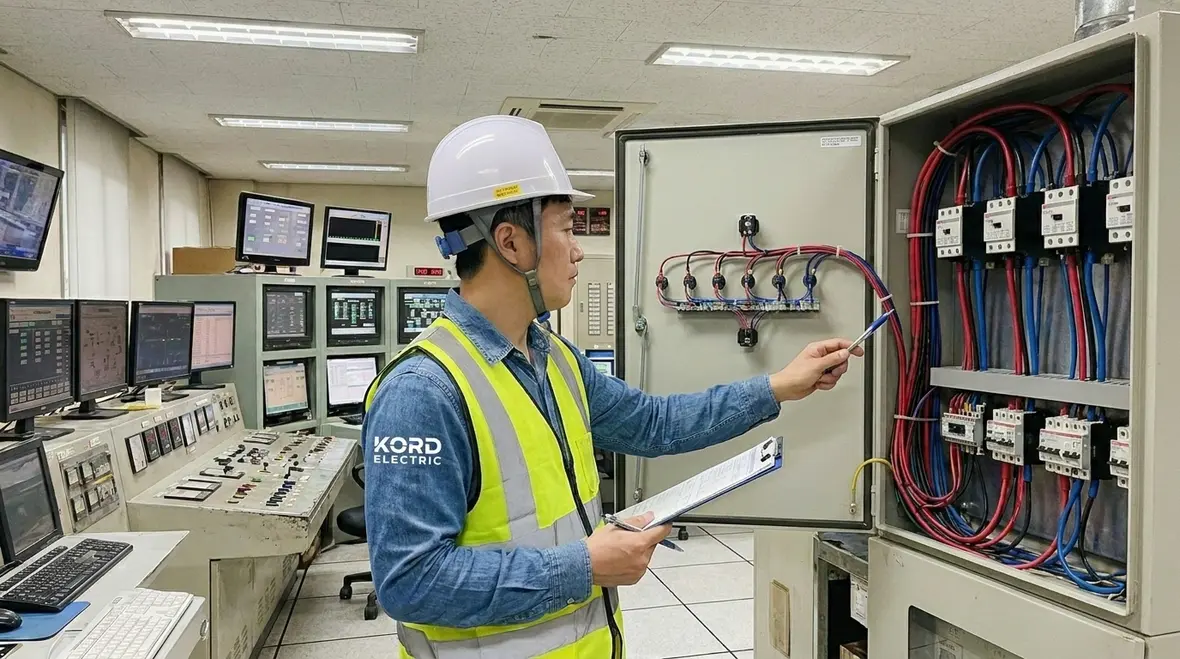
When a three phase system runs with uneven current, the imbalance can create extra heat in cables, busbars, transformers, and motors. In the real world, that means shortened equipment life and more frequent nuisance trips. Furthermore, voltage drop and harmonics can worsen if the load is not distributed correctly. In other words, the electrical system can look “mostly fine” until it isn’t.
Many facilities also notice symptoms that seem unrelated. For example, operators might blame a motor stall, but the root cause could be poor phase loading and marginal voltage conditions. Meanwhile, electricians may replace parts, yet the problem returns because the distribution never changed. As a result, the facility pays twice: once for downtime, and again for maintenance that should have been preventable.
In addition, unbalanced loads can increase losses in transformers and raise operating temperatures. Higher temperatures reduce insulation strength over time. Therefore, load balancing becomes not just an efficiency move, but a reliability strategy. At Kord Electric, we treat it like we treat everything else: with a plan, measurements, and clear next steps.

How we approach industrial electrical load balancing for maximum efficiency
Before we make adjustments, we gather data. First, our team reviews one line diagrams, equipment ratings, and load patterns. Next, we measure current on each phase at relevant panels, motor control centers, and feeders. Then we compare results to design expectations and operating schedules. This is where industrial electrical load balancing starts to become practical rather than theoretical.
We also look beyond simple phase currents. For example, we check whether certain circuits consistently pull more load due to process timing, occupancy patterns, or controls. We confirm if loads are truly similar in nature, because “it is on the same panel” does not always mean “it is balanced.” Sometimes the issue comes from a few heavy single phase loads connected to one leg, while other legs carry lighter loads for long periods.
After we find the imbalance, we map options. We can redistribute branch circuits, rebalance loads across feeders, adjust breaker usage, and coordinate with any transfer or control systems that affect load behavior. Importantly, we plan the work so production stays safe. We also document changes so your staff can see what we did and why. Our technicians explain each step, so others do not repeat guesswork later.
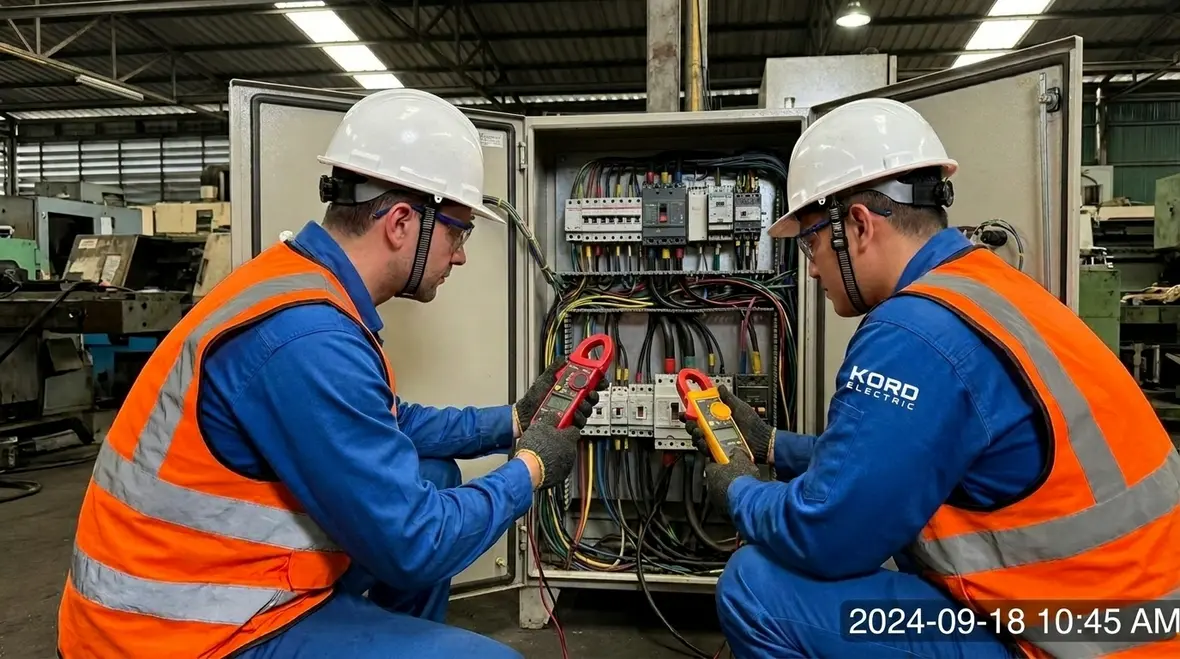
Preventive maintenance that keeps balance from drifting
Even a well balanced system can drift over time. New equipment gets added, shift schedules change, and contractors plug in devices that were not part of the original plan. That is why we support balance with preventive maintenance rather than one-time “fixes.” If it sounds like we are being dramatic, well, the electrical system has been dramatic since day one.
Our preventive maintenance program is built to catch early warning signs and address them before they become outages. We follow the principles described in our electrical preventive maintenance approach, including regular inspections, thermal checks, and targeted testing to identify conditions that raise risk. Our team also focuses on the details that other people skip, such as verifying connections, checking breaker operation, and confirming that protective devices still match the load behavior.
Crucially, preventive maintenance helps maintain efficiency. Clean, tight connections reduce heat. Proper settings protect equipment. Stable loading reduces losses. Additionally, planned work times reduce downtime and prevent emergency repairs. If your facility wants electrical performance that stays strong, you need a program that keeps watching the system as it changes.

Measurements, inspections, and documentation that stand up in the field
Load balancing depends on evidence, not hope. We use measurements to quantify current imbalance, voltage levels, and trends. Then we confirm what the numbers mean in your specific environment. Because every facility has its own rhythm, we align our findings with your operating reality.
Our technicians perform inspections in a way that supports real decisions. They inspect panels, busbars, and terminations, and they verify that phase conductors and connections remain in good condition. Also, they look for signs of overheating or wear that could turn a balancing effort into a false win. After that, we document results, so facility managers and maintenance teams can track improvements and understand remaining risk.
And when the facility needs to plan future upgrades, we provide guidance that helps prevent rebalancing surprises. For example, when new process lines arrive, we help route circuits in ways that support balanced operation from the first install. In that sense, load balancing becomes a design input, not a rescue mission after the fact.
Real steps for commercial and industrial buildings
Facilities do not fail all at once. They fail in stages, usually after the tenth “small change” nobody logged. So we build a step by step method that works for commercial and industrial facilities and major property buildings.
Step 1: Identify the imbalance sources
We find the circuits and equipment pulling the most load on each phase. Then we group similar loads and confirm if any single phase areas dominate the overall balance.
Step 2: Rebalance at the right level
We redistribute loads across phases within panels and across feeders when appropriate. We coordinate with equipment that must remain on specific control schemes.
Step 3: Verify after changes
After adjustments, we remeasure currents and check voltage conditions. This step matters because wiring changes can shift the system in unexpected ways.
Step 4: Lock it in with maintenance
We align the balancing plan with preventive maintenance so changes do not fade. We also help the team track what gets changed later, so the next contractor does not undo the progress.
As for jokes, here is one that every facilities manager understands: if you do not track load changes, the electrical system will keep a diary, and it will not be kind. We help you write the next pages in a better way.
FAQ: Industrial electrical load balancing for stable power
Why Kord Electric is the partner that keeps your power dependable
When your facility runs production schedules, tenant comfort, or critical processes, you cannot treat electrical load problems as a hobby. Kord Electric helps commercial and industrial sites optimize power distribution through field measurements, careful rebalancing, and preventive maintenance that prevents drift. Our technicians explain what they find, the risks they see, and the solutions that actually hold up after the work is done. If you want stable power and fewer disruptions, contact us today for an assessment and a clear plan forward.
If your facility is already dealing with inconsistent power or sensitive equipment, explore how our dedicated voltage fluctuation services for commercial and industrial facilities align with industrial electrical load balancing to keep systems stable end to end.
What we do next
Call Kord Electric to schedule an electrical assessment for your facility. We will review your system, collect key measurements, and recommend industrial electrical load balancing actions that match your operating needs. Then we tie those actions into preventive maintenance, so performance stays consistent as equipment and schedules change. Let’s reduce surprise trips, protect motors and transformers, and keep your electrical system running like it means it. Reach out now, and we will take it from there.
For facilities that need fast support when issues escalate unexpectedly, our dedicated emergency electrical services provide 24/7 response that pairs well with ongoing industrial electrical load balancing and preventive maintenance programs.


