Warehouse Smart Lighting ROI Guide and Payback
Smart Lighting ROI in Warehouses: the number that makes upgrades feel real
A smart lighting upgrade is often sold as a “future-ready” idea, but we at Kord Electric prefer the part that actually matters: the warehouse smart lighting ROI. When we calculate it, we help our clients see how reduced energy use, fewer maintenance calls, and better control of light levels can turn new fixtures and controls into measurable savings. In other words, we stop the guessing and start the math. Of course, the math has to match the reality of your site, because no two warehouses behave the same way. Still, once you map your lighting hours, your tariff costs, and your current maintenance patterns, the savings story usually starts writing itself. And if it does not, we say so. We are professionals, not fortune tellers.
Step by step: how we calculate warehouse smart lighting ROI
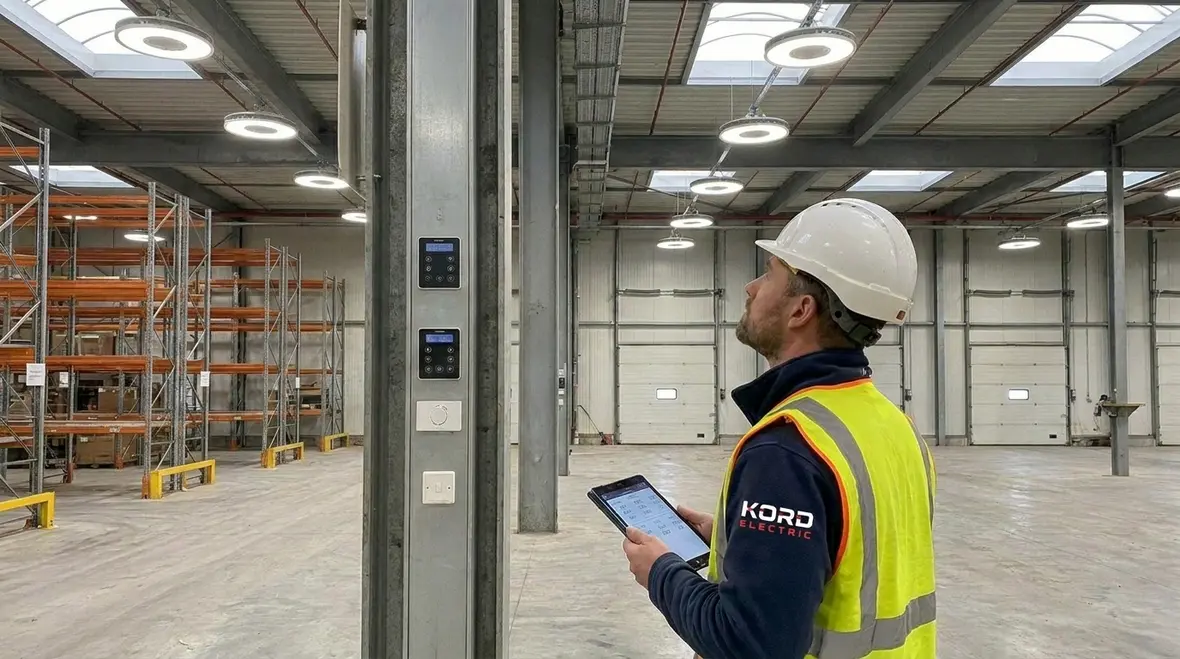
To calculate ROI, we start with three buckets: cost, savings, and performance. First, we list the project costs, including fixtures, controls, installation, and any needed panel or wiring work. Then we estimate savings, using your utility bills and your actual lighting schedule. Finally, we validate performance, so the new system delivers the results you expect, not the brochure you want.
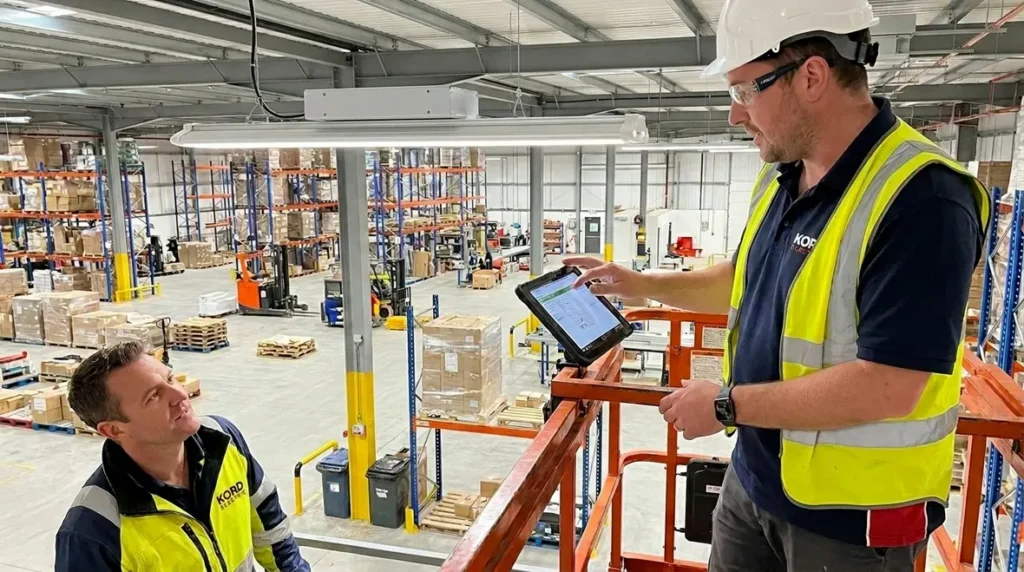
Our technicians and expert service staff explain the process while they work, and we do not hide behind jargon. For example, we help you break down energy savings into two parts: reduced power draw and smarter dimming or scheduling. Next, we estimate maintenance savings by looking at your current lamp failure rates and labor frequency. Then we add in operational benefits that carry a value, such as fewer disruptions and more consistent light levels in working areas.
At this point, we usually see a pattern. If your warehouse lights run too long, stay too bright when they do not need to, or have frequent failures, the ROI accelerates. And yes, warehouses can look like they are trying to land a plane at midnight. Smart controls help stop that.
What we measure in your warehouse before we size the savings
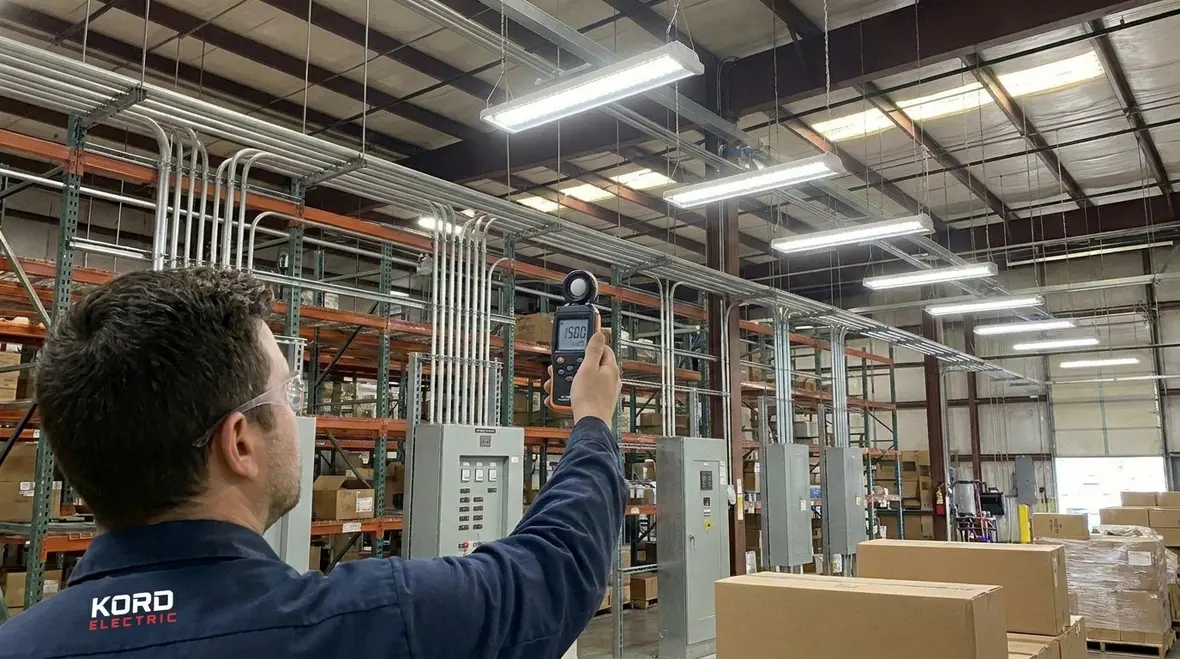
We do not rely on average numbers when we support commercial and industrial facilities. Instead, we measure what your building actually does. So, we collect the basics: lighting type, fixture count, current wattage, and control method. Then we review how the space operates, including night shifts, seasonal changes, and special work zones like loading docks and pick areas.
We also map “behavior,” because warehouse lighting often has zones that act differently. Dock doors may open and close often, production lines may run in set cycles, and aisle lighting may stay on even when sections sit idle. Therefore, we evaluate occupancy patterns and daylight contribution where applicable. Where you get natural light, we can use daylight sensing to dim artificial output. Where you do not, we focus on scheduling and occupancy control.
Now we bring in the human side. Our expert service staff talks with facility managers about pain points they already feel every week: burnt lamps, inconsistent brightness, and the time it takes to find the right tech for the right problem. That input matters because it affects both the savings estimate and the payback timeline.
Energy savings: the math behind dimming, zoning, and schedules
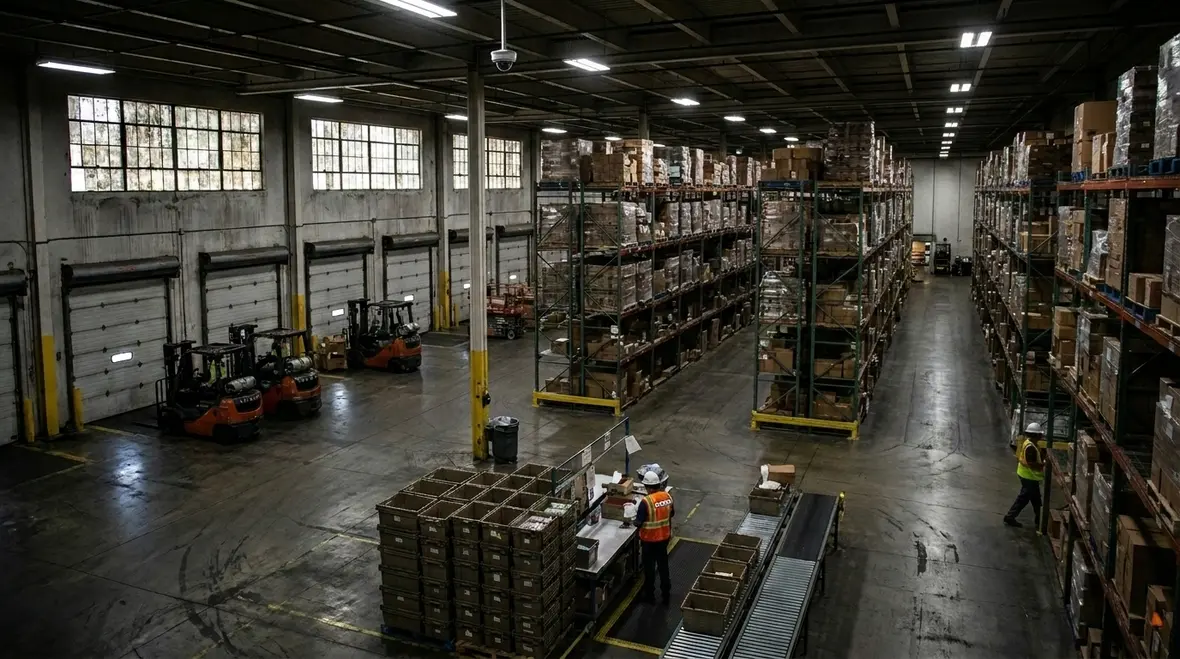
Energy savings usually drive the biggest chunk of the warehouse smart lighting ROI. So we model wattage reduction and operating hours, then we adjust for control strategy.
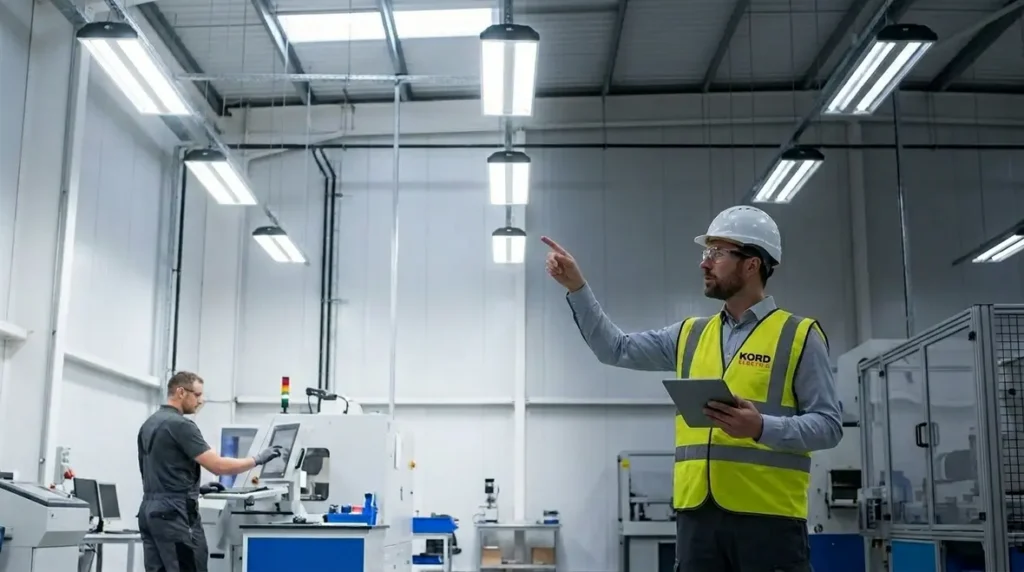
In a typical upgrade, the new lighting system uses LEDs with lower power draw. However, the real gains come when we reduce how long and how bright the lights run. For instance, we can install zoning controls that separate offices from aisles, storage from pick areas, and docks from main production spaces. Then the system can dim or switch based on time schedules and occupancy.
We also account for control smoothness. If you dim lights too aggressively, workers may push for higher levels. If we dim too lightly, the savings shrink. Therefore, our technicians help set targets that support visibility and safety while still reducing energy use.
To keep the numbers honest, we compare your current run profile to the new one. Then we apply a conservative savings rate where data is uncertain. In business, “optimistic” can mean “surprise later.” We prefer “predictable.”
Maintenance savings and reliability: fewer calls, faster fixes
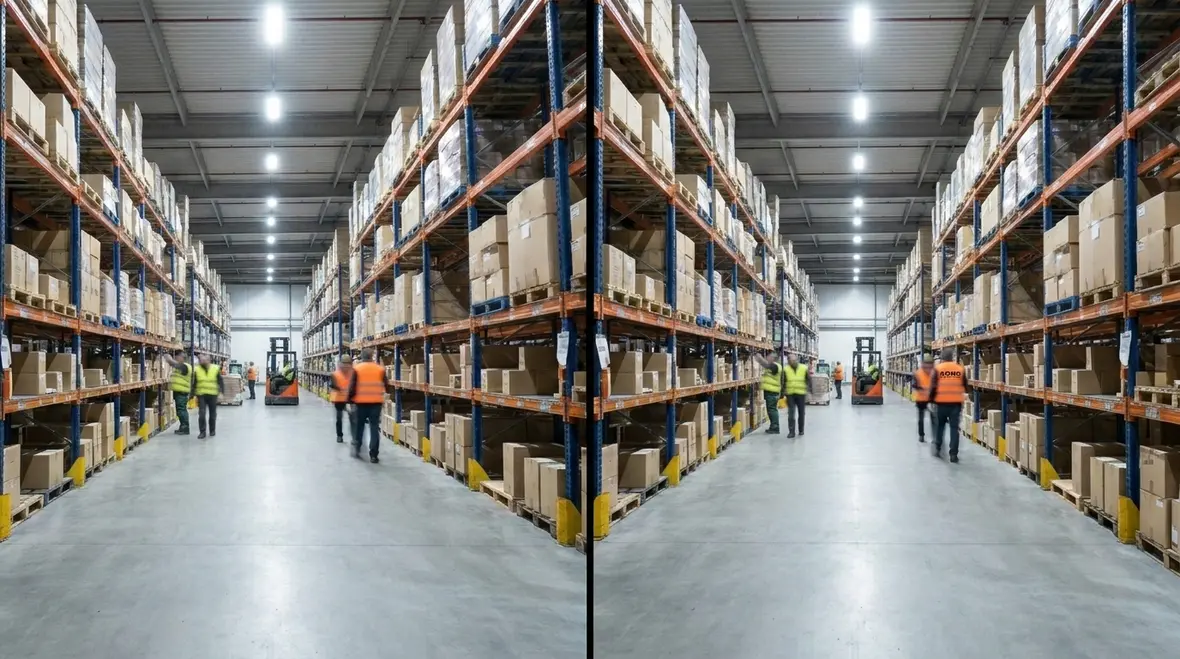
Maintenance often hides in the shadows, but it can move the payback date. When lights fail in a warehouse, you lose uptime, and you also lose time hunting down the right replacement part. We track your current maintenance pattern and we estimate what changes after the upgrade.
LED fixtures generally reduce lamp replacement cycles. Additionally, smart lighting controls can shorten trouble time by helping identify issues earlier. For major property buildings and commercial sites, this means fewer emergency visits and less downtime when a system drifts out of spec.
We also support a preventive approach, which aligns with our electrical preventive maintenance approach. As outlined in our dedicated service offering, we do not treat electrical health like a game of chance. We plan checks, we spot issues early, and we protect the systems that keep your operations running. In other words, we help you catch the problems before they turn into the kind of “we need you now” call that ruins everyone’s day. And nobody wants that. Not the electricians, not the supervisors, not the employees stuck in a dim aisle.
For teams that want a deeper look at structured maintenance, our electrical preventive maintenance service details how planned inspections, testing, and documentation protect panels, lighting, and critical distribution equipment over the long term.
Include risk and incentives: real payback needs real assumptions
ROI is not just a straight line from cost to savings. So we stress test the assumptions. First, we confirm whether your warehouse has stable utility rates or if they trend upward. Then we look at how long your building will keep the same operating schedule. A project built for a shift schedule that changes every month requires tighter planning.
We also consider risk factors. For example, if you have frequent operational reconfigurations, zoning might need adjustment. If your network requires upgrades, controls may demand extra coordination. We flag these early, and we plan so the implementation stays smooth.
If rebates or incentives apply, we include them, but we verify requirements. We do not use “maybe money.” In addition, we include the cost of controls commissioning and ongoing monitoring if your plan includes it. That way, the warehouse smart lighting ROI reflects a full operating life, not just the first few months.
Transitionally, once the assumptions hold, the payback becomes clearer. And when the payback becomes clearer, leadership can make decisions without finger pointing. That is a win we all like.
Case-style example: how ROI plays out across a warehouse
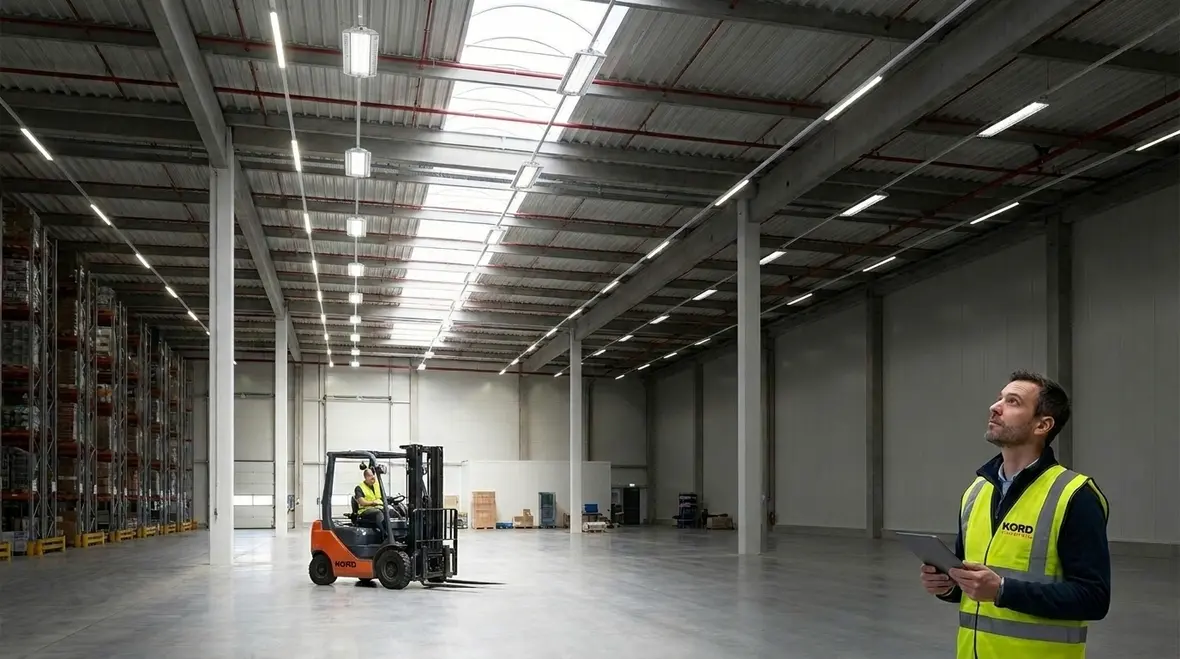
Consider a mid-sized industrial warehouse with high-bay lighting in production zones and more frequent switching in aisles. Under the current setup, the facility runs lights on fixed schedules and keeps many areas brighter than needed. Maintenance calls happen often due to failures and inconsistent output.
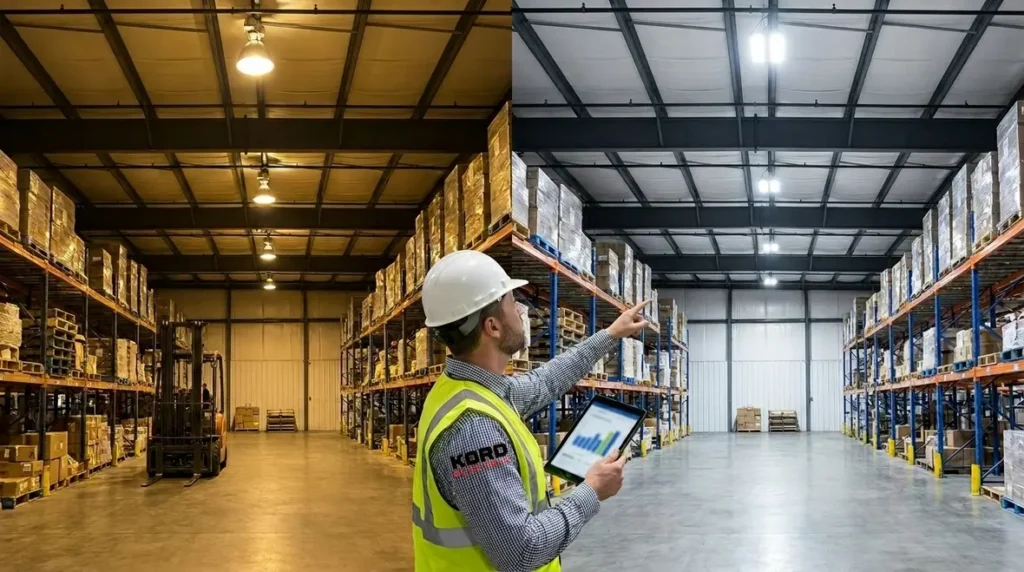
After we assess the site, we propose a layered control plan. We upgrade fixtures, then we add zoning for high traffic zones, dock areas, and storage sections. Occupancy and scheduling controls adjust outputs during shifts and reduce brightness during low activity periods. Where daylight supports operations near loading and perimeter walls, we use daylight sensing to prevent waste.
When we model results, energy savings come from both reduced wattage and reduced operating intensity. Maintenance savings show up as longer fixture life, fewer replacements, and faster detection through system diagnostics where available. Over time, the facility also gains steadier lighting levels, which helps reduce eye strain complaints and safety concerns.
Now, the payback depends on your baseline costs and hours. However, in real industrial environments, once controls align with how people and materials move, the savings typically land where we expect them. And again, if the numbers do not support it, we do not push. We protect your investment. We protect your uptime. We protect your sanity.
We support the whole electrical picture, not just the lights
Warehouses rely on more than lighting. They rely on power distribution, controls, and the systems that keep everything safe. Because of that, our team at Kord Electric supports commercial and industrial facilities with a preventive mindset. We connect the lighting upgrade to the broader electrical health of your building, so the upgrade does not create a new set of problems.
Our technicians and expert service staff coordinate installation details, verify components, and align with your operational requirements. Moreover, we guide you on follow-up checks so the system stays calibrated. If your organization already uses preventive maintenance schedules, we fit into that structure. If it does not, we help you build one.
And yes, we remind clients that controls and wiring need attention like any other electrical system. Ignoring that reality is how you end up with lights that behave like they are haunted. We prefer lights that behave like they are supposed to.
If you are mapping out a broader improvement plan, pairing smart lighting with services like commercial and industrial lighting installation and ongoing electrical maintenance creates a stronger long-term foundation for your facility.
FAQ: Smart lighting ROI and warehouse upgrades
Ready for a warehouse smart lighting ROI that stands up to scrutiny?
If you want a smart lighting plan that looks good in a pitch deck and works in the real world, we can help. Kord Electric evaluates your site, measures the details that affect savings, and helps you compute warehouse smart lighting ROI with clear assumptions. Then our technicians and expert service staff support the installation and preventive follow up, so the system stays reliable. Reach out for a practical ROI review and a lighting upgrade plan made for commercial and industrial operations.
When you are ready to connect smart lighting with a broader facility strategy, our dedicated services—from electrical preventive maintenance to full-scale lighting installation services—help keep your warehouse efficient, compliant, and ready for what comes next.