Electrical Infrastructure Disaster Recovery Plan
Kord Electric helps commercial and industrial facilities prepare for shocks that do not politely ask permission first. We focus on electrical infrastructure disaster recovery, so a building can keep critical operations running when storms, fires, equipment failures, or grid interruptions hit hard. In this article, we explain how others can strengthen distribution, controls, and power continuity with practical steps that our technicians and expert service staff can walk you through. And yes, we promise this is not the “generic checklist” version of readiness. It is the kind of plan you actually want when reality shows up early, late, or both.
Why electrical infrastructure disaster recovery matters to commercial buildings
Commercial and industrial properties depend on power like a body depends on oxygen. When power quality drops or systems fail, operations do not just slow down. They stop, alarms start screaming, refrigeration warms, elevators pause, and critical processes go sideways. Therefore, resilient design does more than “avoid downtime.” It protects safety, data, inventory, and revenue.
Our expert service staff often hears the same story: “We have backup power, so we are fine.” Then the conversation gets real. The team learns that backup power only helps if loads are prioritized, transfer systems work under stress, and connections survive the event. Consequently, electrical infrastructure disaster recovery becomes a system plan, not a single purchase.
To keep it simple, Kord Electric builds readiness around three questions. What fails first? What must keep running? And what takes the longest to repair? When a facility answers those clearly, the rest becomes measurable.
How Kord Electric assesses risk and sets a recovery order
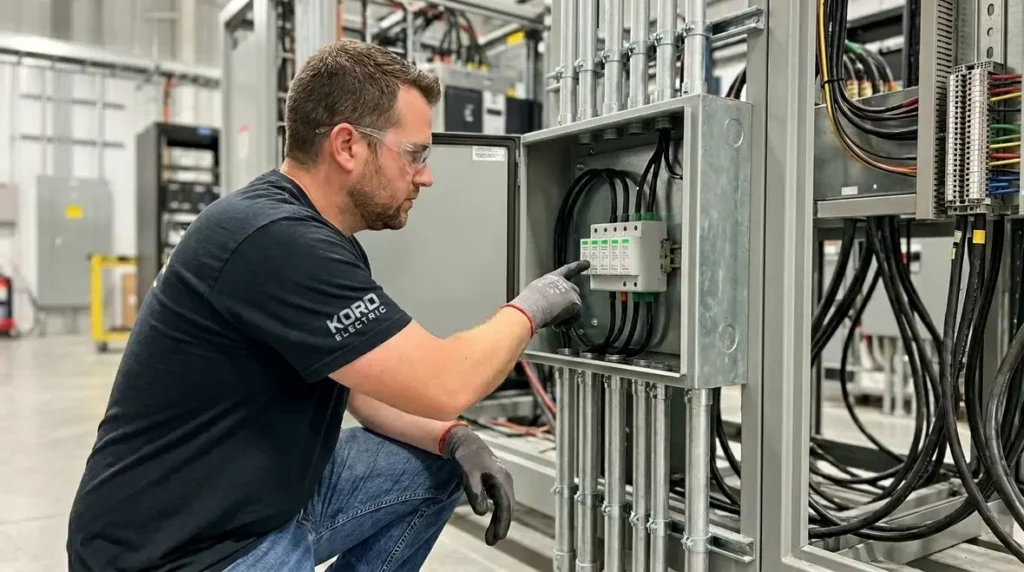
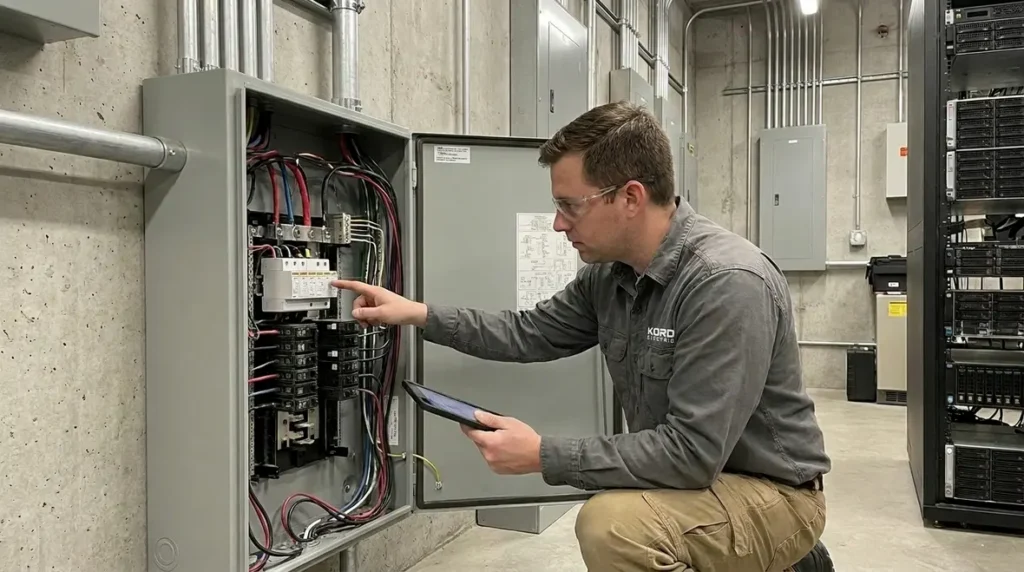
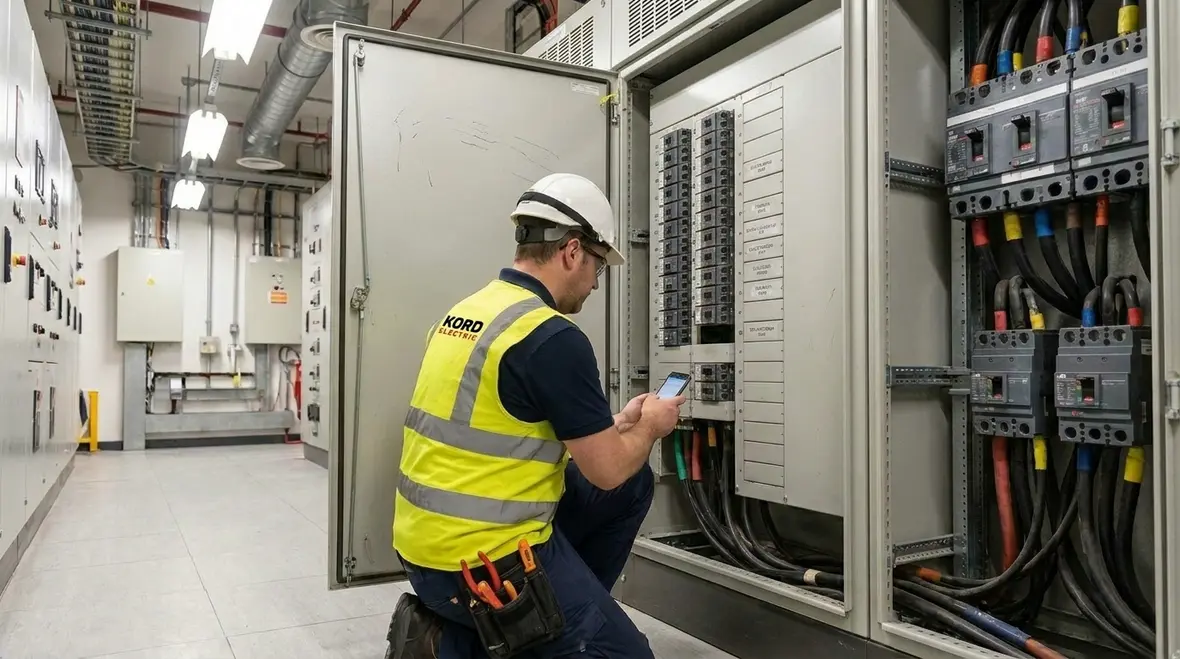
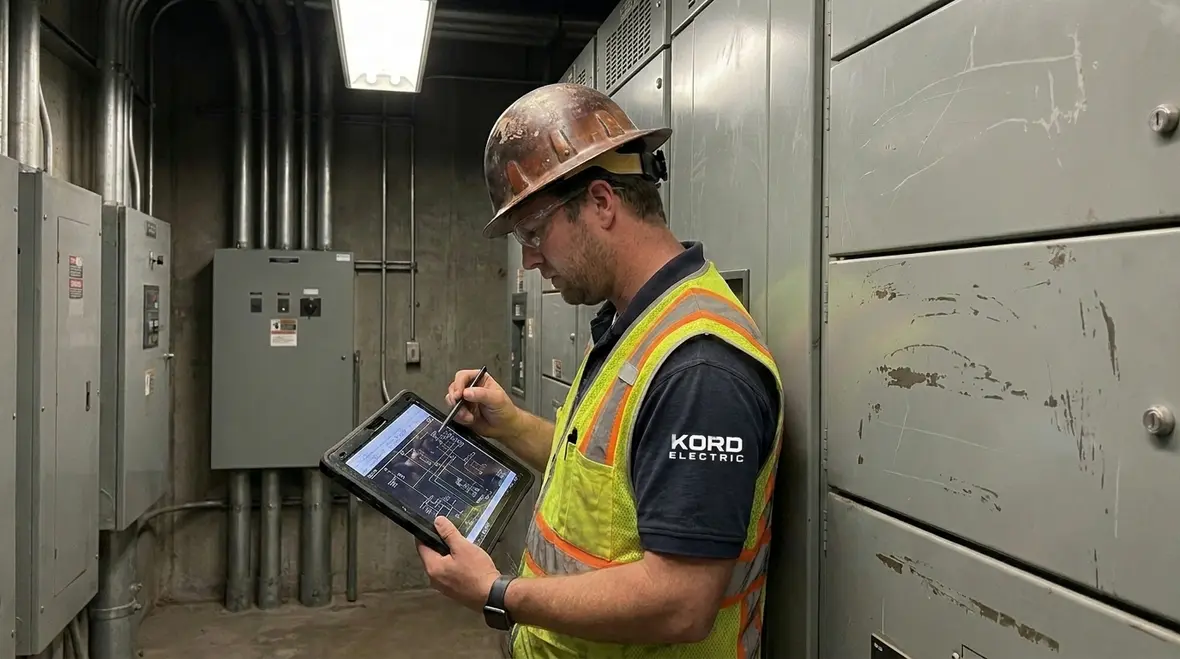
First, we do not guess. We assess. Our technicians begin with facility load review, one line diagrams, maintenance history, and the realities of your operation. Then we map that information to emergency needs such as life safety systems, process equipment, communications, access control, and HVAC strategies for occupied spaces.
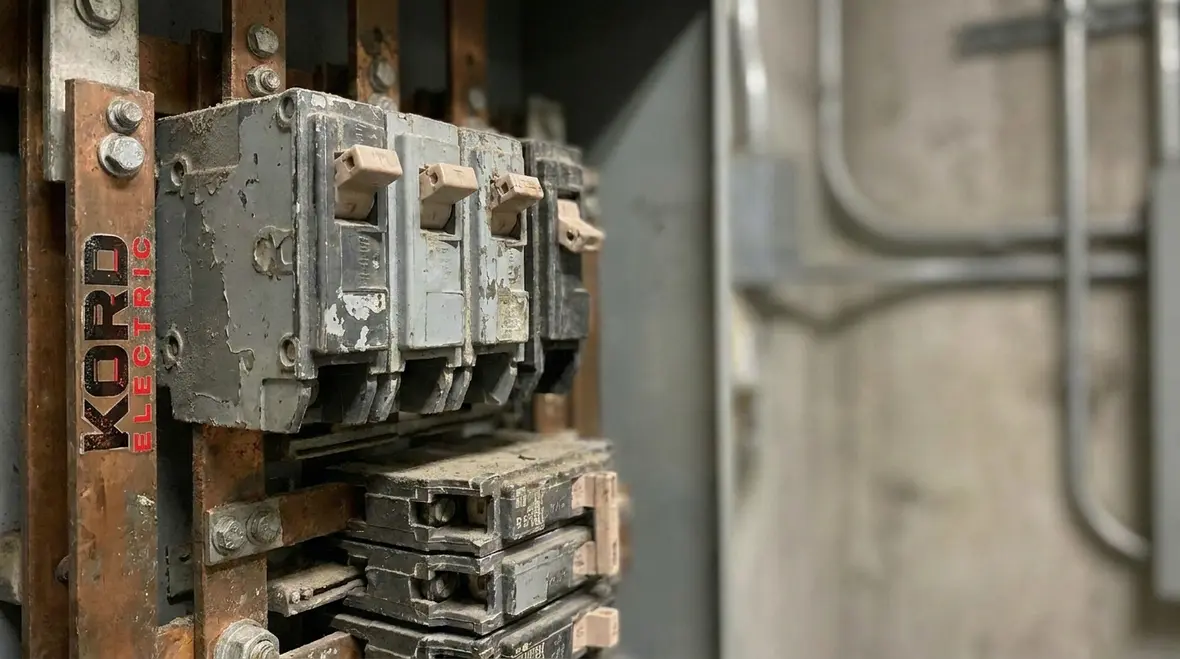
Next, we evaluate weak points. Corrosion, overheating, worn breakers, aging switchgear, poor grounding, outdated controls, and limited spare capacity often show up in the same places like recurring villains in a franchise movie. You might not see them until the plot thickens.
After that, Kord Electric helps clients set a recovery sequence. For example, we prioritize systems that stabilize the building, then sustain critical functions, then restore nonessential loads. This approach reduces generator oversizing, prevents nuisance trips, and improves the speed of return to normal operations.
Along the way, we document risk findings and align them with practical maintenance work so facilities can address the most important items first instead of getting lost in an endless punch list. That same disciplined mindset appears in our structured electrical preventive maintenance programs, where regular inspections, testing, and reporting help reduce surprise failures before they disrupt operations.
Designing resilient power distribution for steady operation
Resilient electrical infrastructure disaster recovery does not start at the generator. It starts earlier, at the distribution level. Kord Electric focuses on protecting the chain of power from utility service through switchgear, transformers, panels, and final circuits. When one segment fails, the plan isolates it and keeps other segments alive.
We often recommend a selective coordination strategy so protective devices trip in the right order, not all at once. Additionally, we review short circuit ratings and bus bracing assumptions for switchgear and panels, because the fault current does not care about your budget.
We also help clients improve reliability through redundancy where it counts. That could include parallel paths for critical loads, spare circuit capacity for quick restoration, and segmentation that supports safe isolation during repairs. Meanwhile, proper labeling, documented conductor schedules, and updated single line diagrams reduce confusion during high stress events.
And because reality loves chaos, we build plans that assume limited access to tools, partial staffing, and time pressure. So even the “quiet” parts, like surge protection, power quality monitoring, and grounding systems, matter for keeping equipment stable during disturbances. Many of the same principles show up when Kord Electric resolves voltage fluctuations in commercial and industrial facilities, where subtle instability can quietly damage equipment long before anyone sees obvious signs.
Backup power that actually carries the load
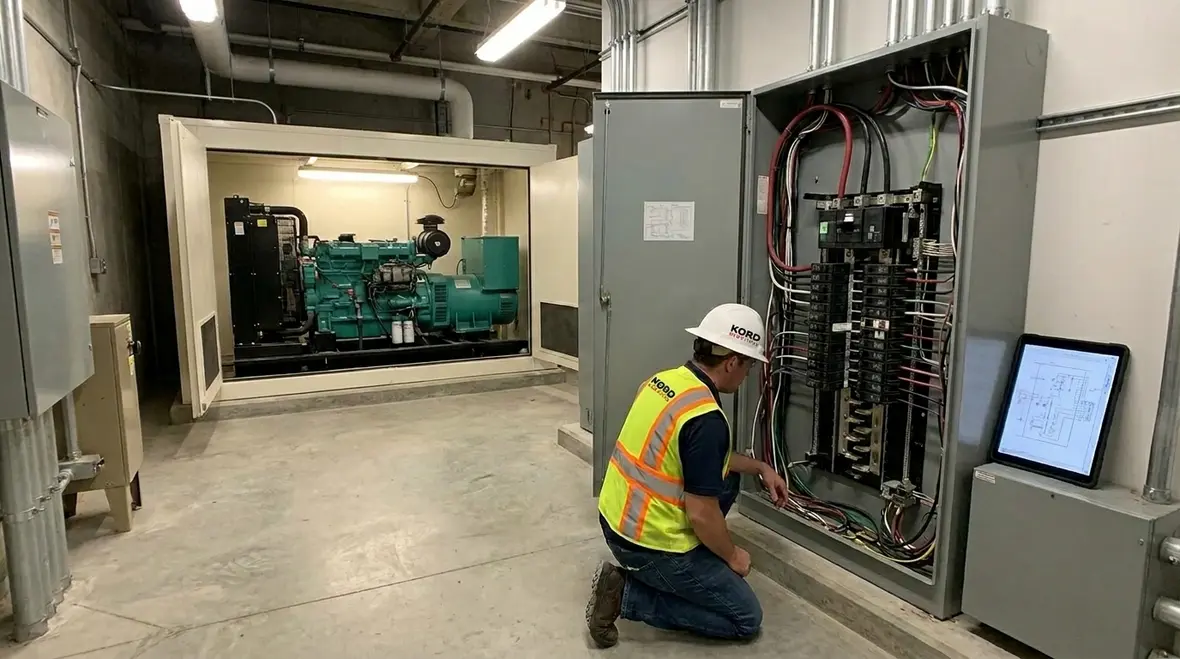
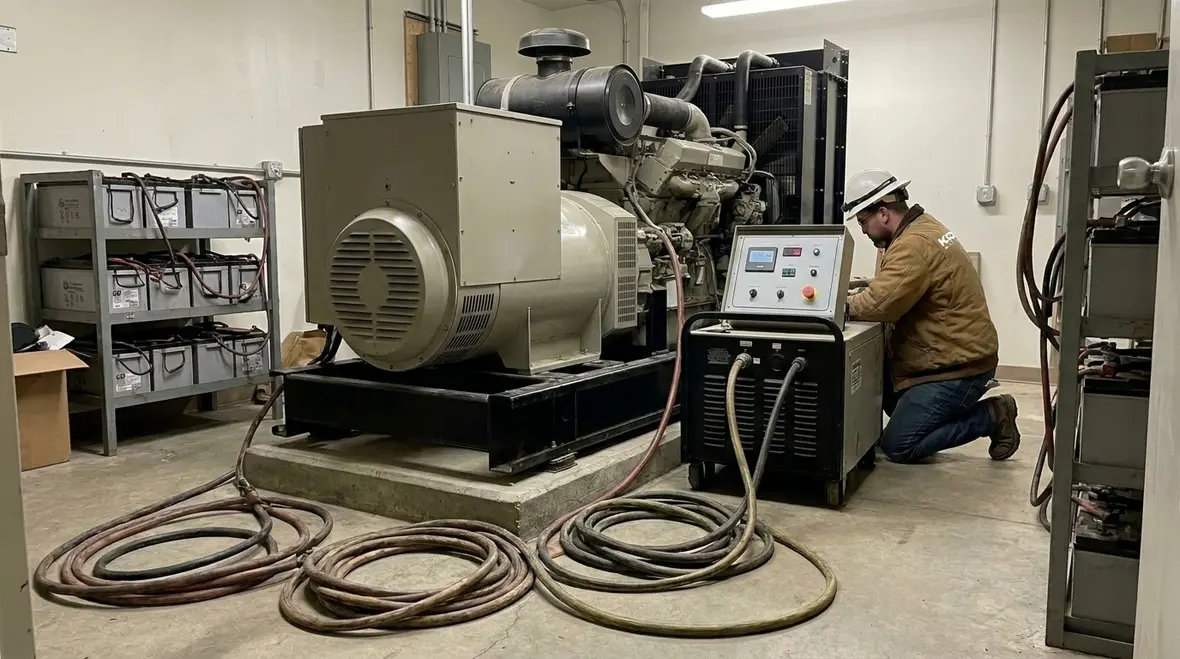
Many facilities install standby generators, but the real question is whether the generator system performs under the load it will see. Kord Electric helps clients validate that performance using a practical approach that our technicians and expert service staff can explain in plain language.
We review transfer equipment, interlocks, and load management. A transfer system that works during a test may still struggle during an emergency if timing, breaker coordination, or control wiring differs under real conditions. Therefore, we verify that critical loads receive power within expected timeframes.
Next, we look at controls and monitoring. Fuel quality, tank capacity, battery health, charger function, and shutdown settings determine how long and how smoothly the system runs. Likewise, load banks, test procedures, and documented run logs reduce surprises.
Finally, we recommend load prioritization so the facility does not overload the generator at startup. In short, Kord Electric helps others avoid the classic scenario: everything tries to start at once, and the generator responds like it just got asked to do too much before coffee.
For properties that want an even deeper layer of protection around outages, it often makes sense to connect disaster recovery planning with formal emergency electrical services. That way, the same team that helped build the plan can respond when an event exceeds internal resources, supporting faster stabilization and safer restoration.
Switchgear, controls, and protection systems that keep their nerve
When something goes wrong, protection systems must operate correctly and quickly. Kord Electric supports commercial and industrial facilities by strengthening the components that control fault detection, isolation, and restoration. That includes switchgear, protective relays, breaker mechanisms, and control wiring integrity.
Our technicians often find that failure risk hides in maintenance gaps. For example, breaker testing that stopped years ago can leave owners thinking a device will work when needed. However, mechanisms wear, contacts age, and settings drift. Consequently, scheduled inspections and testing become part of disaster recovery readiness, not just routine maintenance.
We also help clients confirm that control logic supports emergency operations. For instance, some facilities need specific sequences during generator operation, such as starting HVAC equipment in stages or shedding nonessential loads automatically. If controls cannot follow a plan, the building becomes a guessing game.
Where it fits, we guide clients toward power quality monitoring and event logging. These tools help identify root causes after disturbances and support faster troubleshooting. In the end, a good recovery plan reduces time spent searching and increases time spent restoring.
Testing, drills, and training for real world recovery readiness
Paper plans look great in binders. Yet when smoke or darkness hits, people move differently. Kord Electric helps clients run testing and drills so systems and staff perform together. Our expert service staff explains procedures clearly, so teams understand what to do before an emergency forces improvisation.
We typically coordinate tabletop exercises and functional tests. Tabletop exercises cover decision making, communication, safety steps, and recovery sequencing. Functional tests verify that equipment operates correctly with realistic loads and correct transfer behavior.
Additionally, we support documentation practices that teams can use during high stress events. That includes updated contact lists, service documentation, and clear roles for facility operators, electricians, and vendor support. Transition planning matters too, because restoration is not only about turning things on. It also includes verifying that systems return to a stable state.
To keep training engaging, we suggest simple improvements. For example, we encourage staff to practice explaining what is happening using short phrases. It sounds silly until you realize how often people talk in circles when the clock starts running.
These same habits support broader reliability goals beyond emergencies. Organizations that already invest in formal commercial and industrial electrical maintenance plans usually find that drills, reporting, and clear roles blend naturally into their everyday operations, making electrical infrastructure disaster recovery part of normal business discipline instead of a side project.
Dual column plan for readiness: what to do now and what to schedule
Immediate actions
- Confirm critical load list and recovery order for ongoing operations
- Review single line diagrams and label equipment for quick isolation
- Identify aging components and prioritize quick wins
- Check transfer interlocks and emergency control settings
Schedule and verify
- Perform generator and transfer testing under planned conditions
- Test breakers, protective relays, and control logic regularly
- Audit fuel readiness, battery health, and charger performance
- Run annual functional drills and after action reviews
Many of these steps overlap with ongoing service work, which is why structured programs like electrical preventive maintenance or targeted projects to address hidden electrical risks in commercial buildings can dramatically improve disaster recovery outcomes. When the everyday work is aligned with the emergency plan, facilities spend less time scrambling and more time executing.
FAQ about resilient electrical infrastructure and recovery planning
Conclusion: choose readiness now, not during the outage
When disaster hits, speed and clarity decide outcomes. Kord Electric helps commercial and industrial facilities strengthen resilient electrical infrastructure disaster recovery through risk assessment, distribution improvements, validated backup performance, and testing that your team can trust. If you want a plan that holds up when conditions get ugly, contact us. Others can buy equipment. We help you build readiness that runs your operation, protects your people, and keeps the lights doing their job. Call Kord Electric today to start a recovery-focused review.
If your facility is ready to move from “we have a generator somewhere” to a disciplined, tested plan, consider pairing this work with dedicated emergency electrical services. That combination connects everyday maintenance, structured planning, and 24/7 response, so your electrical infrastructure disaster recovery strategy is not just written down—it is ready to run when you need it most.