
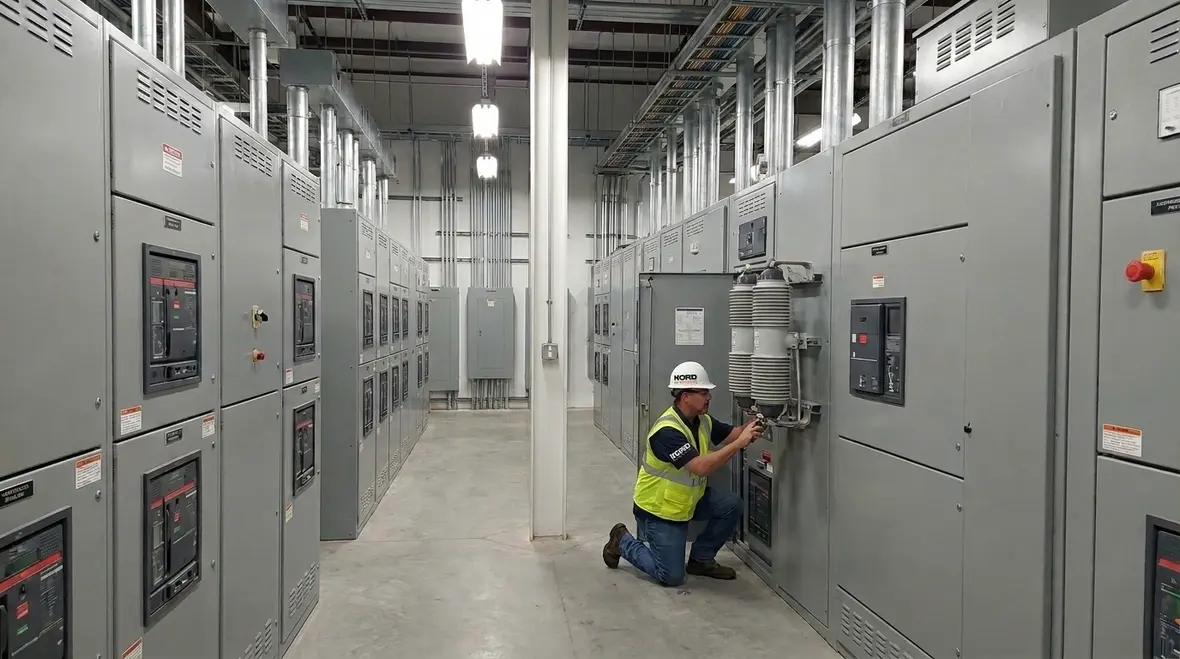
Industrial Electrical Surge Protection Solutions
Kord Electric helps commercial and industrial facilities protect critical systems with high-grade industrial electrical surge protection solutions that reduce downtime, prevent damage, and keep operations steady. When voltage spikes sneak in from storms, grid switching, or nearby industrial loads, even well designed equipment can get rattled. However, with the right surge protection approach, we can help facilities ride out the threat. That is how we keep production lines running, maintain HVAC stability, and protect control systems that cannot afford surprise outages. And yes, we know the classic excuse: “It only happened once.” In industrial power, “once” can still mean expensive repairs and an embarrassing downtime headline.
How surge events create costly downtime
Surges rarely look dramatic on paper. In the real world, voltage spikes can last microseconds, yet they can still stress insulation, damage power supplies, and weaken electronic components. As a result, equipment may fail later, not immediately. A plant might experience a nuisance trip today, then see slower performance next week, then lose a motor drive after a few months. That timeline is why industrial electrical surge protection solutions matter. We focus on the full arc of risk, not just the moment the lights flicker.
Typically, the causes include lightning induced surges, utility switching, motor starts, capacitor banks switching, and fault clearing on upstream systems. Additionally, the way a facility is wired can turn a brief spike into a long lived problem. Poor bonding, loose connections, and missing or mismatched protective devices can allow surges to travel further than expected. So, the key is not only having protection, but installing protection that matches the system design.
What high grade protection changes in the field

High grade surge protection does not simply “block surges.” Instead, it helps control the energy flow and reduces the voltage stress seen by sensitive loads. While many facilities treat surge devices like a checkbox, we treat them like part of a power system. Our technicians and expert service staff explain the plan in plain language, then verify it through testing and documentation so teams can trust the outcome.
When surge protection is specified correctly, the protective path stays predictable. That helps reduce let through voltage, limits surge current exposure, and supports repeatable performance over time. Also, well matched devices coordinate with downstream equipment, so protection does not fight itself. Think of it like a team in a relay race. If everyone sprints in a different direction, someone will drop the baton. If the devices coordinate, the surge gets guided where it should go.
Out in the field, that coordination can be the difference between a quick, forgettable event and hours of troubleshooting. The right industrial electrical surge protection solutions help keep your equipment out of the “mystery failure” category and firmly in the “still running” column.
Assessing risk across motors, drives, and control systems

Commercial and industrial facilities do not have one single “electrical problem.” They have many smaller risks that interact. For that reason, Kord Electric starts with an actual site view: equipment list, panel schedules, grounding and bonding design, and the power distribution path. Then we map where surges can enter and where they can damage the most critical devices.
For example, motor control centers and variable frequency drives often sit near switching events. Meanwhile, building management systems, PLCs, and network switches can be vulnerable to transient voltage stress. If a facility protects one area but leaves others exposed, surges can still travel through communication lines or via shared neutral and grounding paths. Therefore, we recommend a coordinated approach that includes protection at the service entrance, along feeders where needed, and at sensitive distribution points.
Our team explains the “why” in practical terms. We show how protective device selection, conductor sizing, and termination quality affect performance. And we keep the focus on your facility, because the right solution for a warehouse is not always the right solution for a process plant, even when both have the same voltage. When it makes sense, we align surge planning with broader reliability strategies like electrical preventive maintenance programs so your protection supports long term system health, not just isolated fixes.
Why grounding and installation details decide the outcome

Most downtime stories start with a device that was installed, but not installed correctly for the site conditions. Surge protection performance depends on installation details because surges move fast. If conductors are too long, routing is messy, or connections are loose, the device cannot create the shortest, most controlled path for surge energy. As a result, voltage at the equipment can rise anyway, even if protection exists upstream.
So, we pay attention to bonding, grounding integrity, and termination quality. Additionally, we consider how grounding electrodes tie into the facility system. When a surge device references a grounding system that is unstable, the protection can lose effectiveness during a real event. That is why our technicians do not just mount parts and walk away. They verify, document, and follow best practices that support long term reliability.
Here is a gentle truth: surge protection is not a magic shield. It is a carefully engineered connection strategy. Without that, the surge will still find the path of least resistance, and it usually enjoys taking the path through your best equipment. The sarcasm writes itself, but the damage bills do too.
Good grounding and well installed devices also help with other power quality issues. When your system is solid, you are better prepared for voltage swings, switching events, and other disturbances that can quietly erode equipment life. That is why we often pair surge protection upgrades with correcting grounding issues uncovered during voltage fluctuation investigations.
Integrating surge protection into a whole power strategy
Some facilities choose surge protection after an outage. We recommend planning it before the problem becomes a line item that everyone argues about. Industrial electrical surge protection solutions work best when combined with a broader power plan that includes proper panel design, selective coordination, and preventive maintenance. That plan reduces nuisance issues and keeps protection devices within their expected operating range.
For instance, we coordinate surge devices with protective devices and distribution topology. We also consider load types, duty cycles, and how equipment gets powered during faults and switching. Furthermore, we align installation locations with the routes where surges are likely to travel. When you do this, you reduce the chance that protection gets bypassed by wiring assumptions or equipment changes over time.
Because facilities evolve, Kord Electric also supports updates. When teams add new production equipment, expand control panels, or modernize HVAC systems, the surge risk can change. We can help others on site understand what must be reviewed, so they do not accidentally create new exposure points. In many cases, that conversation ties directly into broader commercial and industrial electrical maintenance plans that keep power quality, protection, and reliability moving in the same direction.
Testing, monitoring, and what we document for operations teams
Surge devices age, and grounding systems can shift with time. Therefore, Kord Electric treats surge protection as a managed asset. Our expert service staff explains results clearly so operations teams can connect the dots between power events and equipment health. Then we document what matters, including system layout notes and the status of protective components.
Testing may include visual checks, continuity and connection verification, and performance checks where applicable. Additionally, we look for signs that the installation may drift out of spec. That could include corrosion at terminations, changes in panel routing, or modifications from other contractors. When facilities keep good records, troubleshooting gets faster and the next decision gets easier.
In other words, we help your team stop guessing. Guessing is fun in trivia night. It is not fun when a downtime event hits at 2:17 a.m. and your supervisor starts speed running emails.
That same documentation also supports future upgrades and capital planning. When you understand how industrial electrical surge protection solutions are performing, and how they interact with the rest of your distribution system, you can prioritize improvements that actually reduce risk instead of just adding new hardware.
Dual column view: what surge protection protects and where it fits
Protected areas
Service entrance and main distribution
Feeders to critical motor control centers
Panels for HVAC controls and building automation
Load centers for sensitive electronics
When properly coordinated, industrial electrical surge protection solutions can reduce the stress that leads to hidden failures. They help protect everything from lighting and process controls to communication backbones that keep your facility connected.
Key factors we verify
Grounding and bonding integrity
Conductor length and routing quality
Device selection and coordination
Documentation for maintenance and upgrades
We help keep protection effective during switching events, storms, and transient disturbances. By tying surge protection into services like commercial and industrial lighting installation, we can support reliable operation across the full range of your electrical infrastructure.
FAQ about industrial surge protection for commercial and industrial buildings
Call Kord Electric before the next “small” surge becomes a shutdown
If your team manages a commercial or industrial facility, surge events are not a theory. They are a recurring risk that can trigger downtime, slow recovery, and costly repairs. Kord Electric helps you protect critical systems with high grade industrial electrical surge protection solutions, installed with careful grounding practices and coordinated design. Contact us to have our expert service staff assess your power distribution and recommend a plan that fits your site. Let us keep your operations steady, so you can spend time running the business, not restarting it.
To build a complete reliability strategy, we can also align your surge protection design with related services like electrical preventive maintenance and lighting installation for commercial and industrial systems. That way, your facility gains not just protection from spikes, but a stronger, more stable electrical backbone for the long term.


