
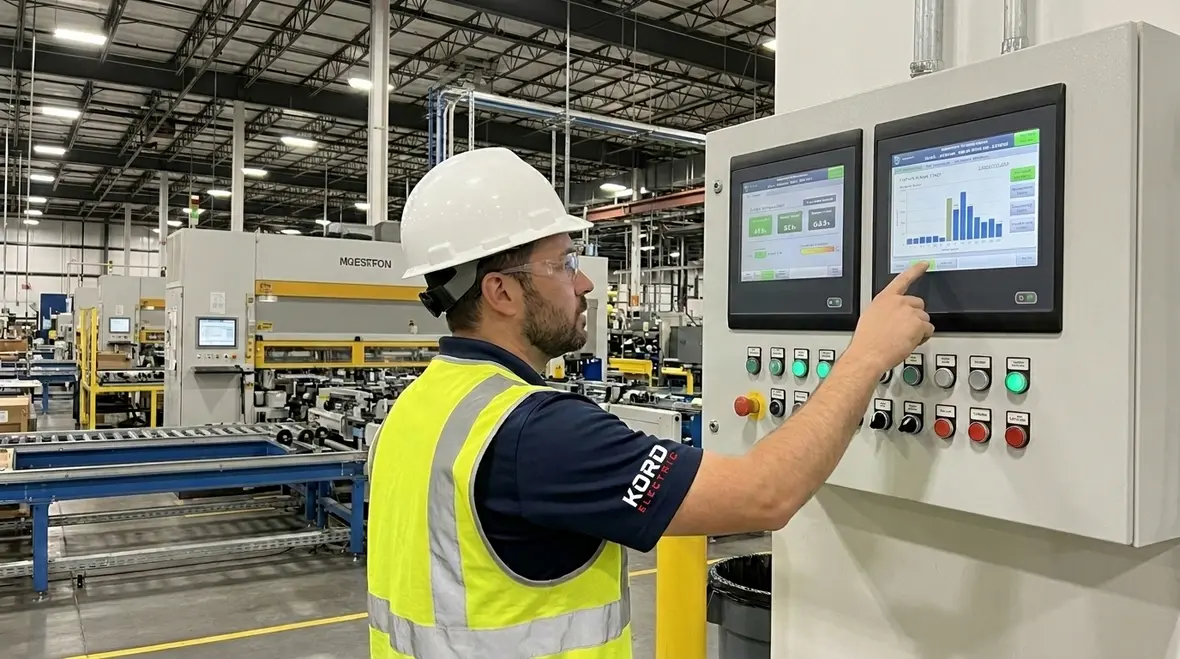
Industrial Energy Monitoring Cuts Manufacturing Costs
Industrial energy monitoring systems: the quiet cost cutter in manufacturing
Kord Electric helps commercial and industrial facilities use industrial energy monitoring systems to see where energy goes, then act fast. We install solutions that collect real time electrical data, flag waste, and support smarter maintenance. As a result, our clients stop guessing and start managing. In manufacturing, energy is rarely “just a utility bill.” It is a live operating expense tied to equipment health, production swings, and even how your plant schedules loads. And yes, sometimes the biggest surprise is that the equipment runs more than it should. Like a power hungry office fan left on after the meeting that no one needed.
In this article, we explain how energy monitoring reduces operational costs, what our technicians and expert service staff see on site, and how the same discipline that supports electrical uptime in data center style designs can improve manufacturing reliability too. For facilities that want a deeper dive into uptime expectations and disciplined electrical design, Kord Electric also explores these principles in our data center focused guidance on data center electrical requirements for uptime, and many of the same ideas translate directly into plant floor reliability.
Where energy waste hides inside production
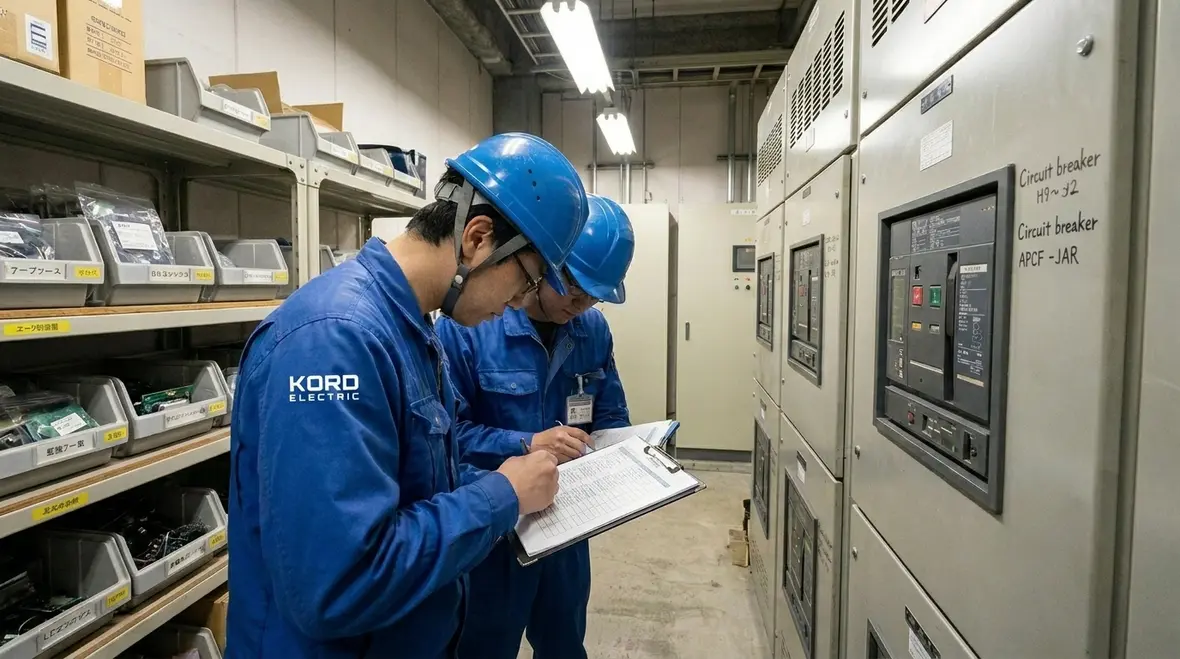
Energy monitoring does not only report total usage. Instead, it breaks consumption into clear channels such as panels, feeders, and major process loads. Then operators and engineers can find where costs grow quietly. For example, a compressor may run longer than planned, a pump may show signs of rising motor load, or a process line may remain energized during idle shifts.
Also, manufacturing plants often change. Equipment gets added, production lines shuffle, and maintenance schedules slip. Consequently, the electrical system drifts away from the “as built” assumption. Industrial energy monitoring systems help teams detect that drift early, rather than after the next utility rate increase hits. Transitioning from reactive fixes to planned adjustments usually makes the biggest difference in operational costs.
Our expert service staff often explains it like this: energy waste is not always a dramatic failure. Sometimes it looks like normal operation, just stretched out in time. And like any routine habit, it adds up.
How measurements reduce downtime and protect uptime
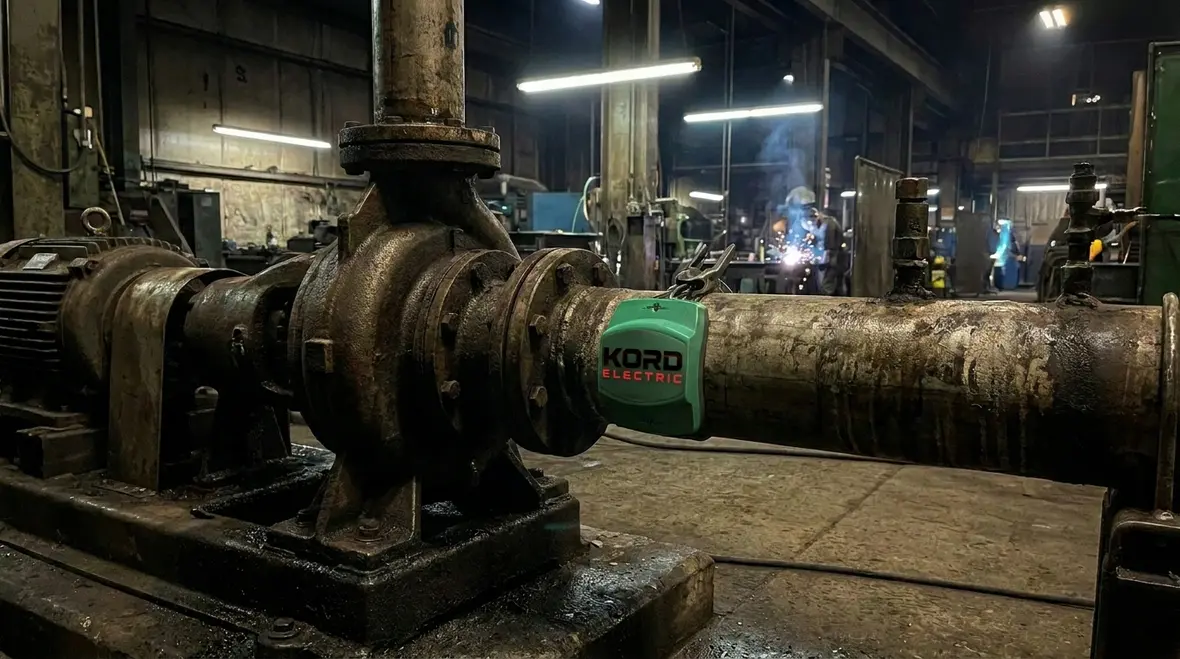
When electrical systems fail, production stops. That is expensive in a way no dashboard can fully calculate. Therefore, energy monitoring supports uptime by providing earlier warning signs tied to electrical load behavior. Voltage dips, unbalanced currents, harmonic distortion, and unusual load profiles often show up before equipment trips. Then maintenance teams act before the event becomes downtime.
If a facility wants to stay online, electrical requirements must be disciplined. Kord Electric references this reality in our guidance on electrical design and uptime expectations, including how critical power quality and system monitoring support stable operations in demanding environments. Even though manufacturing and data centers are different, the principle stays the same: you protect uptime by managing electrical health, not by reacting to failures.
Our technicians review trends, compare load signatures by production mode, and help clients set practical thresholds. Then they connect the electrical story to the real process. When a line changes, the load changes. So monitoring helps teams tell “normal change” from “abnormal change.” That distinction keeps repairs targeted and prevents unnecessary shutdowns.
Operational cost cuts through smarter maintenance and planning
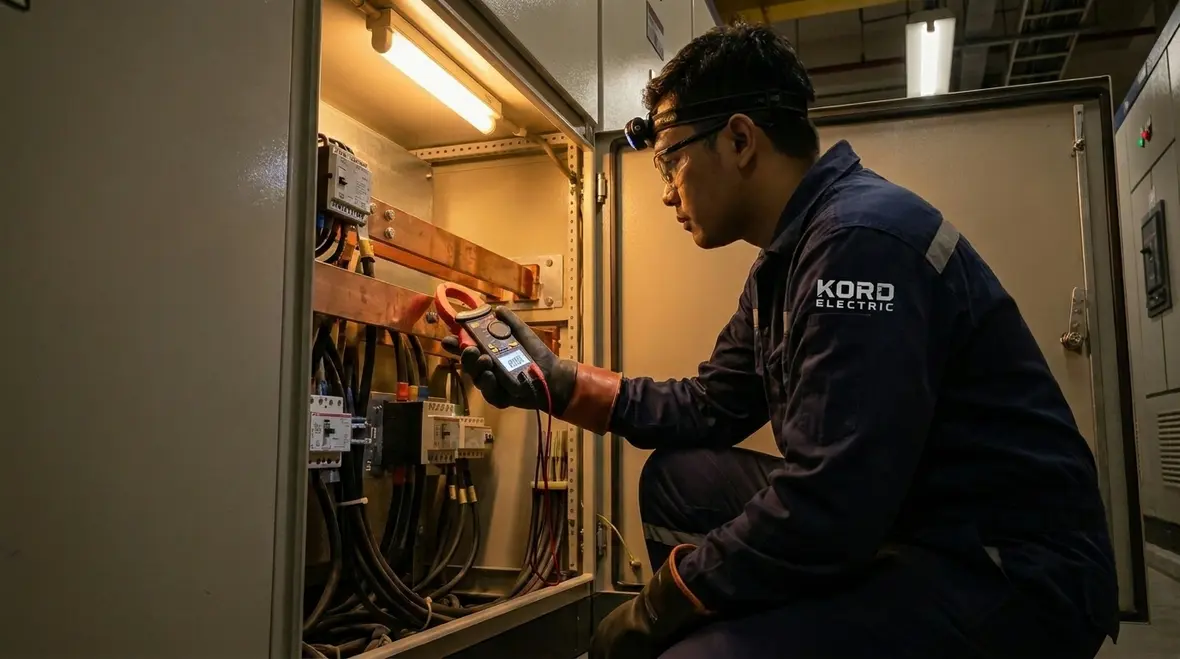
Maintenance can be either scheduled or accidental. Accidental maintenance is what happens when equipment breaks and the calendar gets ignored. Energy monitoring lets us shift from “break and fix” to “inspect and optimize.” As a result, costs drop because teams replace parts based on condition, not guesses.
Here is where the numbers get real. With electrical data, we can spot motor load that rises gradually, indicating wear. We can also identify overloading patterns tied to certain shifts. Then maintenance planning becomes more precise, and technicians spend time where it matters most.
Additionally, monitoring supports better spare strategy. If a specific subpanel or process load shows recurring abnormal events, a facility can stock the right components and reduce long lead time stress. Our expert service staff also trains maintenance teams on what the data means, so reports turn into action. They explain the “why” in plain language, not in a vendor lecture tone. Because a spreadsheet that no one trusts is just modern decor.
Energy monitoring improves process efficiency without guesswork
Manufacturing efficiency does not start in the machine. It starts in control of energy. Industrial energy monitoring systems support that control by showing how much power a process uses in each operating state. Then teams can match energy use to yield, cycle times, and product mix.
Once we see that relationship, optimization becomes possible. For example, a plant may run fans, heaters, or pumps at constant rates even when the process needs less. Monitoring reveals that mismatch quickly. Then engineering can adjust controls, tune setpoints, or update schedules.
Also, we help clients compare energy use during changeovers. Changeovers often get blamed for delays, but they also drive extra running time. With good electrical trend data, teams can see whether motors, drives, or auxiliary systems stay online longer than needed. When that happens, energy monitoring becomes a practical tool for cutting operating expense without hurting output.
Power quality, harmonics, and demand charges
Some costs hide in plain sight, especially when demand charges and power quality issues come into play. Energy monitoring shows peak demand and helps facilities manage how their loads behave during critical time windows. Then operators can shift discretionary loads, balance phases, and reduce the peak that triggers higher rates.
Meanwhile, power quality problems such as harmonics can silently raise losses and overheat components. When harmonics increase, cables, transformers, and drives may suffer higher stress. Over time, that raises maintenance needs and lowers reliability. Therefore, monitoring helps teams identify issues earlier and justify corrective work with real data.
Our technicians often explain this in a calm, grounded way. They do not just say “you have harmonics.” They show where the pattern appears, how it correlates with specific equipment, and what changes when a control setting or operating mode shifts. Then the facility can decide on the next step with confidence, not hope.
Integrating monitoring with the electrical system and the people who run it
For commercial and industrial facilities, the best system is the one that actually gets used. Kord Electric focuses on practical integration, not complicated dashboards that end up ignored. We design monitoring around the electrical hierarchy that operators understand. Then we connect data to where it helps: shift reporting, maintenance planning, and engineering review.
Also, we support adoption. Our expert service staff trains teams on alarms, trends, and what to do when readings drift. That is where cost savings become real. A monitoring system that no one reviews rarely reduces costs. But a monitoring system that informs daily decisions cuts waste, prevents failures, and improves scheduling.
Finally, facilities benefit when monitoring aligns with real operating modes. When your plant has start up, steady state, and production peaks, the monitoring approach should reflect that. Therefore, we help clients set up baselines and define thresholds in a way that fits the operation, not a generic template. And yes, we keep jokes light, because no one wants “unexpected load readings” as the punchline during an audit.
FAQ
Dual Column Example: “What we see” and “what we do”
| What we see on the trend | What our technicians recommend |
|---|---|
| Rising motor load in a recurring shift window | Condition based checks, inspection schedule update, and targeted service planning |
| Demand peaks that correlate with changeovers | Load sequencing review and operational schedule tuning to reduce peak exposure |
| Unusual current imbalance on a feeder | Phase balance verification, load reassignment, and maintenance follow up |
In many factories, these patterns also point toward broader electrical health questions. When trends show recurring issues, it is often a signal to review the broader maintenance strategy, which is where structured programs like electrical preventive maintenance help plants lock in both reliability and energy savings.
For facilities operating across the region, especially in and around Los Angeles, pairing this monitoring discipline with dedicated regional support such as Los Angeles County electrical services helps align industrial energy monitoring systems with local utility conditions, code expectations, and real world shift schedules.
Conclusion: let Kord Electric turn energy data into operational savings
If your manufacturing plant needs lower costs and steadier uptime, we can help. Kord Electric installs industrial energy monitoring systems that show waste, support maintenance planning, and improve electrical health before problems become downtime. Then our technicians and expert service staff explain the results in clear, practical terms so your team can act right away. Reach out to Kord Electric for a site review and a monitoring plan built for your commercial and industrial operation. Let’s make energy use as predictable as your best shift.
When facilities combine disciplined monitoring with targeted maintenance and smart electrical design, energy stops feeling like a mystery line item and starts behaving like a controlled, measurable part of production. That is the point where cost savings, uptime, and day to day operations finally pull in the same direction.


