
Data Center Power Redundancy for High Availability
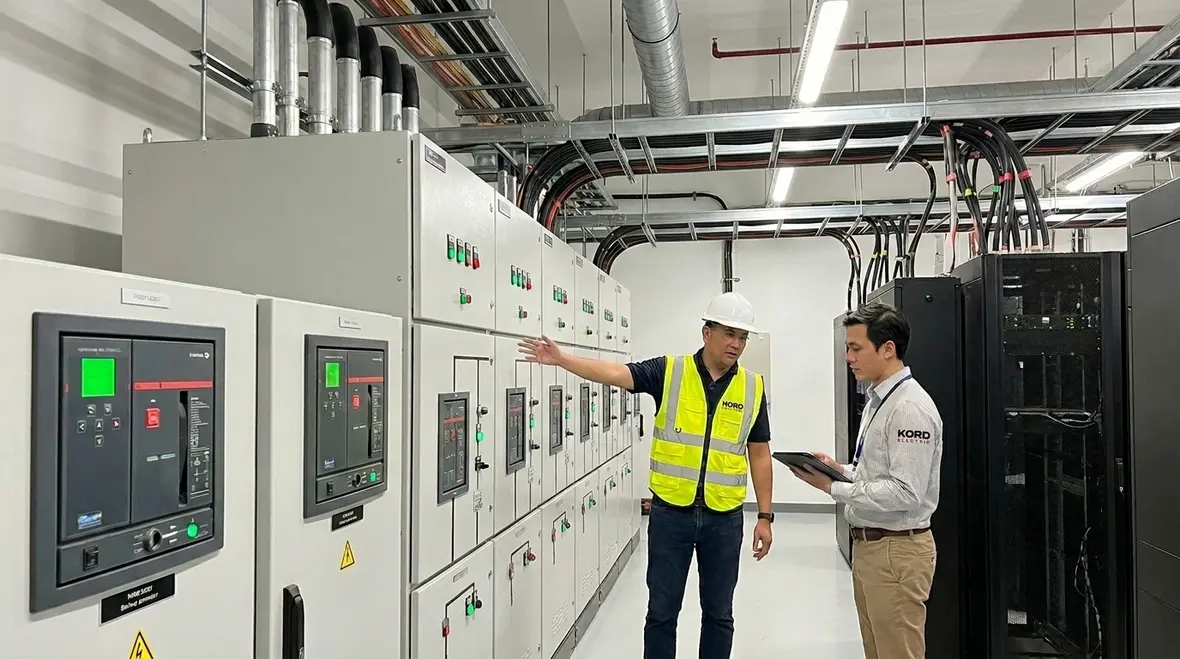
Kord Electric designs robust power redundancy as a foundation for high availability in data centers, because uptime is not a goal, it is a requirement. In our data center power redundancy planning, we build layered protection so a single fault does not turn into a blackout. Then, we verify that the backup power does what it promises under real operating conditions. Others may sell equipment; we focus on the full path from utility feeds to critical loads, so risk stays measurable and downtime stays unlikely. And yes, we do it with technicians on site who explain the plan in plain language, like a calm voice that does not panic when the alarms start singing.
What does high availability power redundancy actually mean?
High availability power redundancy means the electrical system can keep serving critical loads even when part of it fails. First, we design multiple power sources so the facility does not rely on a single point of failure. Next, we keep transfer paths ready, controlled, and tested. Then, we make sure distribution components coordinate so sensitive IT and automation equipment stay stable.
In commercial and industrial facilities, the customer does not want theory. They want a system that rides through events like utility interruptions, breaker malfunctions, and maintenance downtime. Therefore, we plan for both planned and unplanned conditions. Moreover, our technicians walk stakeholders through the steps, including what happens in the first seconds, the first minutes, and the long run. It is like knowing where the exits are before the movie gets loud, rather than afterward when everyone is sprinting.
Layered architecture for critical loads
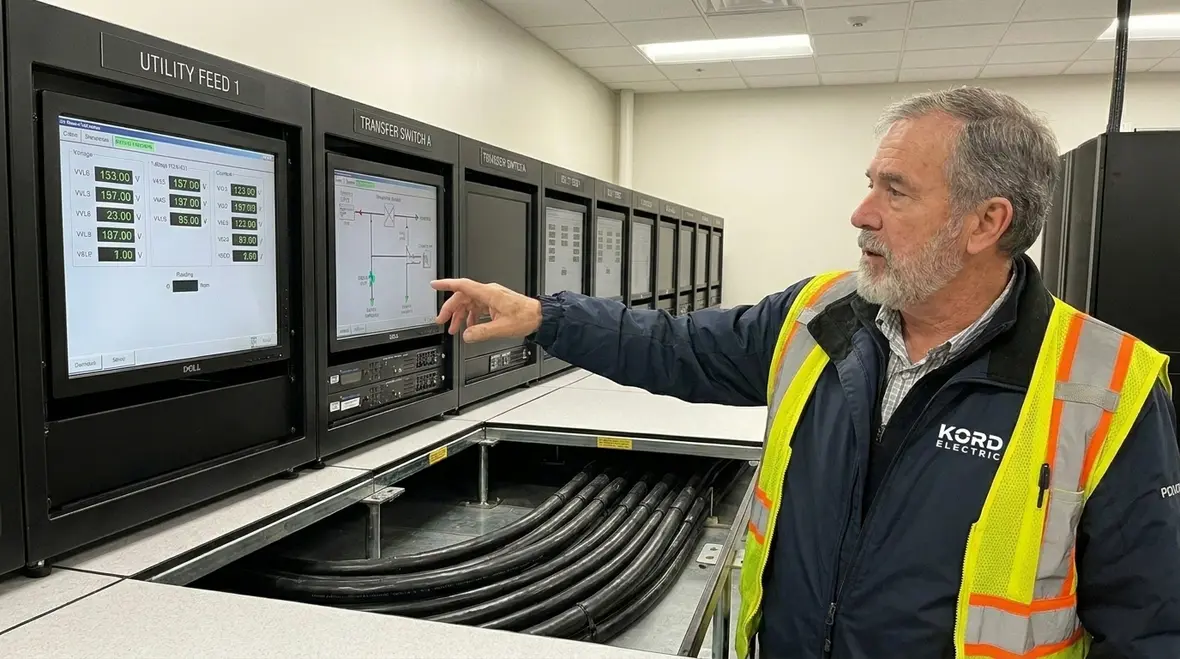
For data centers and major property buildings, we typically organize redundancy in layers, because each layer handles different kinds of failure. At a high level, this includes utility supply paths, standby generation, and distribution to critical loads. Additionally, we include transfer equipment and control logic so power moves correctly when the system detects a fault.
We often see clients aim for redundancy in name only. However, true design considers how current flows, how voltage behaves, and how devices coordinate. For example, we design for selectivity so upstream protection clears faults without disrupting the entire rack or suite. Likewise, we reduce the chance that one maintenance action shuts down multiple systems.
Our service staff also considers operational reality. In other words, the system must stay stable while engineers swap components, while contractors work on other floors, and while environmental systems start and stop. Consequently, the architecture must support steady states and transitions, not just normal operation on paper.
Designing N plus 1 and fault tolerance
Many facilities ask for N plus 1 redundancy, and for good reason. In simple terms, N represents the required capacity for critical loads, while the extra one unit provides margin when a component is unavailable. Yet, capacity is not the whole story. We also account for starting loads, inrush current, and the way loads behave during transfers.
Therefore, our data center power redundancy planning focuses on fault tolerance. We evaluate how the system performs with one generator offline, one UPS string out of service, or one transformer secondary unavailable. Next, we confirm that bus loading stays within safe limits and that voltage and frequency remain within tolerances.
We also help clients avoid a common trap: copying a single redundancy layout from one facility to another without checking site conditions. That is how you end up with a “redundant” system that behaves like a single point of failure dressed in a fancy suit. Our technicians review single line diagrams, load schedules, and control settings so the design stays consistent with actual operations.
UPS, generators, and transfer paths that behave under stress
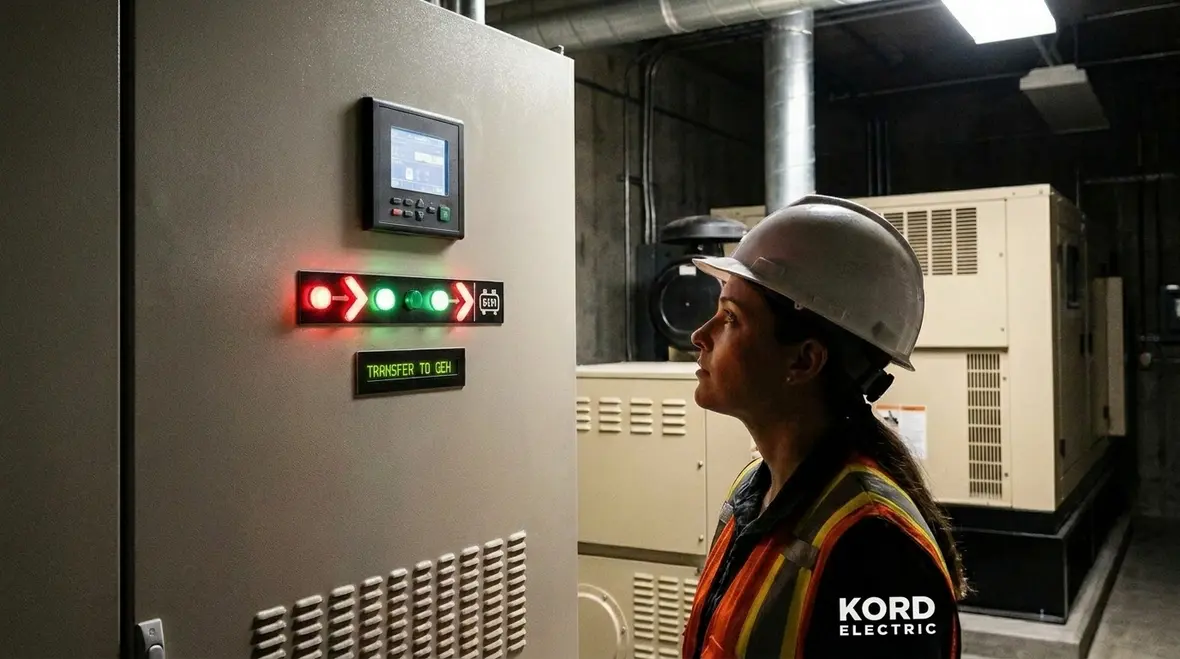
In high availability deployments, the UPS and standby generation must work together, not compete. First, the UPS covers micro outages and provides clean power for sensitive loads. Then, when the utility event continues, standby generation ramps up and takes over through planned transfer sequences. To make that happen smoothly, we engineer transfer logic, synchronization requirements, and delay timers so power does not “chatter” during unstable conditions.
We pay close attention to transfer times, because they directly impact load stability. Additionally, we design for proper bypass operations during maintenance. That means a controlled pathway exists so technicians can service equipment without losing the site’s critical power posture.
Our teams also validate that the system protects itself. Protective relays should detect faults and isolate sections without cascading trips. Meanwhile, control wiring, monitoring points, and communications should support alarm clarity and fast troubleshooting. If a system screams like a fire alarm, then engineers should know which panel, which feeder, and which mode caused it. We build that clarity in from the start, because confusion during an outage costs more than downtime.
Switchgear, bus design, and coordination for reliability
Switchgear and bus architecture often decide whether redundancy holds up in real faults. So we design bus schemes and breaker arrangements to prevent one failure from propagating to multiple critical branches. Next, we coordinate protective devices so they clear faults in the correct sequence. Then, we confirm that ratings and thermal performance align with the real load profile, including harmonics and seasonal demand changes.
In large commercial and industrial buildings, we also consider how electrical rooms, pathways, and service access affect maintainability. If equipment cannot be serviced safely, redundancy turns into a bedtime story. Therefore, we design with access in mind, including safe working distances and clear procedures for isolation and testing.
Our expert service staff supports this phase by explaining the coordination strategy in practical terms. They describe how settings change during different operating modes, and they show which alarms matter. That guidance reduces downtime risk because engineers spend less time guessing and more time verifying.
Testing, commissioning, and ongoing verification
Design alone does not guarantee availability. Commissioning and testing do. Therefore, we plan factory and site acceptance steps so performance matches design intent. We run load tests, verify transfer sequences, confirm generator startup behavior, and check control logic under simulated events. Then, we document results so maintenance teams can use them later, not just file them away like a forgotten manual.
We also include ongoing verification, because aging equipment changes behavior. UPS batteries degrade. Transfer components wear. Control systems drift. Consequently, we recommend maintenance intervals aligned with manufacturer guidance and site risk. We also support periodic load profiling so engineers confirm that the system stays within expected margins.
Our technicians explain what they test and why, and they do not hide behind buzzwords. If a measurement matters, they tell you how it affects redundancy performance. If it does not matter, they explain that too. It is a calmer approach than the usual “trust me” method. The facility gets confidence, and everyone sleeps better, even the people who pretended they would never read a power report.
How redundancy supports broader electrical reliability
Power redundancy does more than keep servers online. It supports the entire electrical reliability posture of a facility. When redundancy is designed well, it works hand in hand with preventive maintenance, voltage stability, and code compliance. For example, structured electrical preventive maintenance programs help verify that redundant paths actually operate as designed, instead of quietly drifting out of tolerance over time. Regular inspections, infrared scans, and torque checks keep the foundation of the redundant system strong.
Similarly, addressing issues like voltage fluctuations in commercial and industrial facilities protects the very equipment that makes redundancy possible. Generators, UPS systems, and switchgear react better to clearly managed voltage and load behavior than to a system that lurches between extremes. When we review a data center or major property building, we often pair redundancy discussions with these broader reliability topics so decision makers see the full picture, not just a single string of equipment.
Planning data center power redundancy with real facilities in mind
Every facility brings its own mix of constraints: space for electrical rooms, legacy feeders, uneven loading between wings, regional utility behavior, and the practical reality of when maintenance windows actually exist. Effective data center power redundancy planning respects those limits instead of pretending they are not there. We listen to operations teams about real shift patterns, seasonal demand spikes, and the parts of the building that cannot go dark under any circumstance.
From there, we create a redundancy roadmap that aligns with budgets and timelines. Some sites move directly into large N plus 1 builds. Others phase in upgrades, starting with critical switchgear sections, adding transfer paths, then expanding generation and UPS capacity. For industrial campuses and factories, we often coordinate with regional support such as Los Angeles County electrical services that understand local infrastructure and permitting, so projects do not stall at the paperwork stage just when uptime improvements are on the line.
Operational playbooks, documentation, and training
Even the best-engineered redundant power system can underperform if nobody on site knows how it behaves. That is why we treat documentation, labeling, and training as part of the redundancy package, not an optional afterthought. Clear single line diagrams, updated breaker schedules, and consistent panel labeling keep teams oriented when the clock is ticking.
In many facilities, we align power redundancy documentation with broader practices like the electrical panel labeling best practices that Kord Electric uses in commercial and industrial environments. When breakers, transfer switches, and critical feeders are labeled with plain language, technicians can move with purpose during commissioning, testing, and actual events. Training sessions walk operators through what happens during a transfer, which alarms demand immediate action, and where isolation points live. The goal is simple: no one should be reading a diagram for the first time during an outage.
How redundancy interacts with maintenance and troubleshooting
A redundant system is only as reliable as the maintenance and troubleshooting disciplines that support it. When issues appear in heavy-use environments like factories, a calm electrical system troubleshooting process helps teams decide whether the redundancy is protecting them as expected or whether a deeper configuration issue is hiding in the background. That is why Kord Electric pairs redundancy-focused projects with structured checklists and maintenance roadmaps for industrial facilities.
During scheduled work, we use the redundant paths to keep critical loads online while panels, bus sections, or UPS strings are inspected. This is where clarity around modes of operation truly pays off. Teams know which portions of the system are on primary feeds, which are on alternates, and what margin remains available if a second fault occurs. Facilities that treat redundancy, maintenance, and troubleshooting as one connected practice typically see fewer emergency calls and more predictable operating conditions over the long term.
FAQ
Which next step should a facility take?
When a facility wants reliable power, it should start with a practical redundancy review, then move into coordinated design validation and commissioning. At Kord Electric, we work with commercial and industrial data centers and major property buildings to map critical loads, confirm transfer behavior, and reduce single points of failure. Our technicians explain each decision in plain language and document the results so your team can maintain confidence over time. If you want a power system that behaves during stress, contact Kord Electric today and let us build your next availability plan.
For many facilities, that next step also includes connecting redundancy planning with broader services such as emergency electrical services and structured preventive maintenance. By aligning design, testing, and rapid response under one umbrella, organizations gain a clearer view of risk and a more reliable path to high availability across their entire electrical infrastructure.
Whether you operate a dense data center, a factory floor full of drives and motors, or a multi-building campus with critical tenants, a thoughtful data center power redundancy planning effort can turn your electrical system from a quiet worry into a documented asset. The best time to understand how your power system behaves under stress is long before the alarms start singing.


