Industrial Lighting Automation ROI Benefits
Commercial and industrial sites live and die by efficiency, and that is exactly where industrial lighting automation upgrades can move the needle on ROI. When we modernize controls, sensors, and schedules, we help facilities cut wasted energy, reduce maintenance, and stabilize operating costs. That means fewer “lights on by accident” moments, less staff chasing problems, and more predictable bills. In short, others may treat lighting like background noise. We treat it like a controllable system, and we bring the plan to your building instead of guessing in the dark. And yes, our technicians explain everything in plain language, because nobody needs a lecture from a breaker box.
How lighting automation ROI benefits show up on monthly statements
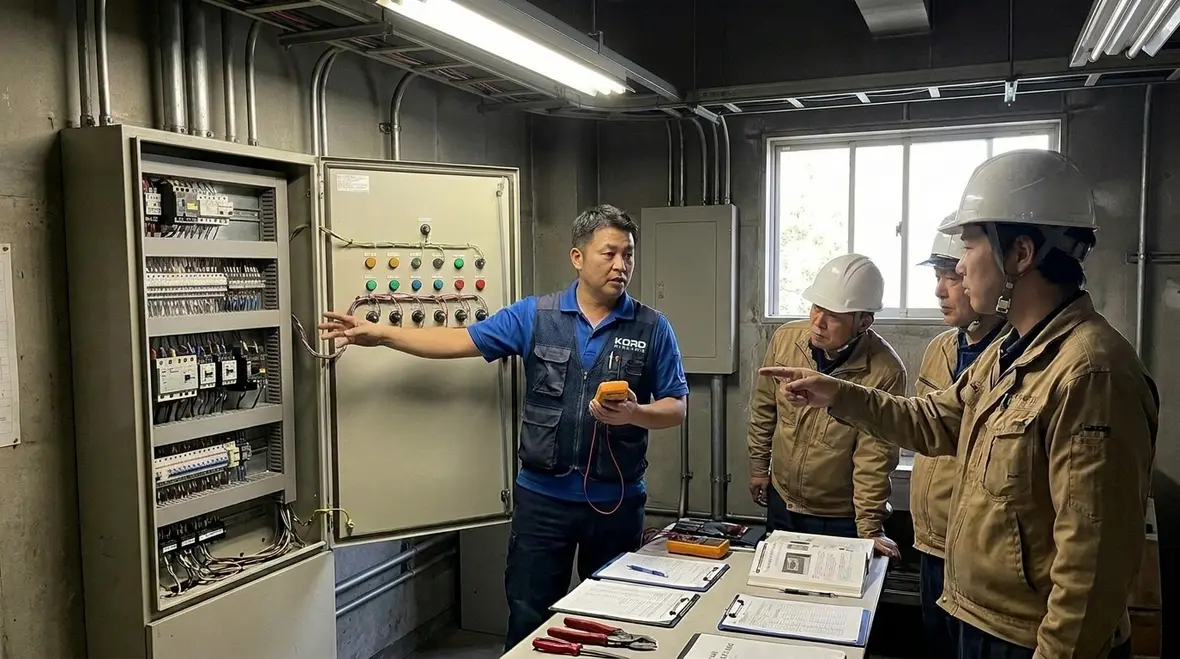
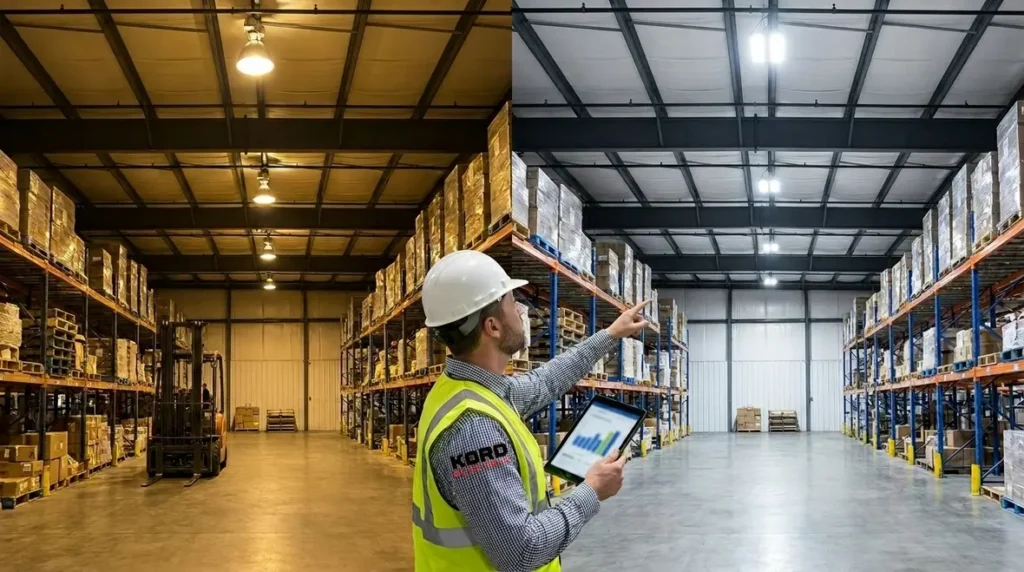
ROI is not a slogan to us. It is a math problem with a friendly solution. And typically, the first win comes from demand reduction. Instead of running full brightness across time, we optimize light output based on occupancy, daylight, and work patterns. As a result, buildings waste less energy during low-use hours, shift changes, and maintenance windows.
Next, we reduce labor and downtime. When controls fail or schedules drift, teams often discover the issue late, sometimes after complaints. However, with better monitoring and standardized settings, our service staff can spot abnormal behavior earlier and respond faster. Furthermore, you avoid replacing lamps, drivers, or ballasts on a guess-and-pray cycle. You replace what truly needs attention, and only when it needs attention.
Finally, automation supports smarter upgrades. For example, we align lighting controls with your HVAC and building management priorities so your system operates as one ecosystem. That coordination improves comfort while preventing overlapping energy use. In other words, you do not just save energy in one area. You save it across the way the facility runs.
Upgrading controls without disrupting operations

Most facilities cannot afford long outages. Therefore, we plan upgrades with your building workflow in mind. Our approach starts with a site review and a controls assessment. Then we map circuits, identify control zones, and confirm how existing devices behave under real conditions. Once we understand the current reality, we design the upgrade around it, not around theory.
After that, we schedule installation windows that fit production cycles, cleaning schedules, and safety requirements. In many cases, we phase improvements floor by floor or area by area. Consequently, staff keep lights where they need them while we commission each zone. And when questions pop up, our technicians explain the logic, step by step, so your team understands what changed and why.
We also verify integration points. If your facility uses a building automation system, we confirm communication methods and confirm trends, alerts, and setpoints before we finalize. That process reduces rework and prevents “it works here but not over there” problems. Because in industrial settings, that is the kind of surprise nobody laughs about.
Preventive maintenance and lighting automation ROI benefits work together
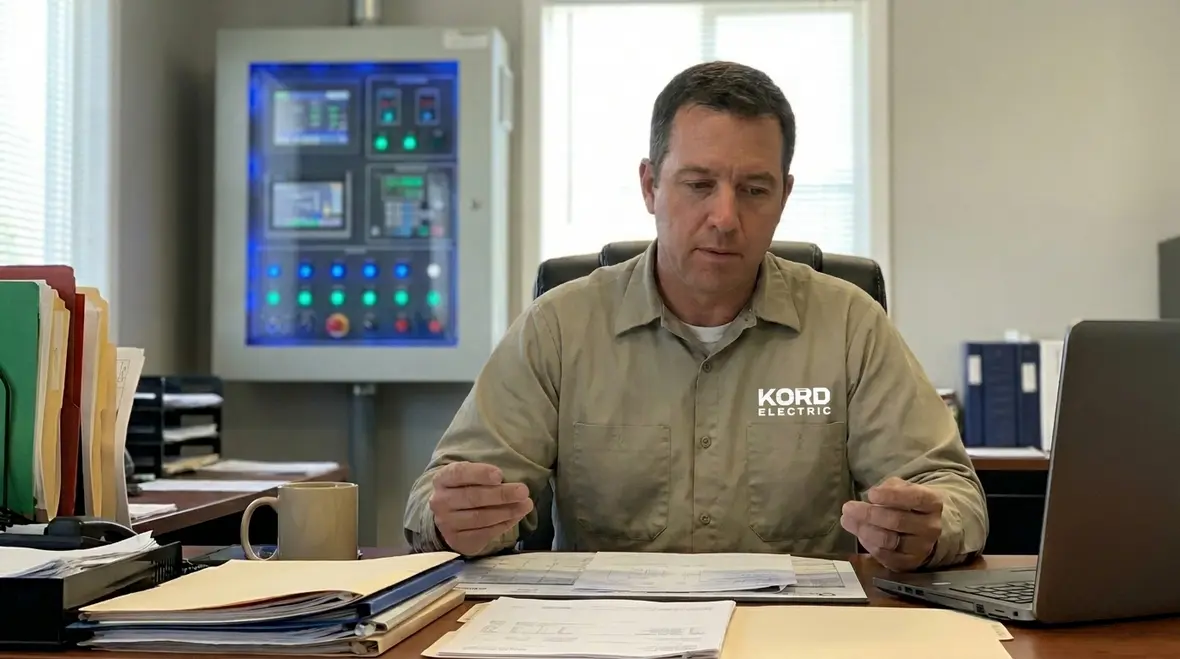
Automation improves performance, but maintenance protects it. If controls drift or sensors get dirty, performance declines. That is why we connect upgrades to an ongoing preventive plan. Our philosophy is simple: you should not wait for failure. You should manage risk early.
As part of our preventive maintenance mindset, we emphasize documented checks, response procedures, and consistent inspection intervals. This is the same principle we highlight in our approach to electrical preventive maintenance at Kord Electric. We focus on keeping systems stable through routine evaluation rather than emergency fixes.
What we verify during preventive routines
- Sensor function and mounting accuracy
- Schedule settings and time synchronization
- Control panel health and communication status
- Device performance under expected loads
- Visible wear and early signs of drift
How this supports long term returns
- Less wasted energy from misaligned controls
- Fewer failures that cause downtime
- Lower maintenance cost through earlier fixes
- More stable lighting quality for teams
- Better planning for future upgrades
When preventive maintenance stays consistent, automation keeps doing what it was installed to do. That is how industrial lighting automation ROI benefits translate from a project promise into steady performance.
Where facilities lose money in lighting systems, and how we fix it

Most lighting waste does not look dramatic. It looks boring, and boring is expensive. For instance, facilities often leave lights at fixed output when occupancy patterns change through the day. Then the building burns power like it is running a late night talk show, even when nobody is watching.
Another common issue involves zoning. If zones overlap too much, the system keeps lights on even when areas are empty. If zones split too aggressively, the system may flicker or under-serve spaces, which leads staff to override settings. Either way, the controls stop being trusted, and trust is where savings go to die.
We also see settings that do not match how people work. Daylight harvesting works only when sensor placement and calibration reflect actual layouts. Likewise, scheduling needs to reflect holidays, shift timing, and weekend patterns. As a result, we calibrate to your building, not to a generic template.
Finally, we address end of life equipment. When fixtures degrade or drivers behave oddly, controls may interpret feedback in the wrong way. Therefore, we review fixture compatibility, driver performance, and expected load profiles. Then we correct control logic so automation responds correctly under real conditions.
Commissioning, training, and accountability for industrial teams
After installation, we do not disappear. We commission the system so it works under expected conditions and so your team can rely on it. This includes verifying occupancy logic, daylight behavior, and override controls. Furthermore, we check that alerts and logs display in a way your operators can understand without opening a technical textbook.
Training matters too. Our service staff and technicians explain the system during walkthroughs in a calm, clear way. They also show how to report issues, how to interpret status indicators, and how to avoid common mistakes like adjusting settings without a record. Because if people can adjust everything with no guardrails, you will eventually create chaos. And chaos is fun in movies. It is not fun in utility bills.
We also help establish accountability. That means simple routines for review and preventive checks. When a facility knows who owns the process, automation stays aligned over time. Then ROI improves because the system stays healthy rather than drifting out of spec.
Smart design choices that protect comfort and boost savings
Industrial lighting automation ROI benefits should not come at the cost of productivity. Therefore, we focus on quality, visibility, and consistency. We use practical design methods, such as proper zoning, thoughtful sensor placement, and realistic lighting targets for each task area. When lighting supports work, people do not override controls. They simply work.
We also consider safety and compliance requirements that matter for commercial and industrial facilities. Automation logic must align with facility standards for emergency behavior, fail safe operation, and operational continuity. Additionally, we plan for maintenance access so technicians can service fixtures without tearing apart the lighting layout.
In warehouses, distribution areas, and large offices, we balance energy savings with human factors. That means controls that respond quickly but not randomly, and schedules that respect actual use. As daylight changes, sensors should manage output smoothly. Then teams experience stable conditions instead of “surprise darkness.” Nobody wants the lights to act like a haunted house.
When these details land correctly, the result is measurable energy reduction plus operational stability. And that is where the investment starts paying back with confidence.
For facilities exploring broader system reliability along with lighting upgrades, services such as targeted support for voltage fluctuations in commercial and industrial facilities can work alongside industrial lighting automation to protect sensitive equipment and keep performance stable.
FAQ about lighting automation upgrades for commercial and industrial buildings
Conclusion: let us calculate your upgrade payback and plan the rollout
Kord Electric helps commercial and industrial facilities upgrade lighting automation in a way that protects operations, reduces waste, and supports long term performance. Our technicians and expert service staff explain the plan clearly, then we commission the system so it works the way your building actually works. If you want savings you can measure, contact us for an assessment and ROI estimate. We will map zones, review controls, and outline a phased rollout that respects your schedule. Let us turn your lighting system from “mostly on” into fully managed efficiency.
If your facility is planning broader electrical improvements across Los Angeles County, our dedicated commercial and industrial electrical services in Los Angeles County can be combined with industrial lighting automation to create a unified, long term reliability strategy.
For ongoing performance after your automation project is complete, pairing your lighting upgrades with a structured electrical preventive maintenance program helps keep controls, panels, and critical equipment aligned so industrial lighting automation ROI benefits continue delivering value year after year.