Industrial Power Analysis: Identifying Electrical Efficiency & Reliability Issues
Industrial Power Analysis that spots hidden inefficiency before it costs real money
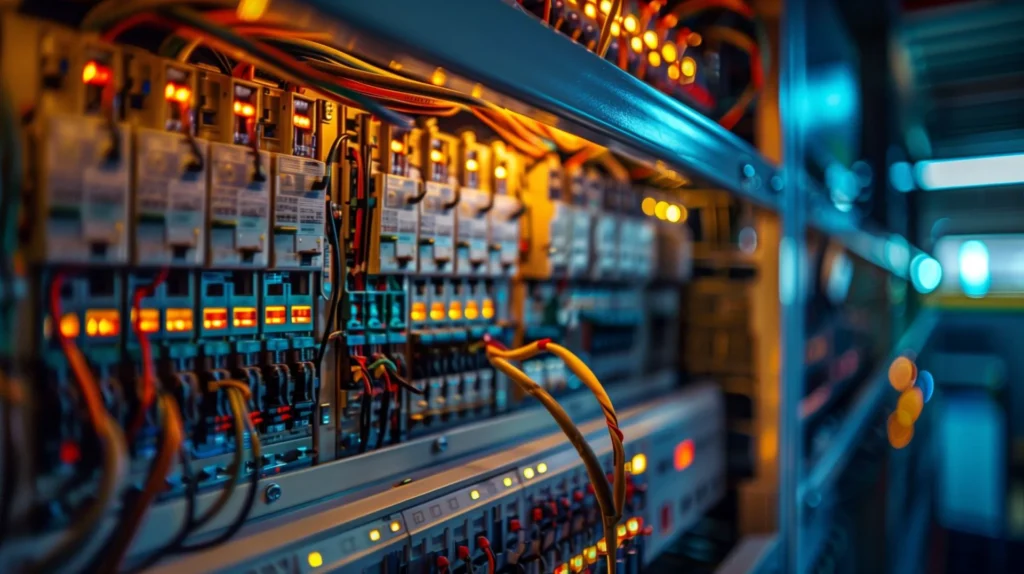
At Kord Electric, we see industrial power problems long before anyone can smell the smoke or hear the shutdown alarm. Our Industrial Power Analysis: Identifying Electrical Efficiency & Reliability Issues process helps commercial and industrial facilities catch weak links in their electrical system, then fix them with a plan that holds up in the real world. We track how power flows, how equipment behaves, and how long-term conditions quietly wear down motors, drives, transformers, panels, and power quality equipment.
Because if power is behaving badly, the building usually pays the bill later, often with surprise maintenance, nuisance trips, and aging assets. And nobody wants that kind of plot twist. While some people treat electrical “mystery symptoms” like a sitcom, our technicians treat them like a case file. Then we move from clues to solutions, calmly and thoroughly.
What our power analysis team checks first
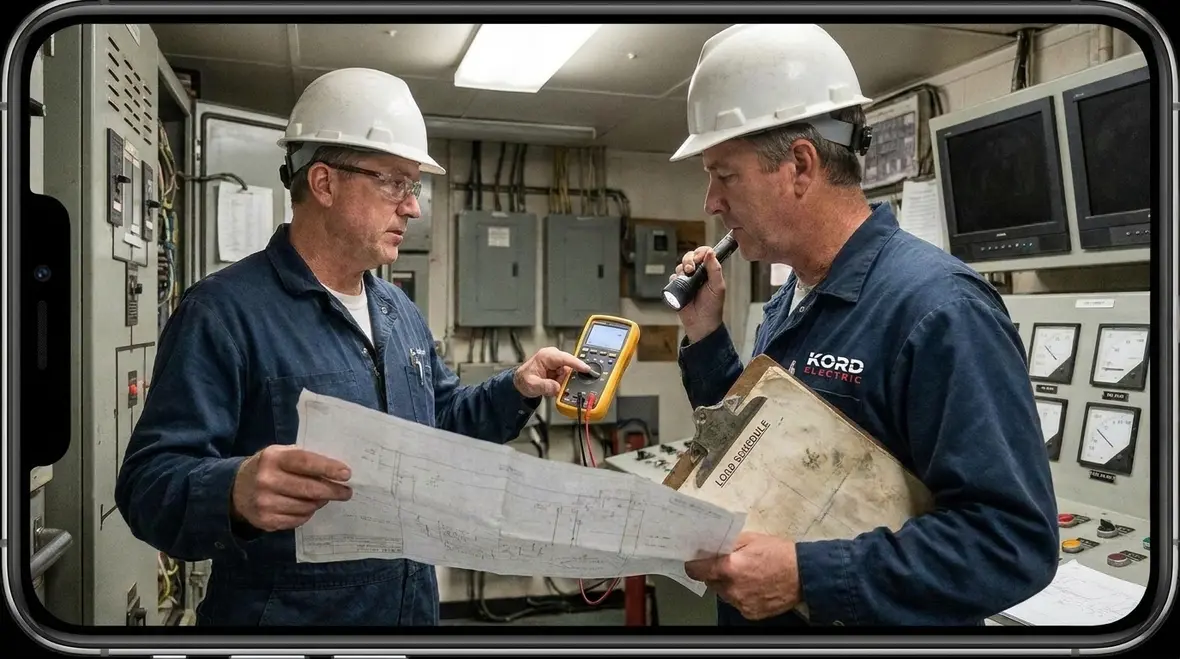
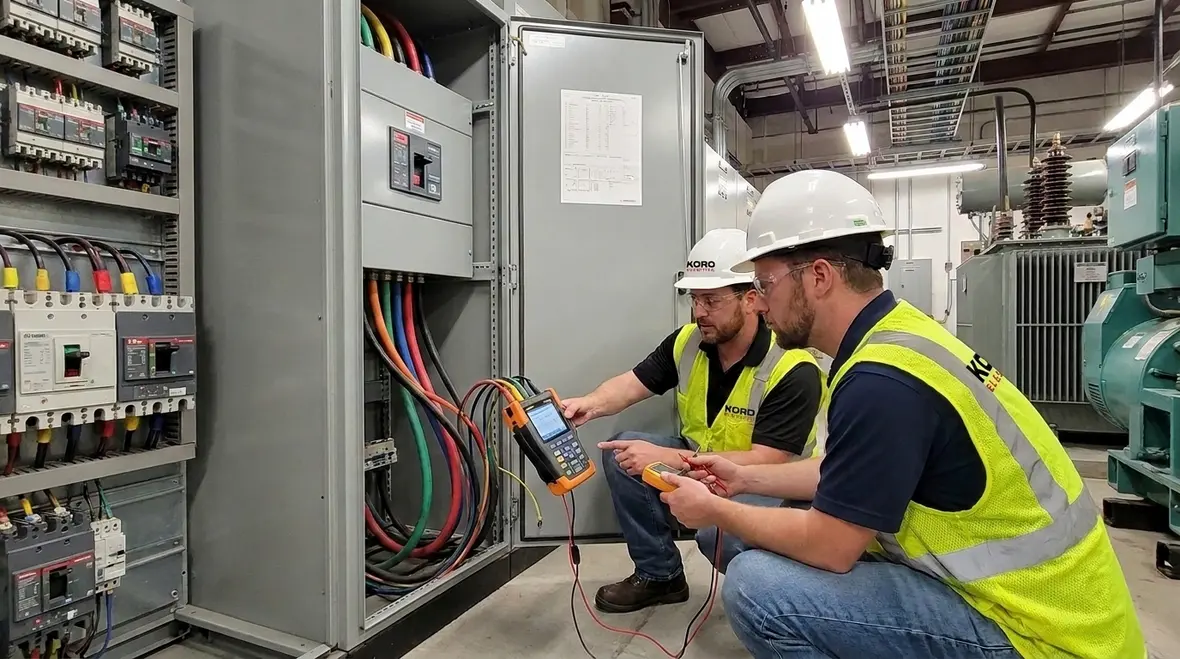
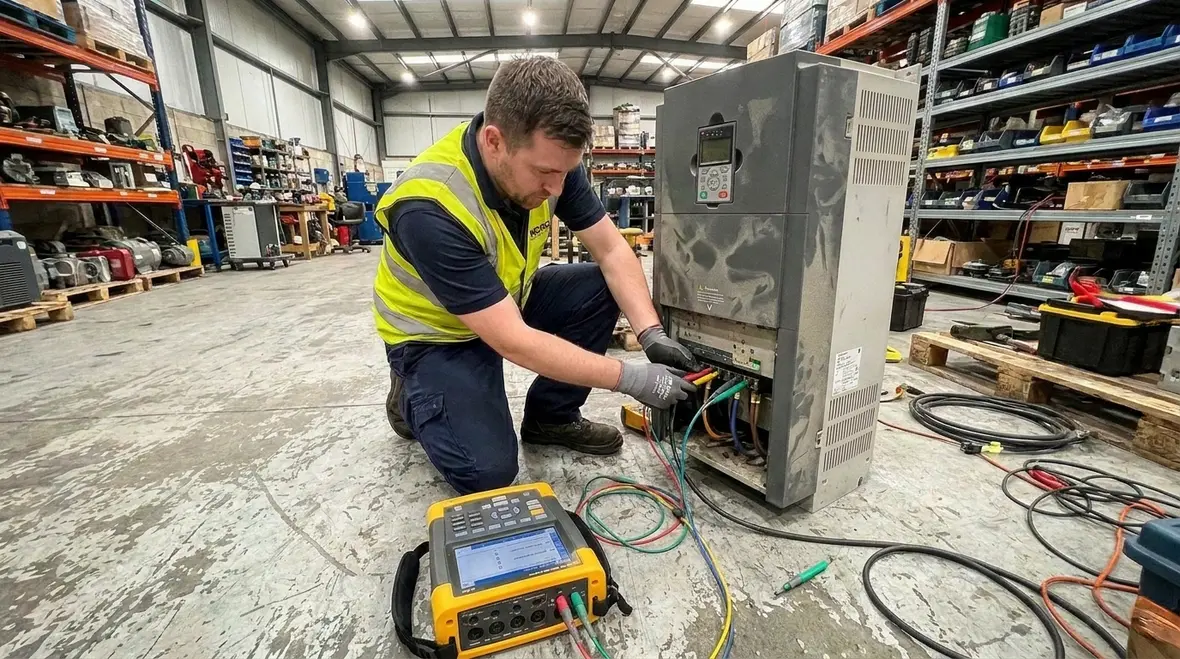
In the field, we start by understanding what the facility actually does, not what the drawings claim it does. Therefore, we review electrical one lines, load schedules, equipment lists, and any prior breaker or motor issues. Next, our expert service staff confirms operating conditions and then verifies measurement points so the data tells the truth.
Then we perform the core checks that make our work useful. We look at load balance across phases, observe trends, and evaluate how power quality affects real equipment. At the same time, we identify reliability risks that can build slowly, like a coffee stain you swear you will clean later. We do not leave it “for later.” We quantify it.
Our industrial and commercial focus matters here. We target major property buildings, warehouses, manufacturing spaces, and other facilities where downtime and inefficiency do not politely stay in the minor category. In those environments, power behavior directly impacts throughput, comfort, and safety.
How electrical efficiency and reliability issues show up in measured data
Power problems rarely announce themselves with a banner. Instead, they show up in the numbers, in ways that experienced eyes can spot early. For example, poor efficiency often comes from losses that increase when voltage sags, current rises, harmonics distort the waveform, or loads stay unbalanced. Meanwhile, reliability issues can emerge from overheating, nuisance trips, failing components, and wear on sensitive equipment.
Because we run a structured Industrial Power Analysis: Identifying Electrical Efficiency & Reliability Issues, our team can connect the dots. We watch how the system responds under different operating states, not just one snapshot. Then we compare measured behavior against equipment requirements and industry expectations. That way, we can separate “normal variation” from “system distress.”
In practical terms, our technicians might find that harmonics increase heating in transformers and motors, or that voltage drops during peak loads push drives and control systems into stressful operation. We might also see how a seemingly minor feeder issue contributes to wider symptoms, including chronic downtime. And yes, it happens. Electricity does not care about intentions.
Industrial facilities need more than a basic power quality test
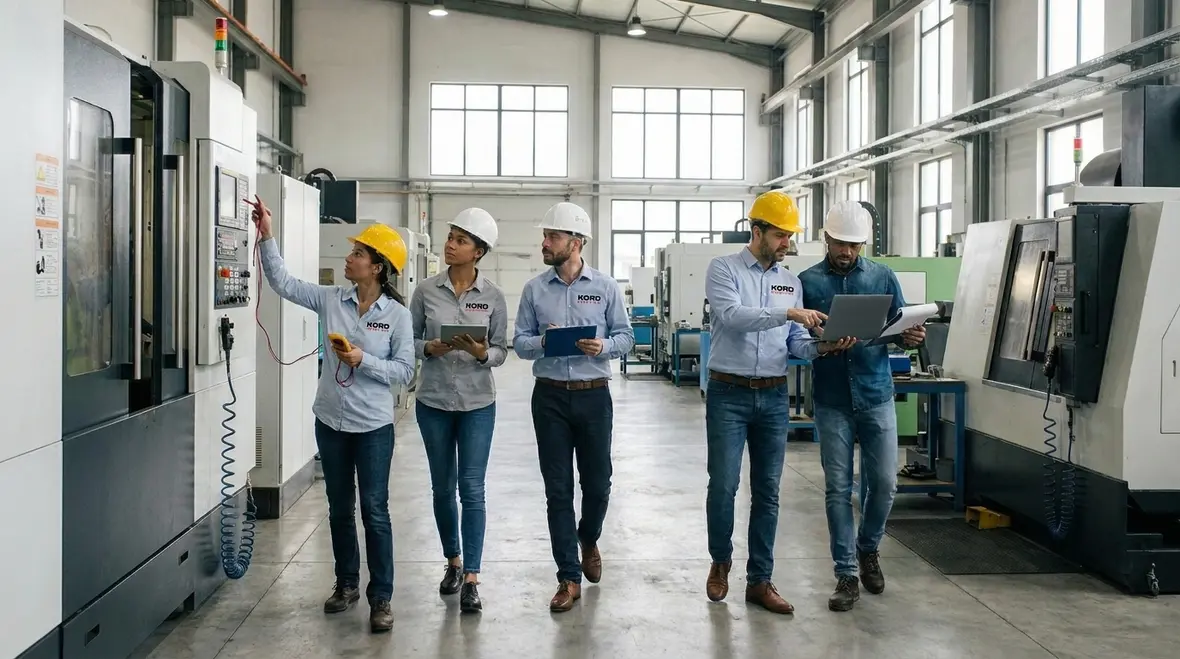
Many facilities get a quick check and then receive a report that feels like a weather forecast: useful, but not enough to plan your week. Therefore, our approach goes deeper. We use measurements that capture behavior over time and across operating conditions, then we connect that behavior to equipment impact.
In a commercial or industrial setting, load patterns shift. Pumps cycle. Conveyors start and stop. HVAC stages change. Production ramps up and down. Consequently, a short test can miss the moments when problems peak. Our experts plan measurements around how the facility runs, so the findings match reality.
We also focus on actionable outcomes. A report should not read like a science textbook. It should tell a facility manager what to fix, why to fix it, and how it improves efficiency and reliability. Our technicians explain the results in plain business language, and we offer next steps that fit the facility’s risk tolerance and schedule.
If you want to see how this mindset shows up in related work, our team also documents approaches like Power Reliability Audits for Commercial Facilities by Kord Electric, where evidence, operating reality, and practical recommendations drive every decision.
Step by step, how we run an audit for major property buildings
When Kord Electric supports a commercial or industrial facility, we follow a process built for clarity and accountability. First, we define the scope with the facility team. That includes identifying critical loads, pinpointing suspected trouble areas, and selecting measurement locations.
Second, our technicians collect field data while the building operates normally. We avoid “test conditions” that do not represent daily reality. Then we review system configuration, protection settings, and any known maintenance history.
Third, we analyze the results and look for correlations. For instance, we connect harmonics and imbalance to equipment stress patterns, then we evaluate whether the results point to upstream causes like distribution issues, or downstream causes like damaged loads and failing components.
Fourth, we present findings with practical recommendations. We lay out priorities based on risk and cost impact. Finally, we support implementation planning, so the solution does not stop at “good information.” Our work aims to reduce downtime, stabilize performance, and improve operating efficiency for commercial and industrial facilities.
Why phase balance and load patterns matter more than people think
Phase imbalance is one of those issues that sounds technical until it causes real costs. When one phase carries more load than others, the system experiences extra stress. That stress can lead to higher temperatures, increased energy use, and shorter equipment life. Over time, this can also increase the chance of nuisance trips and unexpected failures, especially in motors and drive systems.
Likewise, load patterns drive power behavior. If the facility frequently runs with abrupt start stop cycles, it can create spikes and waveform distortion that then impact sensitive equipment. Therefore, we do not treat the electrical system like a single static object. We treat it as a living system that breathes with operations.
Our technicians often find that the “symptom” line items do not match the actual root cause. A motor may fail, but the real driver can be upstream voltage instability, recurring imbalance, or harmonics that build damage faster than maintenance schedules can prevent. That is why we focus on Industrial Power Analysis: Identifying Electrical Efficiency & Reliability Issues using measured evidence, not guesses.
What “expert service” looks like after the report
We know many teams read an audit and still feel stuck. So we make it easier. After the measurement and analysis, our expert service staff explains the findings and translates them into decisions. We discuss what changes reduce losses, stabilize voltage, and improve power quality. We also talk through reliability risks in a way that a facility team can act on without needing an engineering degree and a second cup of coffee.
Then we help coordinate next steps. That might include tuning protection settings, correcting wiring and grounding concerns, replacing failing components, or improving mitigation where harmonics or instability are present. For bigger projects, we help align the investigation with phased capital planning, so the facility does not take on everything at once.
And if you are thinking, “We already have electricians, why do we need another team,” we hear you. We do not replace your team. We add depth, evidence, and clarity. We make sure the electrical system stops playing guess-the-plot-twist and starts behaving like a professional.
FAQ about power analysis for commercial and industrial facilities
Industrial power analysis delivers reliability you can schedule, not just hope for
When a commercial or industrial facility faces repeat trips, equipment aging, or rising energy costs, Kord Electric brings evidence based Industrial Power Analysis: Identifying Electrical Efficiency & Reliability Issues to the table. We measure real operating conditions, then connect findings to clear recommendations that your team can execute.
If you want calm certainty instead of reactive repairs, contact Kord Electric today. Our technicians and expert service staff will review your situation, outline next steps, and help you build a smarter power future. Let us handle the electricity like it deserves, so your team can focus on operations instead of chasing mystery faults.
For facilities across the region that depend on uptime, our Los Angeles County electrical services team supports everything from targeted power analysis and remediation to broader electrical upgrades, so your commercial or industrial site can treat reliability as something you schedule, not something you cross your fingers for.
And when you are ready to pair detailed analysis with a broader look at system performance, you can also explore how a Commercial Facility Power Audit by Kord Electric builds on the same evidence-driven approach to strengthen distribution, improve resilience, and make future projects easier to justify.
Whether you are troubleshooting a stubborn issue or planning ahead, our Industrial Power Analysis: Identifying Electrical Efficiency & Reliability Issues gives you a structured way to see what the system is really doing, choose the right fixes, and prove the results over time.