
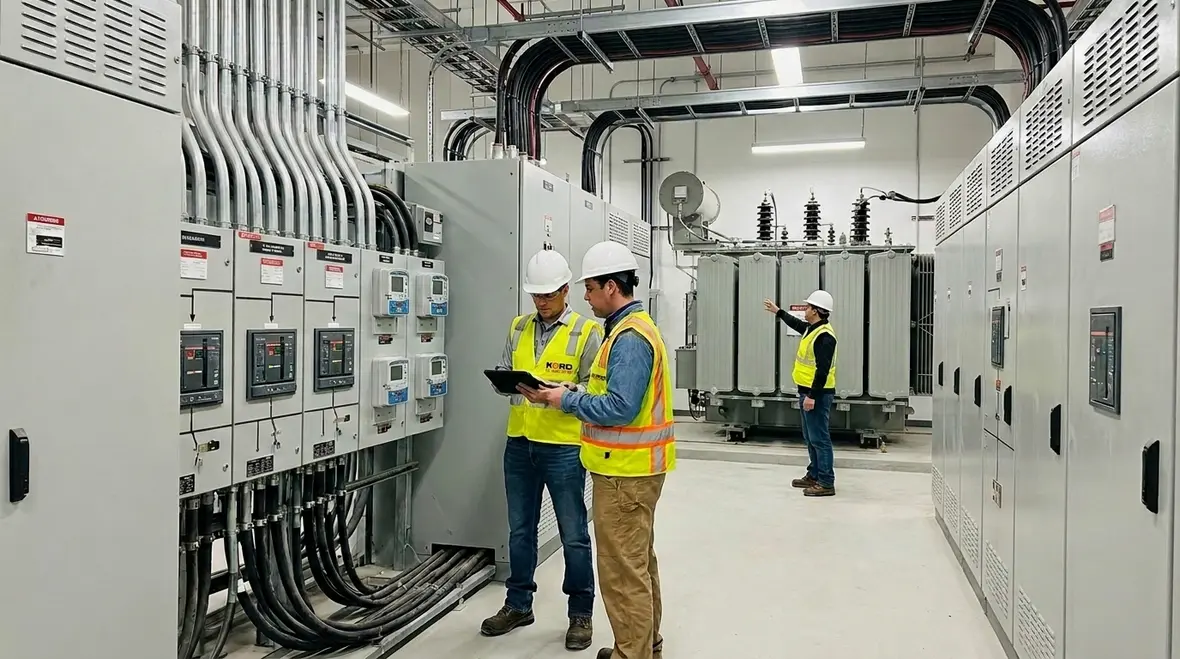
Industrial Power Distribution Planning for Expansion
Industrial expansions need disciplined power plans from day one
Industrial power distribution planning basics start with one simple idea: you must plan for growth before growth forces your hand. At Kord Electric, we build strategic power distribution layouts for commercial and industrial facilities and major property buildings by mapping loads, planning voltage paths, and protecting systems with the right coordination. Then we validate everything with clear engineering steps so the new phase does not break the old one.
In this article, we explain how our service team guides facility owners and electrical managers through expansion planning, from early load forecasting to field-ready drawings. And yes, we also explain it in plain language, because nobody wants a power plan that reads like a legal thriller.
Load forecasting that respects how your facility actually runs
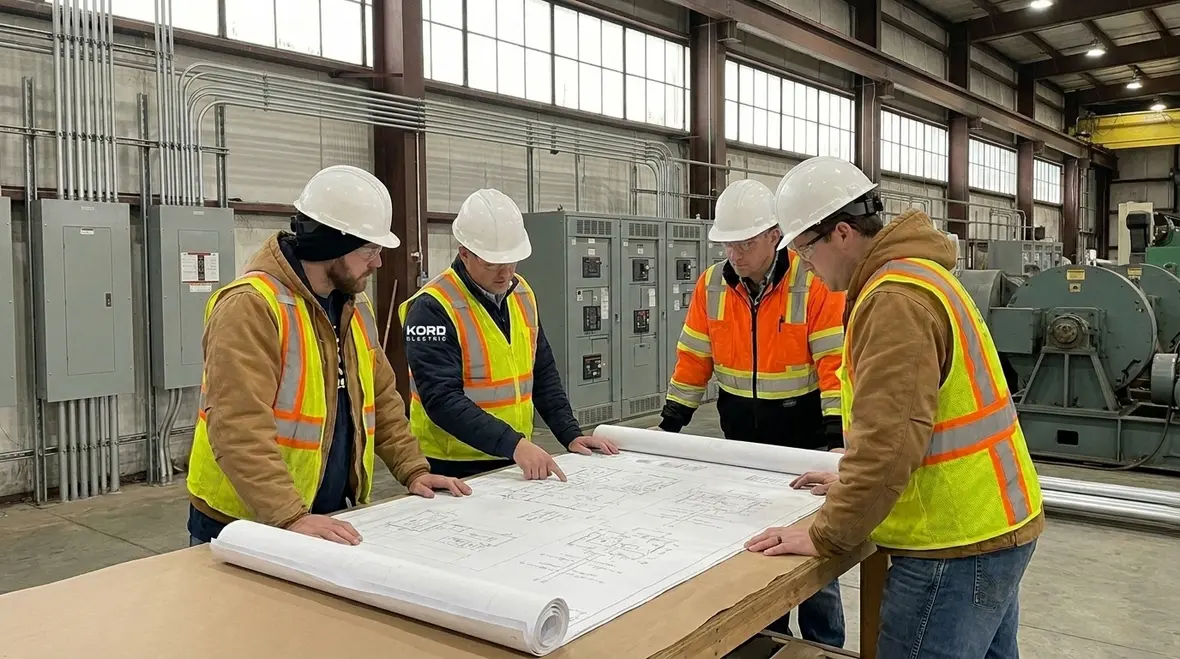
Industrial expansions never add “average” demand. They add real machines, real duty cycles, and real start up surges that behave like they have a personality. Therefore, we begin by collecting utility bills, equipment schedules, and production or operational timelines. Next, we translate that information into a load forecast that includes continuous loads, intermittent loads, and motor starting behavior.
Our technicians and expert service staff explain what matters at each step. For example, they walk facility teams through how motor inrush can swing available capacity, and how harmonics from variable frequency drives can stress transformers and conductors. Then we help the client decide which new processes likely arrive in phase one versus phase two, because that timing affects feeder sizing and switchgear strategy.
Meanwhile, we also account for future additions that might sound “small” in meetings but become expensive later. A few extra production lines can push a busbar from comfortable to strained. And once that happens, a “temporary” workaround starts to look like a long-term tax.
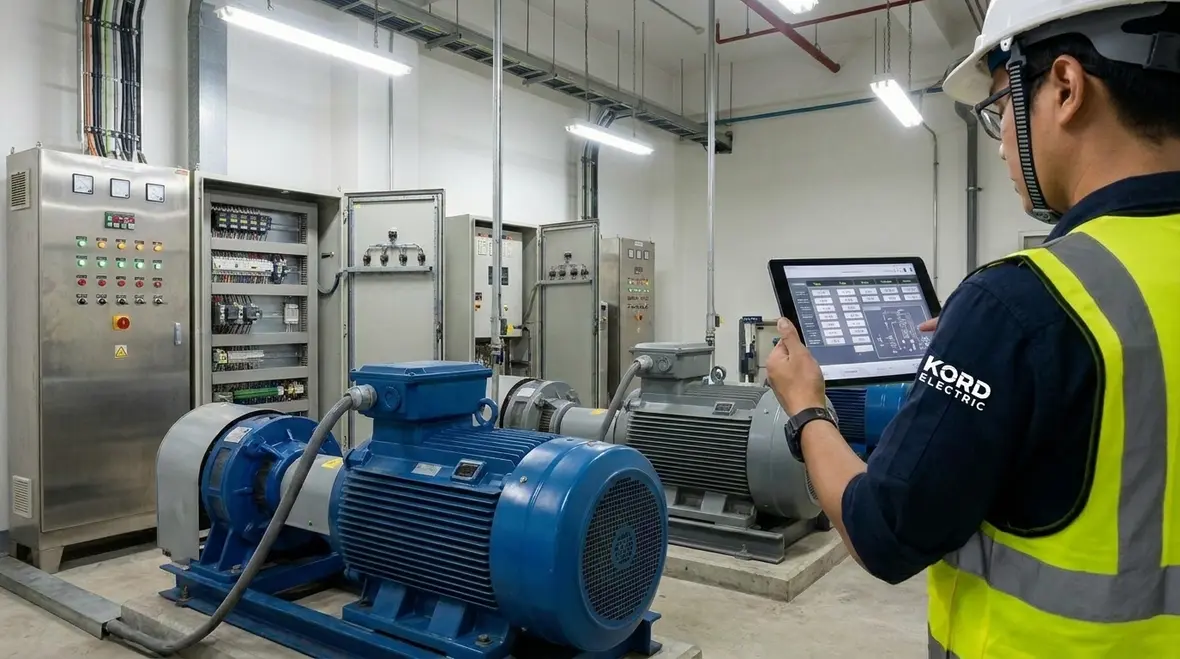
Voltage selection and feeder routing for real expansion paths
After load forecasting, we focus on how power will move through the building. We choose voltage levels based on utility availability, distance to loads, and the role of transformers and switchgear. In addition, we plan feeder routing so crews do not have to fight the facility layout during construction windows.
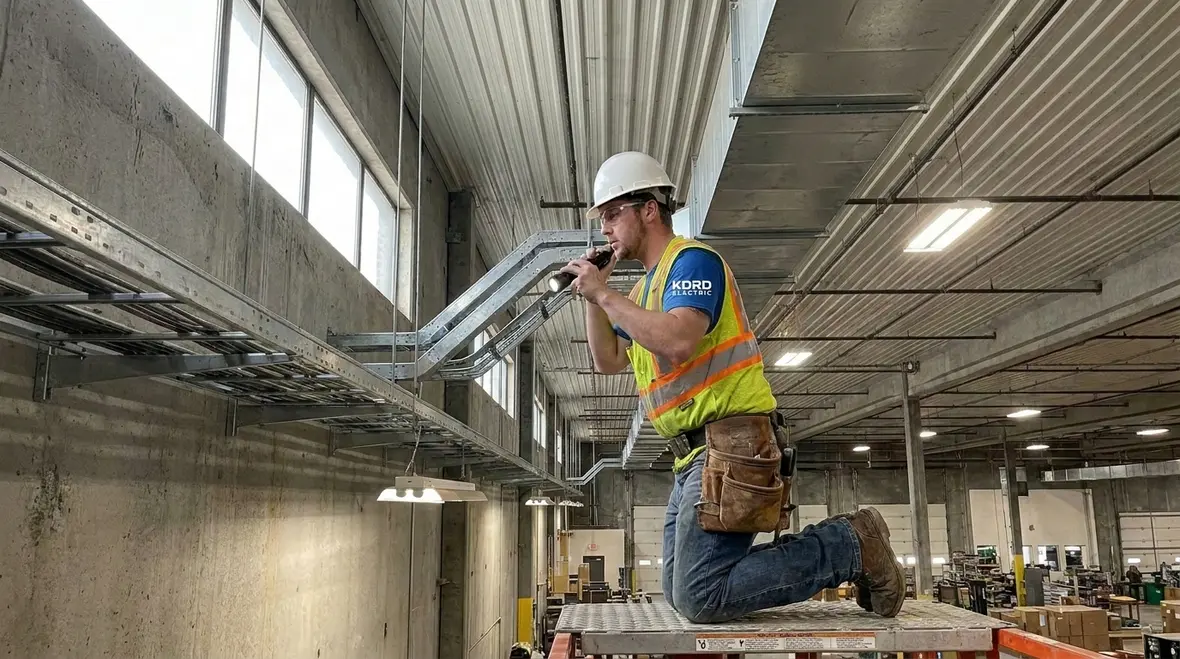
Here, our team uses practical expansion routing logic. We prefer bus duct or modular feeder systems when the facility needs predictable growth. When corridors or electrical rooms have limited capacity, we plan cable tray pathways and spare capacity early, so future circuits have a clean route without demolition.
Also, we consider system losses and voltage drop, especially for larger industrial runs. If voltage drop gets ignored, equipment performance can degrade, and equipment failures show up right when the calendar says you should be shipping product. We like fewer surprises. You know, like the kind that happen when someone plugs in a blender on a circuit meant for a panel.
Switchgear, transformer planning, and protection coordination that scales
Switchgear and transformers do not just “exist.” They either support your expansion with margin, or they become the bottleneck that delays the entire project. Therefore, we design the one line and protection strategy together so short circuit performance and selective coordination remain intact after each build phase.
Our expert service staff explains the protection concept in plain terms. We show how breakers, fuses, and relays work as a set, and we clarify why upstream and downstream settings matter. Next, we coordinate devices so a fault clears where it starts, not where it causes the most inconvenience.
We also plan transformer capacity with future loading in mind. Instead of oversizing only what is on the schedule, we examine probable additions. Then we verify the design using fault studies and load modeling so the facility can expand without replacing major equipment prematurely.
Meanwhile, we keep reliability central. A well protected system improves uptime, and uptime is the only metric that truly makes executives smile without needing a motivational poster.
Power quality, harmonics, and startup surges during phased construction
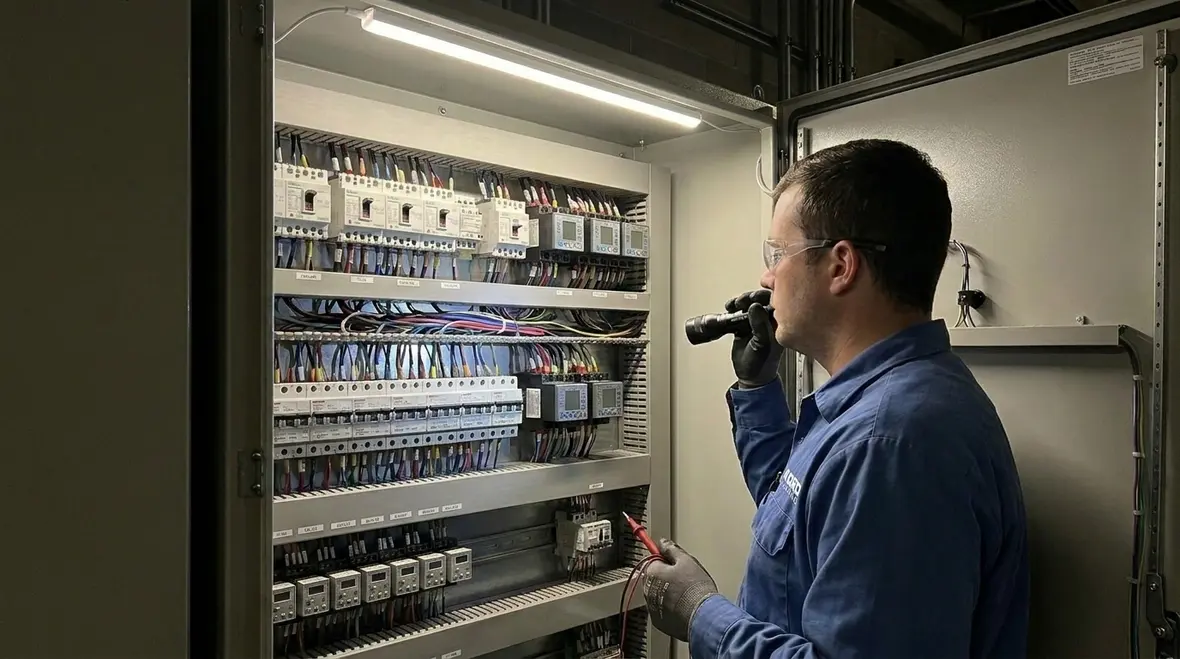
Industrial expansions often arrive in phases, and power quality does not politely wait until phase two to act up. For that reason, we plan for harmonics, transients, and motor starting impacts right away. This matters especially in facilities that use variable frequency drives, automated controls, welding equipment, or large HVAC systems.
To stay ahead, we review existing system conditions and the power quality profile from metering when available. Then we model likely harmonic sources from the new equipment. After that, we select appropriate solutions such as transformer configuration, filtering where needed, and proper grounding practices.
Our technicians also help clients understand the difference between a one time disturbance and a recurring issue. For instance, a startup surge might be acceptable if protection and voltage recovery stay within limits. However, repeated disturbances can cause nuisance trips, overheating, and premature insulation aging.
And yes, power quality issues can sound like spooky folklore until you see the records. We prefer records over spooky folklore. For facilities already battling unstable voltage, it often makes sense to review how the expansion plan aligns with dedicated support for voltage fluctuations in commercial and industrial buildings, so new equipment does not land on an already shaky foundation.
Budget and schedule control through phased design and commissioning
Strategic power distribution planning only helps if it fits budget and schedule. So we structure the work to reduce risk during construction and minimize downtime for occupied areas. First, we establish a phased design approach that matches how the facility expands operationally. Next, we design temporary power interfaces thoughtfully so they do not become permanent headaches.
Then we coordinate the sequence with the civil, mechanical, and controls teams. This prevents a common problem where electrical rough-in arrives after cable tray space got used for something else. Our service staff explains the process step by step, because clarity reduces rework.
Commissioning closes the loop. We plan for testing and verification, including insulation resistance checks, breaker operation, and load acceptance testing. Also, we ensure documentation is clean and usable for operations. The goal is simple: after energization, the facility moves forward without guesswork.
We also help clients plan what to monitor after turnover. That way, operational teams catch issues early instead of waiting for maintenance to write a sad email. For many properties, pairing expansion work with a structured electrical preventive maintenance program keeps those early warning signs visible instead of buried in the background.
How do we deliver industrial power distribution planning basics end to end?
At Kord Electric, we run a disciplined process from discovery to energized systems. First, our team collects facility data, utility requirements, and equipment schedules. Next, we develop industrial power distribution planning basics into an engineering package that supports phased expansion, including one line diagrams, protective device coordination, and load and voltage studies.
After engineering, we support design intent during field execution. Our technicians review installs and help troubleshoot issues that could compromise capacity or reliability. Then we move into commissioning and documentation, so the facility receives not only hardware, but also an organized understanding of how everything works.
Along the way, our expert service staff communicates in a way that operational leaders can trust. They do not hide behind jargon. They explain why decisions matter, and they connect the design choices to outcomes like uptime, safety, and growth readiness.
And if you ever wonder whether a plan is “good enough,” we test it. Because hope is not a spec, and luck is not a protection setting.
FAQ: Expansion-ready distribution for commercial and industrial facilities
Call Kord Electric to plan your next expansion with confidence
For commercial and industrial facilities, power upgrades should feel controlled, not chaotic. Kord Electric helps teams plan industrial expansions with disciplined load forecasting, scalable equipment selection, protection coordination, and commissioning support. When you partner with us early, you avoid rushed field changes, protect uptime, and create designs that actually handle future growth. If your facility has an expansion coming, contact Kord Electric now so we can review your load plan, confirm capacity, and map a safe, reliable path forward.
If your expansion also involves broader upgrades such as rewiring or new distribution equipment, our team can align your plan with services outlined in resources like the Rewiring Cost Guide for Commercial Electrical Systems, so budget, schedule, and infrastructure strategy all move in the same direction.
Ready to turn industrial power distribution planning basics into a buildable roadmap for your facility? Our licensed commercial and industrial electricians design distribution systems that respect code, support growth, and stay practical for day-to-day operations. Start by scheduling a walkthrough or sharing your existing drawings, and we will translate your expansion goals into a clear, phased electrical plan that is ready for the field.
To explore how these designs fit into your larger maintenance and reliability strategy, you can also review our dedicated Electrical Preventive Maintenance service page, which outlines how ongoing inspections, testing, and reporting support expansion-ready systems over the long term.


