
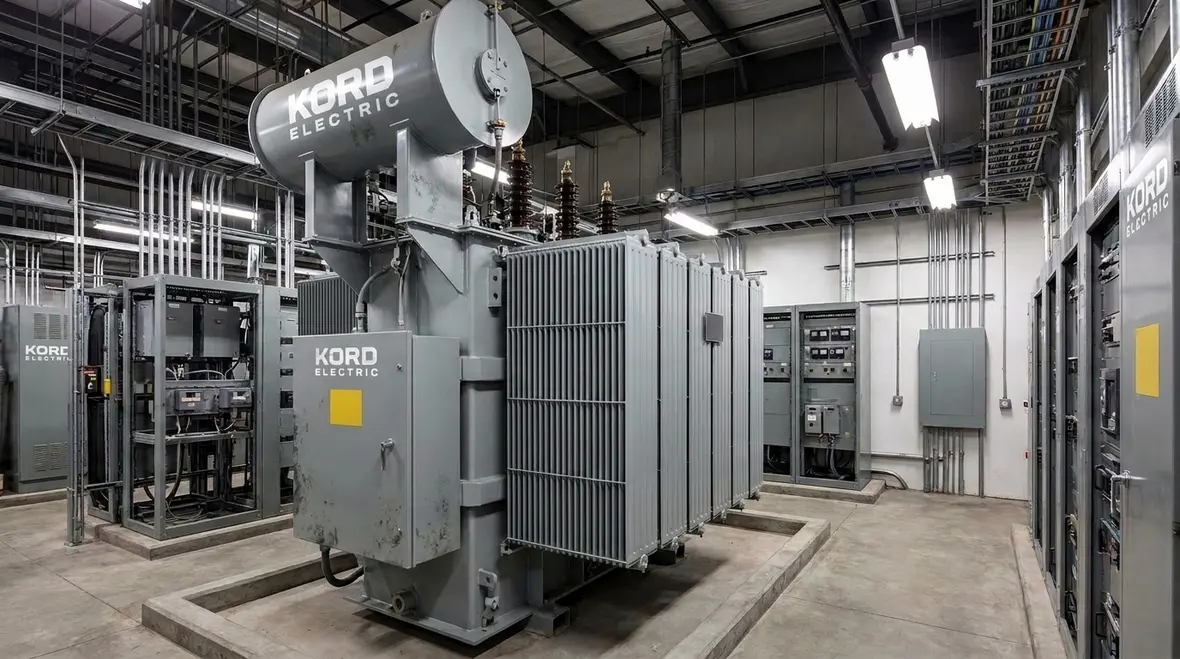
IT Distribution Transformers and NFPA 70 646.21
IT distribution transformers, NFPA 70 Section 646.21, and what commercial teams must know
When a commercial or industrial facility designs its electrical system, details matter, especially around NFPA 70 Section 646.21 IT distribution transformers. Within the first steps of planning, these transformers help teams manage power in IT systems and reduce the impact of single point faults. In short, they support continuity of service when something goes wrong, and we at Kord Electric build our guidance to match real jobsite conditions, not just textbook theory.
Our expert service staff and technicians explain this in plain language because the rules can feel like they were written by a committee that never met a maintenance tech. Yet, when you follow the requirements correctly, your facility runs steadier. Then again, steadier beats “mysteriously offline” every time, even if a suspense drama would call that plot.
NFPA 70 for 2026: how the National Electrical Code affects your facility
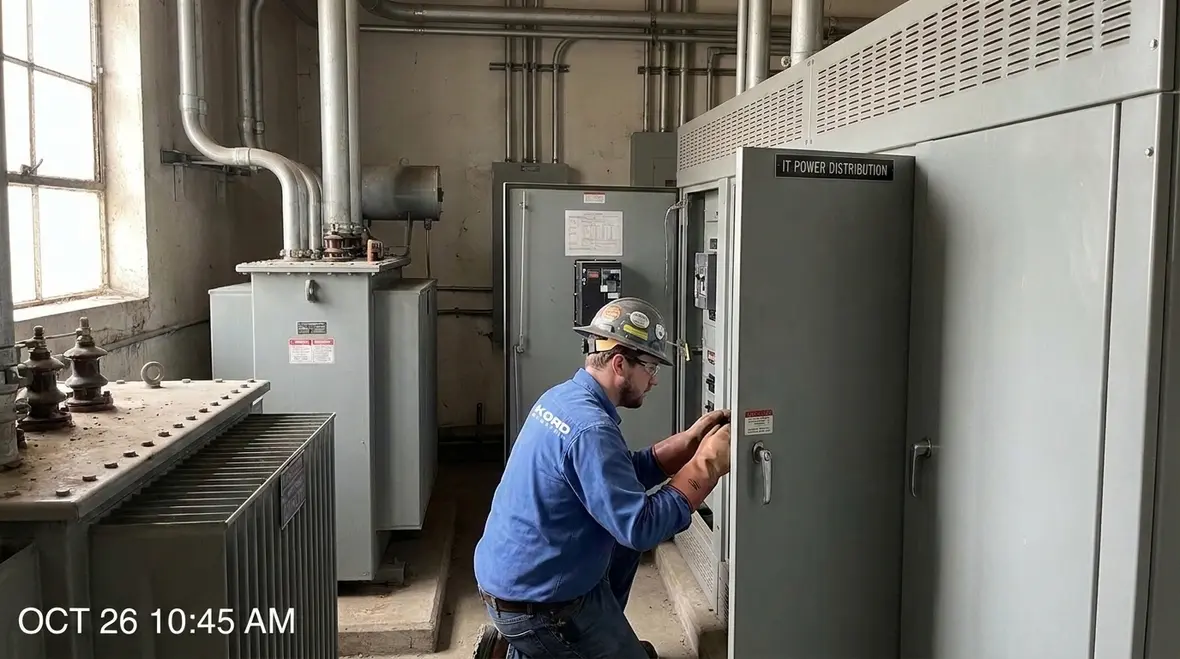
NFPA 70, the National Electrical Code, sets the baseline for safe electrical design and installation in the United States. However, for commercial and industrial buildings, the practical impact shows up in load calculations, grounding methods, conductor ratings, and system protection choices. As we review project documents with our clients, we often see teams focusing on equipment names while overlooking the rules that govern how the equipment must behave under fault and abnormal conditions.
That is why our technicians take time to connect the code to the layout. For example, they explain how IT system rules influence transformer application, how the system’s fault strategy affects alarms, and how documentation should align with installed reality. At Kord Electric, we also coordinate with fire and safety partners when projects touch fire pump rooms and emergency circuits, because electrical choices can either support safety systems or complicate them.
For facility leaders who want a broader grounding in the code before they zoom into IT applications, our team also shares guidance in resources like Understanding NFPA 70: The National Electrical Code Explained for 2026, which walks through how NEC changes affect real projects, not just code books on a shelf.

Where IT systems fit, and why Section 646.21 is not just a “checkbox”
IT systems aim to manage power distribution so that a first fault does not immediately shut the system down. In turn, this supports critical loads like controls, monitoring systems, and certain process equipment where you need time to respond. Then the conversation shifts to NFPA 70 Section 646.21 IT distribution transformers, which address the transformer role inside this strategy.
IT distribution transformer requirements tie directly to expected performance during abnormal events. Therefore, teams must treat these transformers as more than a procurement line item. We guide clients through how the transformer supports insulation monitoring, how it interacts with the system grounding arrangement, and why field acceptance should verify that what was specified matches what is installed.
In plain terms, if the transformer does not fit the design assumptions, the facility can lose the very benefit IT systems are meant to provide. And once the alarms start, everyone suddenly becomes an instant electrician. We prefer that you avoid that style of education.
Design essentials: grounding, fault behavior, and installation details that hold up
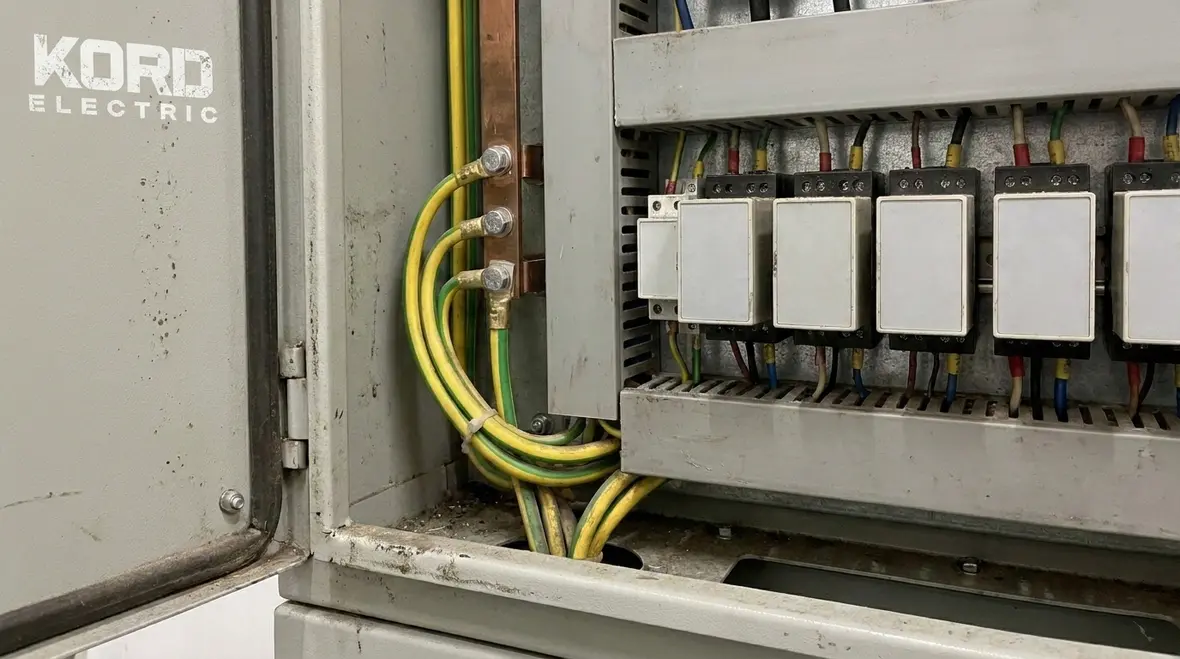
Even when teams understand the high level goal, they still need to get the details right. For IT systems, the grounding approach drives how the facility detects and manages first faults. As a result, the transformer, the grounding method, and the associated monitoring equipment should work as one system.
Our expert service staff at Kord Electric explains these design essentials during plan reviews for commercial and industrial projects, including major property buildings. We walk through key points that affect outcomes on day one and on day one hundred.
Common design factors we verify
- Insulation performance and coordination: We check that design intent matches equipment data so the system maintains the expected behavior under fault conditions.
- Grounding and monitoring alignment: We confirm the grounding arrangement supports the monitoring strategy without creating unintended pathways.
- Conductor and protection selections: We review how conductor sizing and device ratings support safe operation across the expected load range.
- Physical installation quality: We pay attention to termination practices, labeling, and routing so the system stays predictable after maintenance work.
- Documentation and handoff: We help teams keep as built details consistent with design paperwork, so future troubleshooting does not become archaeology.
In addition, we stress testing and commissioning because code compliance is not only about what was installed. It is also about how the installed system performs. When the commissioning checks match the expected fault response, the facility gains stability instead of surprises.
Coordination with safety systems: keeping electrical and fire goals in sync
Facilities rarely rely on electricity alone. When electrical systems connect with safety systems, the project succeeds when both sides plan in the same direction. That is why we emphasize coordination for commercial and industrial sites that include fire pump areas, emergency circuits, and life safety loads.
Although the National Electrical Code addresses electrical safety, fire system performance depends on power quality, correct protection, and reliable pathways. Therefore, our team works to ensure electrical design choices support the broader safety plan. Where needed, we coordinate with partners such as fire pump related resources like firepumps.org and fire-focused code guidance found in industry resources, including content published by teams connected with Kord Fire at kordfire.com and kordfire.com.au.
We also recommend clients keep a clear chain from design through installation to documentation, because life safety equipment does not tolerate “close enough.” If that sounds strict, it is only because a facility has to stay calm when something else does not. Pop culture may reward chaos, but engineering does not.
How our Kord Electric technicians explain NFPA 70 in the field
Code language can feel like it was written to frustrate busy people, and honestly, sometimes it does. So our technicians translate it into what matters: how a system gets installed, tested, and maintained. They explain how NFPA 70 principles shape wiring methods, how protection devices respond, and why certain choices affect fault response and continuity.
When teams ask, we respond with practical steps. For example, if a project involves IT systems and transformer application, our technicians describe what to check during inspections, what to confirm during commissioning, and how to train facility staff for routine monitoring. We also help others avoid common traps, such as unclear labeling, mismatched documentation, and missing acceptance checks.
And yes, we make room for humor because if you cannot laugh while dealing with complex rules, the electricians union might file a complaint. The goal remains the same though: clear understanding, safer installations, and fewer “why did this trip” calls after hours.
What compliance looks like during inspections and commissioning
For commercial and industrial facilities, compliance is not a single moment. It plays out through review, installation, testing, and documentation. We build compliance plans that align with typical inspection needs, while still protecting the project schedule.
What we focus on before energization
- Design match: We verify equipment details align with specifications, including transformer-related IT system intent.
- Termination and labeling: We ensure connections follow requirements and identify each circuit in a way that maintenance staff can use quickly.
- Protection settings: We confirm settings match the study and actual load conditions, so fault response stays predictable.
- Testing and verification: We support checks that confirm behavior under normal and abnormal conditions, not just insulation appearance.
- As built and closeout: We prepare documentation so future teams can troubleshoot without guessing.
Then, when inspectors arrive, the facility does not rely on memory. Instead, we provide organized records and clear system explanations. That approach reduces friction, and it keeps the project moving. Transitioning from theory to energized reality is where projects either build confidence or lose it. We work to keep you on the confidence side.
For sites that want to push reliability further, our guidance on data-driven electrical planning and maintenance can help. Many facility leaders pair IT system design work with broader reliability programs, drawing on Kord Electric resources such as our data-driven design insights and our preventive electrical maintenance approach that keeps systems ready instead of reactive.
How NFPA 70 Section 646.21 IT distribution transformers support long-term reliability
Zooming back in on NFPA 70 Section 646.21 IT distribution transformers, the long-term reliability story depends on more than passing an initial inspection. Over years of service, commercial and industrial facilities change loads, add equipment, modernize controls, and occasionally repurpose spaces entirely. Each of those changes can place new stress on IT transformers and the distribution around them.
We see the best outcomes when owners treat IT transformers as living assets inside a reliability plan. That means trend tracking on insulation resistance and monitoring alarms, periodic checks on grounding paths, and updates to documentation whenever panels or feeders get modified. An IT transformer that was perfectly coordinated at commissioning can drift out of alignment with the system if those changes are not recorded and reviewed against the original assumptions.
In other words, NFPA 70 compliance is not a one-and-done event. Section 646.21 establishes how IT distribution transformers should function in the system; your maintenance and documentation habits decide whether they keep doing so ten years later. Kord Electric helps teams fold these transformers into broader programs for electrical load balancing, panel upgrades, and preventive maintenance so reliability does not depend on one person’s memory or a dusty binder.
Linking IT transformers to broader commercial electrical services
For many facilities, IT systems and Section 646.21 transformers are just one part of a much larger electrical picture. As buildings in Los Angeles County and across Southern California modernize, they often combine IT distribution updates with panel upgrades, new controls, and expanded distribution for future growth. That is where tying NFPA 70 Section 646.21 IT distribution transformers into a broader service plan makes life easier for owners and operators.
Our commercial and industrial clients frequently connect this topic with services like Los Angeles County electrical services for commercial and industrial facilities, where Kord Electric delivers full-system planning, upgrades, and troubleshooting. That unified view lets us check how IT transformers interact with the rest of the power system instead of treating them as isolated components.
By thinking this way, facilities can tackle modernization projects in phases. You might start with an assessment of existing IT systems and Section 646.21 compliance, then build a roadmap that connects transformer upgrades, distribution changes, and future capacity planning into one coherent path. The result is fewer surprises, more predictable budgets, and a power system that grows with your operations instead of constantly lagging behind.
FAQ
Ready to build a safer electrical system for your facility
If you are planning upgrades, new construction, or modernization for a commercial or industrial site, Kord Electric can help you bring NFPA 70 requirements into a design that works in the real world. Our technicians and expert service staff explain the rules clearly, verify details before energization, and support commissioning so your team can move forward with confidence. Contact us to review your project scope and transformer and IT system needs, and let’s keep the lights on for the right reasons.
Whether your next step is assessing existing IT distribution transformers, planning new NFPA 70 Section 646.21 IT distribution transformers for a project, or coordinating electrical work with life safety systems, our team is ready to help you build a roadmap. From early design through field installation and long-term maintenance, we focus on practical compliance that stands up to inspections and real-world operation alike.


