

NFPA 70 Section 646.10 MDC Flexible Power Cords Compliance
In commercial and industrial facilities, power is never just “power.” It is load control, safety, code compliance, and the kind of reliability that keeps operations moving when everyone else is having a long lunch. That is why we take the National Electrical Code seriously, including NFPA 70 Section 646.10 MDC flexible power cords. In plain terms, that section addresses how certain flexible cords can be used when the installation rules fit the job, the environment, and the risk level. And yes, we know people treat cords like they are immortal until they are not. Our technicians, and our expert service staff, explain the details in a calm, step by step way because a mistake here can turn into downtime, inspections delays, or worse. We help major property buildings and commercial sites apply the right rules with the right documentation, the first time.
How the NEC sets the rules commercial sites must follow
The NEC, which appears in NFPA 70, works like an operating manual for electrical safety in public life and workplaces. However, unlike a manual, it keeps evolving because job sites change, materials improve, and new risks show up. When we support large facilities, we do not treat NEC compliance as a checkbox. Instead, we treat it as a system. That system connects wiring methods, equipment ratings, grounding, overcurrent protection, and acceptable cord and cable use.
In addition, the NEC has real practical outcomes. When we apply it correctly, electrical systems fail less often, and staff can trust that the design matches the hazards. Moreover, inspections go smoother because the installation aligns with the expected standards rather than guesswork.
Our technicians also explain what “acceptable” means on a real site. For example, a flexible cord that might be fine in one controlled setting can become unsafe in another with physical damage risk, moisture, heat, or where movement causes wear. So we evaluate the environment, not just the product name.
What MDC flexible power cords cover under NFPA 70 Section 646.10
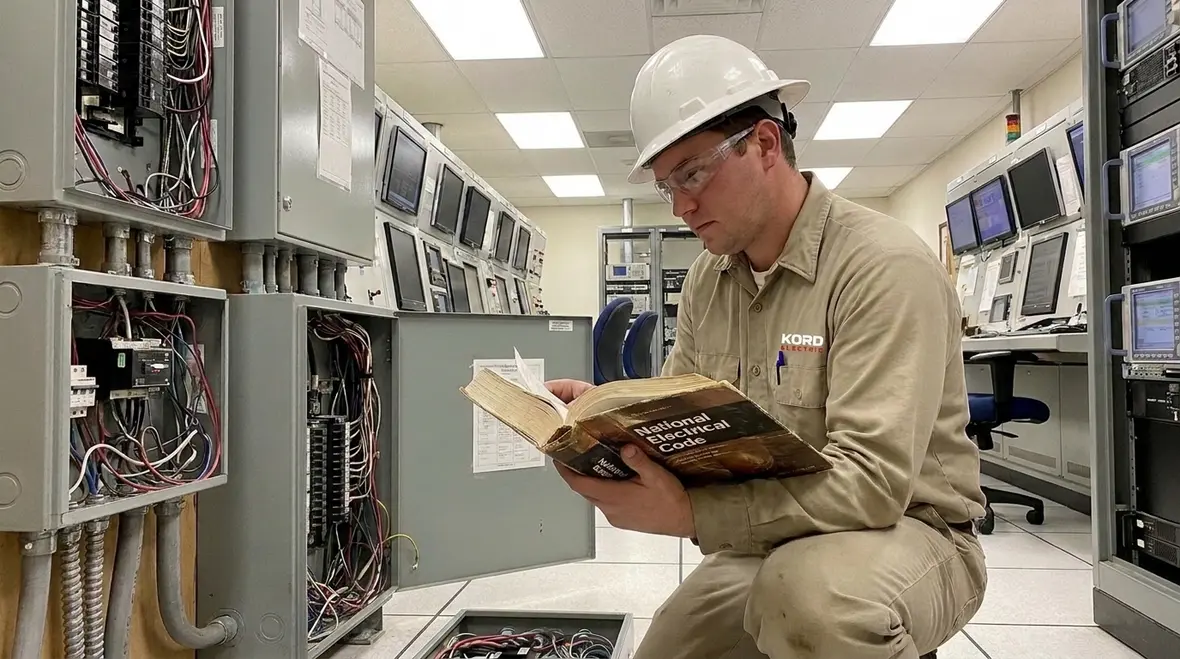
Now we get into the heart of it: NFPA 70 Section 646.10 MDC flexible power cords. This area helps define how certain cord types may be used in specific industrial settings. It focuses on the idea that the cord must match the use conditions, and the installation must not treat a cord like a permanent wiring method unless the code permits it.
We help our commercial and industrial clients by translating that rule into site actions. First, we verify the cord type and construction. Then we check how the cord is routed and protected. After that, we confirm how the cord gets connected and how the system handles strain, movement, and potential impacts.
And here is where people get tripped up, because cords can look “okay” until they are not. A cord can still conduct electricity while its insulation degrades, while the jacket cracks, or while the plug end loosens. Therefore, proper use under the code includes more than choosing a cord. It includes making sure the installation stays within the allowed limits.
Our expert service staff guides teams on what to document as well. For major property buildings, paperwork matters, because property managers and facility engineers need to show that safety and compliance decisions were made with a clear basis.
Choosing cord types and routing for real-world hazards
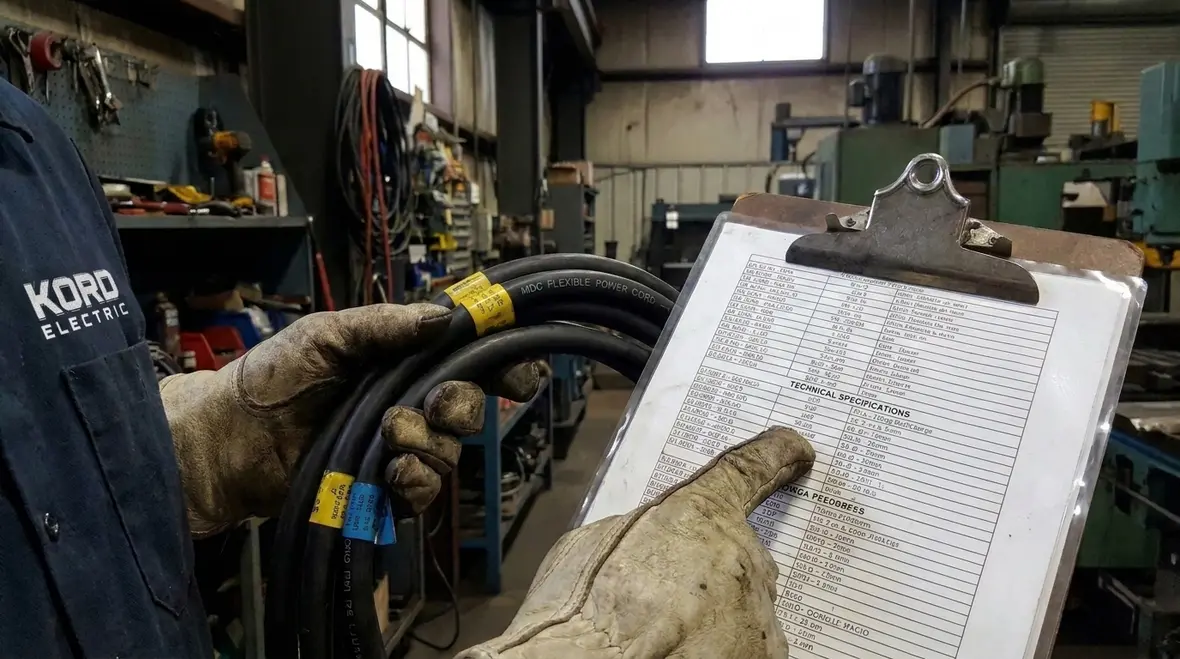
When we build or upgrade systems for commercial sites, we start by mapping hazards. Then we match them to cord use rules. Finally, we plan routing and protection the same way we would plan a route for people during a fire drill: direct, controlled, and protected.
Common hazards we evaluate include physical impacts, vibration, kinking from equipment movement, and damp areas near sinks, wash bays, or exterior access points. Additionally, we check temperature effects from nearby equipment and determine whether the cord runs through zones that expose it to oils or chemicals. If a facility has harsh conditions, we adjust the design early rather than pretending the cord will magically survive “just a little” abuse.
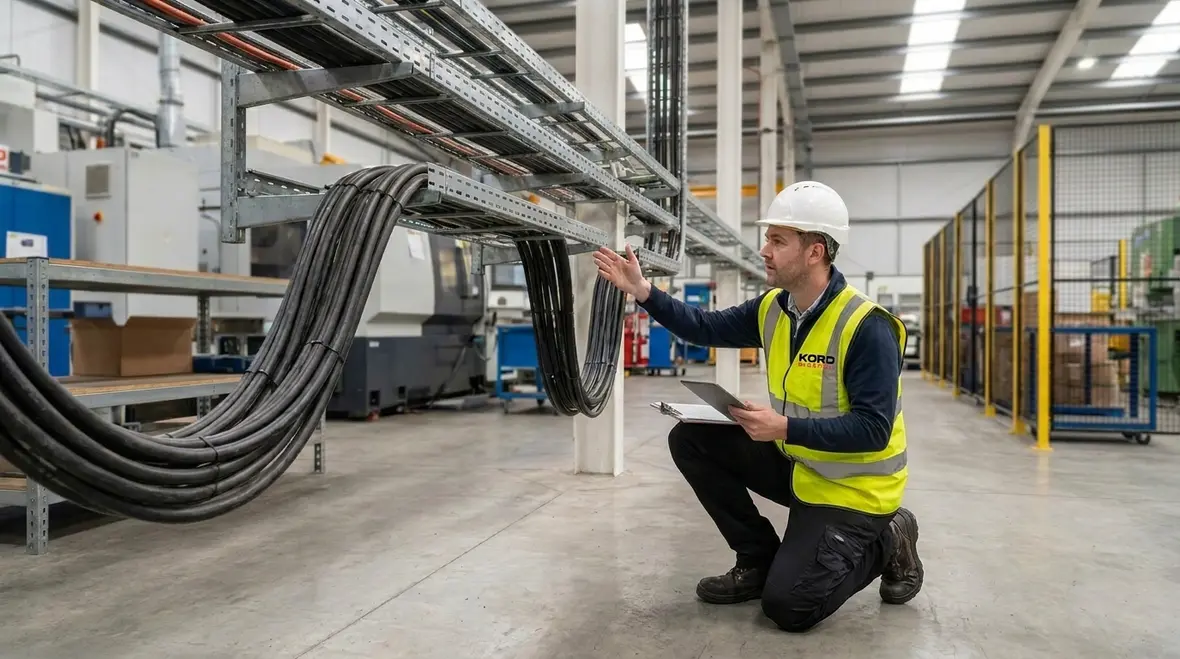
We also manage the human factor. People drag cords. Someone trips, even when they swear they never do. So we reduce strain and movement risk using routing methods, supports, and protection where appropriate. Our technicians explain the why behind each choice, because when teams understand the logic, they stop treating the installation like a prank setup.
Finally, we align cord planning with the broader electrical system. That means the cord does not fight the rest of the protection scheme. For instance, the overcurrent protection and equipment ratings must work together, not against each other.
Install, test, and document: what compliance really looks like
Compliance is not just “install it.” It is install it, test it, and document it in a way that survives real audits. For commercial and industrial facilities, we follow a disciplined flow that keeps work efficient and keeps results clear.
First, we verify design intent. Then we confirm that materials and components match the approved plan. Next, we check terminations and connections for tightness and correct setup. After that, we test and verify that circuits and equipment behave as expected.
Documentation then ties it all together. We help clients keep records that include what we installed, how it meets code intent, and what we tested. Moreover, for major property buildings, this helps with ongoing operations and future upgrades. If a team needs to troubleshoot later, they do not start from zero. They start with real data.
We also coordinate with the facility team so maintenance staff understand the do and do not rules. That way, the best installation does not get undone by the next “quick fix.” We know quick fixes feel good. We also know they can become long problems.
How NEC updates shape cord use and safety expectations
Even when the core idea stays the same, code updates can shift expectations for installation practices. As NFPA 70 evolves toward newer cycles, facility owners and electrical contractors need to stay aligned with the latest safety approach. In our work, we track changes and we translate them into action, so the site does not fall behind. For a broader perspective on how new code cycles are unfolding, you can also review our resource on Understanding NFPA 70, the National Electrical Code Explained for 2026, which takes a wider look at how evolving NEC guidance affects planning and upgrades across facilities.
For example, updates can impact how systems handle labeling, inspection readiness, and how installers show that conductors and cord connections meet the required conditions. Additionally, the market introduces new products, and that requires careful evaluation against code rules. Not every “new” solution is automatically safer, and not every product fits every installation.
We also connect this with facility realities. Major property buildings often include mixed-use areas, multiple tenants, and varied maintenance routines. Therefore, the cord and wiring strategy must support long-term operations, not just day one.
If you want a helpful way to think about it, treat NEC compliance like a seatbelt system. You do not look at it once and forget it. You keep it in good condition, and you know it should work when you need it.
Where teams commonly fail, and how we prevent it
We see predictable issues across commercial and industrial installations. First, teams sometimes treat flexible cords as permanent connections. Then they route cords where physical damage can occur. After that, they skip protection and rely on “good luck.” This is the electrical equivalent of wearing a helmet only on the days you ride fast. Eventually, something goes wrong.
Another frequent issue is poor cord handling during maintenance. Workers pull cords across floors, coil them tightly when they should be stored correctly, or reuse cords that show wear. Over time, that wear becomes insulation failure risk. That is why our technicians teach teams how to spot warning signs early and how to report damaged cords before they cause outages.
We also prevent failures by checking the full path, not just the cord. When we evaluate an installation, we look at connectors, strain relief, plug integrity, and how the cord interfaces with equipment. Moreover, we coordinate with facility procedures so replacements and inspections fit the site schedule.
And if someone tries to “shortcut” the compliance steps, we slow the process down just enough to keep the facility safe. We want your uptime more than we want our paperwork to be short.
FAQ: NEC cord rules for commercial and industrial facilities
Closing: call Kord Electric for code-aligned power cord planning
If you run a commercial or industrial facility, you need power practices that hold up under inspection and real operation. Kord Electric helps you plan and maintain safe cord use that aligns with NFPA 70 expectations, including NFPA 70 Section 646.10 MDC flexible power cords guidance. Our technicians and expert service staff bring clear explanations, careful installation checks, and solid documentation. To protect uptime and reduce risk, contact us today to review your site’s cord and power setup before a problem forces a rushed decision.
For facility leaders who want to connect cord strategy with broader system planning, our Building Electrical System Design: Planning Power for Commercial Facilities guidance pairs well with this topic, and our dedicated Los Angeles County electrical services help you apply that planning across real projects, inspections, and phased upgrades.


