Kord Electric Guide to California Lighting Code Updates 2026
Kord Electric’s guide to California lighting code updates for 2026
When a commercial site adds fixtures, swaps ballasts, or upgrades control systems, we do not treat lighting as “just aesthetics.” We treat it as compliance, safety, and energy performance. That is why Kord Electric follows the Commercial Lighting Code: Key Electrical & Energy Requirements closely, especially as California prepares for 2026 expectations. In our work, our technicians and expert service staff explain the rules in plain language, so building owners and facilities teams can plan upgrades without surprise costs later.
And yes, we still hear the same joke from time to time: “We’ll update the lights after the audit.” Unfortunately, the audit does not wait, and neither do electrical inspectors. Let us walk through what the 2026 path looks like for commercial and industrial buildings, and major property developments.
What the 2026 commercial lighting code requires for electrical safety
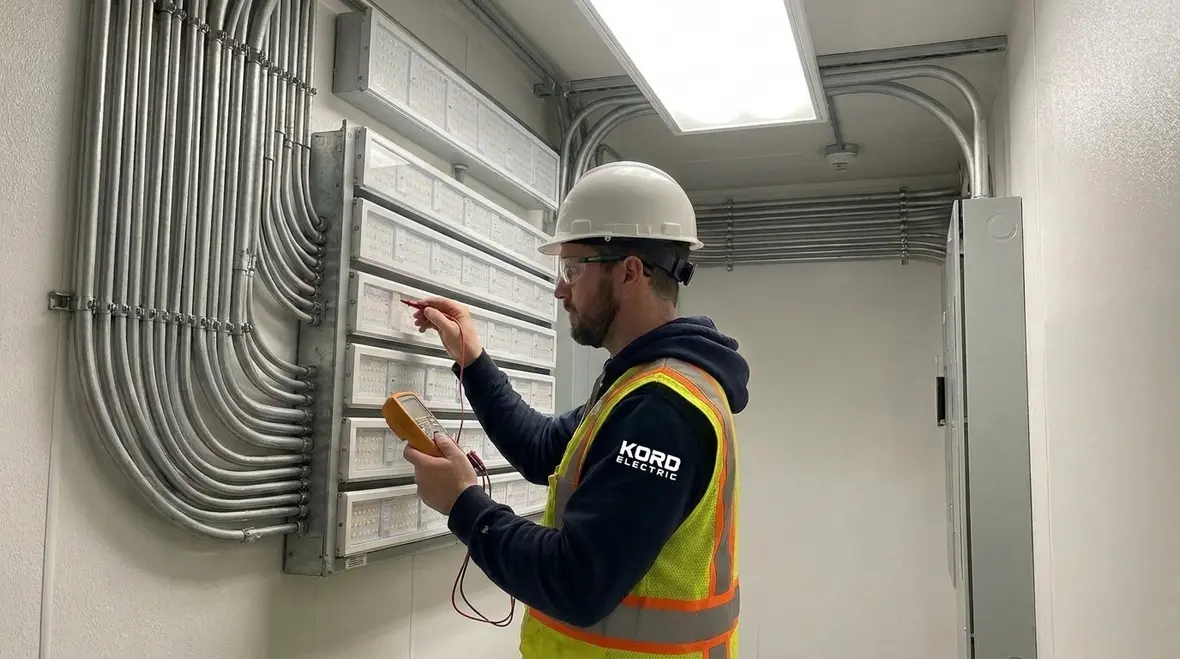
First, we anchor the conversation in safe electrical design. Our team sees common failure points: improper wiring methods, weak circuit protection, and controls that were installed without matching the building’s lighting layout. To prevent these issues, the Commercial Lighting Code: Key Electrical & Energy Requirements ties lighting performance to electrical fundamentals.
Here is what we pay close attention to, and why we do it early in the project schedule. We review the plan set so the lighting system’s power distribution matches the use area. We verify that luminaire installation supports code compliant mounting and that conductors follow correct ratings and routing practices. Then we confirm that switching and control devices behave predictably, not like a “haunted” occupancy sensor that turns off when nobody is ready.
Next, we coordinate emergency lighting and egress related lighting with the rest of the electrical system. In commercial spaces, this part matters because a lighting retrofit often touches pathways, stairs, and exit routes. Our technicians explain each step of the reasoning, including how inspectors typically evaluate the outcome. As a result, facilities teams avoid rework and keep downtime controlled.
How energy rules shape fixture choices and lighting performance
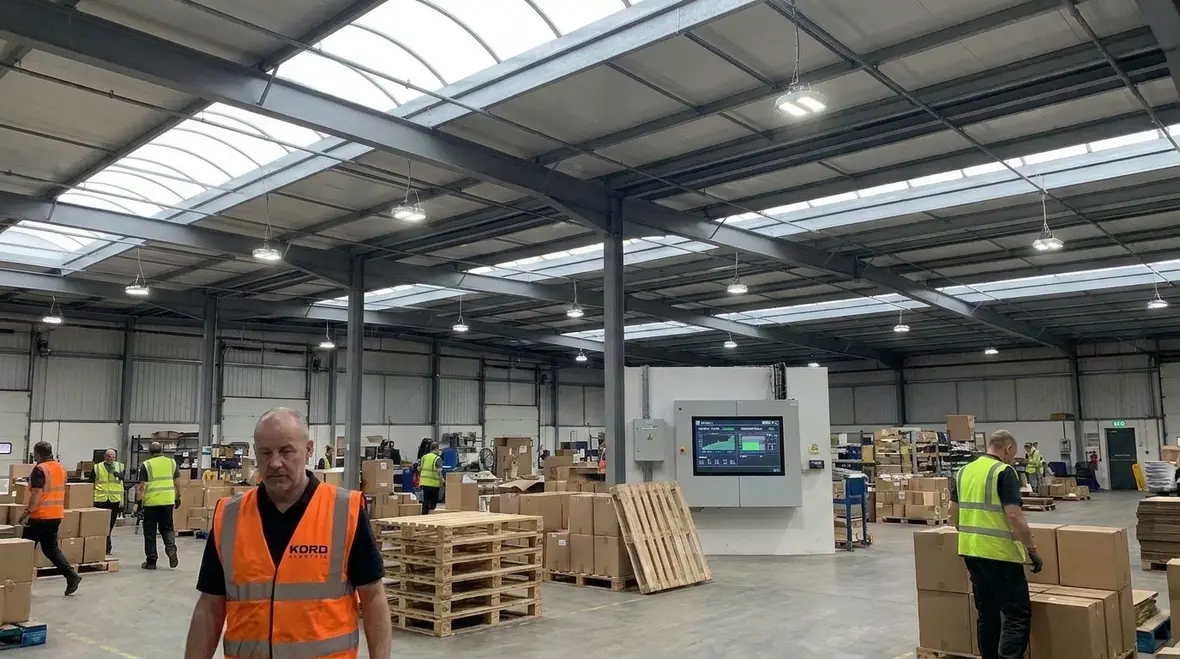
Energy is where the 2026 approach gets practical. Lighting is often one of the largest electricity loads in a building, so the code pressures the design toward efficient sources and smart controls. Our experts work with the facility’s operational schedule, because a warehouse that runs two shifts does not need the same control strategy as a lobby that sees steady traffic.
In many cases, we help teams make fixture and system decisions that support both performance and compliance. We look at lumen output and efficacy, but we also focus on how the light lands on work surfaces. That means we avoid “bright everywhere” designs that waste power and create glare. Instead, we aim for balanced illumination that meets the task area needs while staying aligned with energy expectations.
Then we connect performance to control. Dimming, scheduling, and occupancy sensing help reduce energy when spaces are empty or lightly used. However, controls must match the use pattern and the building’s layout. We do not install a controller “because it exists.” We install it because the facility behavior calls for it.
If you want to dive deeper into how these energy rules play out project-by-project, Kord Electric’s dedicated resource on the California Commercial Lighting Code Guide for 2026 walks through real examples of how commercial lighting design, controls, and power limits come together across different facility types.
Where lighting controls usually fail in real commercial builds
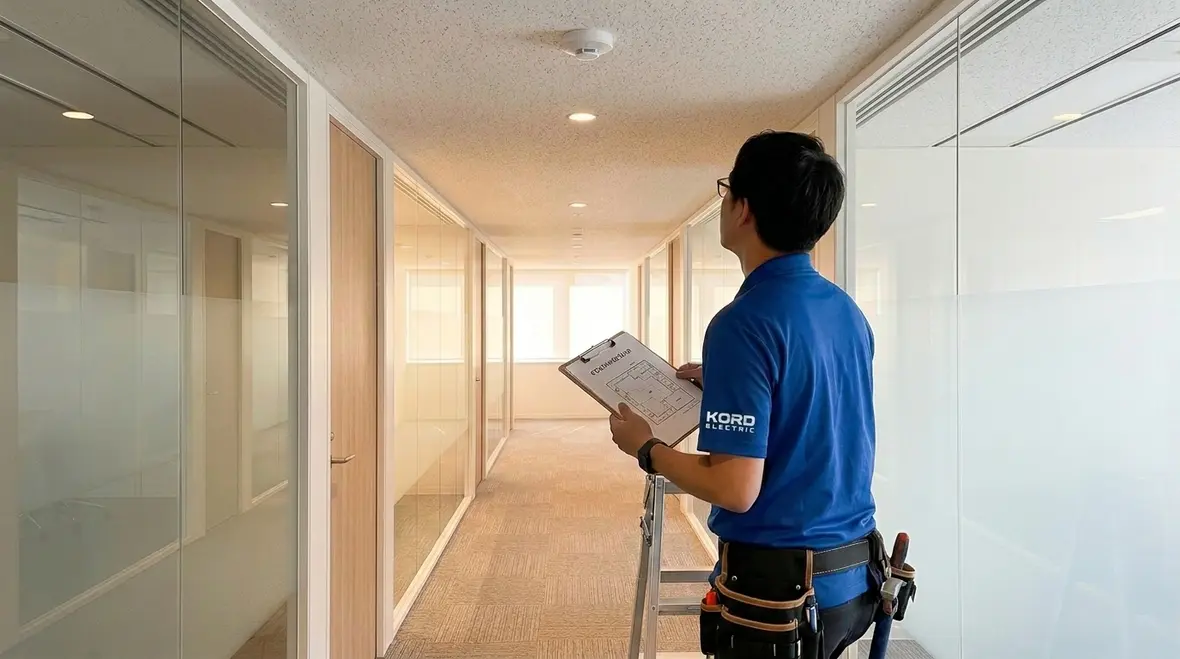
Controls can look simple on paper, yet they fail in the field for predictable reasons. Our service staff has seen the same patterns across offices, industrial areas, and mixed occupancy major property buildings. First, teams choose sensors without matching coverage. Then they leave out commissioning, or they commission only the controls, not the end to end lighting response. Finally, they rely on assumptions: “The contractor tested it once, so it should be fine.” That is like saying a coffee machine is safe because it brewed once. It might work, but you still check it.
In our process, we focus on coverage maps, switching logic, and override behavior. We review how zoning matches the space layout, including partitions and large equipment that can block sensor fields. We also verify that daylight response, if used, does not cause distracting flicker or unexpected dimming. Smooth operation matters for productivity, and it matters for compliance documentation.
Just as importantly, we train the people who use the system. Our technicians explain how facility staff should operate overrides and how to respond when a sensor report flags a zone. That way, the lighting system stays stable after handoff.
Commissioning and documentation that inspectors expect
In commercial and industrial projects, we treat commissioning like a core deliverable, not an afterthought. After all, energy and electrical requirements do not get approved by vibes. They get approved by evidence. Therefore, we verify that the installed lighting system matches the approved design and performs as expected.
We document key items such as control programming behavior, lighting circuit zoning, and how emergency provisions are maintained. We also support the client with a clear record of what was verified and what performance checks were completed. When our expert service staff explains the results, they do it in a way that building teams can reuse for internal audits and future expansions.
Now, we also address a subtle issue: field changes. Construction timelines shift. Tenants request layout tweaks. Warehouses add new aisles. When that happens without updating the lighting plan, performance and control behavior can drift. Our approach helps reduce that gap by coordinating with project teams before field changes become permanent decisions.
Retrofit planning for warehouses, offices, and major properties
Retrofits succeed when they follow a disciplined sequence. We start by mapping existing lighting circuits and controls so we understand how the facility currently operates. Then we identify the target areas that need improvements, including task lighting and general illumination zones. After that, we align the retrofit scope with the building schedule so shutdowns stay short and predictable.
For industrial sites, we pay attention to vibration, high bay mounting conditions, and the way dust and airflow affect optics. We also consider maintenance access, because a system that is hard to service often becomes neglected. For office environments and major property buildings, we focus on glare control and occupant experience while still maintaining energy discipline through controls and appropriate fixture selection.
Next, we coordinate with the electrical system. Upgrades can involve panel work, circuit adjustments, and revised switching logic. We make sure those changes match safety rules and do not create overload concerns. Then, we test and verify. In other words, we do not just install and hope. We install, verify, and document, with our technicians leading the field checks and explaining outcomes to the facility team.
For property teams focused on energy savings along with compliance, Kord Electric’s broader energy efficient commercial lighting retrofit roadmap connects these retrofit steps to long term performance and Title 24 alignment.
Commercial Lighting Code: Key Electrical & Energy Requirements in the field
Now let us connect the dots in a way that a facilities manager can act on. The Commercial Lighting Code: Key Electrical & Energy Requirements shows up in real decisions: how lighting circuits get protected, how emergency provisions get integrated, and how the energy performance gets achieved through efficient luminaires and control strategies.
Additionally, the code influences the way projects get packaged. Teams need correct design intent, proper installation methods, and measurable system behavior. If the building team forgets one of those pieces, compliance becomes a scramble at the worst time, usually right before occupancy or right before an inspection window.
That is where Kord Electric steps in. We support planning for commercial and industrial facilities and major property buildings, not one off residential jobs. Our expert service staff explains the “why” behind each requirement, so clients can make informed choices. And because we work toward fewer surprises, we help your project stay on schedule and your lighting stay dependable.
If your facility is in Los Angeles County or the surrounding region, pairing this lighting-focused planning with Kord Electric’s broader Los Angeles County commercial electrical services ensures that panel work, feeders, and distribution stay aligned with the same compliance mindset that guides your lighting decisions.
FAQ
Conclusion: Get a code aligned lighting plan with Kord Electric
Lighting upgrades only run smoothly when compliance and performance guide every step. Kord Electric supports commercial and industrial facilities and major property buildings with expert planning, safe electrical integration, and energy focused control strategies. Our technicians explain the requirements clearly, verify field performance, and help you avoid the kind of “surprise compliance” that eats budgets and schedules. If you are planning a retrofit or new installation, contact Kord Electric today for a lighting code review and a practical execution plan.
When you are ready to move from planning to action, Kord Electric’s dedicated commercial team can align your lighting code strategy with broader electrical upgrades, whether that means panel adjustments, capacity improvements, or integrating new control systems into existing infrastructure.