California Title 24 Lighting Requirements for Commercial Buildings
At Kord Electric, we help commercial and industrial teams meet California Title 24 Lighting Requirements for Commercial Buildings with work that stays code compliant and business friendly. In the first place, Title 24 focuses on energy performance, and that matters because lighting controls, power levels, and product choices directly affect how your building uses electricity. Next, we make sure your design and installation match what the California Energy Commission expects, not what a random guess thinks the code says. Then, once the job is live, we support the facility team so the system works the way it was supposed to work, not the way it ended up working after a late night “temporary” adjustment. And yes, we have seen more than one fixture treated like a seasonal fashion item. In this guide, we explain the rules clearly, and our technicians talk you through the practical impact on your project.
What California Title 24 lighting rules target in commercial and industrial buildings
In California, Title 24 lighting requirements exist to cut waste and keep lighting efficient in real operating conditions. Therefore, the code does not just care about whether lights turn on. It cares about how much power the system uses, how it responds to occupancy and daylight, and how it stays regulated across the day.
For commercial and industrial facilities, the biggest drivers usually include lighting power density limits, lighting controls that fit each space type, and compliance documentation for the project. Moreover, buildings often combine offices, warehouses, parking areas, and common spaces, so requirements may shift depending on the lighting zone and use.
When Kord Electric plans with the project team, we treat compliance like a system, not like a checklist. Our technicians and expert service staff explain what affects approvals and inspections, including what gets tested, what gets logged, and what gets verified. That way, your project avoids the classic “we will deal with it later” approach. Usually, later arrives with paperwork, and paperwork has a way of making everyone sweat.
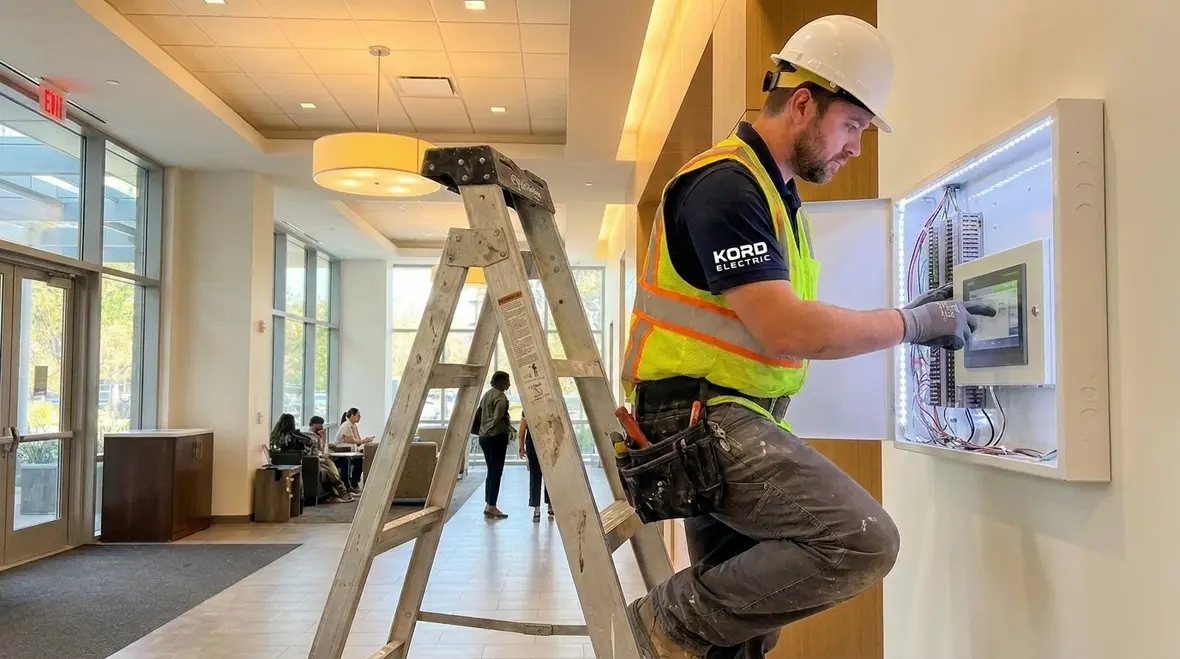
How lighting power, efficacy, and controls move together
Title 24 does not look at lighting in isolation. Instead, it connects fixture and lamp performance with control strategies. As a result, a space can meet requirements using different combinations of efficient luminaires, dimming, occupancy sensing, and scheduling.
Here is how the pieces typically connect for major property buildings:
- Power and efficiency: We help you select products that reduce watts while keeping the needed light levels for tasks.
- Controls: We design systems so the lights respond to real conditions, like when people arrive, or when daylight already does the job.
- Zones and tuning: We ensure controls match how the space actually functions, because over broad zoning often wastes energy.
- Commissioning readiness: We plan for testing, so the building does not stumble at the end of the job.
Then, our technicians explain the sequence during installation. They walk the team through what the control system does, how it links to schedules, and why settings matter. In other words, we do not just pull wire and call it a day. We build a lighting system that behaves like a trained professional, not like a sitcom character who presses the wrong button and acts surprised.
For a broader overview of how controls, zoning, and sensors work together, many facility teams find it helpful to pair this guide with our article on commercial lighting control design, zoning, and code requirements, which digs into how these strategies play out across real buildings.
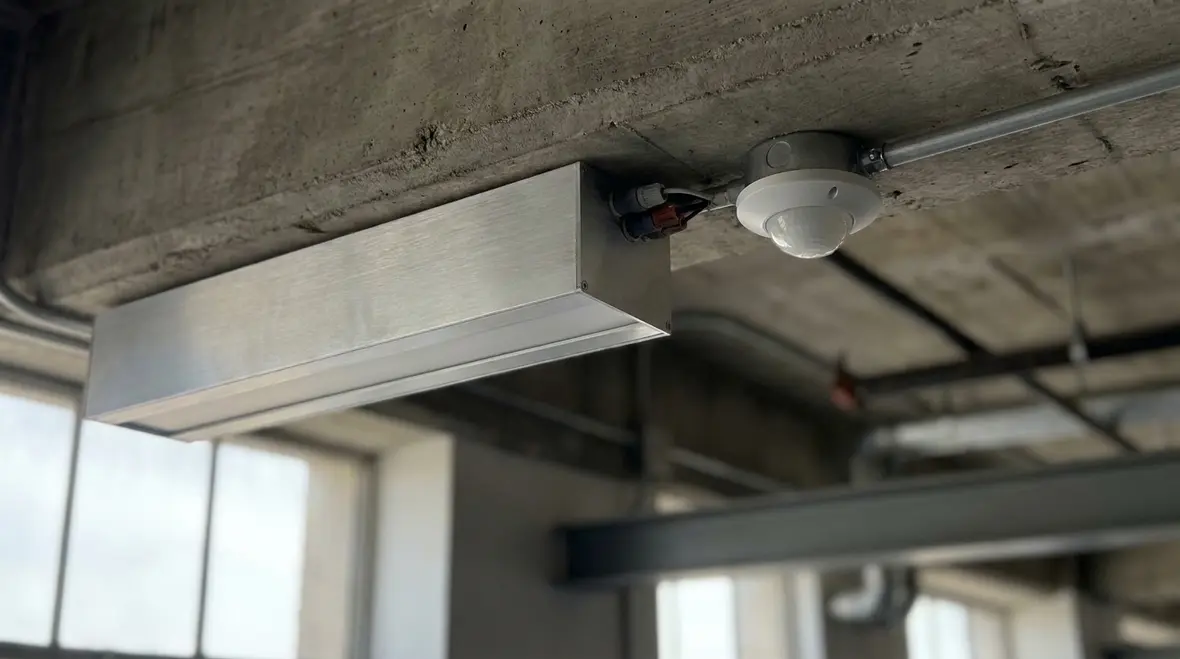
Daylight, occupancy, and scheduling: the practical compliance triangle
In many commercial spaces, daylight can carry a big portion of the work. However, daylight is not constant, so the system needs a smart response. Likewise, occupancy patterns change hour by hour, and schedules alone often miss reality. So, Title 24 pushes buildings to use controls that reduce power while maintaining safe, usable lighting.
When we work with property managers, we focus on the compliance triangle of daylighting, occupancy, and scheduling. First, we align daylight sensors and dimming so the system reduces output when natural light is sufficient. Next, we use occupancy sensing to prevent lights from running after spaces empty out. Finally, we match schedules to the site’s operations rather than a generic office assumption.
Our expert service staff then shows facility teams how to keep these controls accurate over time. For example, if someone changes the floor layout, we help evaluate whether lighting zones and sensor placements still make sense. That is how you avoid a slow drift into “it passes inspection once” territory, which is like winning a race and never training again.
If you want to compare these strategies to other lighting code topics, our team also explores broader code discussions like Commercial Building Lighting Code: California Requirements & Compliance and Lighting Audit California for Commercial Buildings: Code and Savings, which connect energy efficiency to day-to-day operations.
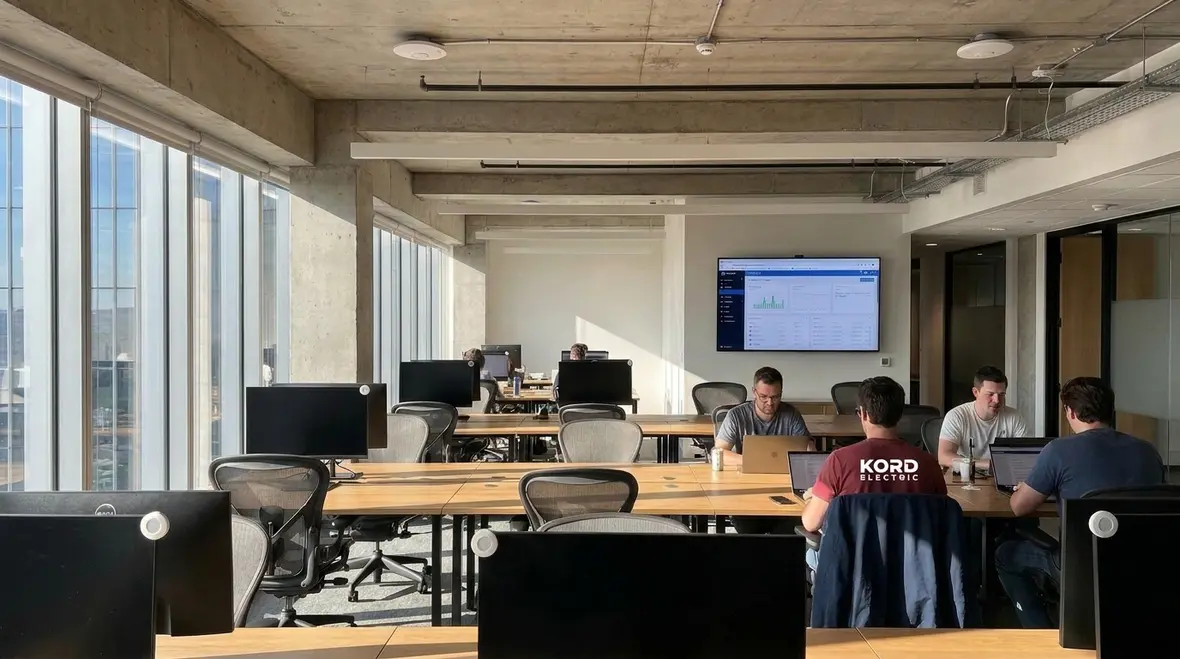
Common commercial spaces and what gets checked first
Different building areas need different approaches, and that is where projects get tricky. Even when teams understand the theory, they still face the reality of how spaces are used, how they are partitioned, and how occupants behave. Therefore, we often start by mapping areas that will see the most energy use and the most frequent occupancy changes.
Some spaces in commercial and industrial buildings typically get attention early:
- Offices and workstations: We look closely at dimming, schedules, and zoning so lighting supports tasks without wasting energy.
- Conference and break rooms: We ensure controls handle short stays and irregular use patterns.
- Warehouses and large open areas: We focus on control coverage, response time, and fixture placement consistency.
- Hallways and common areas: We confirm occupancy strategies and consistent power reduction.
- Parking areas and exterior lighting: We align strategies to reduce unnecessary runtime while maintaining safety.
To keep the process smooth, we coordinate documentation and installation details so the building team knows what to expect during review. Meanwhile, our technicians explain the “why” behind each decision. They describe how a control setting impacts energy and comfort, and they point out where shortcuts can create gaps later.
Teams who want a deeper dive into how lighting fits inside broader building systems often pair this article with resources like Modern Electrical Systems for Commercial Buildings: Technologies & Benefits, because those systems shape how reliable and flexible your lighting upgrades can be.
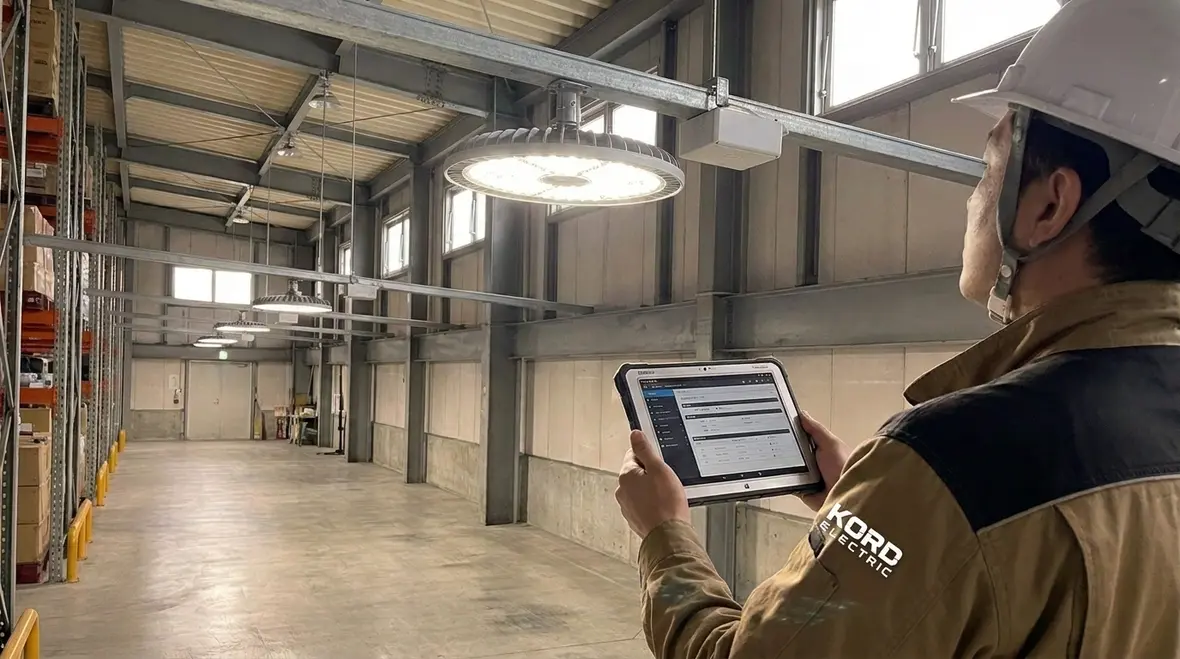
What compliance documentation and commissioning look like in the real world
For major property buildings, compliance is not only about equipment. It also includes records that prove the installation meets the requirements. This is where projects often feel like they enter a maze built by paperwork goblins. We get it, and we help you navigate it with a steady process.
During installation, we capture the details that matter for the lighting control setup and the selected fixtures. Then, we support commissioning so the system performs correctly under intended conditions. Moreover, we do not treat commissioning as a box to check. We ensure controls respond as designed and that dimming and scheduling behave predictably.
Our expert service staff also provides a handoff that facility teams can use. We explain how to interpret the system behavior, what adjustments are normal, and what changes require a recheck. That prevents the common scenario where someone “fixes” a setting, and the building quietly stops meeting expectations.
And if you are thinking, “We will train the staff later,” we politely remind you that later is where problems breed. Like mold, but with more forms.
If you are preparing for a complex project or a multi-phase upgrade, it can also help to review how electrical planning and documentation support reliability in articles like Data-Driven Electrical Design for Commercial & Industrial Facilities, which explains how modeling and careful record keeping keep systems predictable.
Dual column checklist for your project team
What we plan and verify
- Fixture selection for efficiency and performance
- Lighting control layout that matches how people work
- Dimming and daylight response where it matters
- Occupancy strategies for spaces with changeable use
- Scheduling alignment with site operations
- Commissioning readiness and documentation support
What your facility team should watch
- Sensor coverage and sensor settings after changes
- Any layout updates that shift lighting zones
- Operational changes that require schedule updates
- Reported “weird behavior” that indicates a setup issue
- Maintenance that keeps controls working properly
If your team wants a structured way to evaluate sites before upgrades, Kord Electric also outlines step-by-step approaches in resources like our California Commercial Title 24 lighting pieces and related planning guides. Those articles show how checklists like this connect directly to inspection outcomes.
Frequently asked questions about Title 24 lighting compliance
Facility teams often bring the same questions to early planning calls. Below, we answer the most common questions about California Title 24 Lighting Requirements for Commercial Buildings so you have a clear starting point before design meetings begin.
For teams that want a broader orientation before diving into project specifics, it can be helpful to read our overview article California Title Twenty Four Lighting Requirements, which connects these FAQs to real-world examples.
Why Kord Electric keeps projects smooth for property owners
When California Title 24 lighting requirements for commercial buildings come into play, the goal is simple: efficient lighting that works for people and meets code. Yet the process can feel anything but simple, especially across mixed-use spaces. That is why we focus on commercial and industrial work, with technicians and expert service staff who understand both the technical rules and the day to day realities of facility operations. We bring calm, clear communication and a steady installation process so your building performs like it should, from day one.
If your facility is in Southern California, our Los Angeles County electrical services bring Title 24 expertise together with broader electrical design, upgrades, and maintenance support. That means the same team helping you through inspections can also help with power quality, reliability, and future system changes.
For owners and managers planning multi-system upgrades, it can also be useful to see how lighting compliance fits into larger infrastructure decisions in related guides such as our data-driven design and commercial lighting installation resources on the Kord Electric blog. Those articles show how California Title 24 Lighting Requirements for Commercial Buildings connect to everything from panel capacity planning to long-term maintenance.
Ready to move forward? Contact Kord Electric for commercial and industrial lighting design support, installation, and commissioning assistance. We help you plan for compliance early, reduce surprises during review, and keep controls working correctly after handoff. Call us or reach out through our website to schedule an on site discussion and get a practical plan for your project. Let’s get your lighting system built right the first time, so everyone can stop worrying and start running the facility.
If you are coordinating lighting work alongside other electrical improvements, you can also explore our service pages for commercial and industrial projects across the region. These include comprehensive design, installation, and maintenance services that keep lighting, power, and controls aligned as your facility evolves.
When your next project needs support that goes beyond a single retrofit, consider pairing this Title 24 work with a full electrical review, so the systems behind your lighting stay as reliable as the fixtures themselves.