
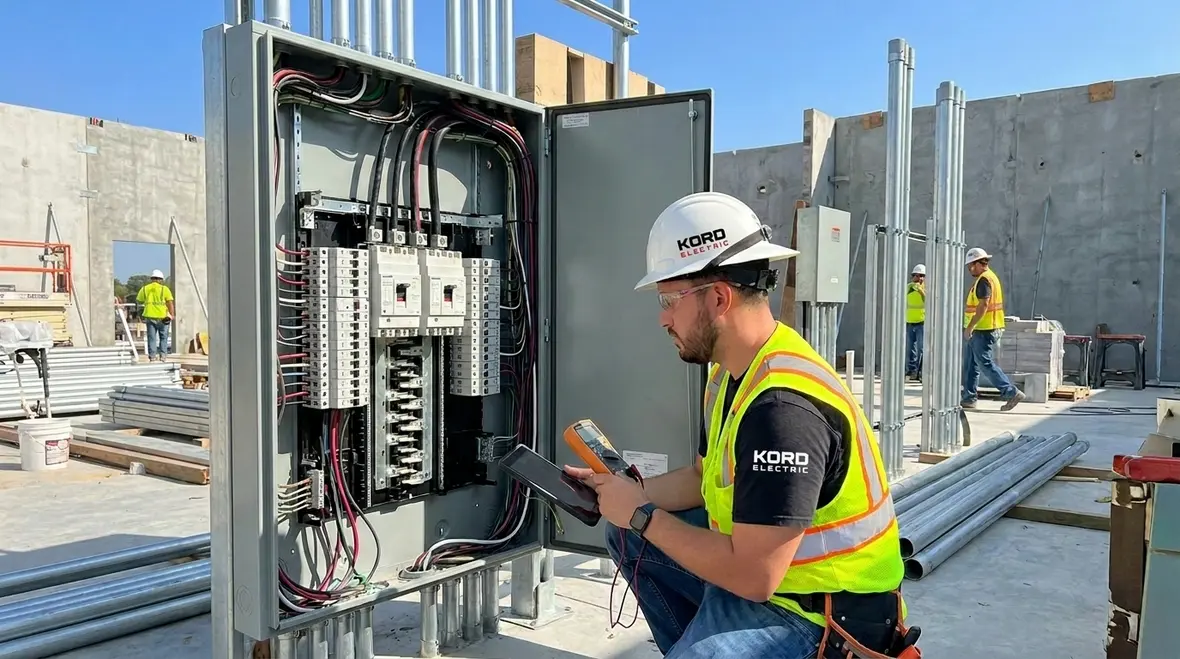
Modern Electrical Standards for New Construction
How We Approach Modern electrical standards for new construction projects
At Kord Electric, we build our process around modern electrical standards for new construction projects so commercial and industrial facilities start strong and stay dependable. In the first days of a new build, electrical work sets the tone for safety, uptime, and long term costs. So we follow best practices for new construction projects with a clear goal: power must arrive where it needs to, in the right quality, through the right protection. And yes, we take it seriously. After all, no one wants their building to behave like a malfunctioning TV during halftime.
Our technicians and expert service staff explain what they do in plain language, so decision makers can move forward with confidence. Then we document it, test it, and verify it again. That way, others do not inherit surprises later.
Electrical system planning that prevents costly rework

Before anyone pulls wire or sets panels, we help teams map the job with care. First, we review the building layout, equipment load data, and the operating schedule of the facility. Next, we coordinate with architects, electrical engineers, and contractors to match design intent with real world constraints. Then we confirm where major loads sit, including HVAC units, pumps, production equipment, refrigeration, lighting zones, and any future expansions.
To keep the process smooth, our technicians often ask questions early, when answers still change the outcome. For example, they look at short circuit and arc flash risk, plus how conductors route through trays and conduits. If someone tries to squeeze a cable run through a route that does not support bending radius or code spacing, we stop it. That is not us being difficult. That is us saving the project from paying the “we will fix it later” tax.
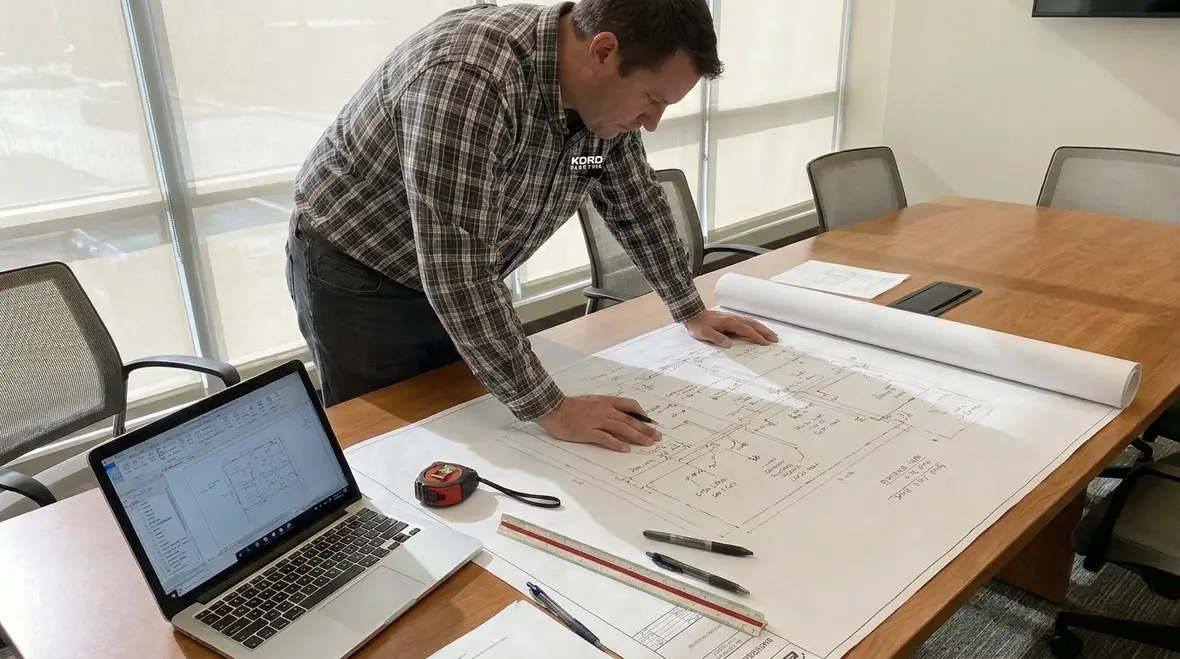
Right equipment selection for dependable commercial power
Modern construction means modern loads. So we select gear based on actual use, not guesswork. We evaluate service ratings, panelboards, switchgear, transformers, and distribution components so they handle the expected current and voltage variation. And we consider power quality needs for drives, controls, and sensitive electronics.
Then we set up coordination between protective devices. In simple terms, if something fails, the correct breaker clears the fault quickly while upstream devices remain stable. This limits downtime and prevents unnecessary outages that frustrate tenants, operators, and managers.
Our expert service staff also trains the teams on what “done correctly” looks like. They explain label standards, inspection points, and how to verify torque and termination quality. When people understand the why, the job moves faster and the installation stays clean.
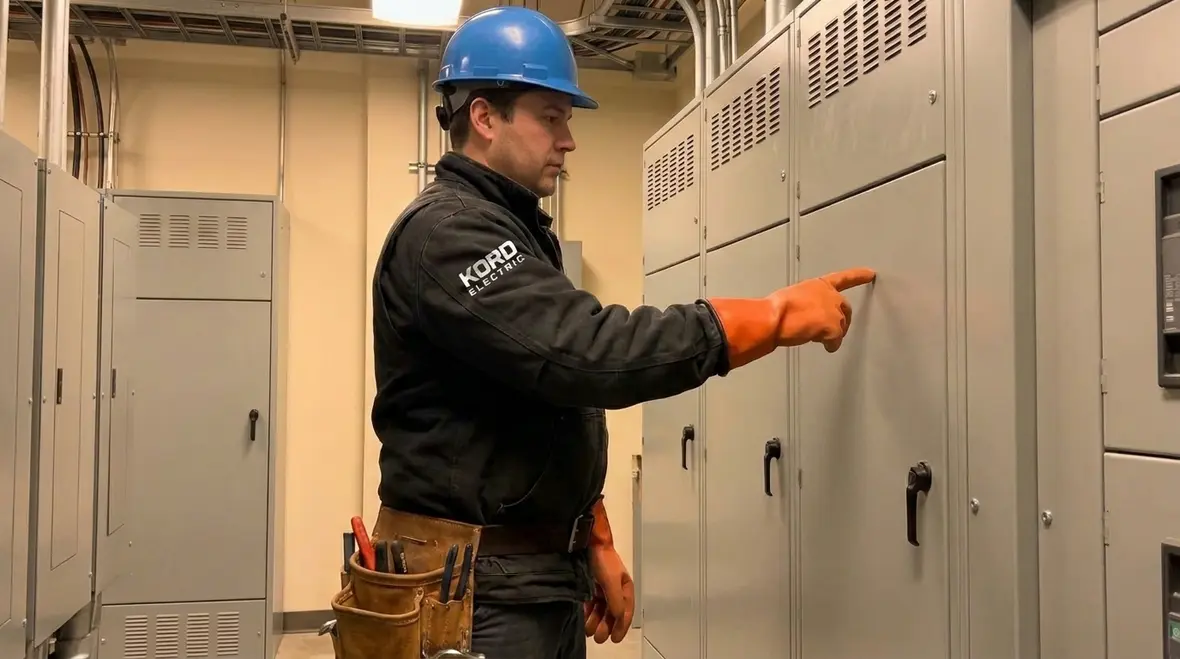
Installation quality that holds up under real operations
It is easy to think that an electrical system only needs to work during the inspection. We disagree. A facility must also perform after months of vibration, temperature swings, and normal daily cycling.
So we focus on installation details that impact long term reliability. We verify conductor sizing and insulation ratings, confirm grounding and bonding paths, and ensure proper cable management. We also check that terminations stay tight, that lugs match the conductor type, and that labels remain readable once the building finishes.
Transition by transition, our technicians follow a disciplined checklist approach. First, they confirm that conduit and fittings meet requirements. Next, they verify equipment placement and clearance. Then they confirm that phase identification and polarity match across circuits. Finally, they ensure that safety barriers and covers stay in place after testing.
And if a supervisor asks, “Is that really necessary?” our staff usually replies, “It is necessary the day after you stop watching.” That usually lands with a smile.
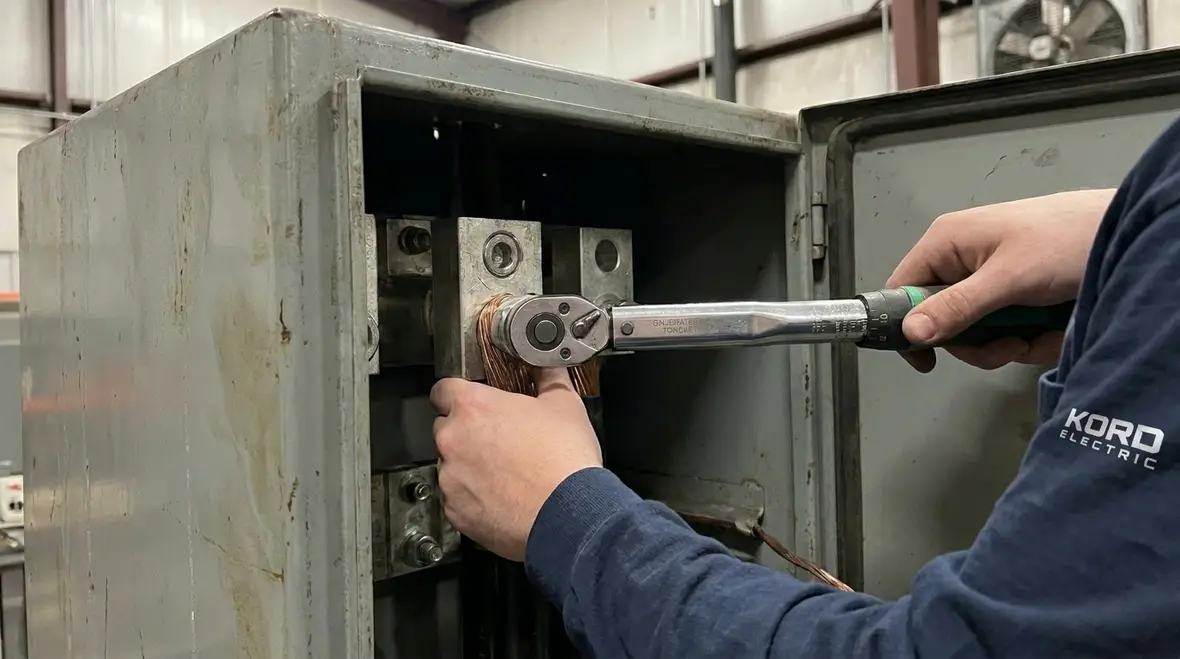
Testing, commissioning, and documentation everyone can trust
After installation, we do not simply flip breakers and walk away. We test. We measure. And we document. Commissioning matters because electrical issues often show up during load conditions, not during dry, quiet hours.
We typically verify insulation resistance, continuity, grounding performance, polarity, and phase rotation. Then we validate protective device operation and review coordination results. During commissioning, we also check that circuits deliver expected voltage levels and that panel schedules align with actual labeling.
Even better, we record results in a format that facility managers can use. When others must later diagnose a problem, they need clean history. We provide that clarity from the start.
Additionally, we coordinate the handoff process so operators understand how the system operates. Our technicians explain what to look for, how to read panel schedules, and how to respond to alarms without panicking like a character in a cheap action movie.
Preventive maintenance planning starts before the building opens
New construction cannot treat maintenance like an afterthought. Instead, we plan for the future during the build. This is where our work connects to electrical preventive maintenance practices we support after turnover.
If a facility delays maintenance planning, problems tend to build quietly. Over time, connections loosen, insulation ages, and components overheat in ways that do not always trigger immediate shutdowns. However, when teams follow an organized preventive schedule, they catch issues early, before downtime becomes a headline.
We often reference our preventive maintenance approach described on our site, including how regular inspections and targeted testing reduce the chance of failures. You can explore that overview here: electrical preventive maintenance.
Then, as part of commissioning and handoff, we help teams align preventive maintenance tasks with equipment types and operating needs. We also help set expectations for intervals and documentation, so maintenance staff work from data, not vibes.
Safety, compliance, and the reality of inspections
Commercial and industrial facilities face strict safety expectations. So we design the electrical system with safety in mind at every stage. We account for arc flash risk and work toward effective labeling and safe access procedures. We also verify that grounding and bonding support fault protection and that equipment enclosures protect personnel and equipment.
When inspectors arrive, we want the site to look and function like a professional job, not a rushed patchwork. Therefore, we keep records ready, we verify that circuits match the schedules, and we confirm that test results align with the equipment nameplate requirements.
Our technicians do not hide behind jargon. They explain what they checked and why it matters, and they keep the process calm for the people on site. That matters because stress makes mistakes feel faster than they should. And as any “late project sprint” crew knows, speed without safety is just chaos with better lighting.
FAQ
Closing CTA for commercial and industrial projects
If you are building a commercial or industrial facility and you want power that performs from day one, we want to help. At Kord Electric, we bring disciplined planning, quality installation, and thorough testing to new electrical work, then we support preventive care after turnover. Contact us for a commissioning focused walkthrough and a preventive maintenance plan that fits your equipment and schedule. Let us handle the details so your team can focus on operations, not electrical surprises. Reach out today.
To take the next step toward modern electrical standards for new construction projects, explore how our ongoing service supports your facility long after the ribbon cutting. Our team can align your build with a practical maintenance and testing roadmap that keeps downtime in check and safety front and center.
For facilities that need a partner from first drawing to day-to-day operation, our construction and service teams work together so you are not left guessing who owns what. That means fewer surprises, cleaner handoffs, and an electrical system that is ready for real-world conditions, not just a perfect day on paper.


