
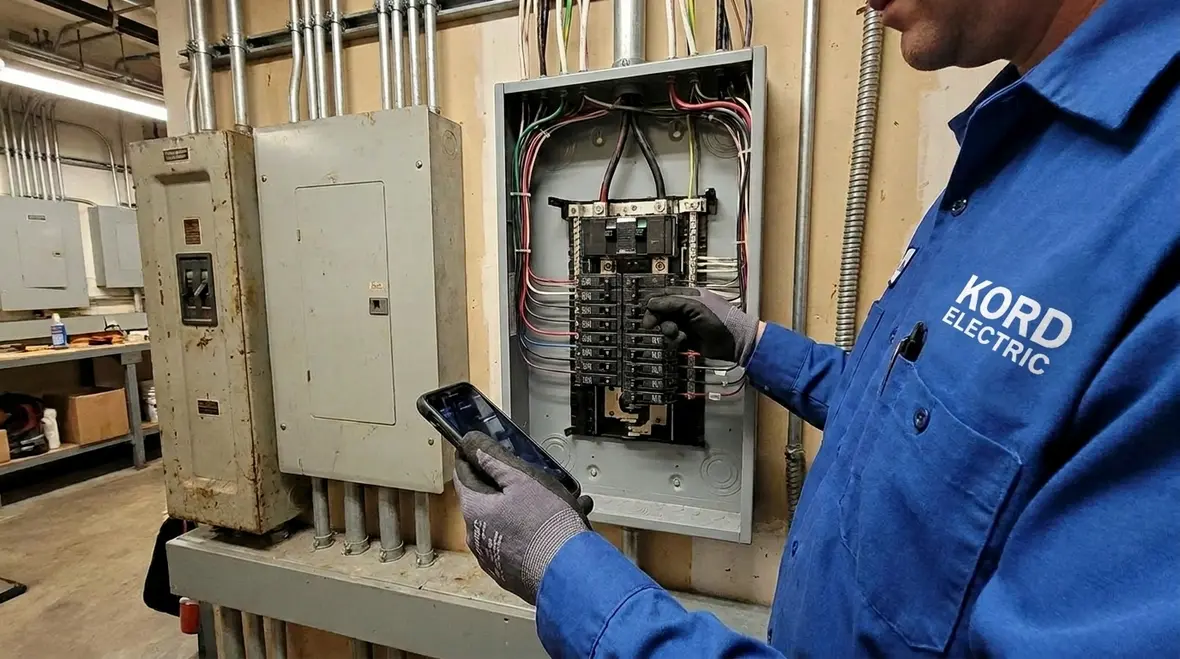
Modernize Commercial Building Electrical Systems
Older commercial properties carry a lot of history, charm, and sometimes electrical systems that act like they have seen things. At Kord Electric, we help owners and facility managers modernize commercial buildings electrical systems so power stays reliable, safe, and ready for today’s load demands. In this guide, we lay out what you need to know before you plan a panel upgrade, rewire a portion of a building, or modernize controls. We also explain the process in plain terms, because our technicians do not hide behind jargon. Sure, electricity can be mysterious, but our team makes it feel like a calm walkthrough, not a jump scare.
Spot warning signs before a power problem grows
When a facility runs on aging wiring, breakers, and controls, small issues tend to stack up quietly. Then one day, the lights flicker like they are auditioning for a horror movie, and suddenly everyone wants answers. However, we often see patterns earlier than most people realize.
Our technicians look for telltale signs, such as frequent breaker trips, scorch marks near panels, warm wire terminations, and inconsistent voltage at far loads. We also pay attention to “soft failures” like nuisance alarms, repeated protective device resets, and circuits that struggle more than they used to. In addition, we check for outdated grounding methods, missing bonding, and evidence of makeshift repairs from past tenants or contractors.

Furthermore, we verify what the building actually uses today. Older systems may have been sized for lighting and light mechanical loads that no longer match modern HVAC, data centers, EV chargers, or production equipment. As a result, the system can run hot even if it still works. That is the moment where planned modernizing commercial building electrical systems brings real value.
Why older electrical gear cannot always keep up with modern load
Commercial and industrial spaces do not stay static. Over time, buildings gain new equipment, new processes, and new tenant needs. Yet electrical infrastructure often gets patched instead of upgraded. We see it often in major property buildings where floor layouts change and power requirements shift, but the original distribution design stays the same.
Here is the practical issue. Distribution equipment like panels, bus bars, switchgear, and transformers can wear from heat cycles and age. Also, protective devices can lose accuracy, insulation can dry out, and connections can loosen due to vibration. When that happens, the system can fail faster under stress.
In addition, load growth can create poor harmonics, neutral overheating, and voltage drops that make motors and drives behave badly. If you run variable frequency drives, modern controls, or sensitive equipment, you need a stable electrical environment. Otherwise, you may chase symptoms like overheating motors, nuisance shutdowns, and data errors.
Our approach is not just about “bigger breakers” or “more power.” We plan upgrades that match the building’s actual demand and keep future changes in mind. That is how our clients reduce risk while they improve performance.
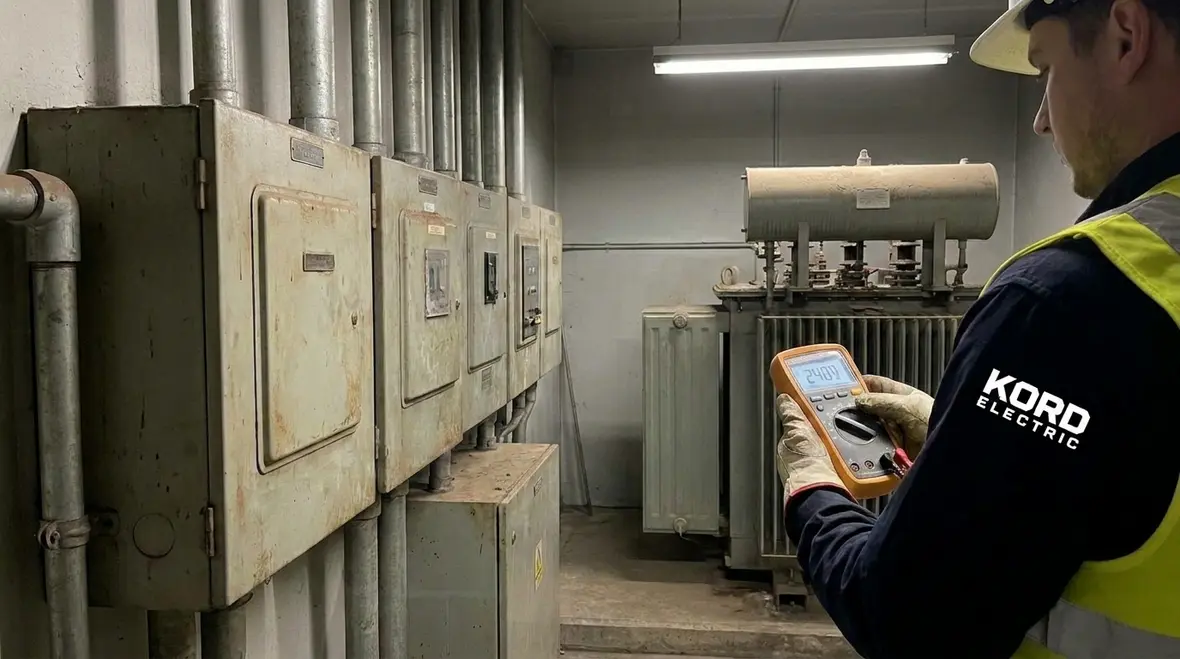
Plan the upgrade like a project, not a surprise
Upgrading electrical systems in commercial and industrial facilities requires structure. We help others treat this work like a controlled project with clear goals, timelines, and safety steps. After all, a building is not a single machine. It is a living environment with tenants, staff, operations, and schedules.
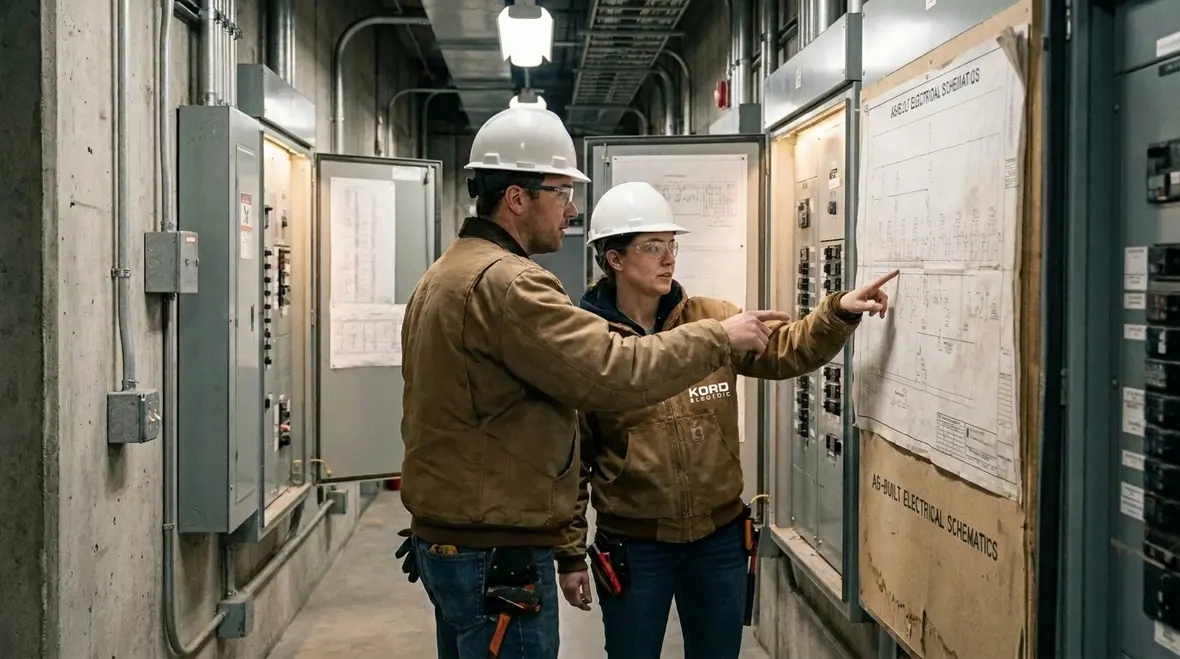
First, we map the electrical one line and verify field conditions. We do not rely on drawings alone, because we have all seen “as-built” documents that were assembled in a hurry and then quietly forgotten. Next, we review equipment age, ratings, and performance history. Then we identify which circuits must stay live, which loads can be transferred, and how temporary power may be handled.
After that, we coordinate shutdown windows and sequencing. We also align with life safety needs and any operational requirements that cannot pause. Our technicians explain each phase in plain language, so facility teams know what will happen and when. If something changes, we communicate early, not at the last possible minute. That tone keeps operations steady and keeps stakeholders calm, even when the schedule gets tight.
Finally, we document everything. Clear documentation helps future maintenance and makes compliance easier. It also helps others avoid repeating work because everyone can actually see what was done and why.
Tie modernization to proactive maintenance
Thoughtful project planning also pairs well with structured maintenance. For facilities that want ongoing reliability support, it often makes sense to align upgrades with a long-term maintenance program so new equipment stays in top shape instead of drifting toward the same aging problems you just solved. Kord Electric’s team can connect your modernization plan with commercial and industrial electrical maintenance strategies that keep panels, switchgear, and distribution equipment performing reliably year after year.
Many organizations choose to combine modernization projects with formal electrical preventive maintenance so testing, infrared scans, and power quality checks become part of a predictable routine instead of a reaction to the next unexpected failure.
Modernization options that actually improve safety and reliability
There is more than one path to upgrading older infrastructure. Some facilities need targeted interventions. Others need broader distribution changes. We offer a range of solutions based on building needs and risk level, and we make sure the plan fits the real world of commercial operations.
Common modernization moves we help with include the following list items.
- Panel and switchgear upgrades to improve capacity, safer terminations, and dependable protection.
- Transformer and distribution improvements to reduce voltage drop and handle new load profiles.
- Conductor and wiring remediation where insulation aging or overheating evidence shows up in the field.
- Grounding and bonding corrections to support fault performance and stable operation.
- Arc flash risk reduction through better protective coordination and labeling practices.
- Load management and monitoring to catch issues early, including abnormal currents and thermal hotspots.
Importantly, we do not treat these options as separate islands. Instead, we coordinate them so each step supports the next. That is how we avoid “band aid reliability” and build a system that lasts. And yes, sometimes the most modern choice is the one that makes maintenance easier and reduces repeat calls. Like any good business, we aim for fewer emergencies and smarter spending.
Connect upgrades to real-world issues like voltage fluctuations
Many modernization projects begin after facilities notice voltage fluctuations, nuisance trips, or unexplained equipment shutdowns. Rather than chasing each symptom individually, we design upgrades that address the root causes: overloaded panels, outdated transformers, poor grounding, and aging distribution paths that no longer match the load profile of a modern building.
By aligning upgrades with power quality improvements, facilities can stabilize motors, protect sensitive electronics, and avoid repeated disruptions that erode productivity and confidence in the building’s electrical backbone.

How we upgrade while keeping operations running
Many owners worry that electrical work will shut down their facility. We understand that concern, especially for industrial settings and major property buildings where downtime hits both safety and revenue. So we build our plans around operational continuity.
First, our technicians evaluate what loads can transfer to alternate circuits and what must remain powered. Then, we design temporary power strategies when needed. We also coordinate work in sections so that one area does not become a bottleneck for the entire site.
In addition, we use safe work practices that match the building’s risk profile. We verify isolation points, test before energizing, and confirm correct device settings. As the work moves forward, we keep stakeholders informed with clear progress updates. This communication matters, because a facility team does not want surprises any more than you want a plot twist in the last five minutes of your favorite show.
Finally, we perform commissioning and verification. We test connections, protective device behavior, grounding pathways, and proper operation under expected conditions. That way, when we hand the system back, it performs reliably and stays that way.
Coordinate upgrades with critical services
For facilities that operate around the clock or handle sensitive processes, we align modernization work with emergency electrical services planning and clear response pathways. That way, if something unexpected does occur during or after the project, there is already a trusted team familiar with your infrastructure, ready to respond with code-compliant solutions instead of guesswork.
Compliance, testing, and the documentation that protects you
Safety and compliance do not end after the last wire is landed. We help others move from installation to proof. That means testing, verification, and documentation that facility managers can actually use.
Our technicians conduct thorough checks, including inspection for correct terminations, protective device function, and system performance. We also verify grounding and bonding paths, inspect equipment conditions, and confirm labels and circuit identification. Then, we create or update documentation so future maintenance and troubleshooting feel faster and less stressful.
For many commercial and industrial facilities, this documentation reduces risk during audits and helps respond to insurance questions. It also supports internal compliance programs, which is where many buildings struggle after the project ends.
Meanwhile, proactive testing helps catch issues early. That matters because aging infrastructure often shows problems gradually, not dramatically. Preventing failures saves money and protects people, which is the part nobody jokes about.
Link modernization with long-term maintenance plans
Once upgrades are complete, many facility managers choose to connect their new systems to structured commercial and industrial electrical maintenance plans. That combination brings recurring inspections, thermal imaging, and power quality analysis into the same framework as your new equipment, helping you protect the investment and extend equipment life while keeping compliance records organized and ready.
FAQ
Ready to modernize with a plan, not a gamble
If your commercial or industrial property shows electrical strain, we recommend acting before the next “minor” flicker becomes a major shutdown. At Kord Electric, we send expert technicians who explain every step, plan upgrades around your operations, and verify performance through testing and documentation. Contact us to schedule an assessment and get a modernization plan built for your facility, your timeline, and your risk level. Let’s upgrade the power so your business stays steady, not stressed.
Modern projects often include coordinated work across panels, distribution, and lighting, as well as integration with services like electrical preventive maintenance and commercial lighting installation. By aligning modernization with these services, your building can move beyond patchwork fixes and into a stable, future-ready electrical strategy.
Whether you are planning a focused upgrade in one part of the facility or a campus-wide effort to support new equipment and emerging technologies, modernizing commercial building electrical systems is ultimately about confidence: confidence that power will be there when you need it, that equipment will behave as designed, and that your team can focus on operations instead of chasing the next electrical mystery.
When you are ready to move from “we hope it holds” to a structured, data-driven upgrade plan, partner with a licensed commercial electrical team that understands complex facilities, coordinates around your schedule, and stands behind their work long after the final inspection is complete.
To explore how modernization can pair with ongoing preventive maintenance, voltage stabilization, lighting upgrades, and emergency electrical support, connect with Kord Electric’s commercial and industrial services team and start building your roadmap from today’s challenges to tomorrow’s reliable power.
For facilities that are already planning additional improvements like lighting retrofits, EV charger installations, or large-scale equipment changes, coordinating those efforts with your electrical modernization work helps keep timelines tight, budgets under control, and infrastructure ready for what comes next.


