Preventative Electrical Maintenance to Stop Downtime
Introduction: How Kord Electric Prevents Downtime Before It Happens
In commercial and industrial facilities, downtime rarely announces itself with a polite knock. It usually arrives like a surprise pop quiz: no warning, no mercy. That is why Kord Electric builds a proactive preventative electrical maintenance program checklist into every scheduled plan. Within the first visit and then throughout the year, our team checks load balance and breaker health, inspects busbar connections for heat risks, tests protective devices, verifies grounding and bonding, reviews arc flash hazards, and records results for trend tracking. Then, we follow up with targeted work orders before small failures grow into expensive shutdowns.
In other words, others wait for alarms to ring. We prepare so they never have to.
Why Costly Electrical Downtime Happens in Modern Buildings

Commercial electrical systems in modern buildings act like the nervous system of the entire operation. Power feeds HVAC, lighting, elevators, process equipment, refrigeration, data loads, and the controls that keep everything talking to everything else. When even one weak link develops, it can cascade into outages, nuisance trips, or unsafe operating conditions. Additionally, many facilities run near capacity during peak seasons, which means a small issue has less room to fail gracefully.
Our expert service staff at Kord Electric often sees the same patterns. Over time, connections loosen from thermal cycling, insulation ages under heat and moisture, and controls drift out of calibration. At the same time, equipment can accumulate dust, corrosion, and contamination in places that technicians cannot easily access without planning. Therefore, the real enemy is not “mystery failure.” The real enemy is the lack of a consistent maintenance rhythm.
And if you have ever watched an outage start with one flicker and end with a full site shutdown, you already know the rest of the story. It is never the flicker’s fault, but it always becomes the flicker’s legacy.
For facilities that want a deeper dive into how modern building power distribution behaves under real-world conditions, our broader guidance on commercial electrical systems for modern buildings explores how design, load profiles, and compliance shape daily reliability.
Build a Proactive Schedule That Matches Equipment and Load

A solid plan does not copy and paste generic checklists. It aligns with the electrical design of the building, the way the site operates, and how quickly conditions change. For example, a property with frequent load swings needs checks timed around operating peaks. A facility with long off hours needs inspection steps that confirm systems still handle start up stress. Meanwhile, industrial spaces often require deeper attention to motor circuits, variable frequency drives, and protection coordination.
First, Kord Electric maps critical circuits and identifies what keeps production moving and what keeps life safety systems operating. Then we build a schedule around risk level, not calendar habit. We focus more on high impact equipment like switchgear, transformers, ATS and transfer systems, panelboards feeding critical loads, UPS systems, and motor control centers. Next, we set inspection intervals based on run hours, heat history, and past performance data.
As a result, the maintenance program stays practical. It reduces downtime risk while it protects budgets. If the site runs 24 hours a day, our service approach still respects uptime. We plan work windows, coordinate access, and document outcomes so facility managers keep control. We do not show up like uninvited guests. We arrive like the people who actually read the invitation.
For many facilities, this proactive rhythm connects naturally with a structured electrical preventive maintenance program that keeps critical equipment on a predictable service path instead of a roulette wheel of emergencies.
What Our Technicians Inspect to Stop Problems at the Source
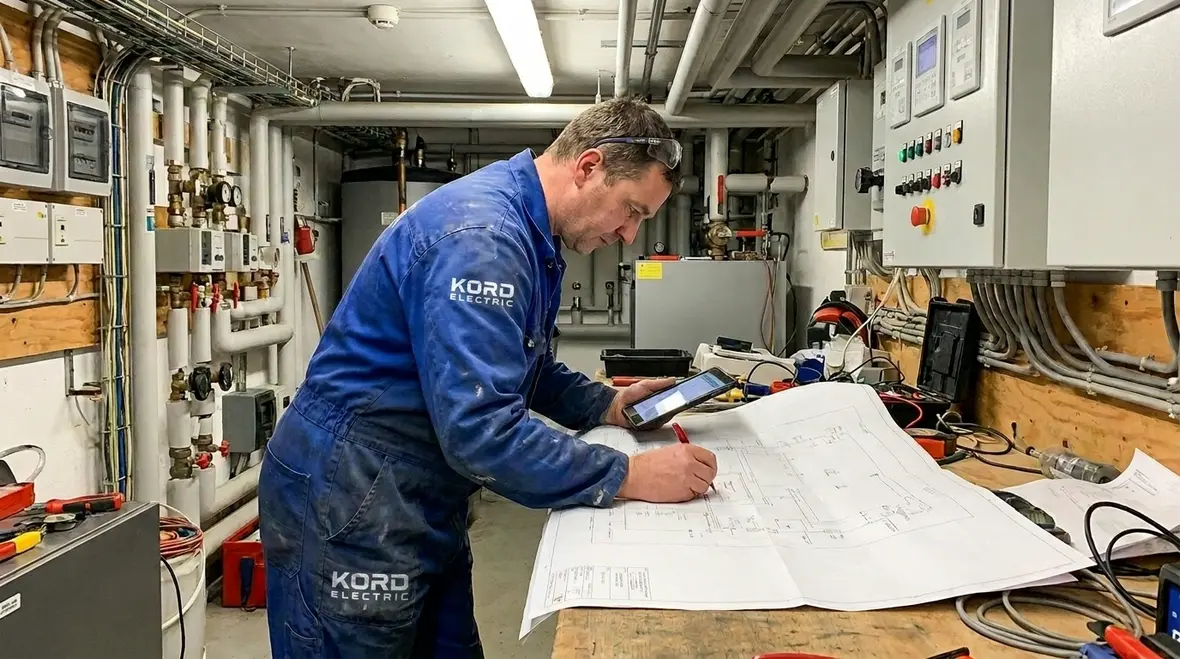
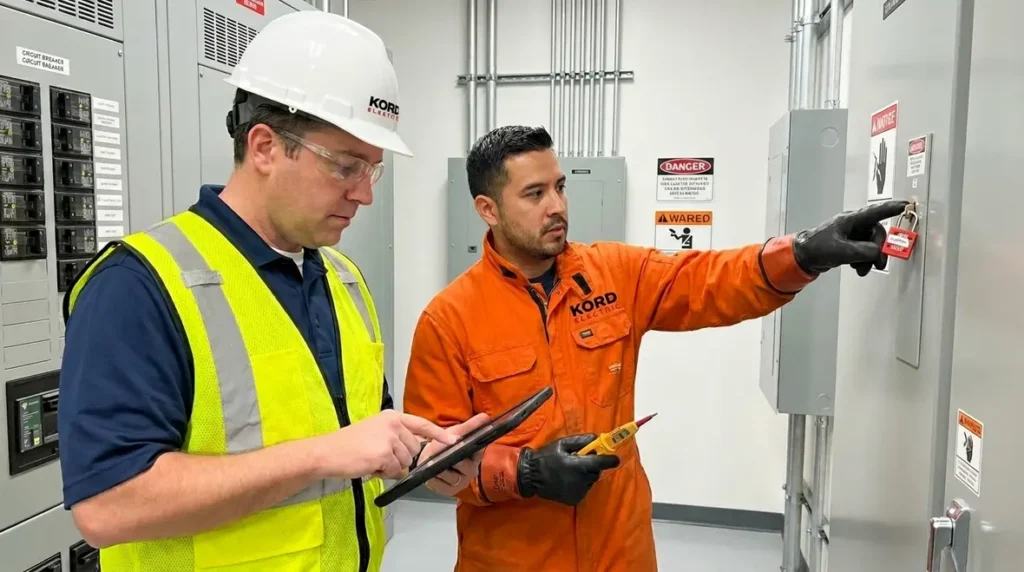
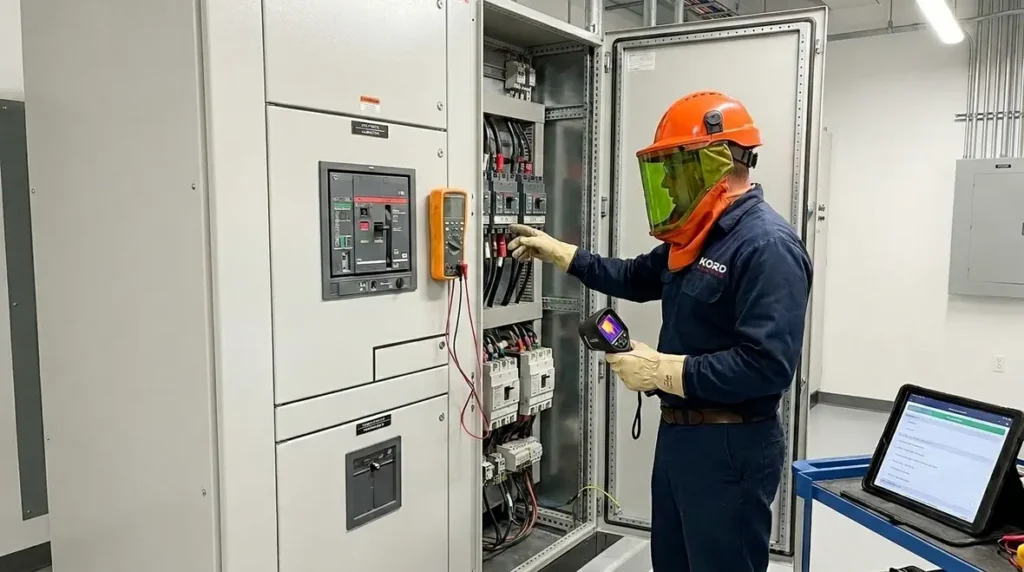
Our technicians do not just look. They measure, compare, and verify. For commercial and industrial facilities, that means testing and visual inspections that match the system’s job. Then we interpret the results and translate them into clear next steps.
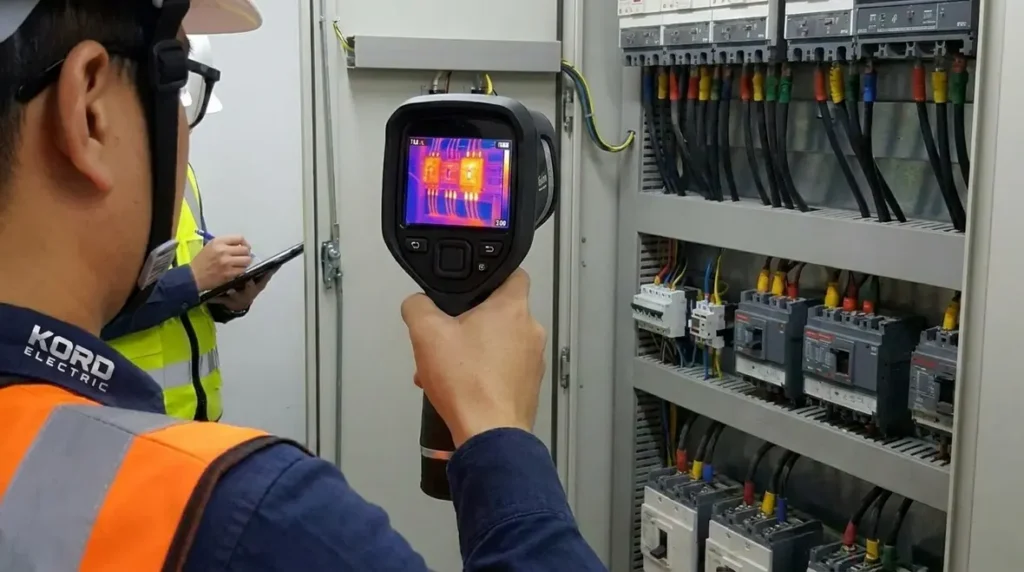
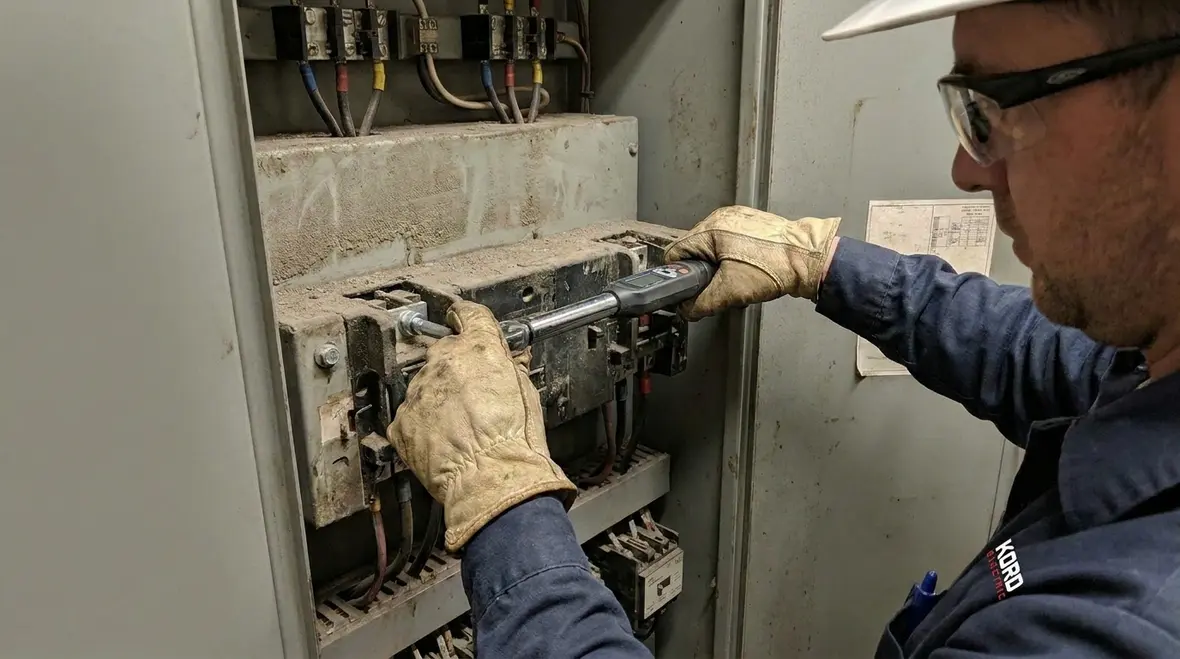
Switchgear and distribution health gets special attention because it often sits at the center of power flow. Our team checks contact conditions, evaluates torque and connection integrity, and looks for signs of overheating. Furthermore, we verify proper operation of breakers and protective relays, because a device that trips late or trips early can create both damage and chaos.
Grounding and bonding receive careful review. Poor grounding can turn normal faults into dangerous situations, and it can also interfere with protective device behavior. In addition, we check for corrosion, loosened bonds, and insulation degradation. We make sure grounding remains a dependable path, not a “maybe” path.
Transformers, UPS systems, and critical power paths are evaluated using a mix of visual checks and performance verification steps. We look for abnormal temperatures, signs of stress, and any evidence of insulation strain. Then we document findings so you can track trends across seasons.
Controls, panels, and motor circuits get tested with a focus on stability. We inspect terminations, check for moisture or contamination, and review where loads and harmonics can stress components. After that, we confirm that protection settings and coordination still match the site’s actual electrical behavior.
In short, our preventive work reduces surprises. It also creates a paper trail that supports audits, insurance requirements, and long term planning. And yes, we keep it clear enough that someone from accounting can read it without feeling like they lost a bet.
Connecting Field Findings to Real-World Risks
The issues we flag rarely arrive out of nowhere. Hot spots, nuisance trips, and odd behavior at sensitive equipment often trace back to the same root causes: deteriorating insulation, loose terminations, overloaded circuits, or aging protective devices. By tying inspection results to real operational risks, we help facility managers prioritize what truly matters instead of chasing every line item with the same urgency.
Use Data and Trend Tracking, Not Guesswork
Once the maintenance program starts, the real advantage shows up in the second month, the third month, and the year mark. That is when data becomes a map. Kord Electric collects readings and inspection results, then compares them across time to spot drift and emerging risk. Instead of waiting for a failure, we identify changes early enough to plan repairs before service impacts the facility.
For example, thermal issues often show up as repeating patterns: one connection runs hotter than expected, one breaker ages faster, or one bus section starts to behave differently. Meanwhile, protective device behavior can shift as components wear. Then there are changes in load. If the facility adds equipment, increases operating shifts, or upgrades systems, the electrical load profile changes too. Therefore, our maintenance approach includes a periodic review of how the electrical system matches the site’s actual needs.
Additionally, Kord Electric aligns our work with the goals often described in our guidance for modern building electrical systems, including the need for reliability, safer operations, and dependable distribution. We handle the practical part: keeping the system consistent and reducing risk in the parts that matter.
In the end, trend tracking gives facility leaders confidence. It helps them budget more accurately, schedule work with fewer emergencies, and keep operations steady. Like a good weather report, it helps you avoid getting caught in the storm with no umbrella and no plan.
From Raw Readings to Actionable Strategy
Because we track results against your preventative electrical maintenance program checklist, patterns emerge early. That means we can adjust task frequency, add targeted inspections where drift appears, and recommend upgrades only when the data actually supports the investment. Over time, your facility’s maintenance plan becomes less about guesswork and more about informed strategy.
How Kord Electric Coordinates Work to Protect Uptime
Commercial and industrial facilities cannot afford constant downtime. So Kord Electric plans maintenance like a project, not like a field scramble. First, our team reviews the site schedule and identifies critical loads and operating windows. Then we coordinate access with building staff and managers, so technicians can complete tasks without creating unnecessary disruption.
Next, we group tasks logically. We choose the safest order of operations so systems stay stable. We also verify that work areas remain safe and that any required lockout and testing steps occur before equipment handling begins. Meanwhile, our team documents what we did, what we found, and what we recommend next. Therefore, your facility team does not receive vague promises. They receive clear actions.
Where needed, we also support repairs and upgrades as part of the same reliability strategy. That means the facility does not just “maintain.” It improves the electrical baseline. If a component shows aging wear, we help you plan the replacement timing and reduce the chance of another failure in the same family of equipment.
And yes, we understand the reality of major property buildings. Elevators still need power. Critical systems still need uptime. Production targets still stand in line like they always do. So our service approach respects that reality.
Aligning Maintenance Windows with Real Operations
Some work happens during low occupancy, some during planned production pauses, and some alongside other capital projects such as rewiring or lighting upgrades. By coordinating these windows carefully, we help you avoid stacked disruptions while still advancing reliability. In many cases, commercial and industrial electrical maintenance plans weave together preventive tasks, targeted repairs, and future-ready upgrades so your system improves quietly in the background.
FAQ: Preventative Maintenance for Commercial and Industrial Electrical Systems
Conclusion: Choose Reliability, Then Keep It
When commercial and industrial leaders invest in a proactive electrical plan, they stop paying the “emergency tax.” Kord Electric builds a preventive electrical maintenance program checklist process that protects uptime, supports safety, and creates reliable data for long term budgeting. Our technicians explain findings in plain language and recommend actions that match real site needs, not generic advice. If your facility runs critical systems and you want fewer surprises, reach out to Kord Electric today and schedule a maintenance planning session.
For organizations seeking a structured, long-range strategy, our dedicated electrical preventive maintenance services are designed to support commercial and industrial facilities that refuse to gamble with downtime.
Reference: Modern Commercial Electrical Systems in Major Buildings
Our approach aligns with the reliability and maintenance needs described in our guidance on commercial electrical systems for modern buildings, including the focus on distribution stability, risk control, and keeping systems dependable as building demands grow. When that long term vision pairs with a disciplined maintenance rhythm in the field, facilities do more than avoid outages—they build a stronger electrical backbone for everything that comes next.