
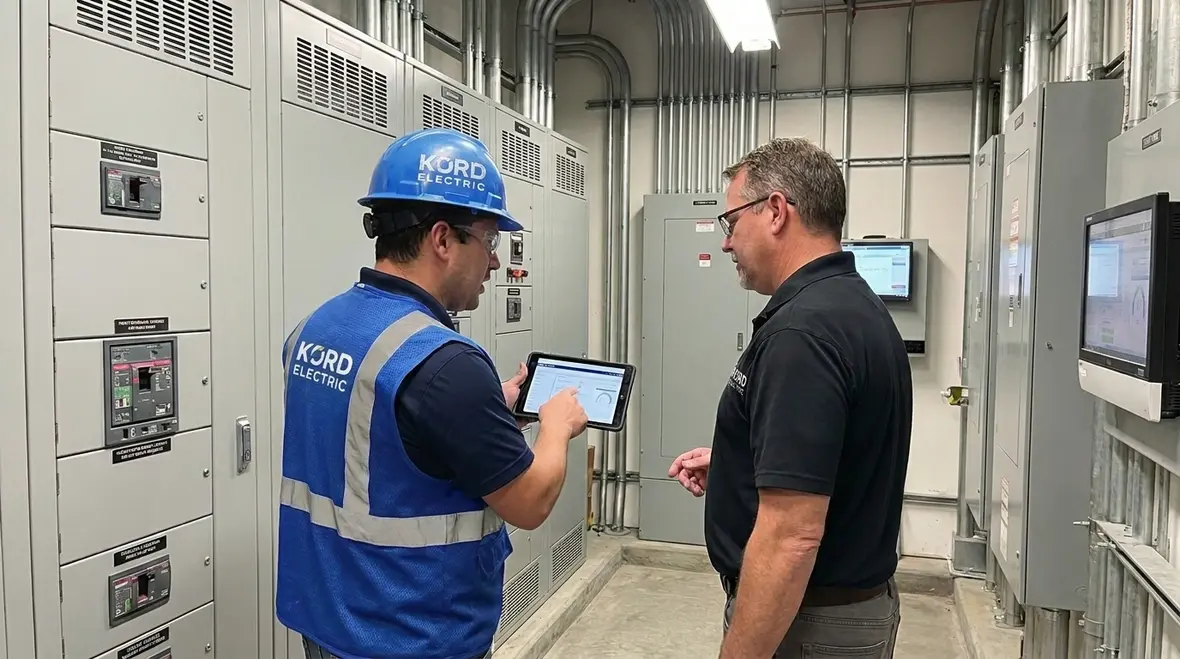
Electrical Load Management for Commercial Sites
Lower Utility Bills Without Losing Power: Electrical Load Management for Commercial Sites
At Kord Electric, we approach energy efficiency with a practical mindset, and we start by using electrical load management for commercial facilities to balance demand across the day. Others often chase big upgrades first, then act surprised when the bill still feels stubborn. We focus on how businesses actually use electricity: shifting loads, tightening control, and preventing avoidable waste. As a result, commercial and industrial facilities can run smoother, protect equipment, and avoid sudden demand spikes that trigger higher rates. Meanwhile, our technicians and expert service staff explain the “why” behind each recommendation in plain language, so teams can make decisions with confidence, not guesswork.
How Businesses Save Energy Through Smarter Load Planning
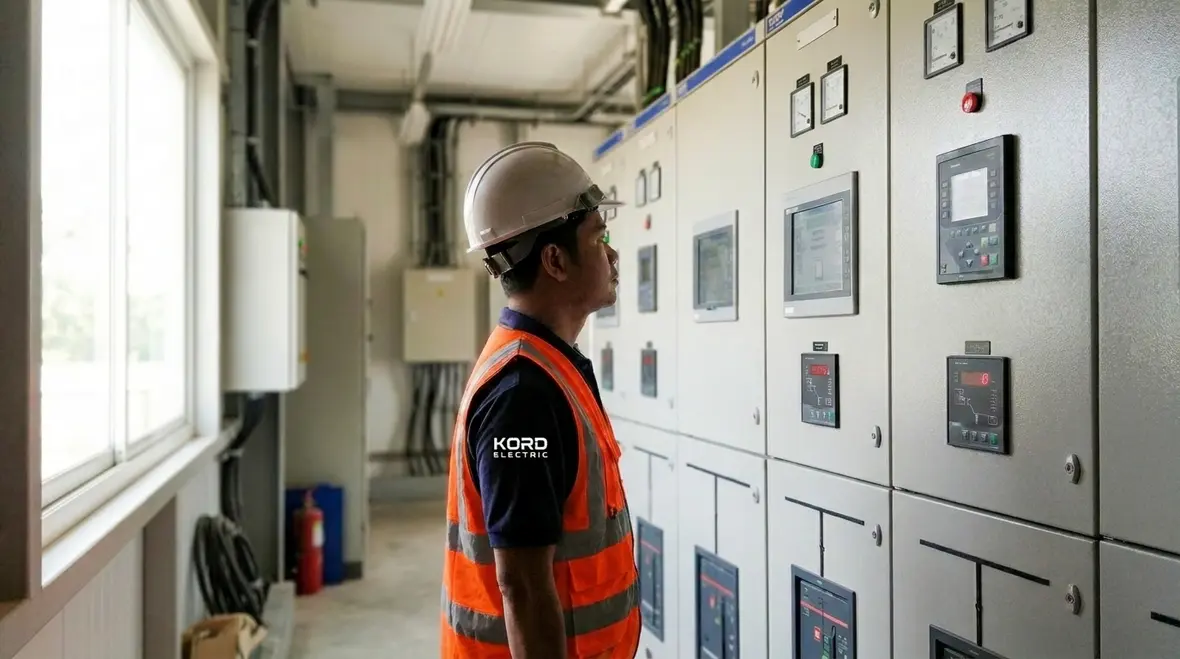
When a facility runs, it does not simply “use electricity.” It pulls power in patterns. Therefore, the best strategies begin with understanding those patterns: when motors start, when HVAC cycles ramp up, and when kitchens, compressors, or process lines kick on. Once we identify the peaks, we can plan around them. For example, instead of allowing several large loads to start at the same time, we stagger starts and optimize schedules. That simple change can reduce stress on switchgear and help stabilize voltage.
Also, good load planning helps facilities avoid the classic “everything turns on at once” problem, which is basically the corporate version of pushing all the buttons in an elevator and hoping for the best. We treat that as preventable. Our team evaluates electrical one line diagrams, operational schedules, and recent demand data, then translates it into an action plan that fits how your staff already runs the building.
For many properties, this smarter planning pairs naturally with structured service programs like electrical preventive maintenance, which helps keep the underlying equipment healthy while the strategy focuses on when and how it operates.
Demand Spikes, Peak Charges, and What We Monitor First

Many utilities charge for peak demand, not just total consumption. So, if a building hits high kW during certain windows, costs can rise even when energy use seems reasonable. In practice, electrical load management for commercial facilities works by reducing or reshaping peak demand events. That can mean managing start sequences, limiting simultaneous loads, or using controls that allow equipment to ramp gradually.
At Kord Electric, our technicians review what drives spikes. We look at panel and feeder capacity, motor starting behavior, compressor staging, and HVAC control logic. Then we confirm the data with on site observation and checks. Next comes the part that feels “unsexy” but saves money: we verify settings, control sequences, and protections so systems respond as designed.
Sometimes, those peak events trace back to underlying stability issues such as voltage fluctuations. When that happens, we connect the dots between load management, system capacity, and corrective services like voltage fluctuation troubleshooting for commercial and industrial facilities, so demand control does not sit on top of unresolved electrical problems.
Preventive Maintenance as an Energy Strategy, Not a Checkbox
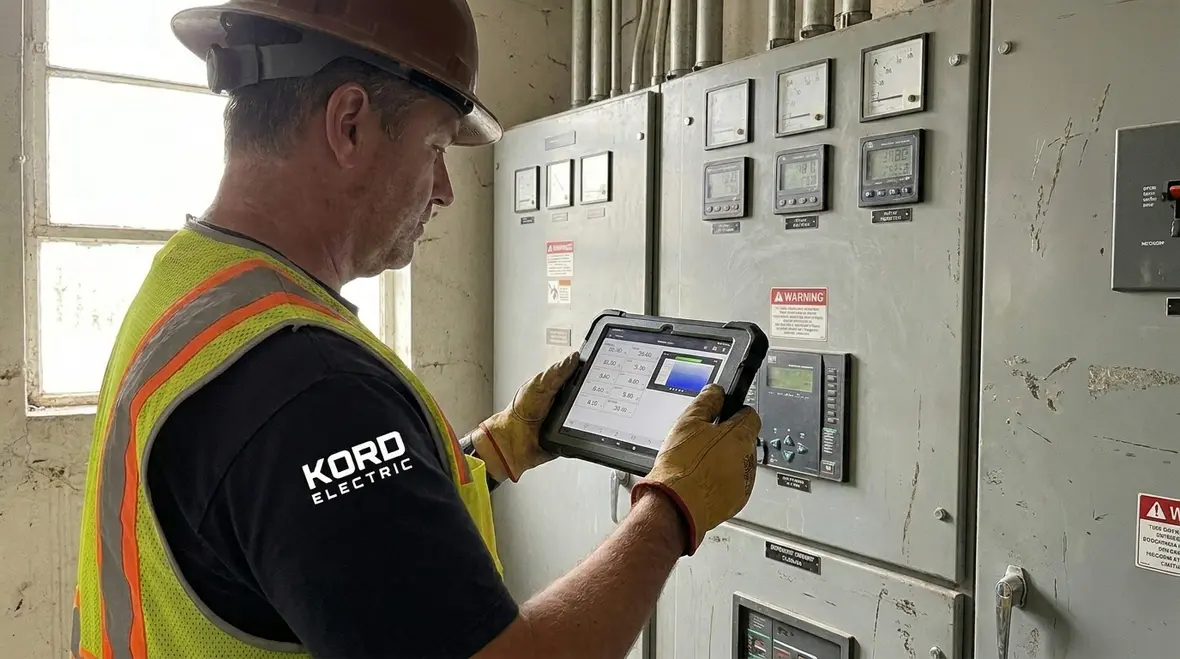
Energy efficiency often fails when equipment quietly drifts out of spec. Fans get slightly off balance. Dampers stop responding as intended. Contactors wear down and cause unnecessary heating. However, most teams do not see those issues until performance drops. That is why electrical preventive maintenance matters. Kord Electric aligns maintenance and load management, because one without the other leaves savings on the table.
Our approach reflects the principles behind our dedicated electrical preventive maintenance service, which emphasizes inspections, testing, and early detection to keep electrical systems stable. We help facilities catch problems before they create extra losses, nuisance trips, or demand swings. For instance, cleaning, torque checks, thermography, and breaker testing support consistent operation. As a result, equipment runs efficiently and safely under real load conditions.
In other words, we treat maintenance like a steering wheel. If you never touch it, you end up correcting problems while heading straight toward them. Our expert service staff explains findings clearly, including what the measurements indicate and what changes protect performance.
In large properties with complex operations, pairing preventive maintenance with formal commercial and industrial electrical maintenance plans creates a predictable backbone for every load management strategy that follows.
Controls, Staging, and Load Balancing That Actually Works
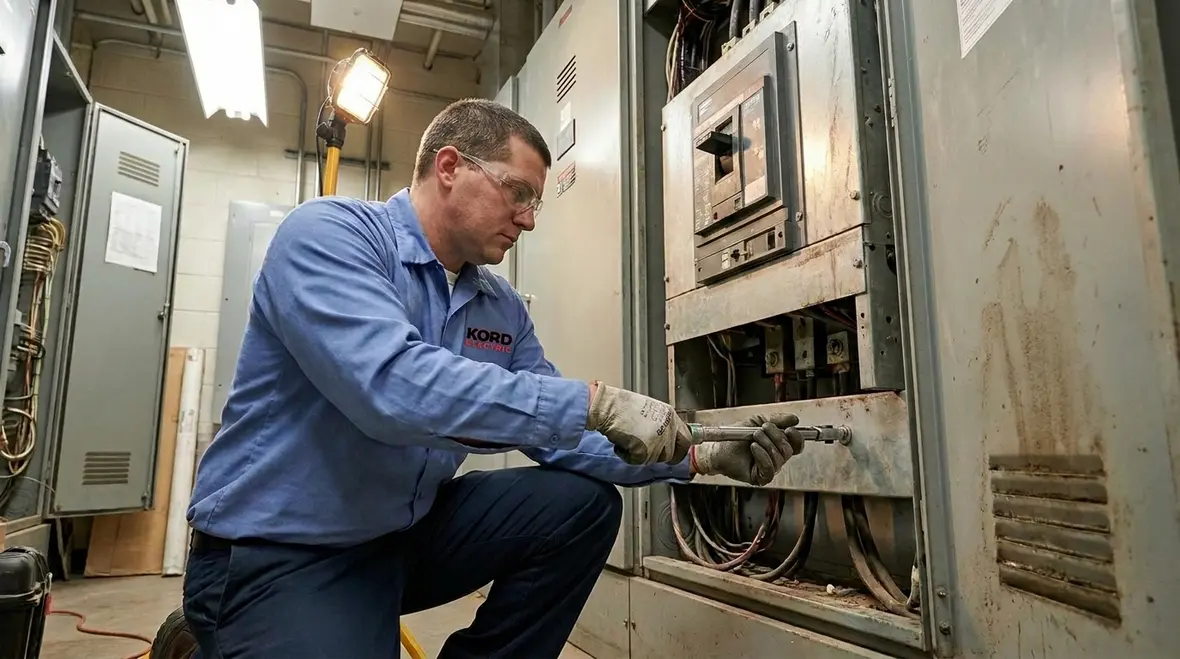
Load management is not a single device. It is a coordinated set of actions that control how power moves through the facility. For commercial and industrial sites, that usually includes staging and sequencing strategies for HVAC, refrigeration, pumps, compressors, and process loads. Additionally, we balance loads across phases to reduce overheating and keep voltage within a healthy range.
We also recommend smarter control logic where it matters most. For example, we can adjust schedules so large equipment runs in a planned order. Then, we can tune setpoints or deadbands to avoid constant cycling, which wastes energy and increases wear. When variable speed drives are involved, we ensure settings support efficient operation without creating new issues like harmonic stress or motor strain.
Here is a key point: we do not just install controls and walk away. We verify performance with measurements and we refine the logic based on real operating conditions. That is how electrical load management stays effective, instead of becoming a one time “project” that stops delivering value the moment someone changes a schedule.
In some facilities, these controls connect directly with other initiatives, such as EV infrastructure. When a property adds commercial EV charger installation, thoughtful load sequencing and capacity planning ensure charging demand works with the building, not against it.
Plan for Real Operations: Implementation for Industrial and Major Property Buildings
Facilities do not run on ideal assumptions. So, Kord Electric designs implementation around the daily reality of major property buildings. We coordinate with operations teams, maintenance staff, and facility managers so improvements fit within downtime windows and safety requirements. In addition, we account for seasonal changes because cooling loads often behave very differently in summer versus shoulder months.
We typically roll out improvements in phases. First, we establish baselines using available data and targeted checks. Next, we prioritize the highest impact loads and the most expensive triggers like peak demand events or repeated cycling. Then we implement staging, scheduling, control tuning, and protective adjustments. Finally, we validate results. If the facility sees fewer spikes and smoother operation, we continue optimizing.
Our technicians explain each phase in plain terms, because we have learned that “trust us” does not run a plant. People need to know what changed, why it changed, and how it will behave next week. And yes, we also respect that some equipment refuses to cooperate like a diva. When that happens, we diagnose the cause and adjust the plan, not the attitude.
This mindset supports everything from straightforward scheduling adjustments to full system upgrades, where planning for electrical load management, safety, and capacity converges into a single, realistic roadmap.
Realistic Results and Risk Reduction: What Clients Can Expect
Businesses want lower costs, but they also want fewer surprises. Therefore, our work targets both efficiency and reliability. When a facility reduces simultaneous load events, electrical gear runs cooler and operates closer to its intended design. That lowers the chance of nuisance faults, premature equipment wear, and unexpected downtime.
Also, a well run load strategy can improve comfort and process stability. HVAC systems cycle less aggressively when controls support steady operation. Pumps and compressors experience better staging behavior, and that can protect seals and bearings. Over time, the benefit compounds.
To support this, we align with preventive maintenance practices that detect early electrical issues. Our focus on inspection and testing helps prevent the small failures that grow into big ones. In short, we help facilities avoid the scenario where the building looks fine until it does not, which is a favorite plot twist of electrical problems everywhere.
When organizations combine smarter scheduling, right sized upgrades, and committed monitoring, they build a culture of stability. The result is not a flashy before and after photo; it is the quiet confidence that comes from systems that simply do their job day after day.
Why Kord Electric Teams Approach Load Management Like a System
Third party proposals sometimes treat energy efficiency as a spreadsheet exercise. At Kord Electric, we treat it like a system you operate every day. Our technicians and expert service staff bring electrical field experience, then pair it with operational insight. As a result, strategies stay realistic and easier to maintain.
To keep the work structured, we often coordinate planning and maintenance activities together. That reduces the friction between “the energy project” and “the maintenance schedule.” Meanwhile, clients benefit from clear documentation and simple explanations. People should be able to open a report and understand it, not decode it like a mystery novel.
So, while the goal remains lower energy cost, the method stays grounded: measure, prioritize, implement safely, and verify performance with real operating conditions. When needed, we layer in specialized services—such as targeted voltage correction or panel upgrades—so electrical load management for commercial facilities has the infrastructure support it needs to succeed long term.
FAQ
Call Kord Electric for a Load Strategy That Pays Off
If your facility runs into peak demand spikes, nuisance trips, or rising utility costs, it is time to act with a plan. Kord Electric helps commercial and industrial sites optimize energy efficiency through practical electrical load management and preventive maintenance alignment. Our technicians and expert service staff explain recommendations clearly, then implement changes with verification based on real operation. Reach out today to schedule an assessment, and let us turn your electrical system from reactive into reliably efficient.
For facilities planning broader infrastructure changes alongside load management, our team can also coordinate with related services like EV charger installation for commercial and industrial properties, ensuring new equipment fits cleanly into your capacity and demand profile.


