
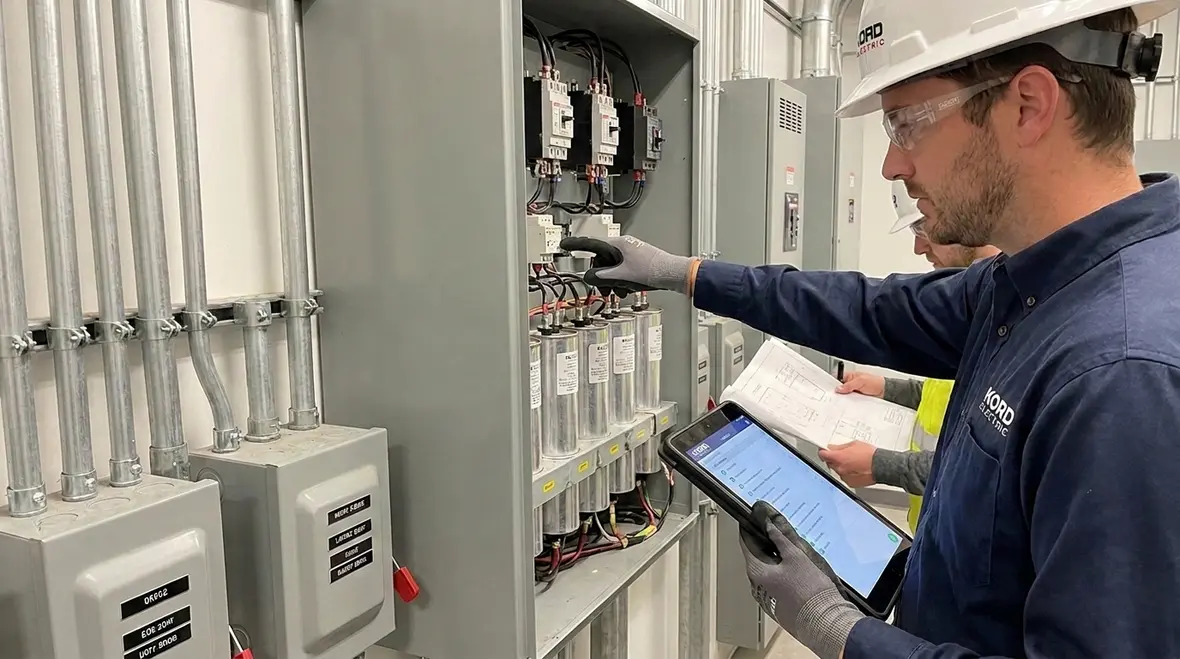
NEC 660.36 Discharge Lighting Capacitors Compliance Guide
At Kord Electric, we start with one simple goal: safer power for commercial and industrial facilities. And yes, we mean specific safer power. In the early planning stage, we often point teams to NEC Section 660.36 discharge lighting capacitors, because discharge lighting systems can fail in ways that surprise even careful operators. Then, once the system is built and energized, the rest of the National Electrical Code work becomes the steady backbone that keeps operations reliable. We do not treat NEC compliance like a paperwork chore. Instead, we treat it like a hardhat on a job site, even if everyone is having a casual day. (Some days the breaker trips like it’s got its own personality.)
In this guide, our technicians and expert service staff will help explain how NEC rules connect to real life. We will walk through what the code covers, why it matters for property owners and facility managers, and how Kord Electric approaches compliance in a way that supports your uptime. We also stay focused on commercial and industrial facilities and major property buildings, because the electrical risks there are not “someday” problems. They are today problems.
NEC explained for 2026 compliance planning
NEC is not just a big list of electrical rules. It is a system designed to manage risk across design, installation, and inspection. When we reference the NEC for 2026 planning, we help teams translate code language into practical project decisions. We also explain how the code evolves, so others do not lock into an outdated assumption and then pay for it later. In other words, we reduce rework.
As our expert service staff tells clients, the NEC aims to protect people, property, and equipment. However, it does not guarantee every outcome. Instead, it sets minimum requirements based on how systems commonly fail. Therefore, facility teams should treat compliance as a risk management strategy, not a magic shield. And if anyone tells you “we have always done it this way,” we politely remind them that tradition does not interrupt fault current.

If you want a broader code overview to pair with this focused guide, our team also points facility leaders to educational resources like Understanding NFPA 70: The National Electrical Code Explained for 2026, which walks through how NEC direction shapes real-world planning for commercial and industrial buildings.
What NEC Section 660.36 covers for discharge lighting capacitors
NEC Section 660.36 discharge lighting capacitors focuses on how specific capacitors used with discharge lighting equipment must be handled within the system. Capacitors are part of how lighting controls and power factor correction work, and they also influence how a system responds during abnormal conditions. Therefore, the code addresses installation and protection in a way that helps reduce failure hazards.
Our technicians explain the key idea simply. When capacitors connect to circuits used for discharge lighting, they can create additional electrical stress if installation details do not match the requirements. Then, if someone ignores these details, the result can include premature failure, overheating, or unsafe conditions during abnormal operation. We help teams avoid that path.
In practical terms, we review how the capacitors connect, how they are secured, and how the surrounding components support safe operation. We also coordinate with equipment documentation so the design intent matches the install reality. When we do this, others get a system that performs as expected, even when the building runs through daily load changes.
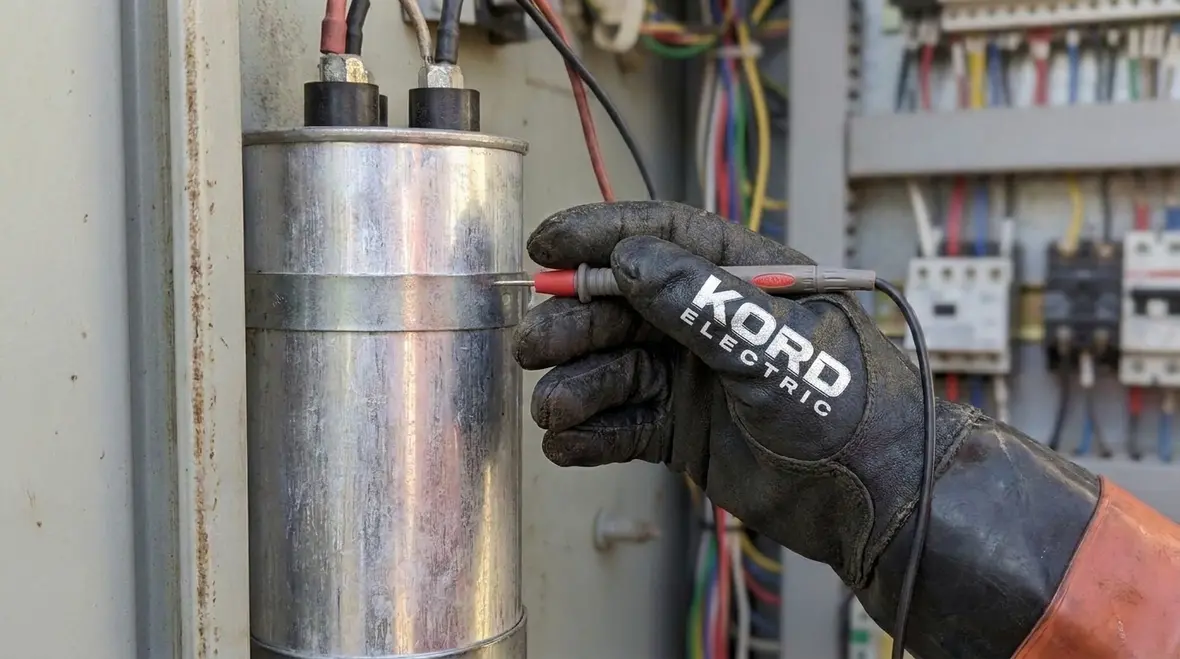
How the code treats installation safety and inspection reality
Once the project moves beyond design, the NEC becomes an inspection tool and a safety guide. However, inspections do not happen in a vacuum. They happen after wiring routes, panel schedules, device mounting, and terminations get built in the field. That is where Kord Electric focuses, because we see the gap between drawings and installed work.
Our technicians document how electrical components get installed and how they align with code intent. Then, before energizing systems, we verify key details. We also coordinate with local inspection needs that often drive field adjustments. This approach prevents last minute surprises that slow down commercial tenants and operations.
- We verify conductor sizing and termination quality, because small errors scale into large problems under load.
- We confirm equipment ratings and protection methods, so the system does not run beyond safe limits.
- We check that routing and support meet code expectations, which helps reduce damage from vibration, heat, or future maintenance.
- We review how systems interact, because one piece of poor coordination can undermine the whole layout.
And yes, we sometimes find issues that look harmless until you remember electricity does not care about excuses. It only cares about physics.
Fire risk, electrical stress, and why facility teams should care
Many building teams assume that electrical risk only shows up as obvious sparks or smoke. Yet, electrical incidents often begin as heat buildup, insulation stress, or repeated abnormal operation. Over time, these conditions can degrade components and raise the chance of a failure that becomes a fire. Therefore, we connect NEC compliance to fire risk without turning the conversation into fear tactics.
In fact, our approach reflects the way code thinking works across related topics, including how electrical systems can affect emergency conditions and building safety. We also coordinate with fire protection planning in commercial and industrial settings, because electrical and fire systems share the same “real world.” If one system fails, it can strain the other.
When our expert service staff explains these connections, we keep it clear. We help others understand that compliance supports safer performance under normal operation and abnormal conditions. Then, we show what changes during commissioning, maintenance intervals, and equipment replacement. This helps owners plan budgets with less guesswork.
If you ever wonder why we ask so many questions during a site walk, it is because we do not want to treat compliance like a sticker. We want it to be a system that lasts.
System coordination for commercial and industrial buildings
Large facilities do not have one electrical system. They have a network of systems that share space, power paths, and control logic. Therefore, NEC planning also needs coordination across disciplines and contractors. Kord Electric handles this coordination for commercial and industrial facilities and major property buildings.
We help teams manage how lighting circuits, control panels, grounding pathways, and protection devices work together. For discharge lighting systems, we pay special attention to how the equipment connects to the rest of the power and control scheme. Then, we make sure the installation details align with the requirements that apply to the NEC Section 660.36 discharge lighting capacitors portion of the overall system.
Coordination also reduces downtime. If someone discovers a mismatch after commissioning, the facility can lose production time, tenant schedule time, or service availability time. Yet, with careful pre energization checks, we often catch issues before they become costly delays.
We also keep the process practical. We explain what the code requires, why it matters, and how to document it for future maintenance. That way, the next team that touches the system does not start from zero like it just arrived on the planet.
Working with Kord Electric for NEC support
When others hire us for NEC related work, they get more than basic installation. They get a disciplined process built around commercial and industrial needs. We serve major property buildings where downtime costs money, and where electrical safety must stay predictable.
Our technicians and expert service staff support projects across stages. They can help during design review, installation coordination, commissioning readiness, and service calls when systems show warning signs. Then, if a facility needs upgrades, we plan changes in a way that respects how the building runs.
We also align with fire safety planning and broader electrical best practices used in the industry. For teams that want additional reading, Kord Electric’s resources connect to broader code education topics on our blog and partner content. For example, our related learning materials include overviews on the National Electrical Code, as well as focused guidance found through other industry resources such as fire and fire pump education groups like firepumps.org and Kord Fire’s NFPA 70 coverage.
And since we are being honest, we sometimes joke that the NEC is like a well written screenplay. If you ignore the script, the plot falls apart fast. The difference is this one does not have a second take.
If your facility is in Southern California and you need support that blends NEC expertise with field ready execution, you can review how our team supports regional sites through our Los Angeles County electrical services coverage, then connect with us for project specific planning.
FAQ
Final call: schedule a code focused review with Kord Electric
If you manage a commercial or industrial facility, you already know that electrical risk does not wait for perfect timing. Therefore, we recommend a NEC focused review before changes, expansions, or equipment upgrades move forward. Kord Electric brings technicians and expert service staff who explain requirements in plain business language and then verify the work in the field. Contact us to plan a site assessment, build a compliance path, and protect your uptime. Let’s keep your power systems steady, safe, and ready for what the building throws at them.


