
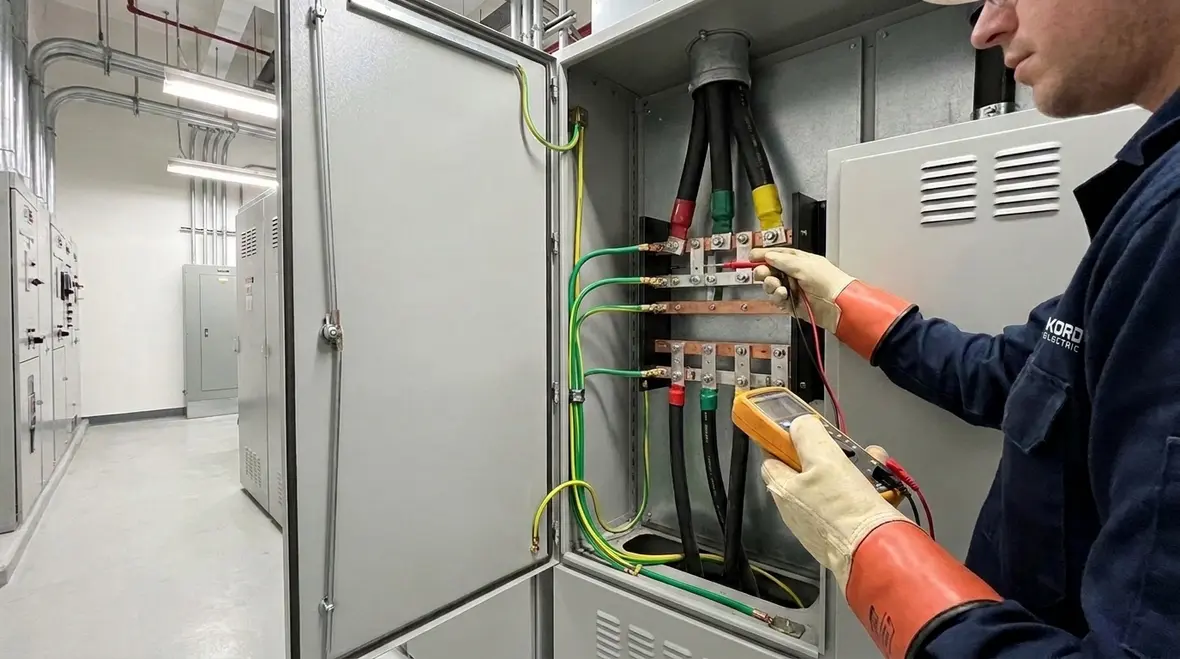
NEC 665.19 Dielectric Heating Interconnection Guide
NEC Section 665.19 dielectric heating interconnection and why it matters
NEC Section 665.19 dielectric heating interconnection is where safe design and dependable installation begin for dielectric heating equipment. In plain terms, we want the interconnection method to protect workers, reduce risk, and keep systems working as intended, even when the equipment runs day after day in demanding commercial and industrial settings. Our team at Kord Electric pays close attention to this requirement before we ever touch a wire, and we document the reasoning so others can follow it too. Meanwhile, the building keeps humming along, like a loyal office fridge that never stops. If it does, we know exactly who to call. Others will call “mystery maintenance.” We prefer engineering.
Who this guide is for in commercial and industrial spaces
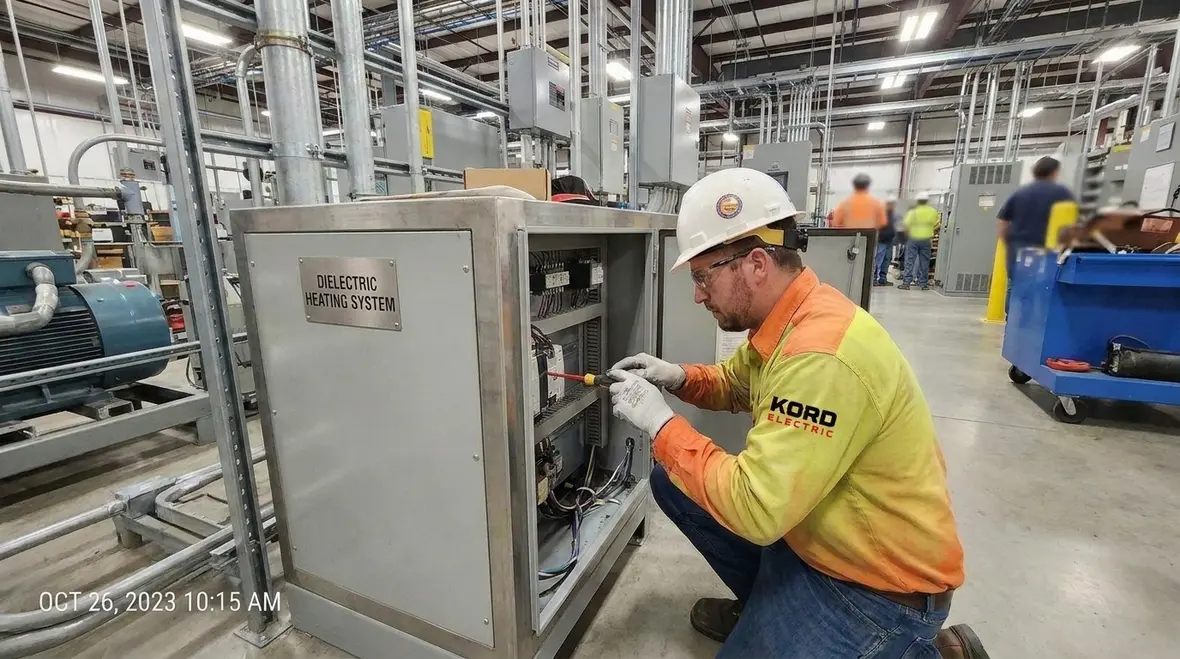
This guidance is built for commercial and industrial facilities and major property buildings. We serve owners, facility managers, and general contractors who need electrical systems that hold up under real load, real schedules, and real inspections. Because the National Electrical Code (NEC) does not write itself into a building, we translate the rules into practical steps. We also explain what our technicians look for on site, and we do it in a way that supports planning, budgeting, and safe commissioning. Finally, we make sure the design intent matches the installed outcome, not just the paper version.
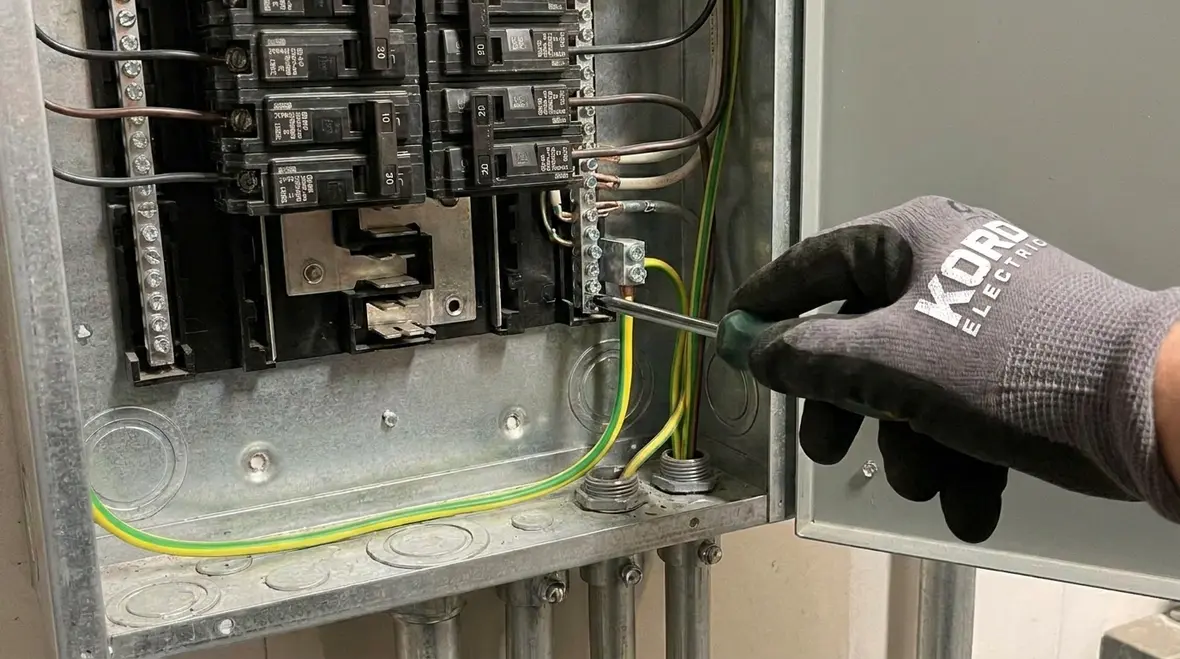
How the NEC treats dielectric heating interconnection
Dielectric heating equipment uses electrical energy to generate heat through the interaction with a material. That is already a niche topic, so we focus on the part that drives safe electrical integration. The NEC approach centers on interconnection practices, which means the wiring, bonding, and connection points must behave predictably during normal operation and under fault conditions. Our expert service staff explains it like this: when equipment changes temperature, draws load in unique ways, and communicates through connected circuits, the electrical “social network” must still stay stable.
To do that, we look at several elements. First, we confirm the correct wiring methods for the equipment and the room or zone where it sits. Next, we coordinate the interconnection with the grounding and bonding approach for the overall system. Then, we verify that terminations and connection points match the equipment requirements and remain accessible for inspection and testing. Finally, we align the electrical installation with how the equipment manufacturer expects the site interconnection to work.
And yes, we also remind people that “tight enough” is not a spec. Torque, identification, routing, and labeling matter. Our technicians have replaced enough loose terminations to know that what seems fine at first can turn into a future call to the fire suppression team. That is not a comedy sketch. That is a preventable problem.
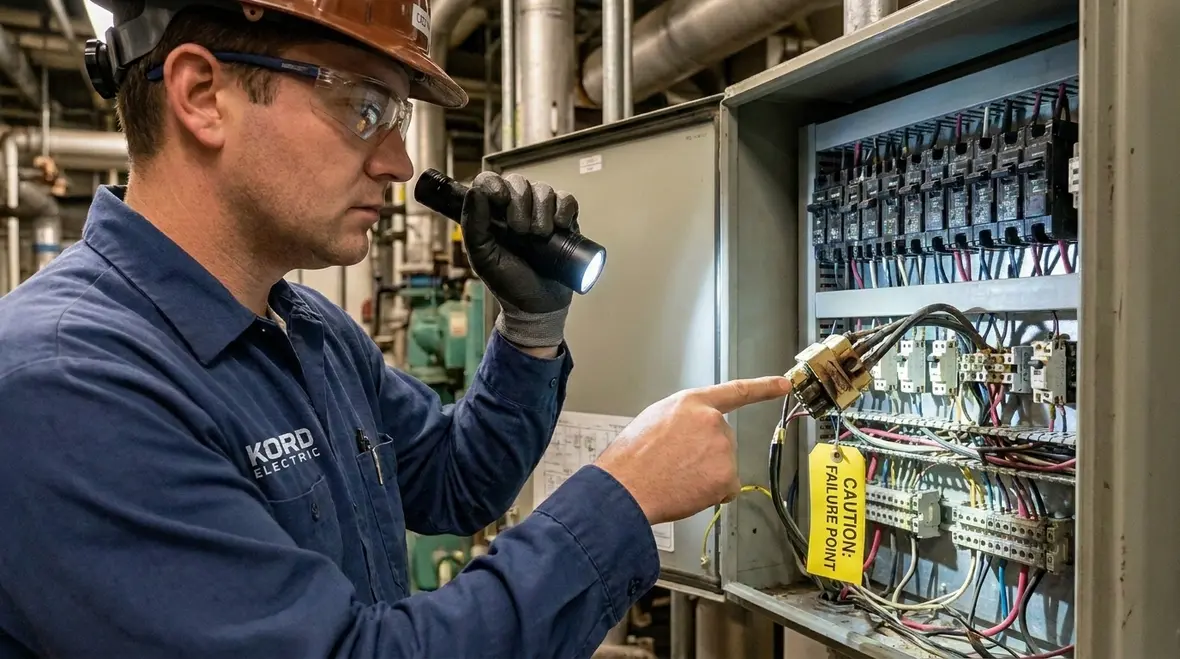
NEC compliance for interconnection and bonding in the field
Even the best drawings can fail if the field work ignores the details. Therefore, we treat compliance like a checklist that connects design to installation. Our technicians follow a method that starts with verification. We verify the equipment nameplate data, circuit ratings, and the required interconnection points. Then, we check that the grounding and bonding system aligns with the NEC intent for fault current paths and stable reference grounds.
After that, we focus on the physical routing and termination quality. We ensure conductors run where they should and avoid sharp bends, unsupported spans, and damage points. We also confirm that terminations receive proper preparation, including clean surfaces and correct conductor size. If identification matters, we label. If accessibility matters, we plan for it. And when inspection happens, we provide documentation that matches what our team installed, not what someone hoped was installed.
In addition, we coordinate with other trades in major property buildings, because dielectric heating equipment rarely lives alone. It shares electrical infrastructure with HVAC, process loads, lighting, and control systems. When we plan the interconnection, we consider how switching devices, protective equipment, and feeder routing can affect the overall behavior. In short, we help keep the electrical system from acting like a group chat where everyone replies at once.
Common failure points we see during commercial inspections
We have learned that problems often start small, then grow into expensive repairs. For dielectric heating interconnection, common failure points include mismatched connection types, incorrect conductor sizing, inconsistent grounding practices, and incomplete documentation. Sometimes, the interconnection wiring exists, but the bonding is treated as an afterthought. That is where stability breaks down under fault conditions.
We also see issues with labeling and documentation. A building can pass an early walkthrough and still fail later when someone needs to troubleshoot or when the AHJ reviews the installation. Therefore, we document each step and we communicate clearly with the project team. Our expert service staff explains the “why” behind each requirement so the team understands that compliance is not paperwork. It is risk control.
Another failure point involves changes during construction. A conduit path gets rerouted, a termination point changes, or a contractor swaps components. When that happens without electrical review, the interconnection may no longer match the NEC design intent. So we require our team to re-check interconnection details after changes, because “close enough” does not apply to safety-critical electrical integration.
Workflows our Kord Electric technicians use to get it right
We run projects with a clear workflow that keeps the NEC requirements practical and manageable. First, our engineers and electricians review the system design and confirm the NEC references tied to the dielectric heating interconnection. Next, our field technicians plan the installation sequence, including access points and inspection needs for commercial and industrial facilities.
Then we perform pre-install checks. That includes verifying equipment requirements, conductor types, and connection specifications. After installation, we conduct functional checks and verify labeling. Finally, we provide closeout documentation that supports inspection and maintenance. Our process also includes feedback loops, because we improve the workflow based on what our technicians learn from each job.
If you are working in a major property building, this matters even more. Buildings have long lifecycles. Decisions made during installation influence upgrades, maintenance scheduling, and troubleshooting speed years later. We focus on long term performance, not short term “looks good” progress.
How this fits with modern NEC reading resources and local expectations
The NEC gets updated and interpreted through a combination of code language, engineering judgment, and local enforcement practice. We keep an eye on related guidance and how it is discussed in current resources. For example, our broader educational content includes NFPA 70 explanations that help teams understand the NEC at a practical level, including how interconnection and installation practices impact safe operation. If you want background on what the NEC covers overall, we often point teams to resources from our network, including Kord Fire and other industry learning platforms.
In the field, we also account for how fire and safety planning connects to electrical work in commercial sites. Our approach supports coordinated safety outcomes, because electrical faults can trigger more than just an outage. They can create hazards that other systems are designed to respond to. So while our scope stays focused on electrical design and installation for commercial and industrial facilities and major property buildings, we still think in systems. We want the whole building to protect people, processes, and property.
For teams who want a deeper NEC overview that pairs with NEC Section 665.19 dielectric heating interconnection, we often reference our companion article Understanding NFPA 70: The National Electrical Code Explained for 2026, which connects high level code direction to practical decisions in commercial and industrial projects.
What to ask before the dielectric heating interconnection begins
If you want fewer surprises, you need early clarity. We recommend asking teams to confirm equipment requirements, circuit routing plans, termination details, bonding approach, and inspection access. You should also ask who owns documentation and how changes will be reviewed. Our technicians often help by outlining what must be verified on site versus what gets handled in the design phase. And because procurement delays happen, we also review what substitutions are allowed and which ones require re-approval.
One more practical tip from our service staff: ask how the team will handle labeling and recordkeeping. When someone needs to troubleshoot later, clear identification saves hours, and it keeps problems from turning into scavenger hunts. Nobody wants to play “Guess the Circuit” during a busy production window. We already have enough games in life.
FAQ
Call Kord Electric for NEC focused installation support
At Kord Electric, we help commercial and industrial facilities build electrical systems that stay safe, clear, and inspection ready. Our technicians and expert service staff plan the dielectric heating interconnection details early, verify them in the field, and document the results so your project stays on track. If your team needs dependable NEC aligned work for a major property building, contact us. We will review the setup, spot risks before they appear, and guide the installation to a confident finish.
For broader electrical work beyond NEC Section 665.19 dielectric heating interconnection, including distribution upgrades and coordination with life safety systems, our Los Angeles County electrical services team supports everything from design reviews to field installation and commissioning.
If your facility is planning new dielectric heating equipment, expanding production, or aligning with the latest NEC cycle, bringing in a team that treats code as a design partner instead of an afterthought can make the difference between “barely passes” and “ready for the next decade.” We focus on the latter, because your building will be living with these choices long after the last punch list meeting.


