
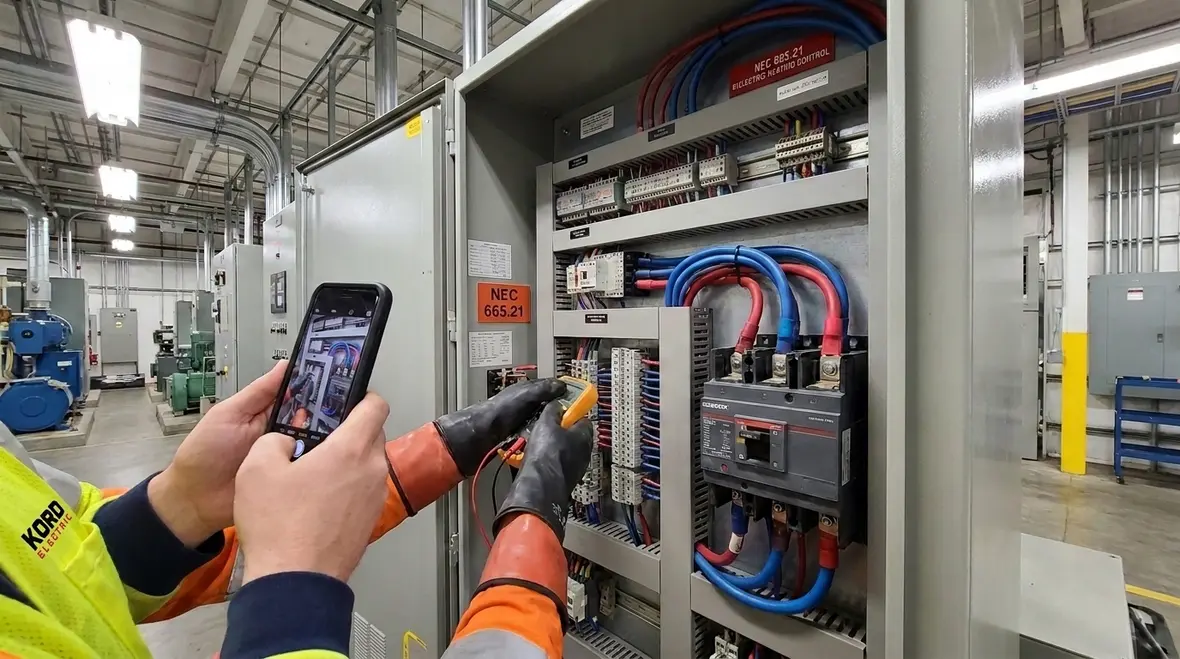
NEC Section 665.21 Dielectric Heating Control Panels
At Kord Electric, we support commercial and industrial facilities with electrical services that keep people safe and equipment running. So when we install or service NEC Section 665.21 dielectric heating control panels, our focus is clear: we help teams follow the National Electrical Code while protecting the system that makes dielectric heating work. In the first moments after energizing a properly built control panel, you can almost feel the difference between “it powers up” and “it operates correctly.” And that is where our technicians step in, calm voice, steady hands, and patient explanations. Because nobody wants a surprise event, and nobody wants the electrical equivalent of a pop quiz.
NEC Section 665.21 and why dielectric heating needs real control
Dielectric heating systems can feel almost invisible when they work correctly: materials heat where they should, processes stay on schedule, and operators trust the equipment. But behind that calm operation sits a control panel that has to manage real electrical energy with real consequences if something goes wrong. NEC Section 665.21 focuses attention on this control point, because when power levels rise and fields interact with materials, you want the electrical behavior to be predictable, not improvisational.
From our perspective in commercial and industrial work, this is where the story gets practical. A dielectric heating installation without a disciplined control strategy is essentially a “best guess” machine. It might run fine for a while, but as loads shift, conditions change, or components age, risks sneak in. By contrast, a properly designed and maintained control panel turns the process into something you can manage, measure, and defend during inspections. That is why we treat NEC Section 665.21 dielectric heating control panels as safety infrastructure, not just another box on the wall.
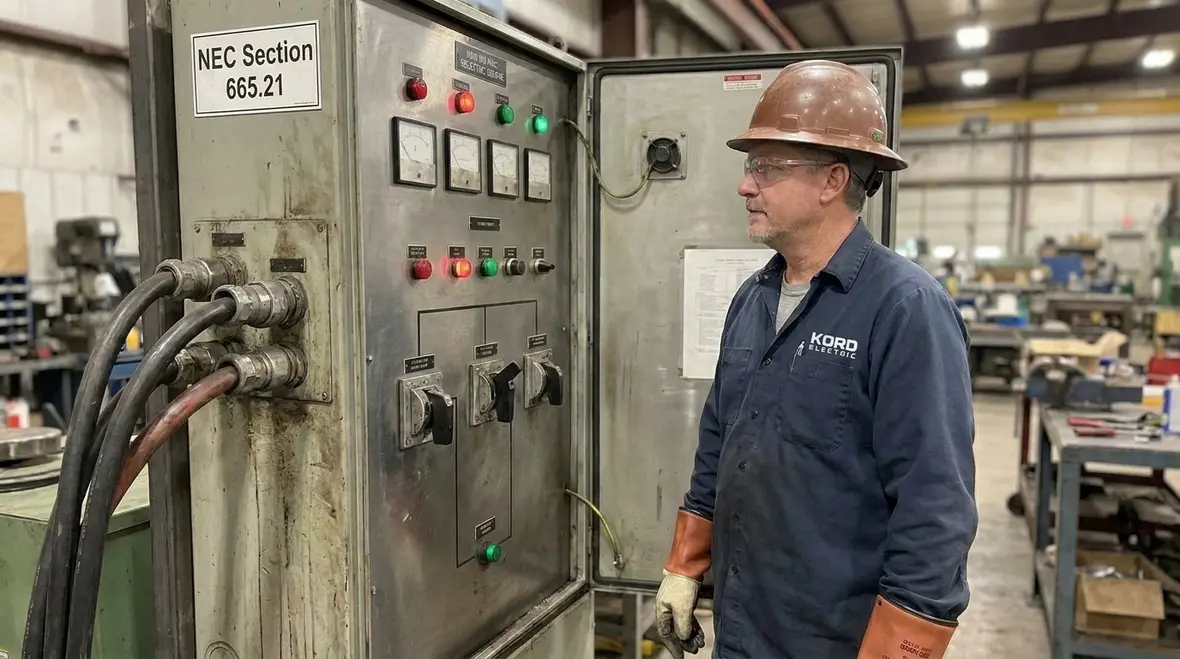
What the NEC requires for dielectric heating systems
NEC rules exist for a reason, and they get even more important when dielectric heating gets involved. This type of heating relies on controlled electrical energy to create heat in materials, so small mistakes can grow into big problems fast. Therefore, we treat NEC Section 665.21 dielectric heating control panels as the heart of the installation, not an accessory. Our expert service staff explains it like this: the control panel manages power flow, monitoring, and safety behavior so the system stays within design limits.
Furthermore, we help facilities understand that compliance is not just a checkmark. It is how the equipment is assembled, labeled, protected, and inspected so it behaves the same way every time. That consistency matters for operators, maintenance teams, and anyone responsible for code compliance. In other words, we help you avoid the “it worked last year” approach, because last year is not a safety standard. Our technicians document what they find, what they correct, and how the equipment should be maintained moving forward.
Because dielectric heating systems often operate in high duty, high expectation environments, we also talk through how NEC Section 665.21 ties into broader code thinking. Many teams benefit from pairing this topic with resources such as Understanding NFPA 70: The National Electrical Code Explained for 2026, which gives facility decision makers a bigger picture of how section-specific rules fit into the NEC as a whole. Once the big picture clicks, details like control panel construction and verification feel a lot less mysterious.
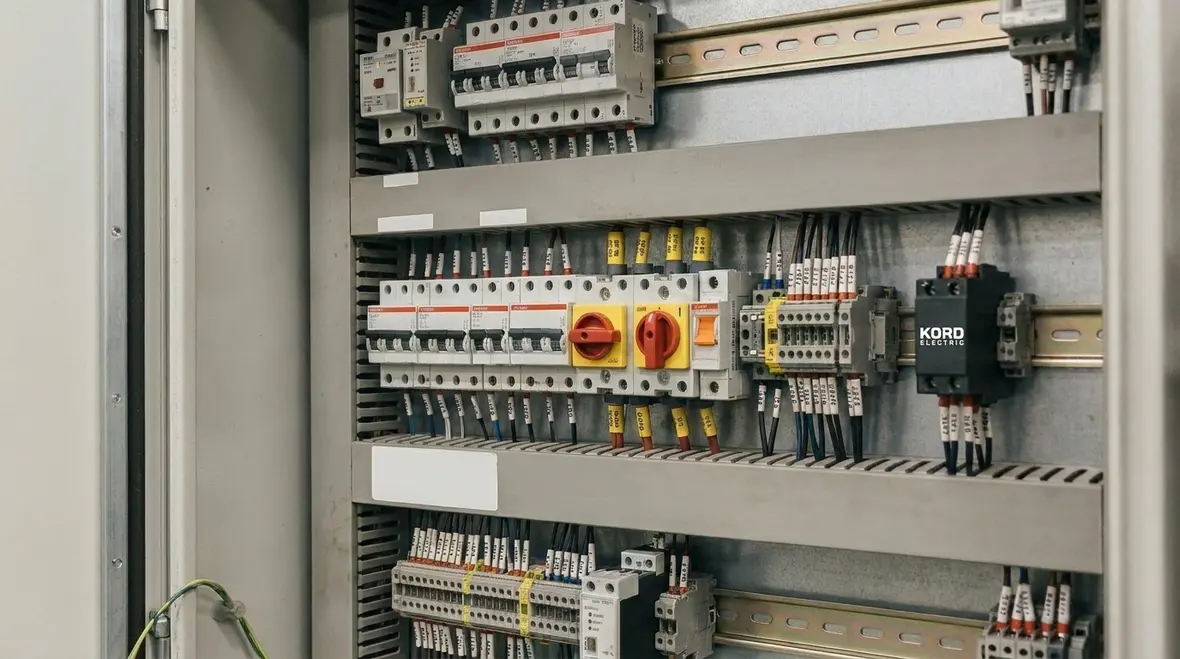
Dielectric heating control panels as the process “brain”
When we walk into a plant room or equipment bay, we look at the dielectric heating control panel as the “brain” that turns raw electrical potential into controlled, repeatable work. Under NEC Section 665.21 expectations, that brain has to manage:
- Safe energization and shutdown conditions
- Interlocks tied to guards, doors, process limits, and permissives
- Monitoring of currents, voltages, and temperatures where applicable
- Fault response behavior that protects people, equipment, and product
A panel that simply passes power through is not doing its job. A panel that supervises the process, blocks unsafe states, and communicates clearly with operators is doing exactly what NEC Section 665.21 expects: turning rules into action.
How control panels reduce electrical risk in real life
Now let us talk about what the panel actually does on site. A dielectric heating control panel coordinates the electrical inputs, controls output behavior, and often includes interlocks and protection that reduce the chance of unsafe operation. In practice, this means the system can prevent energizing under wrong conditions, detect abnormal states, and keep operators from taking steps that create dangerous power states. As a result, a well designed panel acts like a quiet supervisor, and it does not get tired or distracted after lunch.
Next, we work with facility teams to align panel operation with how they run daily processes. If the system heats in cycles, then the control strategy must match the cycle timing and safety boundaries. If the process demands specific control logic, then the wiring and components have to support that logic. Our technicians check field conditions too, because real sites do not look like ideal diagrams. Dust, vibration, temperature swings, and wiring routes all matter. We verify terminations, check labels, and confirm that the protective devices respond as expected, so the panel does not become the weakest link in the chain.
We also frame this work in risk language that facility leaders understand. Dielectric heating systems often support throughput, quality, and uptime. When a control panel fails in a way that violates NEC expectations, the result is rarely just a tripped breaker. It might mean damaged material, missed production windows, or a safety incident that pulls people away from everything else they planned to do that week. So we treat every test, torque check, and functional run as part of a risk reduction routine, not just another checklist box.
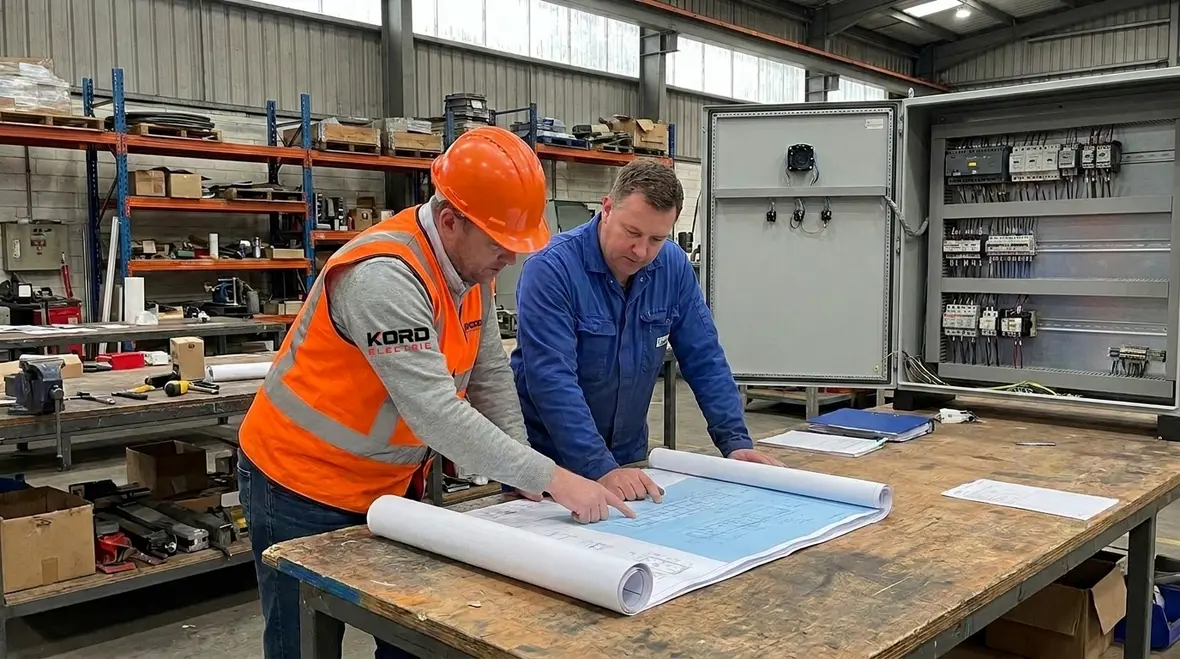
Aligning real-world operating habits with NEC expectations
We routinely see a gap between how a dielectric heating system was drawn and how people actually use it. Maybe operators have learned a “shortcut” to get product out faster. Maybe maintenance added a temporary bypass one hectic day and it never left. NEC Section 665.21 sets guardrails for safe control, but those guardrails only work if the operating habits respect them.
So our technicians spend time in the field asking questions that sound simple but matter a lot:
- “When do you usually start this system, and what do you watch for first?”
- “What happens on a bad day? Who gets called, and what do they do?”
- “Has anyone ever seen this alarm and just reset it without understanding why it occurred?”
The answers help us tune the panel behavior, refine interlocks, and adjust labeling so the system quietly nudges everyone back toward safe, NEC aligned operation. In other words, we use Section 665.21 as a baseline, then build the practical human layer on top.
Planning, design, and installation for commercial and industrial sites
Facilities do not always plan dielectric heating upgrades at the right moment, and we get that. Still, we recommend treating planning as the first safety layer. Therefore, our team starts by reviewing the equipment requirements, the operating environment, and how the facility expects to control the process. Then we coordinate the electrical scope with other trades, so you avoid the common headache where one crew finishes and another crew makes changes that require rework. That is not just annoying, it adds risk and cost.
After planning, we focus on installation details. We confirm conductor sizing, routing, grounding, bonding, and component selection, because dielectric heating systems often involve high energy concentration and strict control behavior. Then we ensure the panel layout supports safe access, correct identification, and reliable terminations. We also consider how the facility will maintain the system later. In other words, we do not design for a single day, we design for years of service.
Additionally, we coordinate documentation. We want the next technician to understand the intent without guessing. That means clear labeling, as built information, and service notes that support troubleshooting. When our technicians explain the system to your team, we keep the explanations plain and practical, so operations staff can run the process and maintenance staff can service it confidently.
For facilities that juggle multiple NEC driven projects at once, we also connect dielectric heating work with other code focused planning. Articles such as our NEC scope and conductor protection guides, along with Kord Fire’s NEC education like NFPA 70: All About the National Electrical Code (NEC) 2026, help everyone speak the same language when they sit down to coordinate designs, budgets, and inspection timelines.
Inspections, labeling, and safe operation after energization
Once equipment is installed, the work does not stop. We guide clients through inspection readiness, functional checks, and safe operation steps. First, we verify that the control panel meets the expectations for construction and installation, then we confirm that protective and control behaviors match the designed operation. After that, we help teams set up practical operating procedures, so staff knows what “normal” looks like and what actions to take when something changes.
Labeling also plays a major role. It reduces errors during operation and maintenance, and it makes troubleshooting faster. We support the facility with labeling standards that align with how your team works. Meanwhile, our technicians explain warning signs and alarm behavior in plain language. For example, instead of telling someone to “check the system,” we show them what specific signal indicates and what steps they should take first. That is how you keep downtime low and confidence high.
And yes, occasionally we hear jokes during handoff, like “We promise not to touch anything unless it is on the list.” We accept the promise, then we make sure the list is clear.
Because NEC Section 665.21 dielectric heating control panels touch both safety and production, we also encourage facilities to wrap them into their broader electrical training and inspection programs. When operators, maintenance staff, and safety coordinators all recognize the same panel behaviors and labels, inspections feel less like pop quizzes and more like well rehearsed drills.
Common compliance gaps we see and how we prevent them
In the field, we often see the same patterns of risk. Sometimes a panel is installed with good intentions but missing small details that matter. Other times, the system is modified later, and the control behavior no longer matches the as built intent. When that happens, safety margins shrink quietly, which is why we take documentation and change control seriously.
Here are the gaps we help facilities avoid. We focus on items that affect safe control, reliable operation, and code alignment for commercial and industrial settings.
- Inconsistent component ratings that do not match the heating process needs
- Wiring terminations that do not hold up under vibration and heat cycles
- Missing or unclear identification that slows troubleshooting and invites mistakes
- Interlock logic that does not match actual operating conditions
- Protective device coordination that does not perform as intended during faults
To prevent these issues, we run a disciplined process. First, we review existing drawings and equipment requirements. Next, we verify field installation quality. Then we confirm operational behavior with functional checks. Finally, our technicians provide a clear explanation to the facility team so they understand what was changed and why. That is how we turn compliance into real safety, not just paperwork.
We also use these reviews as teaching moments. When we correct a miswired interlock or update a label that never made sense, we explain the “why” behind the fix. Over time, that reduces the number of risky shortcuts and “creative” panel edits that show up between formal projects. It also builds a culture where people are more comfortable saying, “This does not look right, can we ask Kord Electric to review it?” instead of quietly hoping the system keeps behaving.
How Kord Electric and partners support NEC driven safety
We know electrical work does not sit alone. It connects to fire safety, inspection timelines, and facility risk management. So Kord Electric operates as part of a broader support network that includes specialized resources across electrical and fire related concerns. While we focus on the electrical side for commercial and industrial facilities, we coordinate with facility leaders and other stakeholders so plans stay aligned.
In particular, we consider the larger ecosystem around NEC driven safety, including how electrical systems interact with fire life safety strategies. Some facilities also lean on external resources that explain NEC topics in practical ways, including guidance found through industry partners and educational organizations. We reference these materials to keep our team aligned with the latest thinking, especially when facilities need a clear explanation for decision makers. Then we translate code concepts into site ready steps your maintenance team can use immediately.
And because we are hands on, not just theoretical, our technicians explain the logic behind the panel controls. They walk through the purpose of protective elements and the expected behavior during abnormal conditions. That helps your team trust the system instead of fearing it.
If your facility operates in or around Los Angeles County and you want these NEC Section 665.21 dielectric heating control panels aligned with real world code expectations, our Los Angeles County electrical services offering connects this panel level work with broader commercial and industrial electrical support across your building or campus.
FAQ
Ready for safer dielectric heating control?
If your commercial or industrial facility uses dielectric heating, we recommend you treat the control panel as a safety system, not just equipment. At Kord Electric, our technicians and expert service staff review requirements, support code aligned installation, and help your team operate with confidence. When something does not look right, we explain it clearly and fix it with a plan that reduces risk and downtime. Reach out to us now, and we will help you move forward safely and efficiently.
Whether you are planning a new NEC Section 665.21 dielectric heating control panel, upgrading a legacy system, or troubleshooting behavior that no longer feels trustworthy, our goal is simple: connect the written code to real behavior in your building. That means fewer surprises during inspections, fewer late night calls when something trips unexpectedly, and more days where dielectric heating just works the way it should.


