
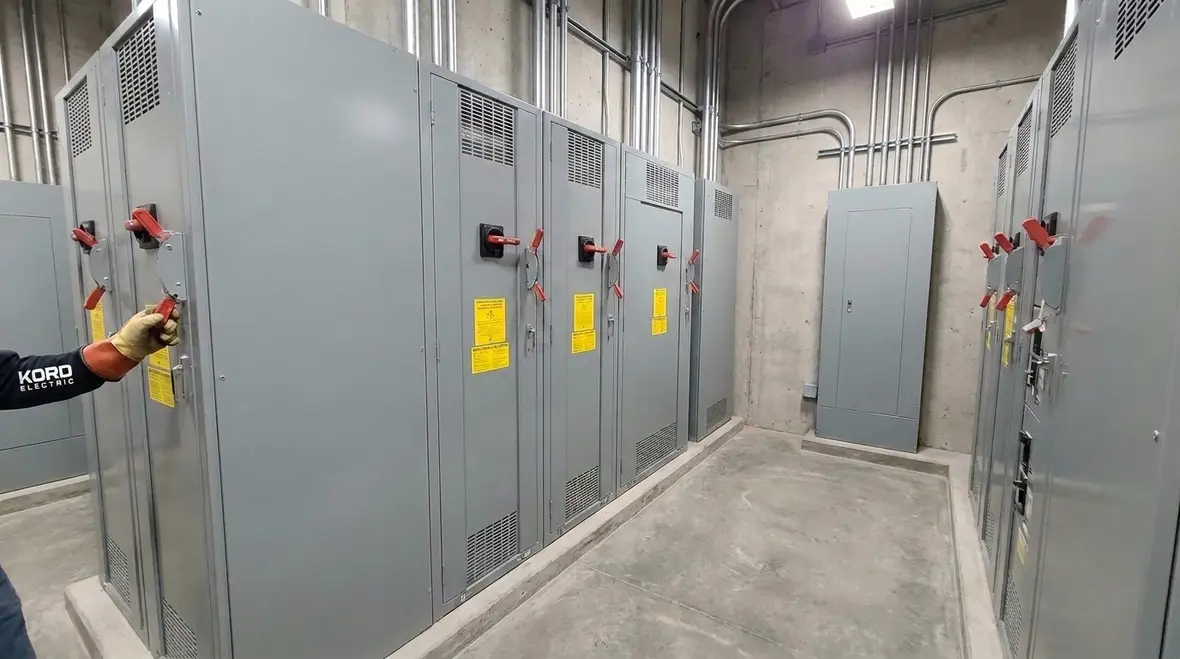
NEC 669.8 Electrical Room Disconnecting Means Explained
NEC Section 669.8 electrical room disconnecting means sounds like a sentence you’d hear right before someone says “please turn off the breaker.” And honestly, that is the spirit. NEC Section 669.8 electrical room disconnecting means sets expectations for how disconnecting means are handled in electrical rooms, so maintenance and emergency actions stay safe, clear, and dependable. At Kord Electric, we serve commercial and industrial facilities and major property buildings, and we treat this as a practical safety topic, not a textbook hobby. Our technicians and expert service staff explain the code in plain language, then they verify the details on site, because the code may be universal, but real buildings are not. Like any great plan, if you cannot operate it during stress, it fails when it matters.
That is also why we connect NEC Section 669.8 electrical room disconnecting means to broader code guidance, including resources such as our Kord Electric blog post on Understanding NFPA 70: The National Electrical Code Explained for 2026, so the rule for one room fits into your overall electrical safety plan instead of living as an isolated note on a drawing.
Why the NEC rules exist for real building safety
People sometimes assume electrical codes exist to slow down the workforce. However, the opposite tends to be true when a facility is properly designed and maintained. Codes reduce guesswork, and that matters because an electrical room is one of the places where small errors can create big problems. When we interpret and apply NEC guidance, we focus on outcomes: safe access, clear switching paths, and dependable shutoff.
Also, commercial and industrial sites often run on tight schedules. So, we plan around downtime and risk. As our expert service staff explains during walkthroughs, a disconnect system that looks fine in daylight can become confusing during an emergency. Therefore, we make sure the disconnecting means and related controls behave in a predictable way, and we document what we find.
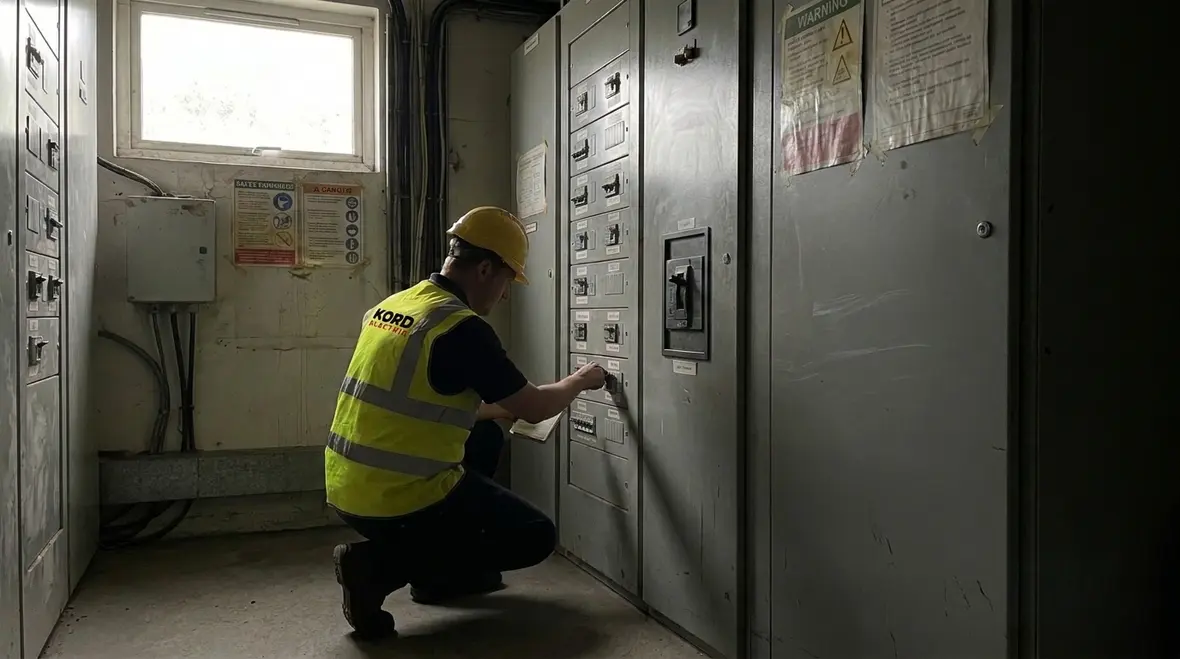
In practice, the NEC rules give everyone the same map. Instead of relying on whoever “set it up last time,” your team can rely on consistent expectations for where disconnects are located, how they are labeled, and how they operate. That shared understanding is what keeps maintenance calm and emergency response controlled.
What NEC Section 669.8 covers inside an electrical room
NEC rules do not exist to make a building look impressive. Instead, they tell us how to build so technicians, operators, and responders can act without hesitation. NEC Section 669.8 electrical room disconnecting means addresses how disconnecting means should be arranged and handled in an electrical room. In practical terms, we treat this as a “working access” topic, meaning you should be able to find the right disconnect, reach it safely, and understand its purpose quickly.
When we review your facility, we look for the stuff that causes delays. For example, we check whether labeling practices match actual equipment, whether clear access remains available, and whether the arrangement supports safe operations. Then we connect the dots back to the code intent: a facility should support safe operation under normal conditions and still function when conditions are not normal.
We also consider how NEC Section 669.8 interacts with other sections that control working clearances, overcurrent protection, and service disconnecting means. If the disconnect location or arrangement conflicts with other NEC expectations, we help you resolve it before it becomes a problem during inspection or during a real emergency.
How proper disconnect placement supports maintenance and emergency response
Think about an electrical room like a control center. Now imagine you walk in with one hand holding a flashlight, the other holding a clipboard, and the building is already under stress. If the disconnecting means are hard to reach or hard to identify, people waste time. And time, in electrical safety, is not a friendly pet. It bites.
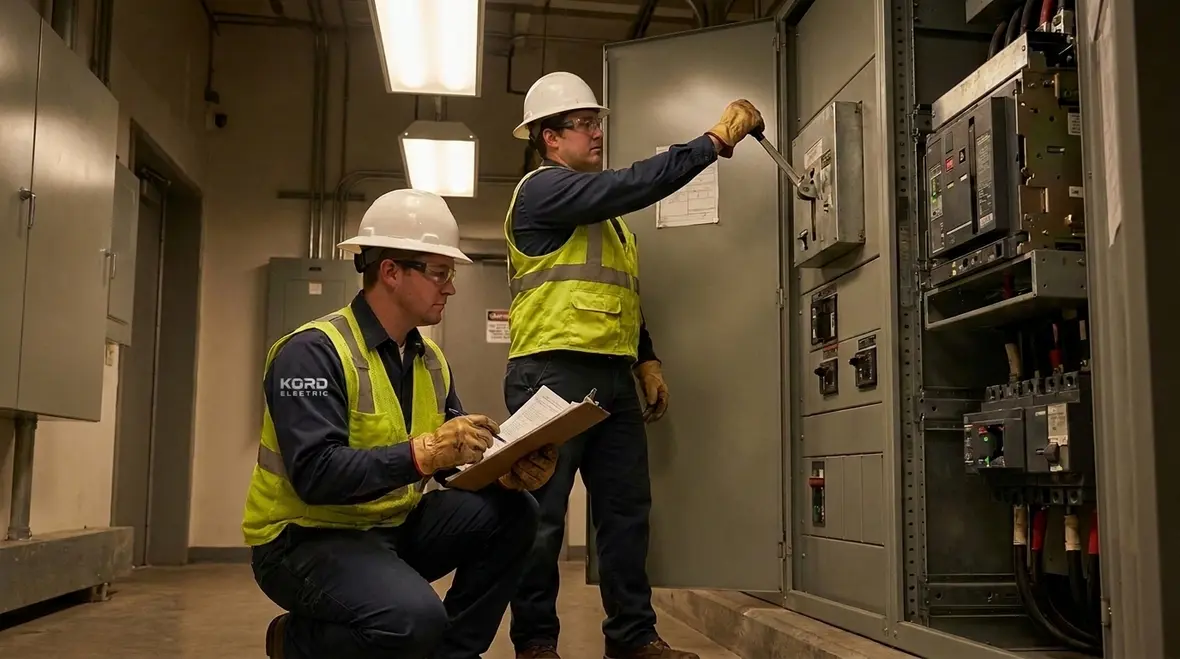
Our technicians take a structured approach. First, we map the equipment and the expected operating path. Next, we verify that the disconnecting means in the electrical room supports maintenance access without forcing workers to work in unsafe zones. After that, we confirm that the room layout does not create blind spots that hide the location of disconnects.
Because we serve commercial and industrial environments, we also consider how your teams work on real days. For example, if your operations staff often follows a specific shutdown sequence, we align the disconnect identification and documentation with that sequence. That way, when someone calls for a stop, we do not just meet the standard. We help your teams move with confidence.
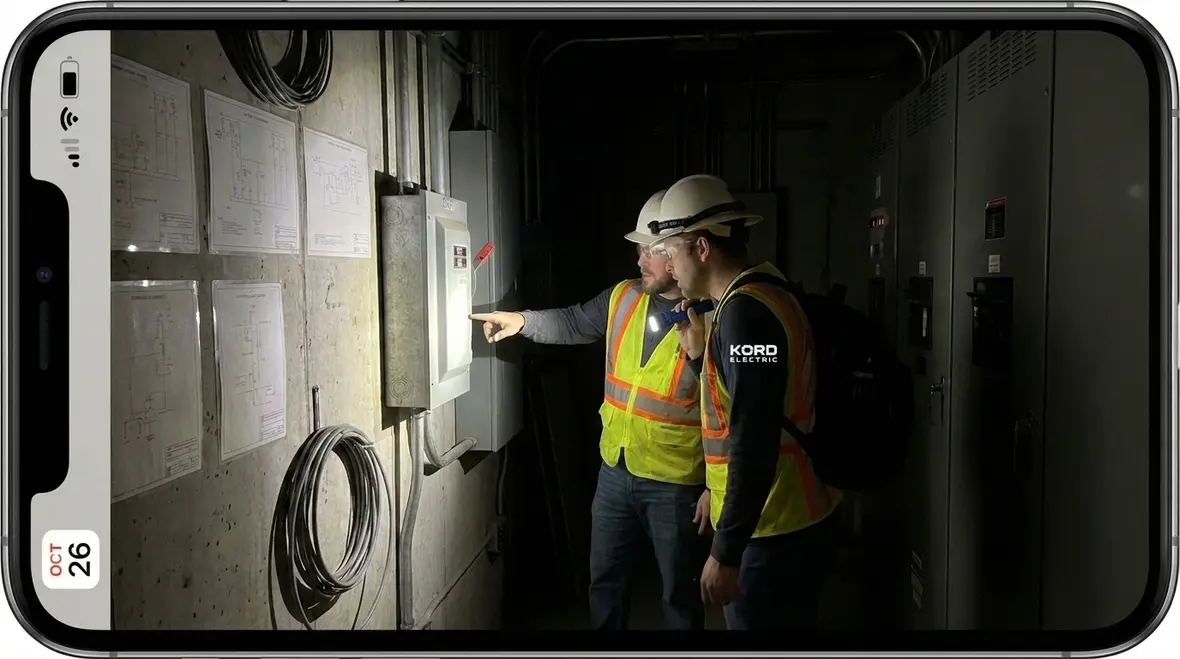
In many buildings, the difference between a calm shutdown and a chaotic one comes down to a few seconds of hesitation. Proper placement and clear labeling of disconnecting means reduce that hesitation. We want your team to walk into the room, recognize the equipment, operate it safely, and walk back out with the system under control.
Working with technicians: our expert service team explains the checks we perform
We believe the best compliance work feels clear, not confusing. Therefore, our expert service staff explains what we check and why, so your facility team understands the logic. During site visits, we break the process into a few repeatable steps that keep things calm, even when the schedule is not.
- Room access verification: we check that the electrical room supports safe passage and safe reach to disconnecting means.
- Identification and labeling review: we confirm labels match the equipment and the shutdown purpose.
- Operational sequence validation: we ensure the disconnecting means supports the way your teams actually shut down equipment.
- Documentation alignment: we connect field conditions to your drawings and service records.
And yes, we also handle the “but it worked last time” argument. Last time does not matter if the room layout changed, if equipment was added, or if labels got swapped during a previous project. Code compliance is a living system, not a one-time photo op.
When we walk your team through NEC Section 669.8 electrical room disconnecting means, we tie each check back to the code language and to real incidents we have seen in the field. That combination helps facility staff remember why the details matter, long after the walkthrough ends.
Where electrical room disconnects connect to broader NEC intent
Even when you focus on one section, the bigger picture matters. The National Electrical Code aims to coordinate equipment safety, circuit behavior, and operational readiness. We reference the broader NEC philosophy from our learning sources and industry materials, including guidance related to the National Electrical Code and how it applies across installations. You can see that focus echoed in the content we share through our platforms, including Kord Fire resources and NEC overviews that support facility decision-making.
In other words, NEC Section 669.8 electrical room disconnecting means does not live alone. It supports an overall goal: people should be able to safely access and operate electrical systems. When a facility team plans additions, renovations, or equipment upgrades, they should think about how the disconnect plan changes too. Articles like our guide on Understanding NFPA 70: The National Electrical Code Explained for 2026 show how those changes ripple across commercial and industrial projects over time.
As a quick reality check, if your facility has emergency procedures, training decks, or site control maps, we encourage you to verify they still match the field. Then we make updates where needed. That small step often prevents the biggest disruptions, especially where electrical room disconnects are part of fire response or coordinated shutdowns.
Integrating safety in commercial and industrial major buildings
Major property buildings carry unique pressure. For one thing, they often include multiple tenants, shared utilities, and complex maintenance coordination. Therefore, disconnecting means must support more than one team. Operations staff, electricians, facility managers, and sometimes outside contractors all need the same clarity during the same stressful moment.
Kord Electric approaches this like a system integration job. We do not just verify what is installed; we help you manage how it stays correct over time. For example, we consider change control. If a project adds new loads, upgrades switchgear, or changes how equipment feeds systems, we verify that the electrical room disconnecting means and related labeling practices also update.
In many cases, we also align our work with fire and life safety thinking. While the electrical room rules focus on electrical control, facilities often coordinate these details with fire response planning. That is where resources like Kord Fire content and broader fire pump industry guidance can help teams understand how electrical readiness supports life safety operations. When the electrical side stays dependable, other safety systems work with less friction.
For multi-tenant or mission-critical buildings, we frequently coordinate NEC Section 669.8 electrical room disconnecting means with electrical code upgrade consulting for renovations and with broader modern electrical systems planning. That way, when your building evolves, your disconnect strategy evolves with it instead of lagging two projects behind.
FAQ: NEC 669.8 and electrical room disconnecting in plain terms
Bring your electrical room controls up to confident standard
At Kord Electric, we work with commercial and industrial facilities and major property buildings, and we treat NEC compliance as a safety system you can operate under pressure. If you want to verify your electrical room disconnecting means, improve access and identification, and align procedures with the field, we are ready. Our technicians and expert service staff explain the findings clearly, then we help you close gaps without disrupting your operations more than necessary. Call us today to schedule a focused compliance review and get peace of mind that holds.
For facility teams looking to connect NEC Section 669.8 electrical room disconnecting means to broader planning, our National Electrical Code resources, including Understanding NFPA 70: The National Electrical Code Explained for 2026, offer a deeper view of how these rules shape everyday decisions in commercial and industrial buildings. And when you are ready to move from reading to action, our Los Angeles County electrical services team can turn code language into field ready upgrades, renovations, and maintenance strategies that keep your electrical rooms predictable and your operations steady.
Whether you are planning a renovation, responding to a recent issue in an electrical room, or simply trying to get ahead of inspections, treating NEC Section 669.8 electrical room disconnecting means as a practical safety requirement will support your entire infrastructure. The earlier you review, document, and improve your disconnect strategy, the easier it becomes to keep people safe, protect equipment, and keep the building running without last minute heroics.


