

NEC 70 Section 267.30 Number of Supplies for Feeders
Kord Electric breaks down NEC 70 Section 267.30 for branch and feeder circuit planning
At Kord Electric, we keep things simple for commercial and industrial facilities, because your electrical system does not have time for guesswork. In the first place, NEC 70 Section 267.30 sets rules for the number of supplies allowed for branch and feeder circuits. In other words, the standard helps control how many sources can feed wiring that serves loads across your building. We see it in the field every week, too, when other teams want to “just add one more supply” like it is a spare seat at a concert. Meanwhile, our expert service staff explains the code in plain language, then builds the electrical plan so it stays compliant and reliable.
What Section 267.30 actually controls in commercial and industrial work
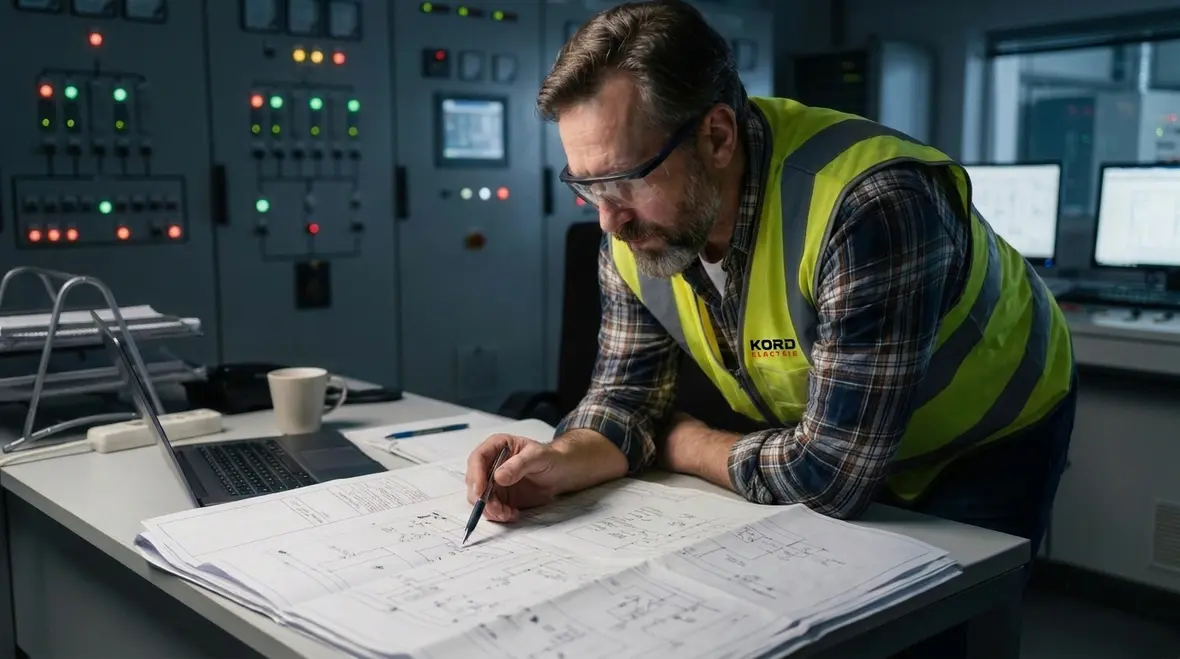
Third person teams often treat Section 267.30 like a footnote. However, it sets practical limits that affect design, protection, and coordination. When a facility has multiple pathways of power, those supplies cannot behave like friendly rumors. Instead, the wiring and devices must handle real electrical behavior, including transfer conditions and fault states. Therefore, this section focuses on how many supplies can feed branch circuit conductors and feeder circuits under defined conditions.
In practice, Kord Electric uses this guidance to help the electrical engineer and the installing contractor make choices that fit the building’s load needs. Then our technicians verify that the final layout supports the protection strategy. As a result, your project avoids “surprise compliance” during inspection. And yes, inspections can feel like movie plot twists, but we prefer to know the ending before the lights go out.
Why “number of supplies” impacts protection, coordination, and reliability
When an electrical system has multiple supplies, every supply can contribute fault current, and that changes how breakers, fuses, and protective relays behave. Additionally, the load side might see momentary interruptions or voltage changes during switching or source transitions. That is exactly why NEC rules matter. Section 267.30 does not just limit counts. It pushes the whole design toward predictable operation.
So, how does Kord Electric translate the idea into real building outcomes? We start by looking at the facility’s power architecture, then we map how branch and feeder circuits connect to the supplies. After that, our technicians check that protection devices coordinate properly across the circuit routes. Finally, we make sure the plan supports safe operation during abnormal events.
If a team ignores the supply limits, coordination can fail in subtle ways. For example, an upstream device might not clear faults fast enough, or downstream devices might never protect the circuit they were meant to protect. Consequently, equipment can wear faster, uptime drops, and facility managers get the kind of headaches they did not schedule.
How our team applies the rule during design reviews and field checks
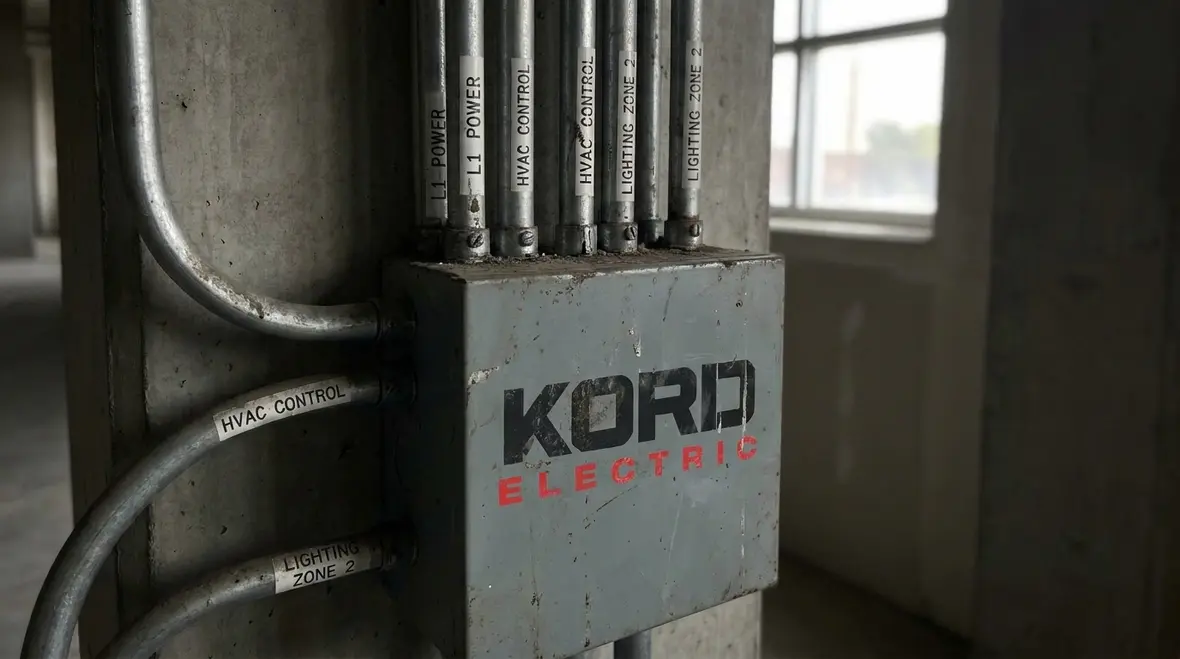
During design review for commercial and industrial facilities, Kord Electric does not wait until the last week of the project. Instead, we review the supply plan early so the construction team understands what the electrical system must achieve. At that point, we ask how each supply connects, where the feeders begin, and how branch circuits distribute power to the final load panels.
Next, our technicians explain the code intent to the people doing the work. When we speak with engineers, general contractors, and electricians, we keep the tone professional and business casual, not academic and vague. Then we tie it back to outcomes, like smoother coordination and fewer correction cycles. Our expert service staff also documents the reasoning so the project team can stay aligned through submittals and inspections.
In the field, we confirm that the physical wiring matches the approved plan. Additionally, we verify labeling, switching logic, and protective device setup. This is where most problems get caught, because drawings do not always survive real life intact. Like a phone update, sometimes reality changes the settings.
Common setup patterns we see in major property buildings
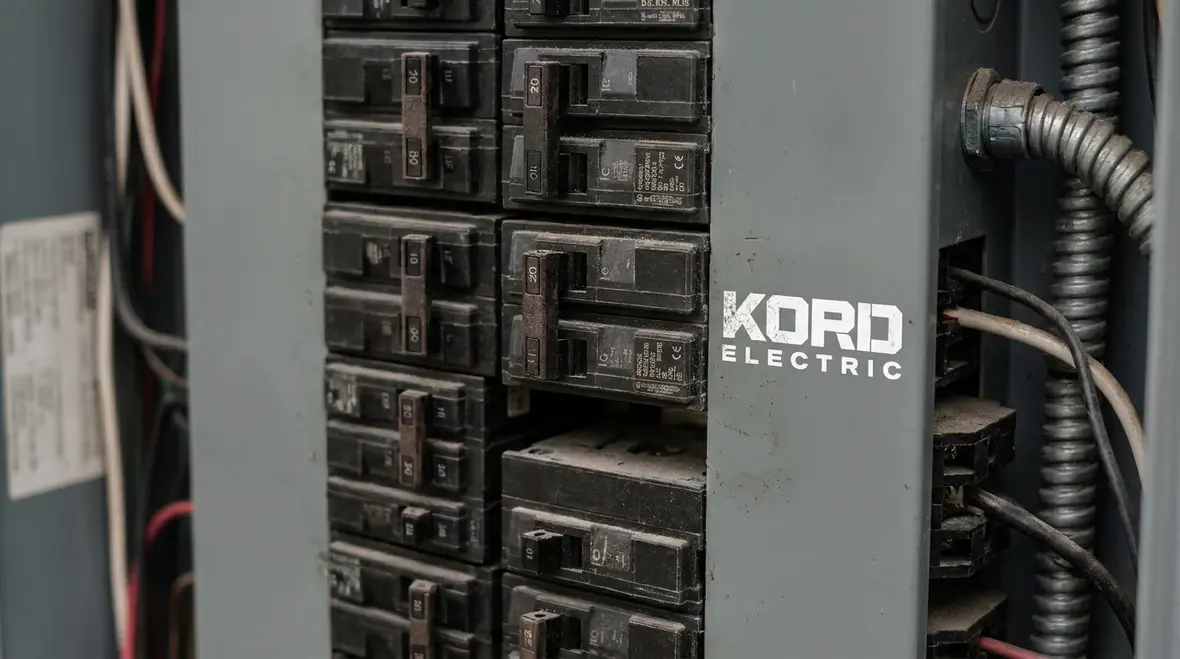
Large facilities often use more than one supply source to keep critical loads running. However, they must still follow NEC direction for how branch and feeder circuits receive power. Here are setup patterns we often see in major property buildings, and how teams usually align them with Section 267.30 concepts:
- Single supply with normal and emergency separation: Many sites use a main supply for general loads, then an emergency supply for life safety and required functions.
- Multiple feeders from one main distribution point: A building may distribute power through several feeder circuits while keeping the supply structure consistent.
- Source transfer for critical areas: Critical spaces may switch between supplies through designed transfer equipment, with protective devices coordinated for the defined supply behavior.
- Dedicated pathways for specific load groups: Some properties isolate load types so fault behavior and protection coordination stay predictable.
Importantly, Kord Electric helps teams avoid mixing concepts that do not belong together. For example, a project might treat every transfer as if it were a separate world, then wonder why coordination fails. Instead, we map circuits and protective devices as one system. That approach supports safe operation, which is the whole point.
How Kord Electric reduces risk during commissioning and testing
Once installation completes, risk does not magically disappear. Therefore, Kord Electric focuses on commissioning and testing to confirm the system behaves as designed. Our technicians verify that each supply and circuit route supports the intended operating mode. Then we test switching behavior where transfer equipment applies, and we confirm protective device settings align with the coordination study.
In major property buildings, we also help teams prepare inspection-ready documentation. That includes labeling checks, as-built verification, and supporting notes for how the supply count and circuit structure meet NEC requirements. As a result, inspectors do not have to interpret intent. They can verify compliance directly.
And when people ask why the process takes time, our expert service staff explains it like this: the electrical system is not a one-time event. It is a long-term contract with the building. Breaking that contract usually costs more than doing it right the first time.
Additional code context from NEC guidance and how it supports Section 267.30
Other NEC resources support the same big theme: electrical layouts must be safe, coordinated, and predictable under normal and abnormal conditions. Kord Electric draws from the broader NEC guidance covered in our Kord Electric blog article on understanding NFPA 70 for 2026 and our Kord Fire resources, including summaries of the National Electrical Code for facilities like yours. Then we connect those principles back to Section 267.30 so teams see the “why,” not just the “what.”
For commercial and industrial customers, especially those managing large properties, this matters because power systems serve many stakeholders. Electrical engineers want code-aligned design. Facility managers want reliability. Contractors want buildable scope. Our job is to help everyone land on the same plan. That is how we keep projects moving, and that is how we avoid the kind of rework that ruins a production schedule like a flat tire in a celebrity chase scene.
If your team is comparing NEC 70 Section 267.30 with other detailed rules like open conductor support, receptacle placement, equipment access, or NEC calculated load determination rules, our resource center on the Kord Electric blog helps connect those dots. Articles that unpack NFPA 70 Section 225.12 on open conductor supports, NEC 70 Section 110.7 workmanship standards, and NEC 70 Section 120.130 calculated load determination rules all reinforce the same priority: safe, predictable power distribution that respects how the NEC expects circuits and supplies to behave over the life of the building.
FAQ on NEC 70 Section 267.30 and number of supplies for branch and feeder circuits
Schedule a compliance focused electrical review with Kord Electric
Kord Electric supports commercial and industrial facilities that need dependable electrical planning and clean compliance. Our technicians and expert service staff explain NEC 70 requirements clearly, then they verify your branch and feeder circuit supply structure works the way the code intends. If your team is planning a major property upgrade or commissioning a new system, contact us early so we can reduce risk and avoid late surprises. We will help you build a reliable electrical system that lasts, because uptime is not optional.
If you operate in Southern California or surrounding areas and need a partner for complex supply and feeder planning, coordination studies, or inspection-ready upgrades, our dedicated Los Angeles County electrical services team can integrate NEC 70 Section 267.30 compliance into broader maintenance, repair, and project scopes so your entire distribution system supports long-term reliability.
For facility leaders who want to go deeper into NEC strategy, pairing this article with our resources on NFPA 70 fundamentals, AHJ enforcement expectations, equipment servicing space, receptacle rules, and NEC number of supplies circuits usage gives you a practical roadmap. The goal is simple: one clear plan, one coordinated protection strategy, and one compliant supply structure that keeps your building powered without drama.


