NEC Maximum Disconnects Circuits NFPA 70 267 33
At Kord Electric, we see the same pattern over and over in commercial and industrial builds: plans get drawn, equipment gets ordered, and then someone wonders how many disconnects they can legally land on a single circuit location. That is where NEC maximum disconnects circuits come into the picture fast. In our field work, we make sure project teams understand NFPA 70 Section 267.33 and how it limits the number of disconnects allowed. And yes, we have watched more than one schedule breathe a sigh of relief once the rule gets clarified early, because waiting until inspection day is like bringing a calculator to a knife fight. It does not end well.
In this article, third person will guide you through what the rule requires, why it exists, and how Kord Electric’s expert service staff helps facilities stay compliant without slowing operations.
NEC maximum disconnects circuits: why NFPA 70 Section 267.33 matters for commercial sites
For commercial and industrial sites, disconnecting means are not just boxes on a wall. They are the control points that decide how quickly a team can safely shut down power, service equipment, or respond to an emergency. When too many disconnects collect in one place, the result is confusion. When the count is set correctly under NFPA 70 Section 267.33, the result is predictable shutdown behavior. That difference shows up in everything from maintenance planning to how fast a facility recovers from an unexpected fault.
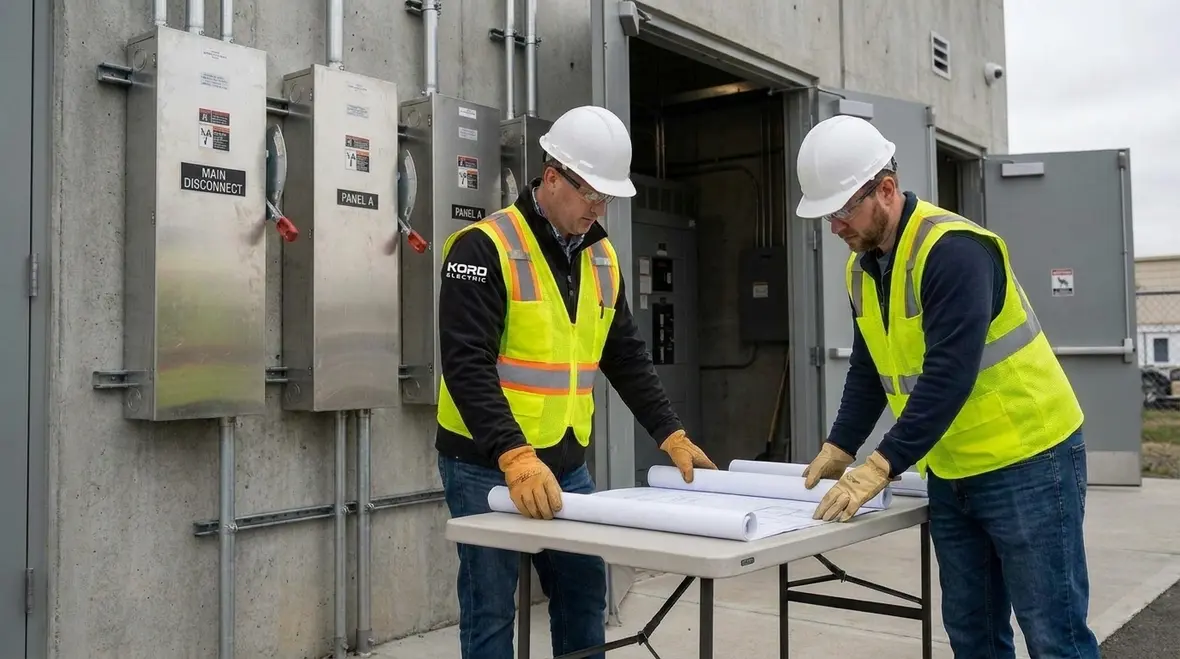
Kord Electric uses the same practical, code-backed mindset that shapes our broader NEC explainers, including resources like Understanding NFPA 70: The National Electrical Code Explained for 2026. When we help facilities apply NEC maximum disconnects circuits limits in Section 267.33, we tie the local design choices back to the bigger code story, so teams see how this one rule fits into their full electrical safety plan.
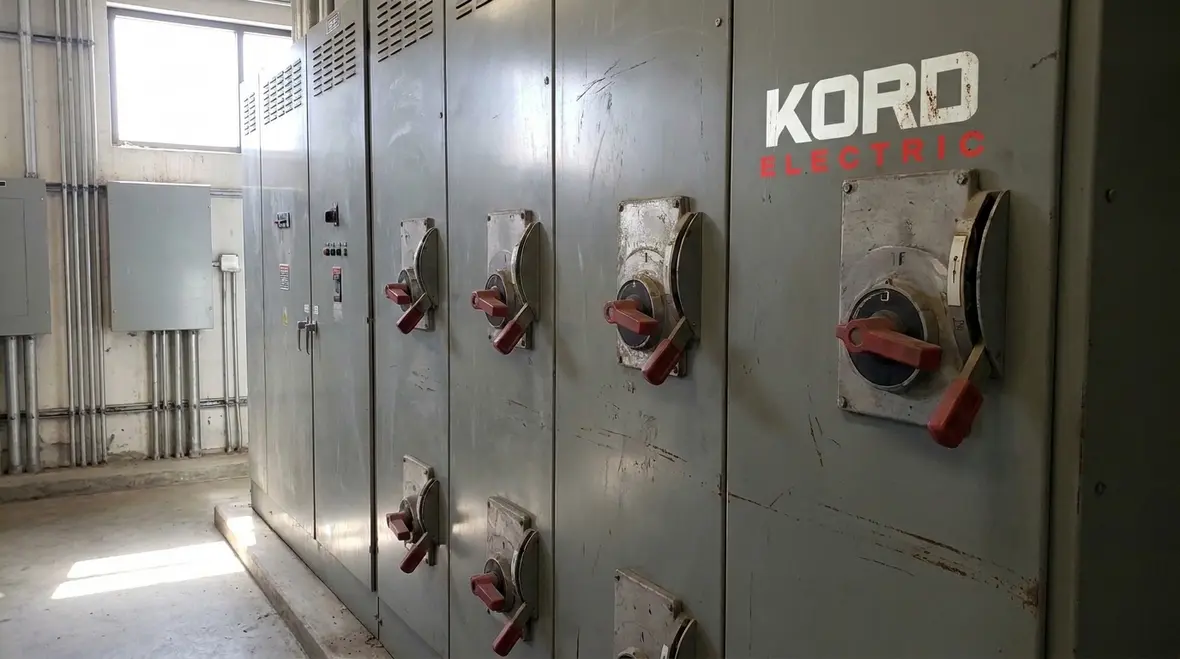
When you treat this requirement as part of early planning instead of a late-stage correction, you protect budgets, schedules, and safety at the same time. That is why our technicians and expert service staff push this conversation to the front of design meetings, not the back.
What NFPA 70 Section 267.33 sets in place
NFPA 70, also known as the NEC, uses Section 267 to cover over 600 volts and special rules that apply to these systems. Section 267.33 focuses on the maximum number of disconnects allowed for specific equipment arrangements. In plain terms, the code tries to prevent a messy chain of switches that can confuse anyone trying to isolate power during maintenance or emergencies.
So, if a building has multiple disconnecting means at or near the same equipment, the rule restricts how many can be used in the arrangement. Therefore, the goal stays practical: clear identification, safe access, and a predictable shutdown path for electricians, fire personnel, and facility staff.
In the real world, that means electrical designers and electrical contractors must coordinate device counts early. Otherwise, a later redesign can require new gear, new labels, and updated drawings. And that is where cost creeps in like a coworker who always “just needs five minutes” and somehow steals an hour.
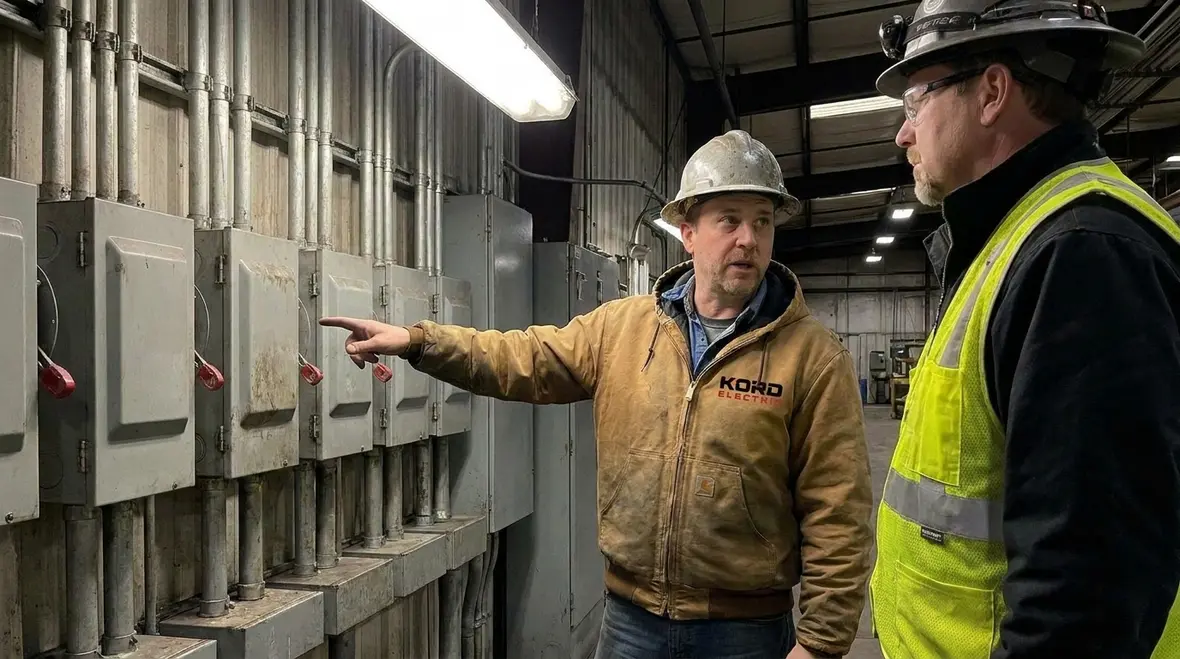
For many facilities, this rule also becomes a training anchor. Once teams understand what NFPA 70 Section 267.33 expects, they start noticing disconnect clusters that do not feel right long before an inspector points them out. That proactive mindset is the same one we encourage when we help customers work through other NEC topics, from scope questions in Section 90.2 to practical reading strategies for complex provisions.
How Section 267.33 ties into the rest of the NEC
Section 267.33 does not live alone. It works alongside other NEC requirements for overcurrent protection, equipment space, labeling, and documentation. When Kord Electric reviews a project, we connect disconnect limits with feeder diagrams, servicing space rules, and bonding and grounding expectations so the entire high-voltage arrangement tells one consistent story. That consistency is what inspection authorities look for when they walk through a site with clipboard in hand and real performance in mind.
Where disconnect limits show up in design and panel schedules
Commercial and industrial facilities rarely have only one piece of electrical equipment serving one load. Instead, there are feeders, transformers, distribution gear, motor loads, and power panels, all tied into a system that must remain reliable. As a result, disconnect locations become part of the overall coordination effort.
When NFPA 70 Section 267.33 is applied, the limit can affect things like:
How many disconnecting means appear at one equipment location
How the facility labels shutdown points so technicians can find them quickly
How control and power separation gets shown on one line diagrams
How electricians verify that shutdown steps match the actual hardware
To keep this clear, Kord Electric and our team review the equipment arrangement with the same care we use when we help customers understand the broader NEC logic for 2026 updates. Then we translate the rule into a layout that fits the facility’s operation, not just the paper plan.
How panel schedules, one lines, and field conditions stay aligned
On a healthy project, what the drawings show, what the panel schedules list, and what the equipment room contains all line up. On a stressed project, those three views drift apart. NEC maximum disconnects circuits limits force everyone back into alignment. When we review panel schedules, we do not just count breakers. We check that disconnecting means at a given location match the intent of NFPA 70 Section 267.33 and that control circuits do not accidentally get treated like power disconnects.
Because many facilities operate in tight spaces, we also compare disconnect placement with servicing space rules, emergency access routes, and coordination with fire protection systems. That combined view helps commercial and industrial buildings avoid the “it fits on paper, but not in the room” scenario that causes change orders and rework.
How our technicians explain the rule in the field
Kord Electric serves commercial and industrial facilities and major property buildings, so our technicians and expert service staff focus on outcomes that protect people and power uptime. They do not just quote code text. Instead, they explain what the limit means when someone opens a door, finds a disconnect, and must safely isolate energy.
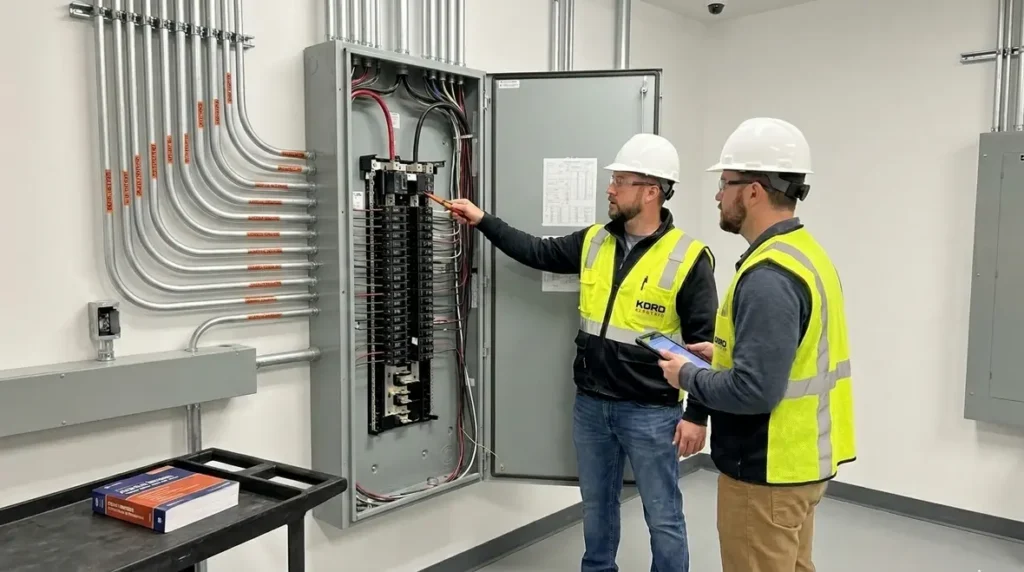
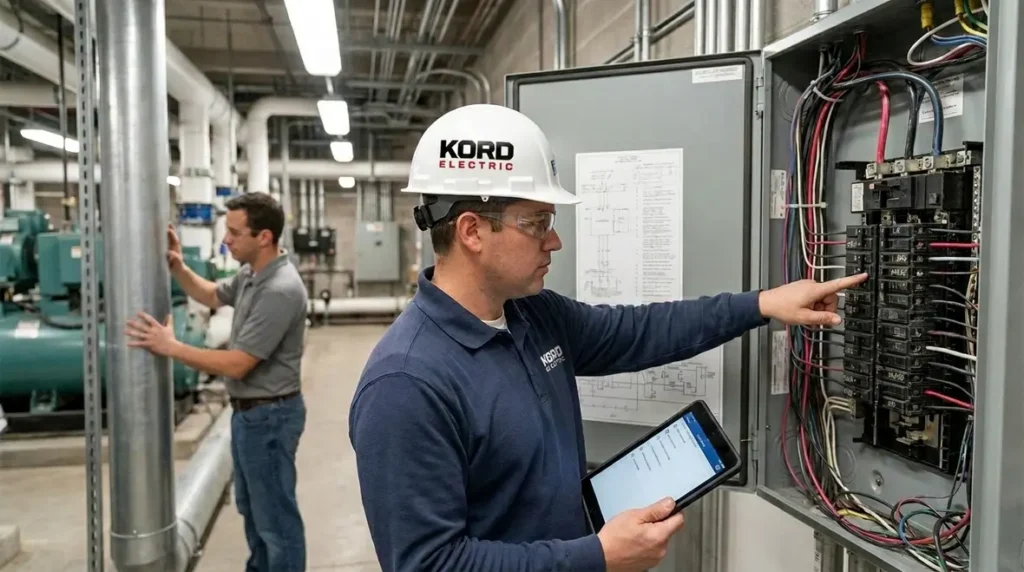
Here is how the explanation usually sounds when our team works on a project or service call. First, the technician points out the equipment location and identifies the disconnecting means involved. Next, they map those disconnects to the arrangement in the drawings. Then, they compare what is installed to what the NEC intends, so the facility gets safe, consistent shutdown behavior.
Third, they help the property team understand the “why,” not just the “what.” The “why” is simple: too many disconnects in one place makes the shutdown sequence unclear. And unclear shutdowns slow maintenance and increase the chance that someone thinks power is off when it is not. In that sense, the code acts like a good referee. It keeps everyone playing the same game.
Also, yes, we have seen building teams label disconnects with creative names. One site labeled a disconnect “Do Not Touch Unless You Like Sparks.” The disconnect was respected after that. Still, clear and code-aligned labeling beats comedy every time.
Turning code language into workable shutdown steps
Because over 600 volt systems can support large loads and critical operations, our technicians walk facility teams through real shutdown sequences. They show which disconnects must be opened first, how lockout/tagout fits into the picture, and how backup or emergency power might change the order. That way, when someone reads “NFPA 70 Section 267.33” in a report, they can picture an actual row of equipment and the hands that will operate it under pressure.
Real compliance steps: drawings, labeling, and inspection readiness
Compliance does not begin at the inspection. It begins when the design team decides what goes on the equipment and how the disconnects get shown. To meet NFPA 70 Section 267.33 expectations, Kord Electric recommends a few disciplined steps that work for complex commercial sites.
1) Verify the disconnect count early
Before equipment orders lock in, the design and electrical contractor teams should identify every disconnecting means involved in the same equipment location. Then they confirm the arrangement matches the allowed number.
2) Keep the one line and schedules aligned
If the one line diagram says one thing and the schedule says another, inspectors will not accept the difference as “close enough.” Instead, they expect the paperwork to match the physical system.
3) Use clear labeling and access paths
Once the disconnects are finalized, the facility must label them so trained staff can isolate power fast. Also, technicians need access routes that work during normal operations and during emergency response.
4) Run a pre inspection walkthrough
Kord Electric’s expert service staff can support walkthroughs that focus on disconnect locations, labeling, and documentation. As a result, the facility reduces surprise corrections and keeps the project moving.
When fire and electrical systems share spaces, the coordination becomes even more important. That is why teams often cross-check NEC expectations while also aligning the work with fire code requirements. For guidance on the NEC and related compliance themes, Kord Fire and Kord Electric share educational resources and practical perspectives, including how national standards connect to the building’s real safety plan.
Why early coordination beats last-minute fixes
When disconnect counts change late in a project, the ripple effects move fast. Suddenly, panel schedules, feeder diagrams, and device layouts do not match. Labels need to be reprinted. Operations teams have to relearn shutdown steps they just practiced. By making NEC maximum disconnects circuits reviews part of early design milestones, commercial and industrial facilities stay ahead of these headaches and keep inspection conversations focused on confirmation, not discovery.
Common mistakes that lead to schedule delays
Commercial and industrial buildings move fast, and that is fine. However, a few mistakes keep repeating. They tend to create rework, cost overruns, and awkward meetings with the person who says, “I thought it was in the notes.”
Common issues include:
Adding an extra disconnect “just for convenience” without checking the NEC limit
Mixing up control disconnects with power disconnecting means in the arrangement
Design changes during installation that alter the disconnect count
Inconsistent labeling that makes shutdown steps unclear
One line diagrams that lag behind the field build
To avoid these problems, Kord Electric builds a routine around clarity. Therefore, teams get a practical checklist that ties drawings, labels, and installed gear together. And since the facility team often operates under tight downtime windows, the method focuses on speed with accuracy, not speed with hope.
How documented processes keep projects moving
We encourage facilities to treat disconnect planning like any other controlled process. That means documenting who approves changes, how new disconnects get evaluated under Section 267.33, and how updates flow into as-built drawings and training materials. When that structure is in place, even fast-moving projects can add or adjust equipment without tripping over NEC maximum disconnects circuits limits at the worst possible time.
How NEC rules interact with safety and facility operations
Disconnect limits do not exist in a vacuum. Instead, they support safe maintenance and safe emergency response. When facilities maintain strict shutdown points, technicians can isolate energy, lock out, and verify de energized conditions. Likewise, operations teams can train staff using a consistent shutdown map.
Additionally, when electrical equipment sits near life safety systems or shared spaces, the shutdown plan must align across trades. That is where training and documentation matter. Kord Electric supports commercial and industrial facilities with installation and service efforts that keep safety steps understandable across the real workforce.
For teams that want deeper context on how national standards connect to the building’s plan, Kord Fire offers resources that explain the NEC in a wider way, including how the code fits into the 2026 update conversation. Meanwhile, broader community education sites like firepumps.org also emphasize why standard rules help the full safety ecosystem work together.
Training staff around real-world shutdown scenarios
A written procedure is only as strong as the people using it. That is why we encourage facilities to rehearse shutdowns that involve over 600 volt equipment, multiple disconnects, and coordination with fire protection or life safety systems. These exercises reveal whether NEC maximum disconnects circuits decisions made during design actually help or hinder real technicians under time pressure.
FAQ for NFPA 70 Section 267.33 and disconnect limits
Conclusion: get a disconnect compliance review from Kord Electric
Kord Electric helps commercial and industrial facilities keep NFPA 70 Section 267.33 straight, so the electrical shutdown plan stays clear, safe, and inspection ready. Our technicians and expert service staff explain the rule in practical terms, verify the disconnect count against the drawings, and support the paperwork that inspectors expect. If your project involves over 600 volt equipment, or if your team just wants peace of mind before the walkthrough, contact Kord Electric for a compliance review. We will help you avoid rework, delays, and the kind of surprise that no one schedules on purpose.
For facilities in Southern California and nearby regions, this review often fits naturally into broader project planning. Many teams pair disconnect assessments with a look at distribution upgrades, servicing space requirements, and future capacity under the same NEC framework. If you are managing work in the region and want a partner who understands both the technical and inspection sides of the equation, explore how our Los Angeles County electrical services support commercial and industrial sites from early design through final approval.