
NEC Arc Flash Breaker Features and NFPA 70 240.87
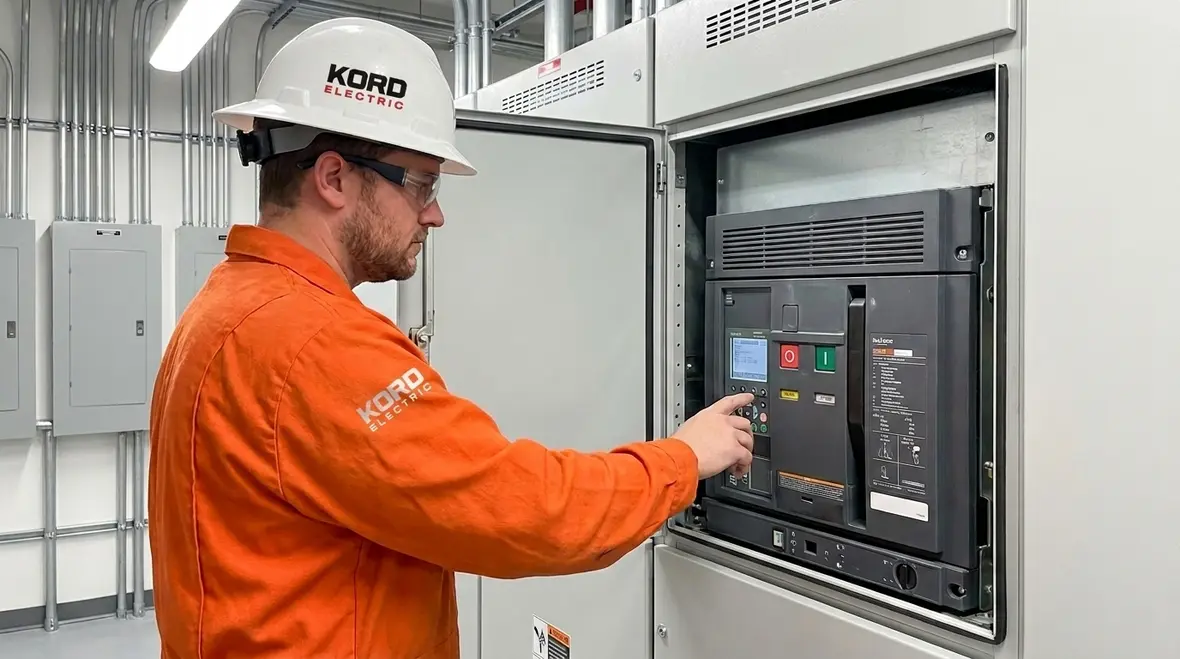
At Kord Electric, we pay attention to the details that keep people safe and downtime low. In commercial and industrial settings, we often install breakers and systems designed to limit arc energy, and that starts with the NEC arc flash breaker features built into modern equipment. Then, we walk the job step by step, with our technicians and expert service staff explaining what we see, what it means, and what to change. After all, arc flash safety should not feel like a mystery novel where everyone shouts “spoiler” at the end. Meanwhile, the electrical code still expects real proof, real labeling, and real choices.
NFPA 70 Section 240.87 and why it matters to commercial sites
Third person can say it plainly, and we agree with that approach. NFPA 70 Section 240.87 focuses on arc energy reduction in low voltage alternating current systems, and it guides how breaker designs and settings help limit the energy released during an arc fault. In commercial and industrial facilities, an event like this does not just threaten workers, it disrupts production, damages equipment, and turns a normal day into an expensive one.
Furthermore, this section matters because it ties code intent to hardware behavior. A breaker that reacts quickly and in a controlled way can reduce how much energy reaches the arc. As a result, the arc flash boundary can shrink, which then supports safer work practices and more reasonable planning for maintenance.
For teams who want a broader code backdrop while looking at arc flash topics, Kord Electric also explains how NFPA 70 shapes real projects in their guide “What Is NFPA 70? Understanding the National Electrical Code,” which connects code language to day to day design and upgrade work for commercial facilities.
Arc flash basics, explained in plain language
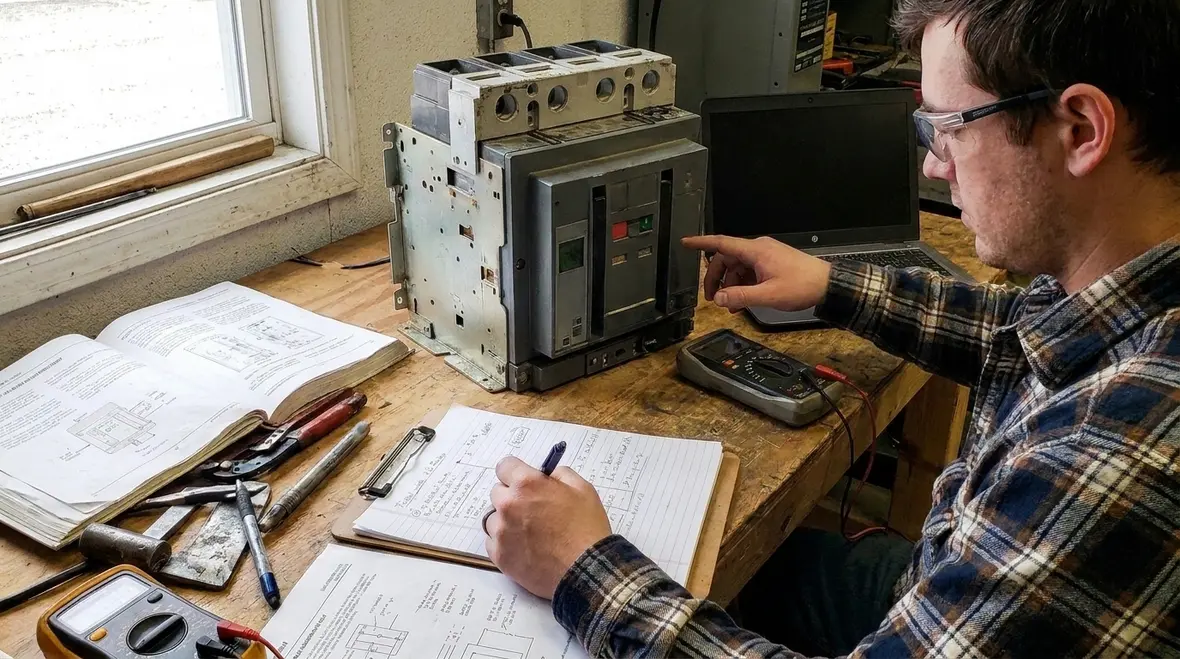
People often hear “arc flash” and imagine sparks like a movie special effect. However, real arcs can create extreme heat, pressure, and light. Additionally, they can eject molten metal and damage nearby components. That means arc flash hazards show up not only at the breaker, but also across panels, bus ways, and downstream devices.
Then there is the timing problem. A fault may last for fractions of a second, yet those fractions still matter. So, when engineers and safety professionals use labels and protection analysis, they rely on how fast and how completely protective devices respond.
At Kord Electric, our technicians explain this with the patience of someone turning down a loud radio. We do not just say “it is dangerous.” We show how protection settings, coordination, and breaker construction work together.
When facility teams want extra context on how arc flash fits into working space and access rules, they also look at topics like NEC working space and equipment clearances under NFPA 70 Section 110.26, which connects physical layout, safe approach distances, and protection behavior.
How arc energy reduction breaker features work in the real world
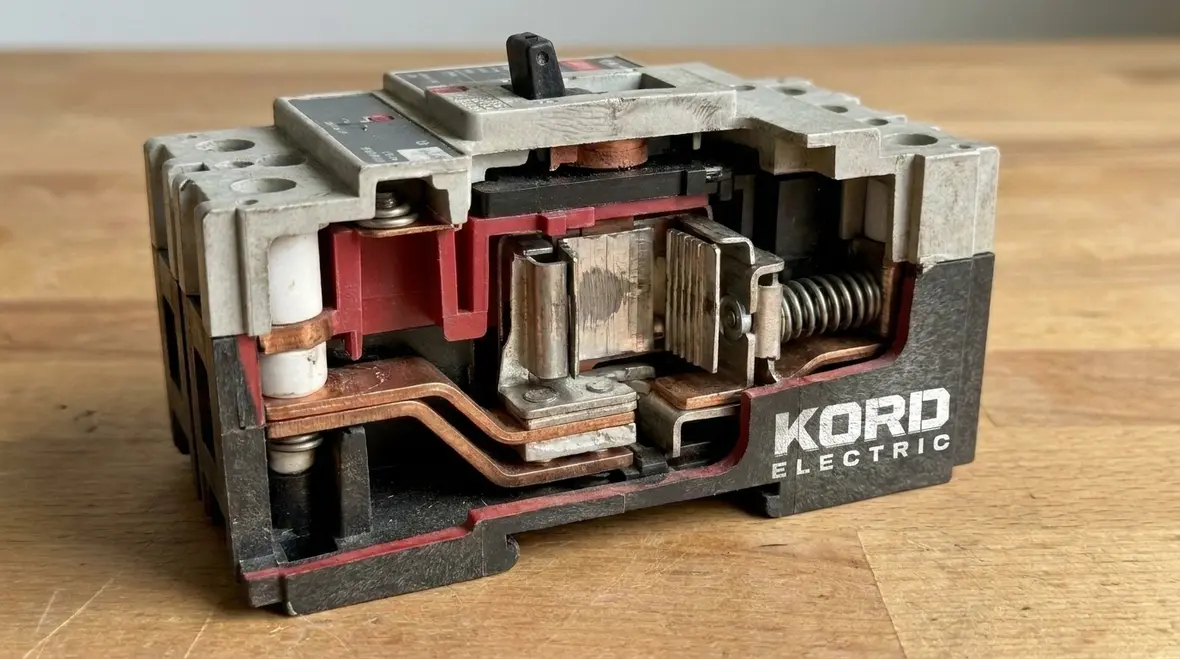
Here is where the equipment details move from theory to results. In practice, arc energy reduction often uses a mix of sensing, trip logic, and breaker internal design to limit energy. For example, protective devices may detect arc conditions faster than standard overcurrent trips, or they may use specific mechanisms that interrupt the fault with less energy transfer.
Moreover, the breaker can include an enhanced arc fault response mode. Depending on the product and design, that response can include internal current limiting, rapid interruption, and features that reduce the energy that sustains the arc. Consequently, even when a fault happens, the system aims to stop the event sooner and with less violence.
In commercial and industrial facilities, we also consider how these features interact with the rest of the protection scheme. After all, you cannot judge a breaker feature by itself. You must look at coordination upstream and downstream, fault clearing times, and the actual field settings.
And yes, sometimes the simplest lesson lands best. If a breaker does not trip, or trips later than expected, the arc energy does not care that the calendar says it is “almost lunch.” The hazard stays until protection clears it.
When clients want to trace how these choices connect to the bigger NEC story, they often pair this topic with Kord Fire’s resource on NFPA 70: All About The National Electrical Code (NEC) 2026, which walks through why the rulebook ties hardware behavior, coordination, and maintenance together for long term safety.
What NFPA 70 expects: settings, coordination, and proof
Code compliance does not stop at choosing a breaker. It continues into settings, coordination, and documentation. To follow the intent of NFPA 70, teams must match the protective device behavior to the installation and to the system design. Therefore, we help clients confirm that the breaker ratings, time current curves, and protection modes align with the electrical model.
Then coordination comes into play. A fast clearing device at one level still matters, but only if the network clears in a predictable way. If another device interrupts first, or if the trip curve overlaps poorly, the expected arc energy reduction may not appear where it is needed.
Our expert service staff also reviews labeling and field conditions. They check for installed settings, verify that the breaker responds as intended, and make sure the documentation matches what is actually in the panel. Finally, they provide clear explanations that make sense to facility managers, not just engineers.
On many projects, that proof mindset extends into related NEC topics. For example, NFPA 70 Section 110.7 on wiring integrity and workmanship standards, and NFPA 70 load determination rules in Sections 120.130 and beyond, all shape how breakers are sized, how they are installed, and how confidently a team can stand behind trip settings and arc flash labels.
Using dual column planning to match breakers and maintenance needs
When commercial and industrial teams plan upgrades, we often use a simple two column approach so decisions stay clear and trackable. This helps us avoid the classic problem of “we ordered the part, but nobody knows what changed.”
| Breaker and protection choices | Facility and maintenance outcomes |
| Arc energy reduction capable devices | Lower arc energy exposure and improved work planning |
| Correct sensing and response settings | Predictable trip times during fault events |
| System coordination with upstream and downstream devices | Reduced nuisance interruptions and safer maintenance windows |
| Documentation and labeling aligned to the final install | Better compliance readiness and smoother audits |
This kind of planning also syncs naturally with broader NEC focused resources from the Kord Electric blog. Articles on topics like NFPA 70 Section 90.4, AHJ enforcement, and electrical code upgrade consulting for renovations give facility leaders extra perspective on how decisions made in one column ripple through inspections, budgets, and long term maintenance.
How Kord Electric supports NEC arc flash breaker features from start to finish
Kord Electric works for commercial and industrial facilities, and we focus on major properties that need dependable power and safe access. That means we do not treat arc flash safety like a one time checkbox. Instead, we treat it like a living part of your electrical system.
First, our technicians review the site, the equipment lineup, and the protection design basis. Next, we help evaluate whether the NEC arc flash breaker features you rely on in planning match the equipment you installed. Then, we coordinate with your engineering team or safety professionals to align the electrical model with the field reality.
Additionally, we support upgrades and retrofits with practical steps that reduce risk during installation. We also explain what to watch after changes, because the best protection plan still depends on correct settings, stable maintenance practices, and accurate records.
And if someone says, “We already did arc flash once,” our staff politely reminds them that power systems evolve. People add loads, equipment ages, and settings drift. It is like keeping a set of rules for a superhero game and then swapping out the characters midway. The story changes, even if the rules look the same.
For facilities that want to go deeper into the NEC backdrop behind those changes, Kord Fire’s article “NFPA 70: All About The National Electrical Code (NEC) 2026” and Kord Electric’s own guide “Understanding NFPA 70, the National Electrical Code Explained for 2026” build a clear bridge between high level rules and the specific breaker, coordination, and labeling decisions happening in your switchgear rooms.
Frequently asked questions about arc energy reduction and breaker design
Why pro service matters for large commercial and industrial properties
Big buildings run on schedules. If protection fails to behave as expected, it affects operations quickly. That is why we keep our approach grounded in field verification and practical explanation. We work with stakeholders who need clarity, so they can plan maintenance with confidence and respond fast if something changes.
Also, as code resources and guidance evolve, we stay alert to the latest interpretations and safety expectations. Businesses often ask for help understanding the NEC and related materials, so we point them to trustworthy resources and we translate what they mean for real panels and real equipment.
In other words, we do not hide behind jargon. We turn the lights on, then we keep them on.
Because many of these properties sit within Los Angeles County, we also help facility teams connect arc flash planning to broader support, from preventive maintenance to emergency response. If you are comparing contractors or scoping future work, Kord Electric’s commercial guide to choosing a Los Angeles County electrician can help you frame the right questions around safety, code knowledge, and long term reliability.
And when you need a team that already understands local conditions, permitting, and NEC expectations for complex buildings, our dedicated Los Angeles County electrical services for commercial and industrial properties give you a single point of contact for inspections, repairs, upgrades, and future arc flash driven improvements.
Conclusion: let us help you reduce arc risk and plan with confidence
If you operate a commercial or industrial facility, arc flash safety should not rely on guesses, outdated labels, or “it should work.” Kord Electric helps you evaluate breaker choices, confirm NEC aligned behavior, and document the results with clear technician driven explanations. Our team supports major property buildings with practical upgrades and field verification, so your protection system works the way your analysis expects. Contact us to review your arc energy reduction strategy and breaker features, and we will map the next safe step forward.


