
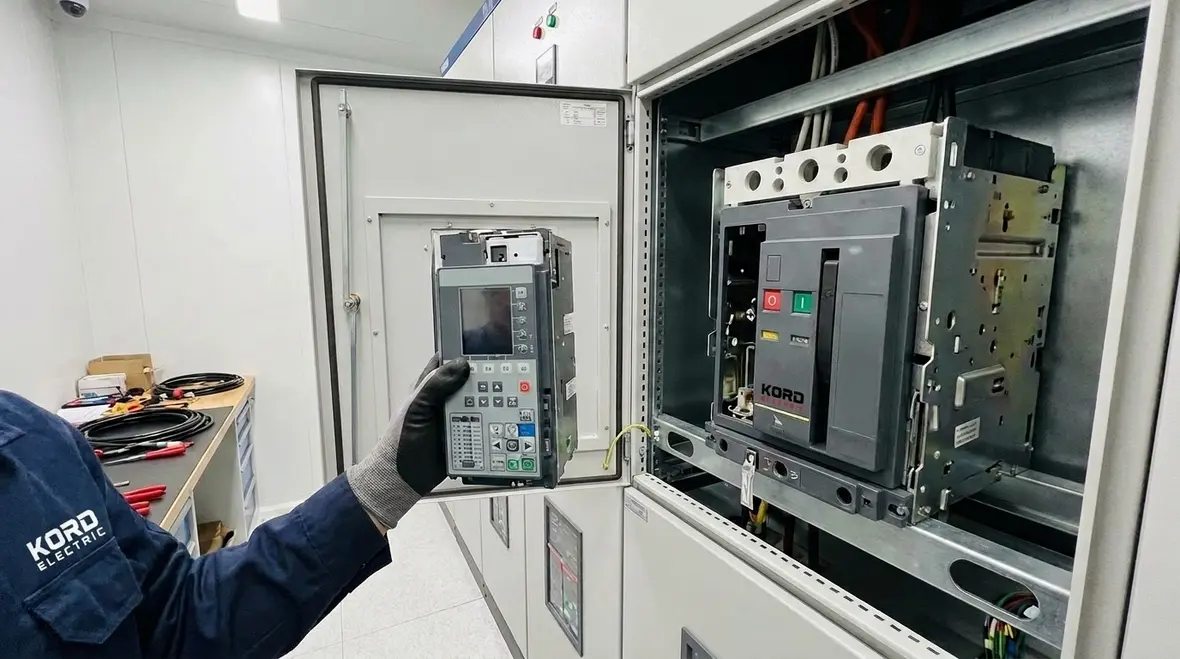
NFPA 70 240.89 NEC Replacement Trip Units by Kord Electric
At Kord Electric, we take NFPA 70 compliance seriously, especially when customers ask about NEC replacement trip units for circuit breakers. In the first moments of a call, our team explains what needs to be replaced, why it matters, and how the right parts help a system behave as it should. Then we move from “sounds good” to “here is the proof,” using field checks, manufacturer requirements, and code intent. After all, a breaker that trips wrong is like a smoke alarm that waits for applause. So, we build replacement plans that fit commercial and industrial facilities and major property buildings, not one off projects and not guesswork.
NFPA 70 240.89 basics and why replacement trip units matter
NFPA 70 section 240.89 addresses replacement trip units for circuit breakers, and it sets a clear direction: replacement parts must match the design and electrical performance intended by the original equipment. That matters because modern circuit breakers use trip units to sense conditions like overload and fault current. If a facility installs parts that do not meet the original specifications, the protection curve changes. And when protection changes, coordination changes. Then the site starts arguing with itself during normal events, and later during faults.
We explain this in plain language. Technicians from our expert service staff explain that a trip unit is not just a mechanical insert. It is part of a protection system that works with upstream and downstream devices. Therefore, we treat each replacement as an engineering decision, not a parts swap.
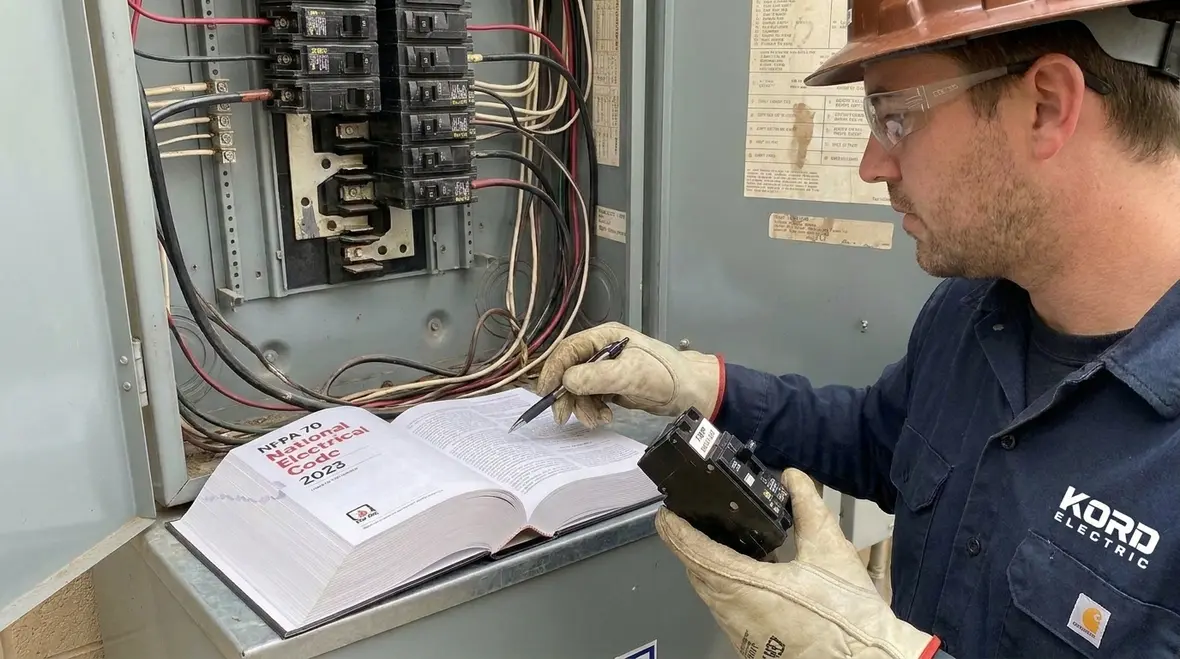
For facility teams who want more background on how the National Electrical Code shapes these decisions, Kord Electric also shares broader guidance in resources like What Is NFPA 70? Understanding the National Electrical Code and our practical guide on How to Read NFPA 70, which help connect code language to everyday work in commercial and industrial buildings.
How the trip unit affects protection settings in real buildings
In commercial and industrial facilities, power systems rarely operate in isolation. For example, a branch panel feeds motors, refrigeration loads, or distribution boards. However, the upstream breaker also has a job to do, and so does the device that sits between the two.
When a facility replaces a trip unit, the new unit must preserve the trip characteristics that the system was designed around. Otherwise, the breaker may trip too early during a normal starting event, or it may fail to trip fast enough during a fault. Either outcome creates operational problems. Then maintenance tickets multiply, downtime grows, and the building staff starts to feel like they inherited a mystery box.
Our technicians do more than pull data from a label. First, they review the breaker type and rating. Next, they verify the trip unit model, settings range, and compatibility requirements. After that, they confirm the resulting protection scheme supports the facility’s coordination plan.

In many major property buildings, these choices live inside a larger electrical design story. Articles like Kord Electric’s commercial electrical systems for modern buildings and modern electrical systems technologies & benefits show how breakers, trip units, switchgear, and building automation all connect when you cannot afford “mystery box” behavior from critical gear.
Compatibility checks we run before installing NEC replacement trip units
People often think compatibility is a simple “fits or does not fit” test. In practice, compatibility involves performance, settings, and manufacturer intent. Therefore, we apply a structured checklist before we install any trip unit replacement for commercial and industrial gear.
Our expert service staff typically confirms the following items on site or from documented equipment records:
- Breaker family and frame to ensure the replacement trip unit is allowed for that specific circuit breaker construction
- Trip unit rating and configuration so the system maintains the correct sensing method and adjustment capability
- Available settings including any long time, short time, and ground fault options, when applicable to the device
- Marking and documentation aligned with the breaker original equipment information
- Coordination impact so upstream and downstream protection still works as planned
Then, after we verify the details, we document the results. In other words, we do not just install and move on. We make it easier for facility managers to trust the system, and to show due diligence if questions ever arise.
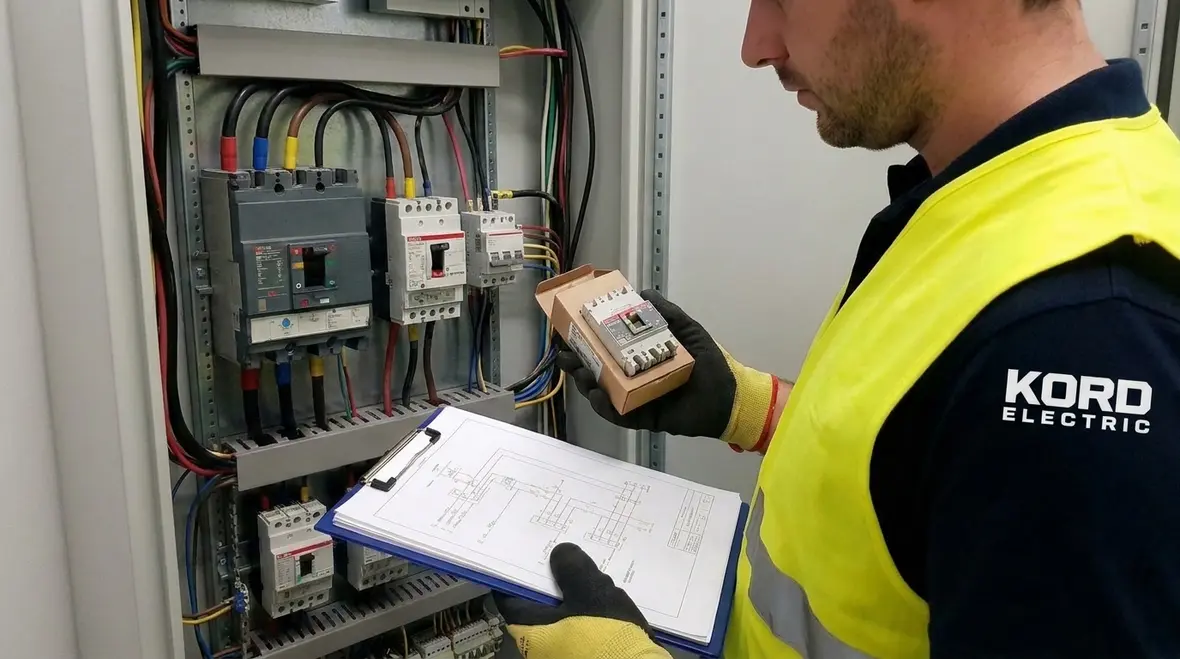
This compatibility focus also connects to our broader work with listed equipment and code alignment. When our technicians evaluate breakers and switchgear, they draw from related guidance like Kord Electric’s article on NFPA 70 Section 230.2 service listing requirements, which emphasizes installing components the way they were listed to be used, not just the way they might physically fit.
Testing, verification, and commissioning after replacement
Once a trip unit replacement is installed, we still treat the job as incomplete until verification confirms expected behavior. Electrical systems can have the personality of a sitcom character. Everything looks fine until the one scene where it matters. So we make sure the real world matches the plan.
Our process often includes:
- Setting review to confirm the trip unit’s adjustable parameters match the intended protection values
- Inspection of wiring and connections to ensure installation workmanship does not introduce loose or incorrect terminations
- Functional checks using safe methods suitable for the equipment and facility needs
- Thermal and load awareness to confirm the system behaves under normal operation conditions
We then communicate the outcomes to facility leadership. Meanwhile, our technicians explain what they found, what changed, and how the breaker should respond in overload and fault conditions. That helps building teams avoid the classic situation where a breaker trips and everyone debates whether it is “the wiring” or “the mood of the trip unit.”
For facilities that want to tie this verification mindset into a larger reliability program, Kord Electric’s resources on electrical infrastructure upgrade planning, switchgear in commercial buildings, and industrial surge protection show how testing, documentation, and long-term maintenance all fit together.
Coordination and selectivity for facilities that cannot afford downtime
Commercial and industrial facilities often rely on coordinated protection. That means when a fault happens, the correct device clears it, and the rest of the system stays online. So, selectivity is not just a theory. It is a business requirement.
When a trip unit replacement alters timing or pickup thresholds, coordination can weaken. As a result, a fault in one area can trip a larger section of the electrical distribution. Then operations halt, and recovery takes time. Recovery can also become costly when contractors and parts become the main characters.
For major property buildings, coordination also supports tenant needs and life safety strategies. Therefore, we coordinate the replacement plan with facility constraints and maintenance windows. If an equipment schedule allows limited downtime, we plan verification steps and documentation to match the site’s operating reality.
In addition, when we review the facility’s broader electrical design, we take guidance from the way NEC and NFPA approaches compliance through structured protection. For many clients, it also helps to keep code literacy close at hand. Our teams regularly reference the explanations we share through Kord Electric resources, including broader NEC context for 2026 guidance and practical compliance thinking.
Because coordination affects so many other choices, many facility teams also explore related planning resources such as building electrical system design for commercial facilities and our data-focused approach in Data-Driven Electrical Design for Commercial & Industrial.
Common mistakes we prevent during trip unit replacements
We see repeating patterns across many sites. To be clear, none of these mistakes are “mean” or “careless.” They often come from time pressure, vendor confusion, or outdated maintenance practices. However, the electrical results do not care about intentions.
Here are the issues our expert service staff commonly prevents:
- Swapping a part that physically matches but does not match performance, which shifts protection curves
- Ignoring the settings and adjustment logic, which can affect long time and short time protection
- Skipping verification, so the facility cannot confirm the system behaves correctly after installation
- Assuming the breaker label tells the whole story, even though configuration details can vary
- Replacing without coordination awareness, which risks unnecessary outages
And yes, we get it. Sometimes the building manager wants the fastest path from “broken” to “working.” We respect that. Still, we guide clients toward correct replacement that supports long term reliability. Think of it like choosing the right parts for a fire pump system. You do not guess, because the consequences show up at the worst time.
When we talk about avoiding these “almost right” decisions, we often connect trip unit work to other safety-focused topics like fire prevention in commercial electrical systems, where the goal is the same: fewer surprises, fewer avoidable events, and more control over risk.
FAQ: NEC replacement trip units in NFPA 70 240.89
What our process looks like for major building owners
When we work with a commercial or industrial facility, we start by listening to the problem: nuisance tripping, incorrect protection response, damaged trip unit components, or a planned upgrade. Then we check the installed breaker details and how the electrical system supports operations.
Next, we recommend the correct approach for NEC replacement trip units that aligns with NFPA 70 240.89 intent and the manufacturer’s design. We explain options in business casual language, not lecture language. After that, our technicians install the parts, verify settings, and document results so the facility can maintain confidence.
If you manage electrical systems in a major property building, you likely deal with tenants, schedules, and risk. Therefore, we aim to keep the process smooth and controlled, with clear steps and clear communication.
For building owners planning beyond a single trip unit, we often combine this work with broader efforts such as electrical code upgrade consulting for renovations or our electrical infrastructure upgrade planning guide, so replacements support long-term projects instead of becoming isolated fixes.
Choose Kord Electric for compliant trip unit replacements
If your facility needs breaker protection that behaves the way the design intended, Kord Electric helps you handle the replacement correctly. We focus on commercial and industrial sites and major property buildings, and our expert service staff explains each step before we act. Then we verify settings and performance so coordination stays strong and downtime stays low. Reach out to Kord Electric to review your specific circuit breaker and trip unit situation, and we will build a safe, compliant plan you can stand behind.
For organizations across Southern California, including those balancing complex operations and continuous occupancy, our dedicated Los Angeles County electrical services bring trip unit expertise together with design, maintenance, and fire prevention strategies so protection, coordination, and code compliance all move in the same direction.
If you are exploring more ways to align your electrical systems with upcoming standards, you can also review Kord Electric’s guide Understanding NFPA 70: The National Electrical Code Explained for 2026 for additional context on how NEC changes influence replacement strategies, upgrades, and everyday decisions in commercial and industrial facilities.


