

NEC OCPD Conductor Protection Explained by Kord Electric
Kord Electric explains NEC OCPD conductor protection, the calm way
In commercial and industrial facilities, we cannot treat electrical protection like an afterthought. That is why Kord Electric focuses on NEC OCPD conductor protection when we talk about NFPA 70 Section 240.91. In plain terms, this section helps us confirm that the overcurrent protective device, or OCPD, protects conductors from damage during overloads and faults. Our technicians and expert service staff explain the “why” behind the rule, because compliance should feel clear, not like a riddle someone left in a breaker panel.
And yes, we know this topic can sound as exciting as watching paint dry. However, when we prevent overheating, arcing, and nuisance trips, we also help protect people, equipment, and budgets. So let us walk through the logic that NFPA 70 uses, and how Kord Electric applies it in the field.
NFPA 70 Section 240.91 in the real world
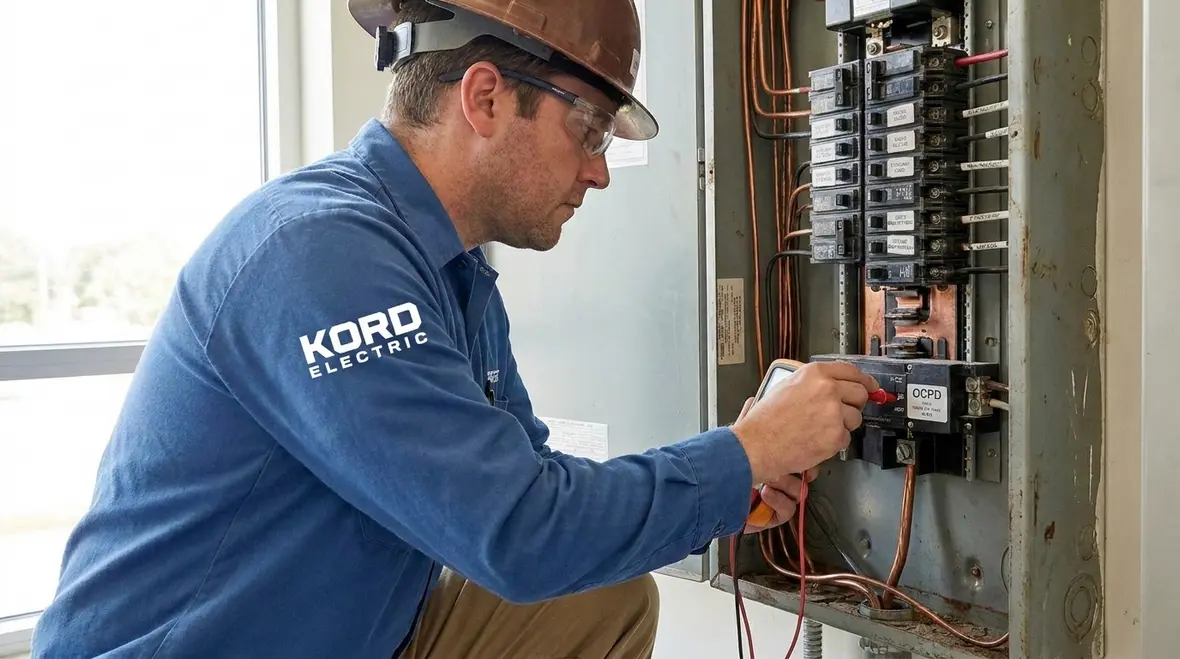
Third parties often read Section 240.91 and assume it just tells them “use a breaker.” Yet we explain something different: the section focuses on whether the device rating and conductor selection work together so conductors do not run hotter than they can safely handle.
First, we align the OCPD with the conductor ampacity and the insulation rating. Then we confirm the device can clear a fault fast enough, so fault current does not cook the wire like a slow cooker. Next, we account for conditions that change conductor behavior, including temperature, raceway fill, and installation type.
When our technicians review plans or verify existing installations in major property buildings, they look at the whole system. They do not treat the breaker as a lone hero. Instead, they treat it as part of a team that includes the conductors, terminations, and protective settings.
What OCPD protection means for conductor safety
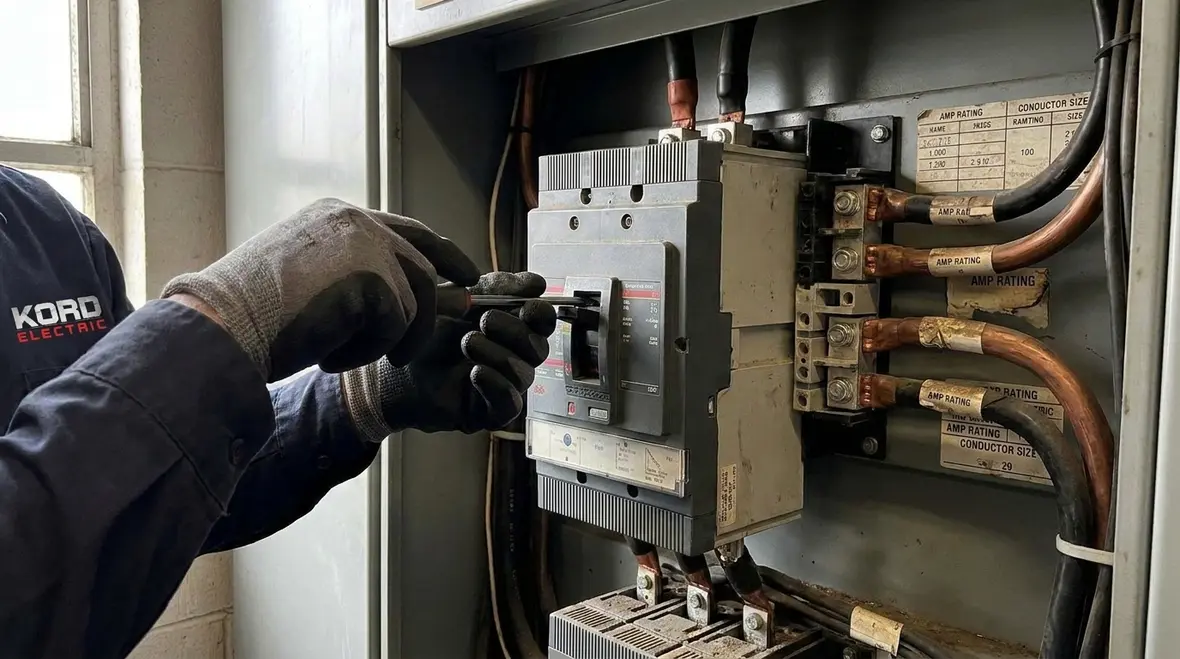
OCPD protection is not just about stopping current. It is about managing energy so it does not damage insulation, weaken connections, or create hazardous arcs. Therefore, we evaluate the relationship between the overcurrent device and the conductor under expected fault and overload scenarios.
In practice, NEC OCPD conductor protection means the OCPD must be sized and coordinated so it can interrupt dangerous current while still allowing normal loads to run. If the device is too small, it will trip during normal demand. If it is too large, it may not clear faults fast enough. That is how we end up with overheated conductors, damaged lugs, or that familiar smell that electricians recognize from a long distance.
Moreover, conductor protection also depends on the device type and its clearing characteristics. For example, certain breakers have distinct time current curves. So our expert service staff checks device curves, not just the nameplate rating. That step matters in commercial and industrial settings where loads change and systems often run near capacity.
How we size and coordinate devices with conductors
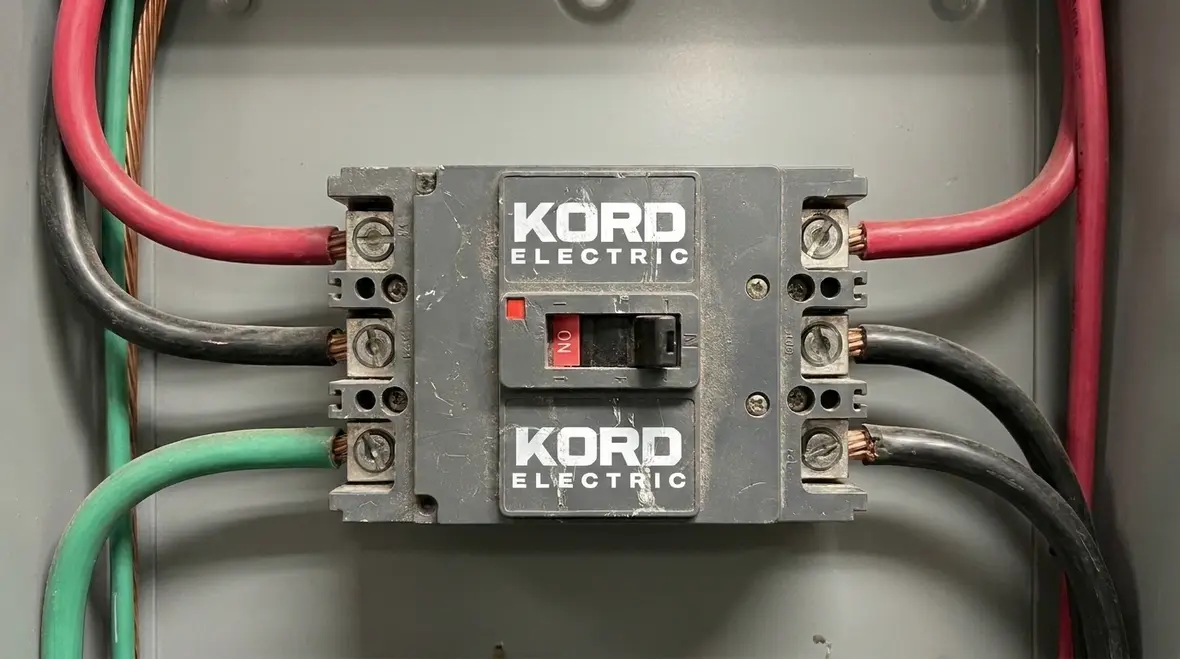
Commercial and industrial facilities usually have many feeders, branch circuits, and equipment loads. As a result, coordination becomes the difference between stable operations and frequent downtime. Our technicians handle this by using a method that stays consistent: we verify conductor ampacity, we confirm termination ratings, and we ensure the OCPD matches the electrical environment.
To coordinate properly, we consider at least four factors.
- Conductor ampacity and insulation: We confirm the conductor can handle its operating temperature under the expected load conditions.
- OCPD rating and type: We select a device that clears faults and overloads while supporting normal current.
- Installation conditions: We account for conduit fill, ambient temperature, and how raceways affect heat.
- System behavior: We review available fault current, voltage level, and the load profile of the building.
Then, we verify it all against the requirements that NFPA 70 uses to protect conductors. If any part does not align, we adjust the design. And when we work on existing systems, we may recommend upgrades that improve performance without causing unnecessary disruption. For readers who want a broader code-focused overview to pair with these details, Kord Electric also covers how the National Electrical Code operates across different building types in their guide on Understanding NFPA 70: The National Electrical Code Explained for 2026, which fits naturally alongside NEC OCPD conductor protection decisions.
Common failure points we see on major property buildings
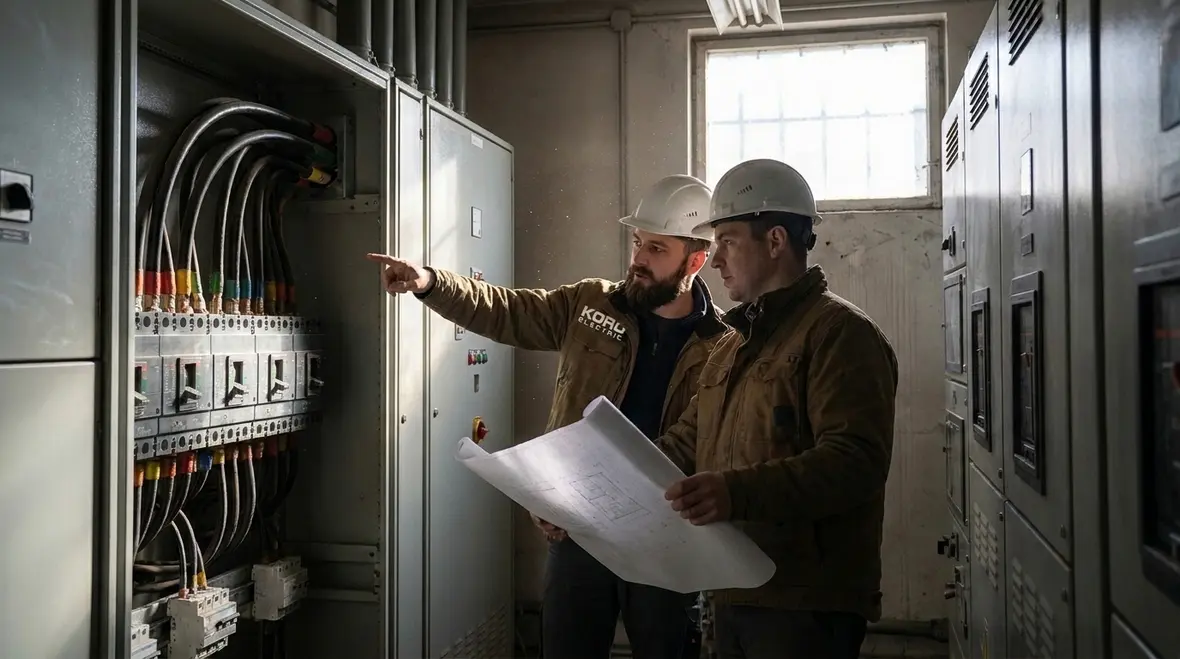
Even in well built facilities, problems can show up after years of renovations, equipment upgrades, or tenant changes. So when our team supports a major property building, we look for the usual suspects that undermine conductor safety.
First, mismatched conductor and device sizes create trouble. Sometimes someone installs a “bigger breaker” to stop nuisance trips. It sounds like a quick fix, but it often delays fault clearing and increases conductor stress. That is the electrical equivalent of putting a bandage on a leaking dam.
Second, we see poor termination quality. A conductor might be correctly sized, yet loose connections create resistance, heat, and eventual damage. Therefore, our technicians inspect lugs, torque settings, and connection integrity as part of a proper conductor protection review.
Third, we notice overlooked installation conditions. If ambient temperature is higher than expected, or if the raceway has more conductors than allowed, ampacity drops. In that case, the original OCPD setup may no longer protect the conductor. So we verify conditions, not assumptions.
Finally, we check coordination across panels and switchgear. One device might protect a section, but another upstream device could allow too much energy to pass through before it clears. In other words, protection needs to work in sequence. It cannot be random. Random is fun in board games, not in electrical systems.
How Kord Electric applies NFPA 70 guidance for compliance
Kord Electric supports commercial and industrial facilities and major property buildings. We do that because these sites need dependable electrical protection, clear documentation, and practical solutions that keep operations moving. When we interpret NFPA 70, we do it with a field mindset.
Our process usually starts with understanding the system layout and confirming the equipment ratings. Then we review conductor types, routing, and termination details. After that, we verify the OCPD selection and coordination approach, including time current behavior and fault clearing needs. Finally, we document the findings in a way that facility managers can use during audits and planning.
Our team also helps others understand the rules in plain language. We know many stakeholders want answers, not a lecture. So our technicians and expert service staff explain each decision step by step, and they point out where risks typically hide. If someone wants a simple summary, we give it. If they want depth, we give it too. Either way, we keep the focus on conductor safety and reliable power delivery. For facilities planning broader upgrades, this work often aligns with structured efforts like electrical infrastructure upgrade planning and fire prevention strategies across commercial electrical systems, both of which Kord Electric covers in depth in related guides.
Because conductor protection never lives in isolation, we also connect NEC OCPD conductor protection decisions with system-level strategies such as data-driven electrical design, modern electrical systems for commercial buildings, and load testing for safety. Together, those practices keep protection devices, conductors, and real-world operating conditions synchronized instead of guessing where the risks might be hiding.
FAQ: NEC OCPD conductor protection and NFPA 70 Section 240.91
Closing thoughts from Kord Electric
At Kord Electric, we treat NEC OCPD conductor protection as a practical safety system, not a paperwork task. When our technicians review NFPA 70 Section 240.91 in context, we help ensure breakers and conductors work together so faults clear properly and conductors do not overheat. If your facility plans upgrades, faces repeated trips, or needs a compliance-focused electrical review, call us. We will schedule an assessment and explain the findings in business friendly terms, with zero mystery and minimal drama.
For organizations in Southern California that want this work connected across the entire site, Kord Electric’s Los Angeles County electrical services bring NEC expertise, field-tested troubleshooting, and long-term planning under one roof. That way, NEC OCPD conductor protection becomes part of a coordinated strategy that also supports load testing, fire prevention, electrical infrastructure upgrades, and data-driven design decisions.
Whether you are sorting out a single recurring trip or planning a multi-phase renovation, our approach keeps the focus on conductor safety, system coordination, and code-aligned decisions that hold up during real inspections, not just in theory.


