
NEC SPD Article 242.1 Scope for Commercial Surge Protection
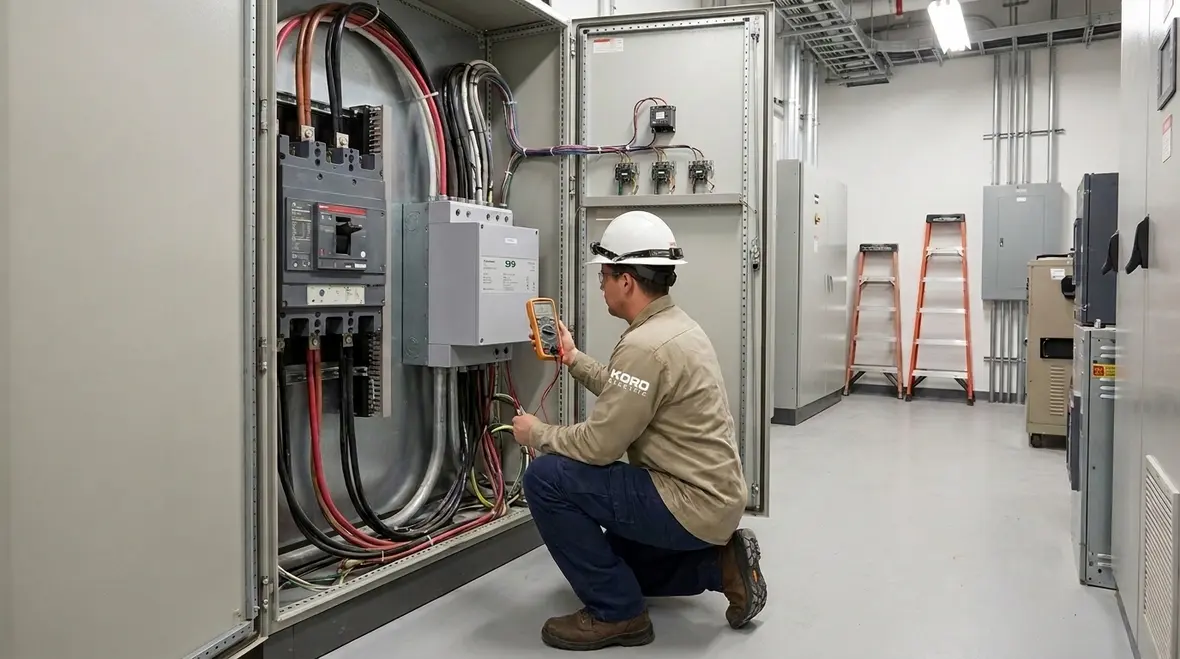
Kord Electric understands that the NFPA 70 Section 242.1 starts the conversation with a clear Scope of Article 242, focused on surge protective devices and what they must cover in the electrical system. In the sections that follow, our expert service staff and technicians explain how that scope turns into real-world protection choices for commercial and industrial facilities, and for major property buildings where downtime costs money and reputations cost even more. After all, lightning does not care about your budget, and surges rarely ask permission. So we slow things down, we speak plain, and we guide owners and facility managers toward SPD decisions that fit the electrical code rather than guessing like it is a game show.
Why the NEC SPD Article 242 scope matters for commercial buildings
When electrical staff and facility teams plan protection, they usually start with equipment lists and load estimates. However, the NEC SPD Article 242 scope shifts the focus to a different question: how do you limit damage from abnormal voltage events across the service, feeders, and connected systems.
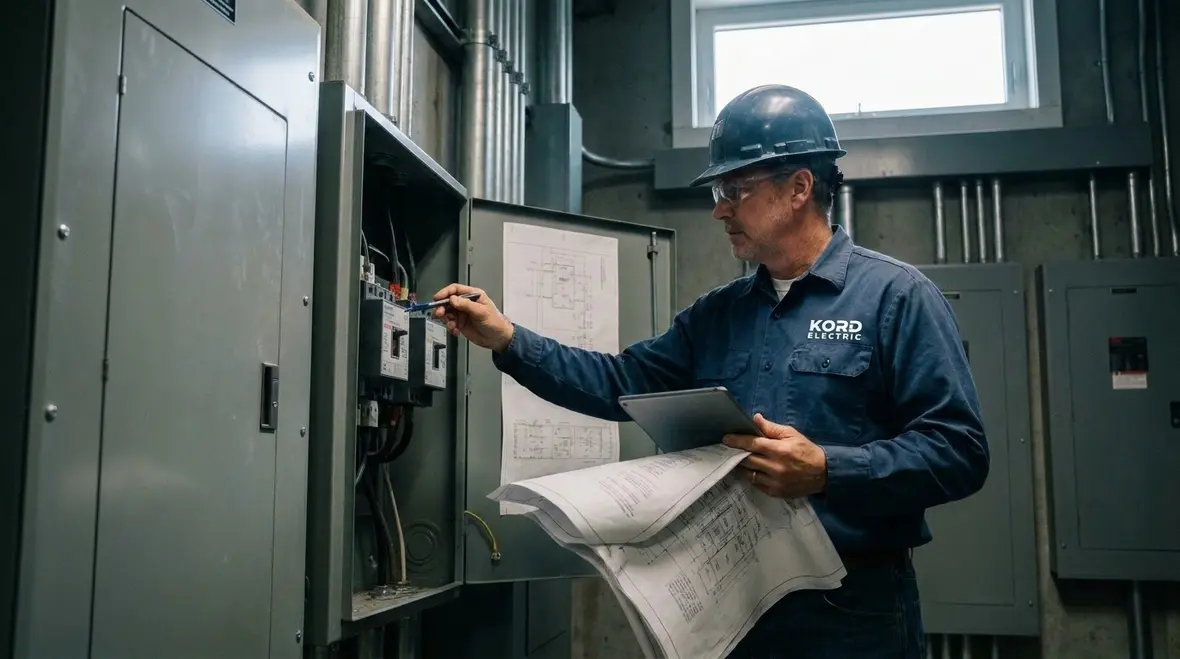
In practice, that scope helps others make consistent design and installation decisions. First, it frames what surge protective devices must do. Then it supports how inspectors and engineers expect the devices to be applied. Finally, it ties the devices to the wiring and equipment they protect, which matters in commercial and industrial facilities where loads vary, critical processes run continuously, and storms can stack up like backlogged tickets.
Our technicians have seen what happens when protection gets treated like an accessory. Sooner or later, a control circuit fails, a communication system glitches, or a sensitive power supply takes the hit. Meanwhile, the “it was probably fine last year” logic stops working the moment surge energy shows up again. That is why we respect the scope, and we build protection around it, not around hopes.
What surge events actually do to electrical systems
Surge protective devices do not create calm weather, but they do reduce the harm that surges cause. To understand why NEC coverage exists, we look at what those events do. A surge often comes from lightning activity, utility switching, or disturbances inside the facility. Then, voltage can spike far above normal levels for a short time.
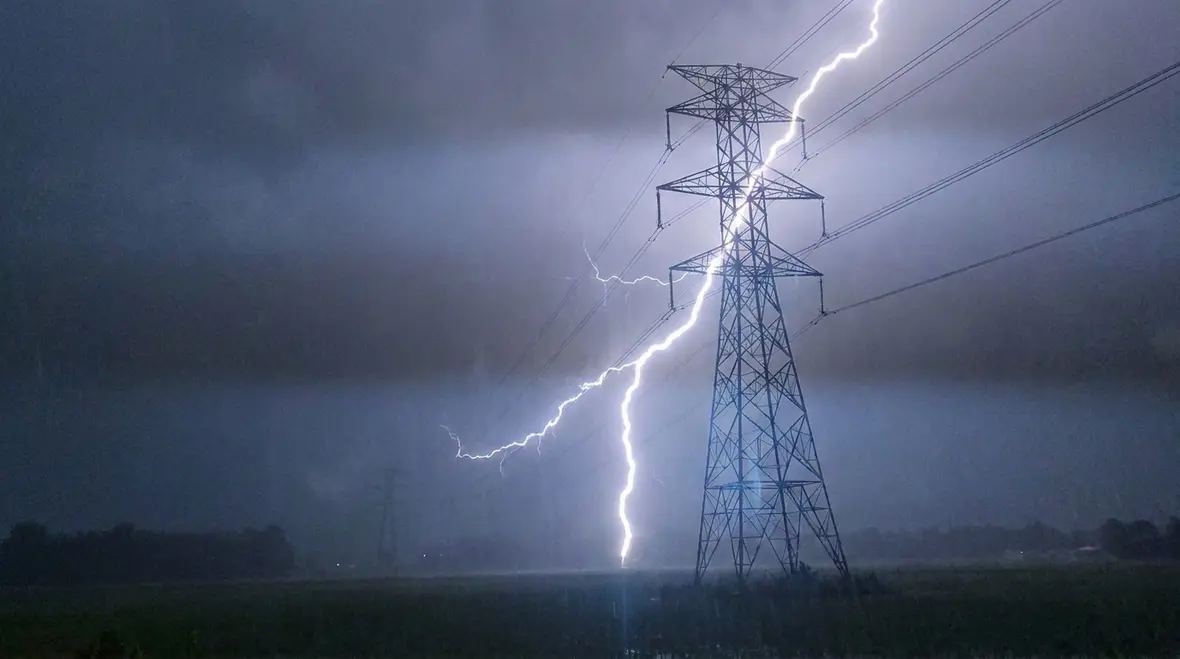
Now comes the part that surprises people who think in “steady state” terms. Even short spikes can stress insulation, damage components, and degrade devices over time. As a result, equipment may not fail instantly. Instead, it may weaken, drift out of tolerance, or fail weeks later. That delay feels random to operators, but it usually lines up with the timing of an abnormal event.
Also, surges travel through conductors and can couple into circuits. So, even if only one area takes the hit, other systems may experience secondary effects through shared grounding paths and common equipment. Therefore, the protection strategy must consider how the surge moves, where it enters, and which circuits carry sensitive loads.
How Section 242.1 shapes SPD selection and placement
Once the scope is clear, the next step involves application. The NEC SPD Article 242 scope supports selecting and installing surge protective devices in a way that matches the system’s risk and architecture. In other words, we do not install random devices and call it a day. We evaluate how the service distributes power, where critical loads connect, and how protective paths guide surge energy.
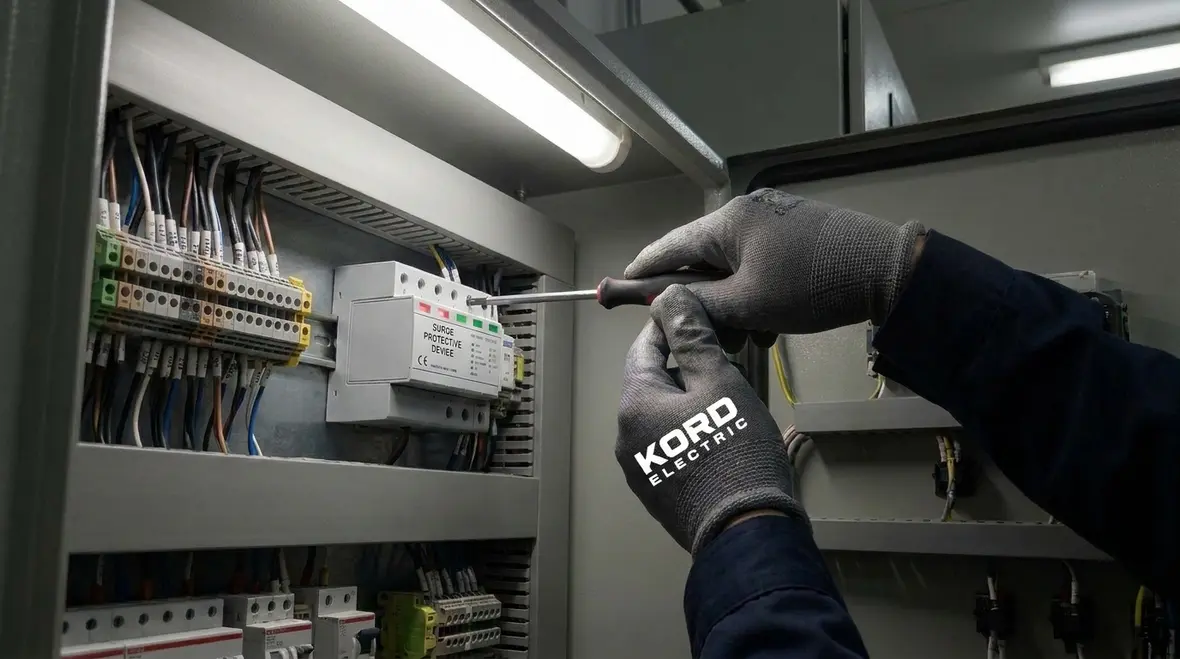
From there, our team considers key selection factors, including device ratings and electrical configuration. Then we align placement so devices protect the right downstream equipment. For many commercial and industrial facilities, this means a coordinated approach rather than a single point of protection. So, we may apply protection at the service level and then add supplemental protection closer to sensitive equipment.
Our expert service staff explains this in plain language during site visits. They show stakeholders where surges tend to enter, where circuits branch, and how the grounding system supports the overall plan. And yes, we sometimes joke that a grounding path should not feel like a maze. In real projects, though, we treat grounding details as serious business because they directly affect how well the SPD can do its job.
Coordination across the building: service, feeders, and sensitive loads
In major property buildings, electrical systems rarely stay simple. Multiple panels, varying load types, and long conductor runs all influence surge behavior. Therefore, SPD coordination becomes a practical requirement, not an optional upgrade.
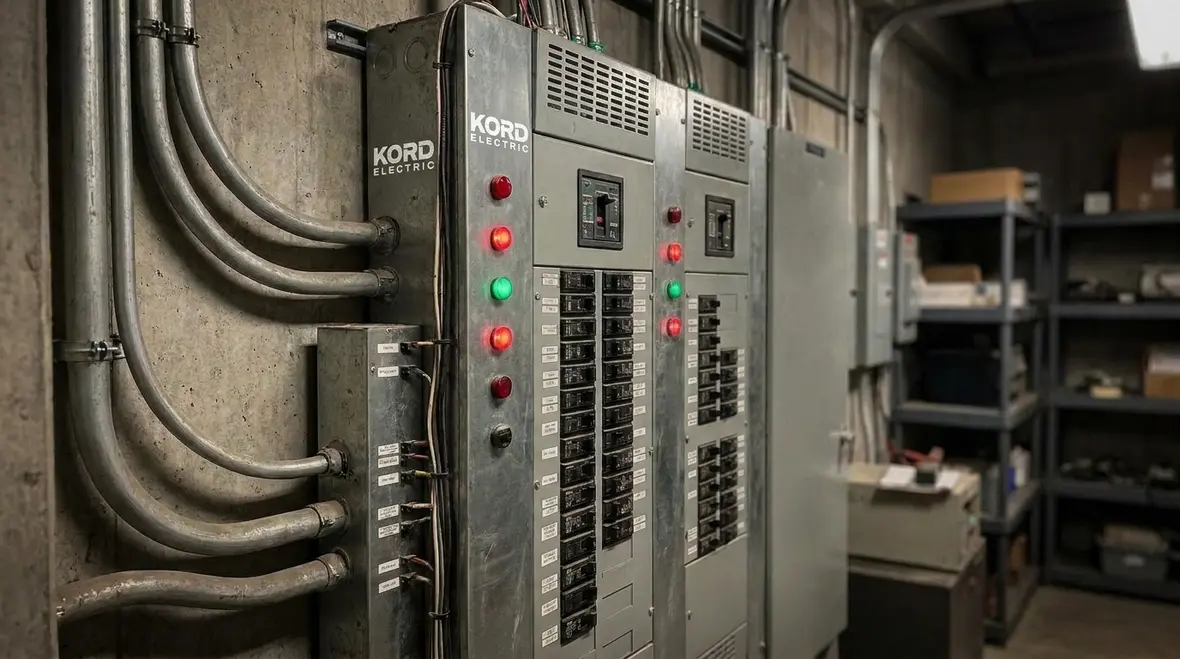
When systems coordinate, upstream and downstream devices work together. As a result, less energy reaches sensitive electronics. Meanwhile, each device operates within its intended operating limits. In contrast, if devices conflict or lack compatibility, the downstream protection may see higher stress than it should, which can reduce performance over time.
Our technicians typically help teams map circuits that deserve special attention, such as process controls, building automation, life safety-adjacent systems where applicable, data networks, and other critical equipment. Then they design the SPD approach to match those circuits. We also plan for realistic maintenance and inspection expectations, because a surge protective device is not a “set it and forget it forever” product.
Transitioning from planning to execution is where many projects succeed or stumble. So we verify terminations, check installation practices, and document what was done. That way, future facility staff can understand the intent without guessing during troubleshooting.
Installation details that determine whether protection works
Even when the correct surge protective devices get specified, installation quality drives real performance. For that reason, we focus on details that often look small but carry big consequences. Proper connections reduce impedance and help the SPD conduct surge energy as intended. Clean terminations also improve long-term reliability because loose connections create heat and intermittent faults.
Also, routing and physical layout matter. Surges move fast, and long or poorly routed conductors can reduce effectiveness. Therefore, our field teams follow installation practices that support shorter, more direct paths between the device and the electrical system components it must protect.
Then there is the grounding and bonding topic. Facility teams sometimes treat grounding as a checkbox. However, our expert service staff explains that surge performance depends on how the facility establishes reference paths for fault and surge current. If the grounding system does not support the design intent, the SPD cannot deliver the protection benefits that stakeholders expect.
To keep things efficient, Kord Electric also aligns documentation with the installed scope so that commercial owners can maintain compliance and confidence. And if a facility has existing conditions, we assess compatibility before we add protection that could conflict with what is already in place.
Common SPD mistakes we see in commercial and industrial sites
Field experience helps us spot patterns. First, some projects select devices based only on voltage class or brand familiarity. Then teams skip coordination, assuming one device covers everything. Finally, others install protection but neglect inspection intervals and status checks, which is like putting on sunscreen and never reapplying it after you swim.
Another common mistake involves treating sensitive circuits as an afterthought. When the SPD plan ignores how circuits feed into panels and how equipment connects, it leaves gaps. As a result, some electronics still see higher transient stress than they should.
We also see confusion when facility staff mix standards and expectations. Our team helps owners and electrical contractors interpret NEC requirements as part of the full building electrical plan, not as an isolated document. Additionally, they consider how surge protective devices integrate with the wider electrical system architecture.
At Kord Electric, we keep the conversation practical and tailored to major property buildings. We ask what systems must stay online, what the cost of downtime looks like, and what the actual risks are for the facility. Then we deliver a protection plan that fits commercial and industrial needs, not generic assumptions.
How NEC SPD Article 242 fits into your broader NEC strategy
Surge protection does not live in a vacuum. The NEC SPD Article 242 scope lines up with other NEC sections that shape how commercial and industrial buildings manage risk, clearance, and long-term reliability. When our team walks a facility, we do not just talk about surge protective devices in isolation. We connect them to branch circuits, vault work spaces, guarding rules, and the broader NFPA 70 framework that keeps power safe and predictable.
If you are still getting comfortable with the National Electrical Code as a whole, pairing this NEC SPD Article 242 scope discussion with Kord Electric’s resource “Understanding NFPA 70: The National Electrical Code Explained for 2026” can help you see how surge protection fits into the bigger rulebook. From there, articles on topics such as how to read NFPA 70 and scope-focused guides for Sections 110.1, 110.73, and 210.1 give facility teams even more context for long-term planning.
FAQ
Next steps: get a surge protection plan that fits your site
If your commercial or industrial facility needs protection that aligns with NEC expectations, Kord Electric can help you plan, specify, and install surge protective devices with confidence. Our technicians and expert service staff explain the reasoning behind each design choice, then we document the work so your team can maintain the system over time. Reach out to us to review your building electrical setup, identify sensitive loads, and build a practical protection approach. Let us help you reduce surge risk before the next storm arrives and reality hits like a pop quiz.
If your facility is in Southern California and you are planning upgrades, renovations, or a new commercial build, Kord Electric’s Los Angeles County electrical services team can bundle surge protection work with broader NEC-driven design, installation, and troubleshooting support. That way, your SPD plan stays aligned with branch circuit design, vault work spaces, guarding requirements, and the rest of your electrical infrastructure from the first drawing to the final inspection.
For additional code context, Kord Electric and Kord Fire also publish helpful NEC related guidance and educational resources. You can explore more NFPA 70 coverage, including “Understanding NFPA 70: The National Electrical Code Explained for 2026,” practical guides on how to read the code, and scope-focused articles that complement this NEC SPD Article 242 scope discussion.


