

NFPA 70 Section 230.2 NEC Service Listing Requirements for Real-World Commercial Projects
NFPA 70 Section 230.2 NEC service listing requirements might look simple on paper, but in real buildings they decide whether a project glides through inspection or stalls out while everyone argues over labels, nameplates, and “what the manufacturer really meant.” For commercial and industrial facilities, this is not a theory exercise. It is one of the quiet rules that keeps service equipment behaving as intended, instead of becoming a science experiment in a mechanical room.
In this guide, we walk through how Section 230.2 shapes service equipment selection, installation, and documentation in major property buildings. We connect the code language to what actually shows up in switchgear lineups, service disconnects, and metering cabinets. Then we show how our technicians at Kord Electric keep the NEC service listing requirements aligned with inspections, uptime needs, and the reality of working in occupied facilities across Los Angeles County.
If you are responsible for keeping a commercial or industrial facility compliant and operational, think of this as the field guide that explains why “listed for the purpose” is not just a phrase in NFPA 70—it is the backbone of a service that passes, performs, and stays safe under real loads.
NFPA 70 Section 230.2 sets the tone for safe service compliance
In our work with commercial and industrial facilities, we take NFPA 70 Section 230.2 seriously from day one. In the first part of this guide, we explain how the NEC service listing requirements support compliance so the electrical service equipment matches the conditions of use. Later, our expert service staff walks through what this means in real installations, so the paperwork and the hardware agree with each other.
Now, to be clear, we do not build trouble into systems on purpose. If you have ever seen a “works on my machine” repair, you already understand why listing matters. Here at Kord Electric, we make sure the service is built to spec, not to hope.
Service listing requirements are not paperwork theater
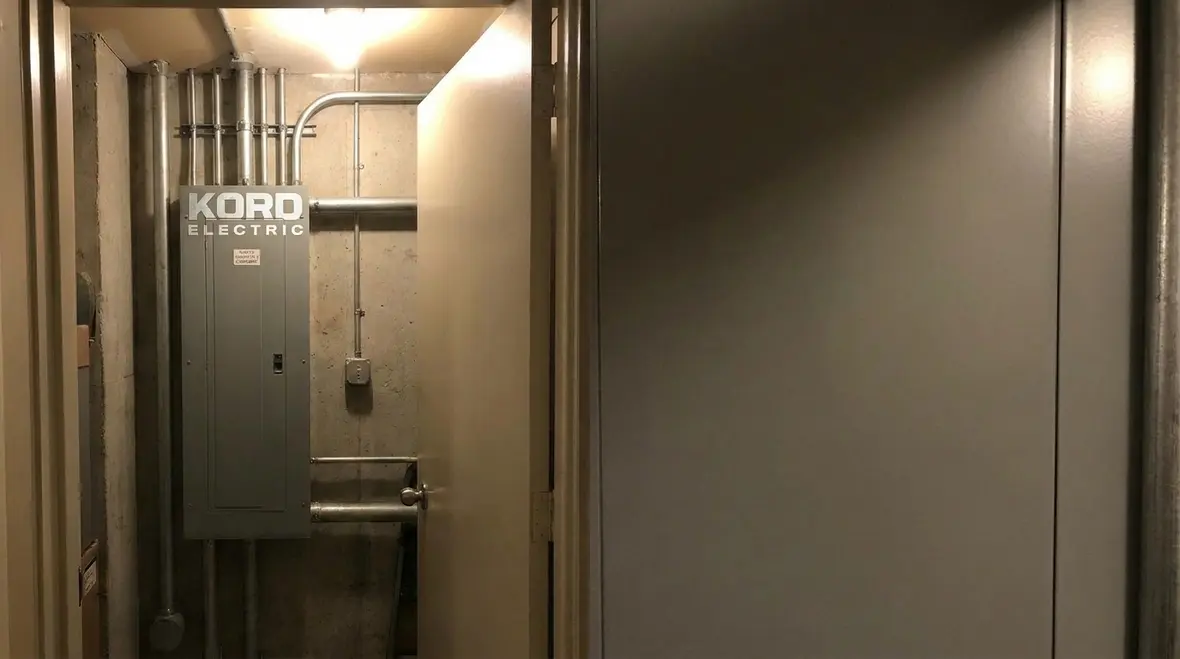
When people hear “listing requirements,” some assume it is just a checkbox someone forgot to tick. However, the NEC service listing requirements exist for a reason: they support safe operation, proper identification, and dependable inspection outcomes. In practice, Section 230.2 expects that certain service equipment is listed for its intended use, and that it remains in compliance as installed.
To keep this practical for major property buildings, we focus on the big picture. First, we verify what the service equipment is meant to do. Then, we confirm it is suitable for the environment, load profile, and installation method at the site. Finally, we document the approach so inspectors and facility managers can follow the logic without guesswork.
Our technicians explain this calmly because it helps teams make better decisions. They will point to the listing identification, describe the expected configuration, and confirm that the final installation matches the listing. If someone tries to “value engineer” the parts into something else, our staff quietly stops that conversation before it turns into a costly reroute.
This is also where Section 230.2 connects to the broader NEC framework, not just a single line item. When service equipment is selected and installed according to its listing, it supports coordination with branch circuits, grounding and bonding, and overcurrent protection. The service becomes the front door of a system that behaves as a single, coherent design instead of a pile of parts.
How 230.2 impacts commercial service equipment selection
Commercial and industrial facilities do not behave like small residential projects. Loads fluctuate, maintenance windows matter, and uptime is a business metric. Because of that, we treat service listing requirements as part of the design foundation rather than an afterthought.
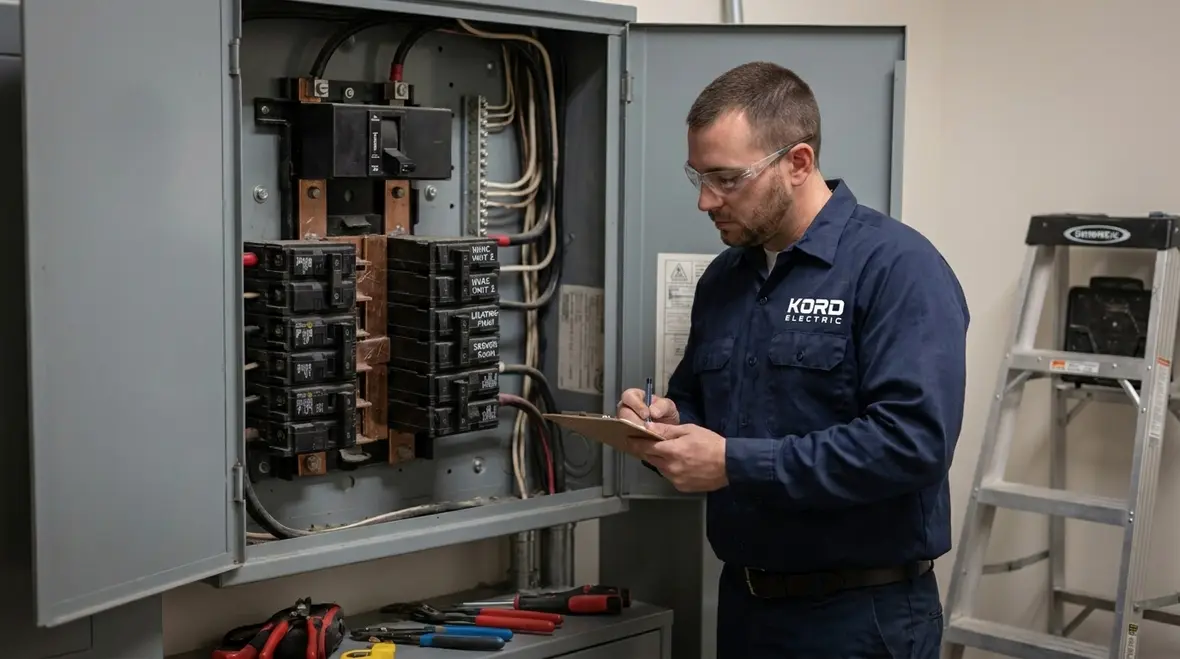
Under Section 230.2, the service equipment needs to be acceptable for the specific use. This means the equipment selection should align with factors like service type, voltage rating, interrupting capacity, and intended installation conditions. Additionally, we consider how the equipment will integrate with feeders, grounding, and protective devices.
At this stage, our expert service staff helps decision makers avoid a common mistake. They do not just ask, “Can it be installed?” They ask, “Can it be installed the way it is listed to be installed?” That difference sounds small, but it drives whether a system will pass inspection and perform reliably.
We also bring code context into the conversation, not just catalog pages. For example, NFPA 70’s broader guidance on service disconnect locations, number of services, and overcurrent protection all interacts with the way equipment is listed. Cross-referencing Section 230.2 with resources like the Kord Electric blog on understanding NFPA 70 for 2026 helps facilities see how a single decision at the service can ripple through the entire distribution system.
For major property buildings—especially those with sensitive loads, emergency power, or high demand charges—we also consider how service equipment selection interacts with load balancing and power quality. A well-chosen, properly listed service section creates a stable foundation for strategies like electrical load balancing for commercial power reliability and future upgrades.
What our technicians check during compliance reviews
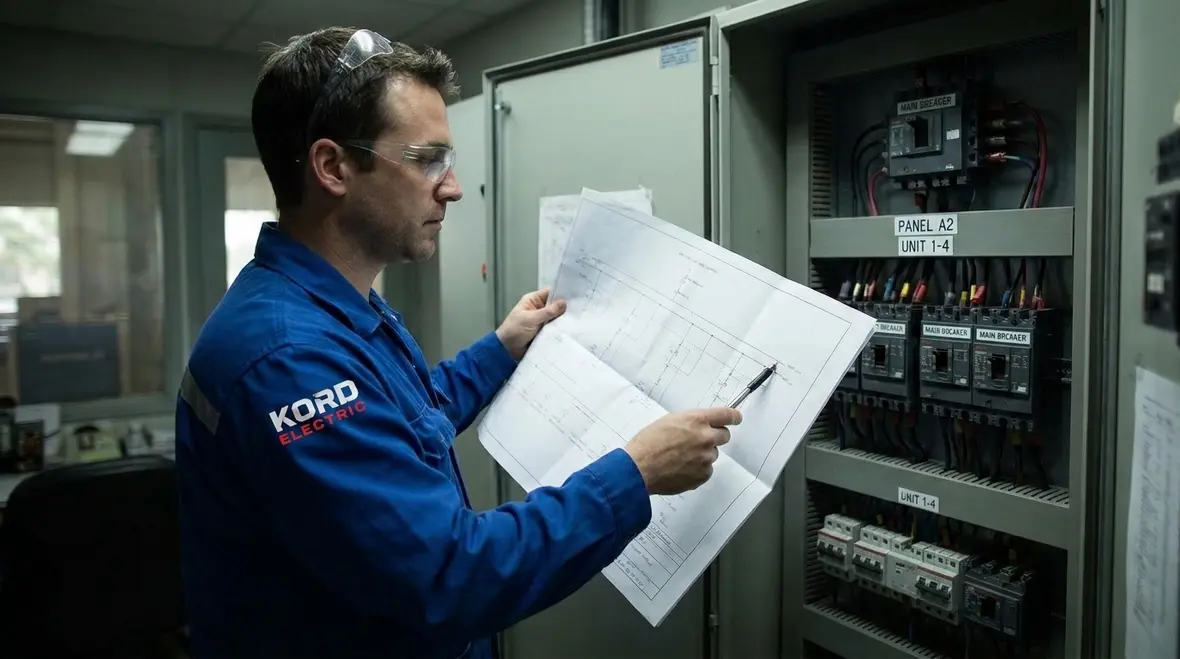
Once a project enters our compliance review workflow, we do more than skim diagrams. Our technicians approach it like a safety story told in the right order. First, they review the service equipment submittals and confirm listing details. Then, they check the installation plan against the listed method of use.
After that, we evaluate the field readiness of key elements. For example, we confirm proper clearances, correct component matching, and suitable conductor routing. Even when things look correct at first glance, we verify the final configuration because the NEC expects specific alignment between design, installation, and listing.
We also watch for the “almost right” problems that cause delays. That might include mismatched enclosures, incorrect labeling, or missing parts that the listing depends on. And yes, sometimes someone installs the cover like it is a decorative lid. It is not. Covers, markings, and interfaces matter because the listing assumes a complete assembly.
In major property buildings and data-driven facilities, we often pair this review with other reliability work. For example, during a NEC service listing requirements review, we may also confirm that emergency power tie-ins and redundancy schemes match the strategies outlined in our resources on emergency power for business continuity and data center power redundancy for maximum uptime. That way, the service listing supports the same uptime goals the rest of the project depends on.

Common failure points and how we help teams avoid them
In facilities work, the setbacks rarely come from one massive mistake. Instead, they come from small deviations that stack up. For example, a team might select service equipment based on availability, then later try to modify components to fit the schedule. However, modifications can undermine the listing basis and lead to compliance failures.
Another failure point involves unclear labeling or missing documentation during inspection. Inspectors need evidence that the service equipment matches the listed identification and is installed as intended. So, we help by keeping project records organized and by preparing the information inspectors request most often.
Transitioning from planning to field execution also creates risks. Therefore, our technicians coordinate with project stakeholders so the installation sequence respects the listing and inspection needs. This includes confirming the proper interfaces between service gear, grounding systems, and downstream distribution. When we do this early, we prevent the classic scenario where everyone debates blame while the clock ticks and the facility manager sends that polite but urgent email.
We also see failures when teams treat NEC service listing requirements as disconnected from other code topics. In reality, the same discipline that protects service equipment compliance also protects things like surge protection, load balancing, and maintenance paths. For example, in buildings where surge risk and sensitive loads are a concern, coordinating service selection with practices from our guide on preventing commercial power surge damage keeps the whole system more resilient.
Working with major property buildings in the real world
Large buildings add layers of complexity: multiple tenants, phased occupancy, and shared infrastructure. As a result, we aim for a compliance path that supports ongoing operations. We help property teams plan service work around tenant needs and maintenance constraints without sacrificing the safety requirements that Section 230.2 demands.
Additionally, we align the service equipment approach with the broader NEC framework for commercial and industrial use. While this article focuses on the Section 230.2 service listing requirements, we still connect it to the bigger project context, such as how the service supports proper distribution and protective coordination.
If you want a calm, expert hand on the wheel, that is what we provide. We explain the why behind the what, and our staff stays available to answer questions so teams can move forward with confidence.
For owners and facility managers in Southern California, this often means building a long-term relationship with a commercial electrician who understands both the code and the local inspection culture. If you are still evaluating partners, our Los Angeles County electrician commercial guide walks through what to look for when you need NEC-focused service work that holds up over time.
NEC guidance, listing clarity, and fire safety coordination
Electrical service compliance does not live in isolation. Major buildings often coordinate electrical work with fire safety planning and ongoing inspections. Therefore, we treat the NEC service listing requirements as part of a broader safety system, not just an electrical code checklist.
When teams coordinate across disciplines, they reduce rework. For example, if the building fire protection strategy depends on reliable power delivery, then service equipment selection and installation quality matter even more. In turn, listing clarity helps everyone understand the expected performance and compatibility.
To support this kind of coordination, we stay in step with established code references and ongoing updates that affect how facilities plan and maintain electrical systems. We also ensure that our explanations match what inspectors and other stakeholders need to see.
In practice, that means connecting the dots among NEC service listing requirements, emergency power plans, and safety-critical loads. When we design or review systems that support fire alarms, smoke control, or egress lighting, we reference the same disciplined approach we use in our articles on data center power quality for reliable uptime and commercial automated lighting systems. The goal stays the same: power that behaves predictably when conditions are anything but predictable.
FAQ
Ready for confident NEC service listing compliance on your next project
If your commercial or industrial facility needs electrical service work that holds up under inspection, we can help. Kord Electric brings expert technicians and a calm, methodical compliance process that keeps design, equipment listing, and installation aligned. Contact us for a service listing requirements review, planning support, or field verification for major property buildings. We will explain the details, answer your questions, and help you avoid the kind of delay that ruins a schedule and your coffee. Let us handle the hard part.
For facilities in Los Angeles County and across Southern California, our Los Angeles County electrical services team handles everything from NEC-focused service upgrades to data center reliability projects and emergency power planning. Whether you are planning a new service, reworking existing gear, or chasing recurring inspection comments, we align NEC service listing requirements with your uptime, safety, and business goals.


