
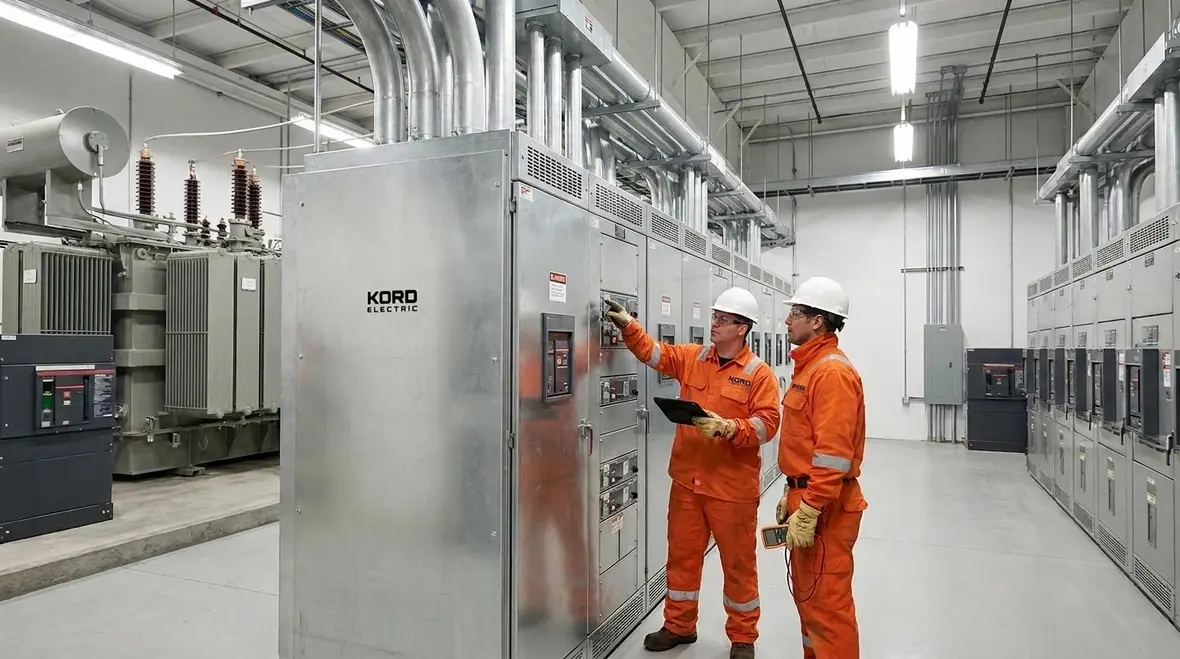
NEC Article 268 Over 2 kV for Services
NFPA 70 Section 268.1 sets the stage for services over 2 kV by defining the scope for Article 268 and the rules that apply when systems run above 2,000 volts. At Kord Electric, we focus on commercial and industrial facilities and major property buildings, because those sites live and breathe real electrical loads, real risk, and real uptime needs. That is why we read the code with a steady hand and a practical eye. Also, because electrical rules do not care how busy your day is. In the real world, the “why” behind Article 268 matters as much as the “what,” and our technicians explain both clearly, step by step.
What NEC Article 268 over 2 kV actually covers
When a facility has electrical services that exceed 2 kV, NEC Article 268 governs how those services get installed, connected, and protected. In other words, it addresses the part of the system that brings power from the source into the facility. After that, the facility distribution rules can take over. However, Article 268 sets the foundation for how the higher voltage portion must be handled for safety and reliability.
In practice, we see these setups in industrial plants, large commercial buildings, hospitals, campuses, and multi tenant complexes. These sites often need robust switching, clear protection schemes, and dependable grounding and bonding practices. Meanwhile, the utility interface and on site equipment must work together without guessing. So, we help owners and facilities teams verify that their design and field work match what the code expects under NEC Article 268 over 2 kV.
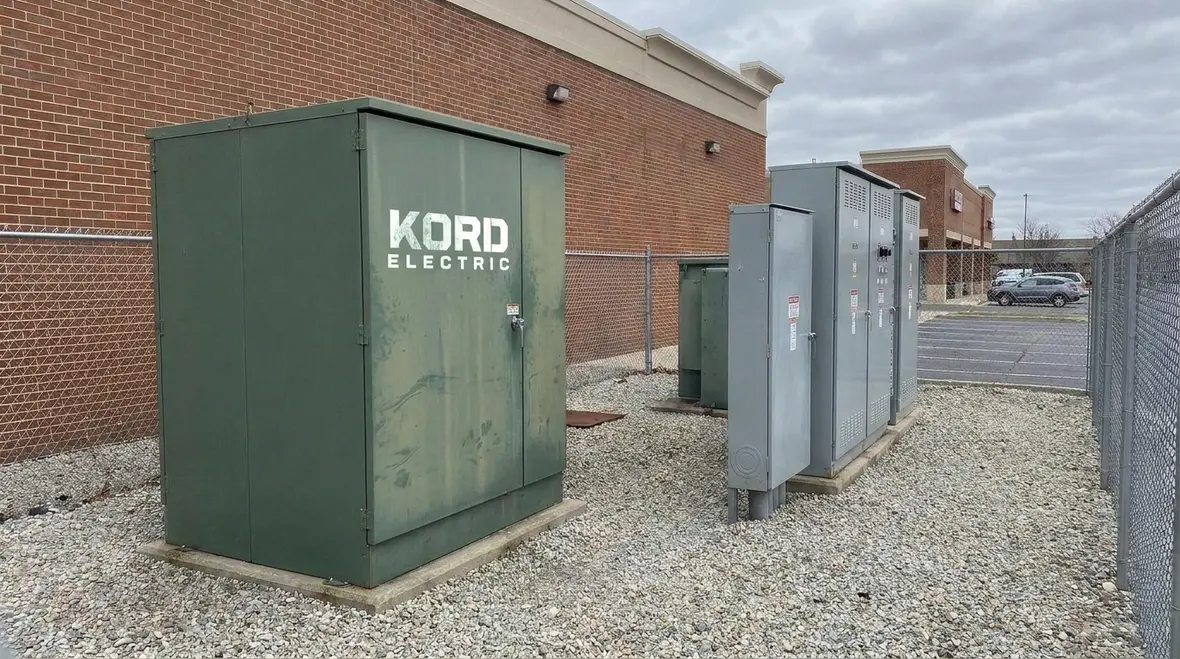
Why the scope matters to commercial and industrial sites
Code scope is not just paperwork. It shapes what gets built, how it gets tested, and what gets inspected. Therefore, when Article 268 applies, it signals that the electrical system has higher voltage hazards, bigger fault currents, and stricter requirements for separation, labeling, and protection. These factors directly affect operator safety, emergency response, and continuity of service.
Also, real facilities do not run on theory. They run on schedules, staffing, and critical operations. If the Article 268 side of the system gets treated like a “close enough” job, the results show up later, often during peak loading or maintenance when surprises have the most impact. And, yes, that is when everyone suddenly becomes an amateur electrician. We do not want that. We want stable systems and clear documentation.
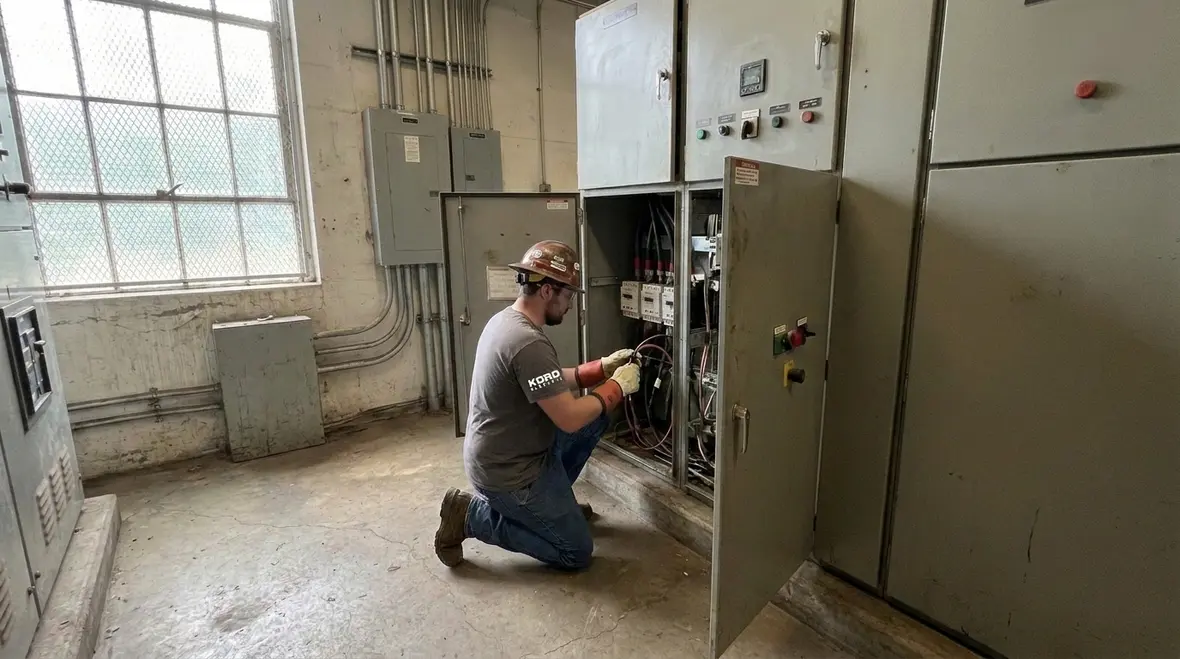
How we approach installation and service design
Our expert service staff does not just quote sections and move on. We guide our clients through a practical checklist that aligns field decisions with code requirements. First, we review the service voltage level, service configuration, and the point where the service conductors enter or connect to the building system. Then we confirm how protective devices and switching equipment fit the operating plan.
Next, we look at the equipment that handles higher voltage portions, including enclosures, terminations, and the pathways for conductors. After that, we examine grounding and bonding methods and how they support fault clearing. Finally, we verify that labeling and working clearances support safe operation and troubleshooting.
To keep things calm and clear, our team talks through the “cause and effect.” For example, a protection scheme does not only protect equipment, it also helps the facility maintain power during faults. Meanwhile, proper separation and installation details reduce the chance of unintended faults and improve safety for anyone who works near the system.
Safety in the real world: clearances, terminations, and protection
Higher voltage brings bigger consequences. As a result, the code approach aims to control risk before anything fails. At Kord Electric, we pay close attention to how terminations are made and how equipment is prepared for service. Poor terminations can lead to heat, nuisance alarms, and degraded performance. More importantly, they can become a safety issue.
We also focus on the physical layout. Clearances and enclosure integrity help protect workers and first responders. Additionally, properly selected protective devices improve how the system responds when something goes wrong. When we review designs, we consider fault paths and coordination, so protection works as intended and does not create a new problem while solving the old one.
And since pop culture loves dramatic failures, think of it like this: the system should not “explode the season finale.” It should act early, isolate the fault, and keep the rest of the facility operating. That is the goal behind good protection, careful installation, and solid commissioning practices.
Coordination with utility interfaces and site operations
Services over 2 kV do not exist in isolation. The utility interface, metering, switching, and the building’s main distribution system must line up. Therefore, we help clients coordinate design documents, field requirements, and commissioning steps so handoffs do not become trouble spots.
Our technicians also plan with the operations team. We schedule work to protect critical loads and reduce downtime windows. Then we document each step so facilities staff can understand what changed, why it changed, and what to monitor. This matters because industrial and major property buildings often have trained maintenance teams, and they deserve clear, honest information, not a mystery box of electrical work.
In addition, we support ongoing compliance efforts. When your electrical system changes, even slightly, it can shift how protective devices behave or how equipment meets inspection needs. We treat these projects as a process, not a single day of labor.
Commissioning, testing, and documentation that holds up
Testing turns the design into verified reality. So, we plan commissioning around what the system must do under normal and fault conditions, and we confirm that it meets expected performance. We also test safety related items that impact how workers interact with the equipment.
Then we package results in a way that makes sense for commercial and industrial stakeholders. That includes what was tested, what readings were found, and what actions were taken to correct any issues. Our goal is simple: if someone needs to troubleshoot later, they can do it without guesswork.
Because let’s face it, most people do not want to play electrical detective at midnight. They want the logs, the labels, and the evidence that the system remains safe and dependable. Our documentation style aims for clarity first, speed second, and perfection third, even though we know perfection always shows up late in the party.
Common mistakes we help facilities avoid
Over the years, we have seen repeated patterns that create risk on high voltage service projects. First, teams sometimes under estimate how critical proper coordination is between service equipment and the rest of the distribution system. Next, they may focus on getting power on without verifying that protective devices and grounding deliver the intended outcomes.
Another frequent issue is inconsistent labeling and documentation. When labels do not match what is installed, operations teams waste time and may work around the wrong equipment. Similarly, incomplete records make future upgrades harder and increase inspection stress.
Finally, some projects treat higher voltage work like it follows the same habits as lower voltage. It does not. With NEC Article 268 over 2 kV requirements, the details matter, the tolerances matter, and the safety intent matters. Our expert service staff keeps the team aligned so the work stays correct from design through closeout.
Trusted expertise from Kord Electric and partners
Kord Electric serves commercial and industrial facilities, major property buildings, and projects where safety and reliability cannot be delayed. Our approach blends practical field experience with careful code understanding, so teams can move forward with fewer surprises.
For clients who want to learn more about the NEC and how it connects to safe electrical practice, we also reference guidance from our broader resources such as Kord Fire and Kord Fire Australia, and we stay aligned with the broader safety community. For a deeper dive into code context, facility teams often review resources like the Kord Fire article NFPA 70: All About the National Electrical Code (NEC) 2026 alongside Kord Electric’s own guide Understanding NFPA 70, the National Electrical Code Explained for 2026 to connect high level code direction with real world project decisions.
Because electrical safety and life safety planning work best when they share a common mindset, our teams also stay aware of specialized education across the fire and pump community. That broader perspective helps us align NEC Article 268 over 2 kV work with overall facility resilience, rather than treating it like a standalone project that never touches other systems.
How NEC Article 268 over 2 kV connects to other NEC guidance
Article 268 does not live on an island. It ties into broader NEC expectations around wiring integrity, grounding, and how documentation supports safe operation. When our technicians plan services over 2 kV, they consider related guidance from sections that focus on workmanship, wiring on buildings, grounding for nonelectrical equipment, and feeder diagram requirements. This cross reference approach helps keep the “over 2 kV” side aligned with everything downstream, from branch circuits to life safety loads.
In practical terms, that means service design under NEC Article 268 over 2 kV gets checked against how feeders are documented, how multiwire branch circuits behave, and how AHJ expectations drive inspection requirements. When you connect those dots, you get a service that is not only technically correct but also easier to defend in front of inspectors, risk managers, and internal stakeholders.
Real world benefits of getting high voltage services right
Facilities that invest in careful Article 268 planning usually see the benefits in three places: uptime, safety culture, and long term flexibility. First, precise coordination between the utility interface, service equipment, and distribution reduces the number of surprise trips and unexplained outages. Second, a well documented high voltage service makes it easier to train staff, run drills, and keep everyone calm when a fault or maintenance event does occur.
Third, when an organization wants to expand production lines, add specialized equipment, or reconfigure tenants, a well built service over 2 kV becomes a strong foundation rather than a constraint. Instead of wondering whether the existing service can safely handle new loads, facilities can plan changes knowing the original installation already respected NEC Article 268 over 2 kV and related requirements.
Where services over 2 kV show up in modern facilities
We often see Article 268 services in facilities that serve as regional anchors for their industries. That includes industrial campuses that run heavy process loads, large hospitals that combine clinical care with research and data infrastructure, mixed use properties with central plants, and university style environments where multiple buildings share common utility interfaces.
In these spaces, the service over 2 kV becomes part of a bigger story that includes emergency power, fire and life safety systems, and business continuity planning. A calm, code conscious design gives owners and operators more confidence to invest in the future, because they are not waiting for a borderline service to become a bottleneck or a headline.
Partnering with Kord Electric for NEC Article 268 over 2 kV projects
When you bring Kord Electric into a high voltage conversation, you get a team that understands both the code language and the on site reality. We help clarify scope, define responsibilities between utility providers and building stakeholders, and map how the NEC Article 268 over 2 kV service will interact with downstream systems.
From early concept through final commissioning, our technicians and expert service staff keep the explanations grounded in business terms: what this service supports, how risk is controlled, and which documentation you will need when inspections or audits arrive. That same mindset guides the broader electrical services we deliver across the region, including full scale support for commercial and industrial systems through our Los Angeles County electrical services team.
FAQ
Bottom line: get Article 268 right before power runs the show
If your facility has services that exceed 2 kV, we recommend you involve experienced electricians early, not after drawings are locked. At Kord Electric, we help commercial and industrial teams verify scope, coordinate the service interface, and build a system that meets code intent and real world performance needs. Our technicians explain the “why” in plain business language, and our process prioritizes safety, documentation, and dependable operation. Call Kord Electric today to review your project and plan a smooth, compliant path forward.
When you are ready to move from concept to action, our team can align NEC Article 268 over 2 kV planning with broader electrical upgrades, code consulting, and maintenance strategies so your service stays ready for inspections, expansions, and everyday operation—not just day one energization.


