
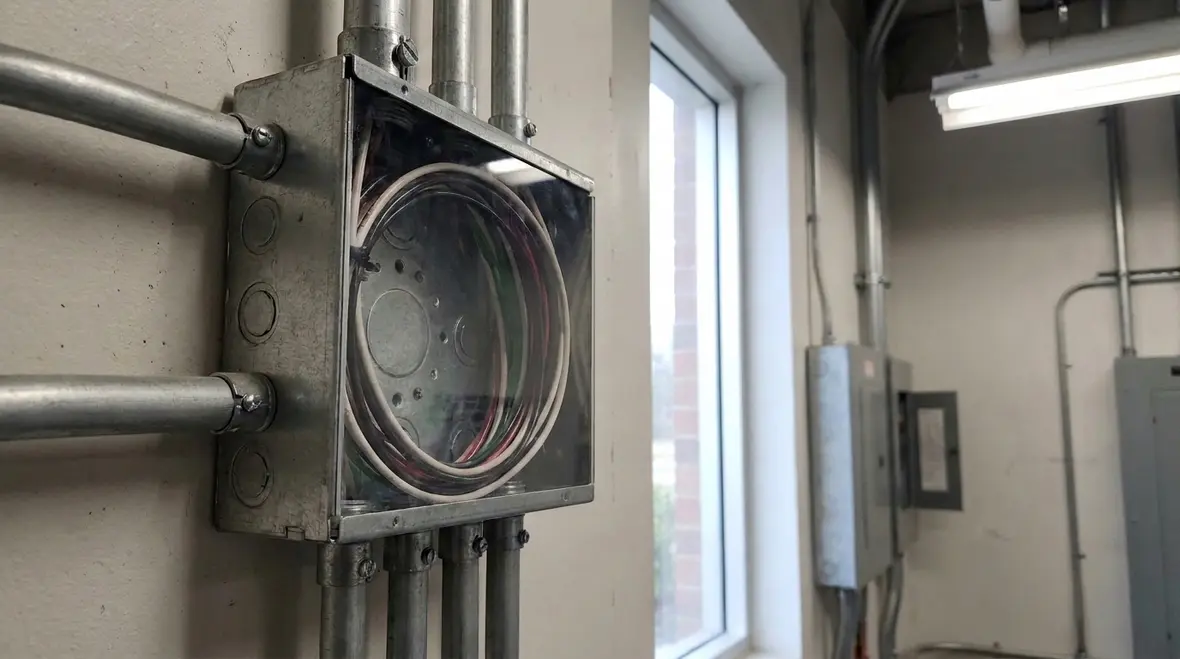
NEC Box Marking Requirements Under 314.104 You Can Use
NEC box marking requirements you can actually use
In the first place, NEC Section 314.104 sets clear box marking requirements so electricians and inspectors can see what is inside each enclosure without guessing. At Kord Electric, we follow those rules with care, because a box that looks “fine” can still fail if it is not marked correctly, especially on commercial and industrial projects and major property buildings where coordination matters. For our teams, this is not paperwork theater. It is how we keep systems readable, traceable, and safe. And yes, we have seen the kind of mystery where someone opens a panel and stares like it is a magic trick. We prefer truth over illusions.
When we talk about NEC box marking requirements you can actually use, we mean requirements that survive real jobsite conditions, multiple trades, and the inevitable rush at the end of a schedule. Markings are not there to decorate the enclosure. They are there to speak clearly when everyone else on the project is tired, busy, or inheriting someone else’s work.
That is also why we pair our box work with a wider code view. If you want more background on how the National Electrical Code is organized for this cycle, Kord Electric’s article Understanding NFPA 70: The National Electrical Code Explained for 2026 walks through the 2026 NEC structure in practical language for commercial and industrial facilities.
What Section 314.104 demands for marked boxes
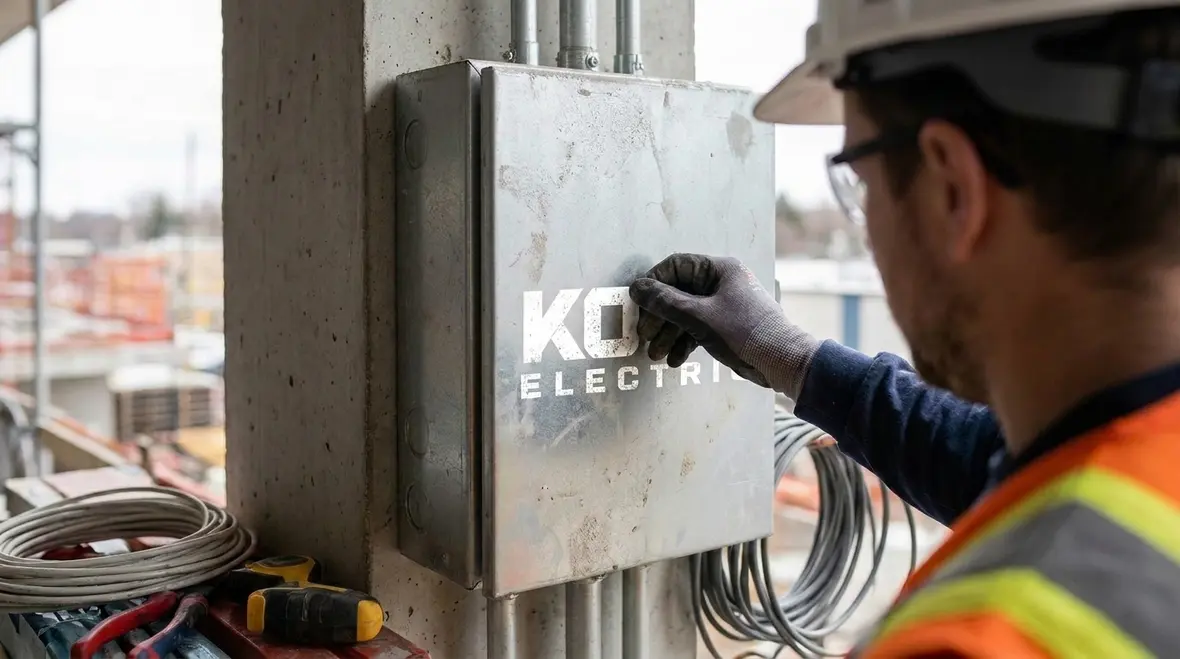
To understand NEC box marking requirements, we start with the purpose: marking helps everyone identify the use and rating of the enclosure at a glance. Section 314.104 focuses on how electrical boxes are marked so the intended equipment can be verified during installation and inspection. In practice, we treat it as part of the system layout, not an afterthought.
The NEC box marking requirements under 314.104 tie identification to the actual box construction and application. That means the information on or in the box is not just a suggestion. It needs to match the way the box is being used: conductor count, fill, intended environment, and the type of wiring method. When inspectors walk a site, they are not guessing which box can do what; they are reading, confirming, and signing off.
Also, the requirement helps reduce errors that happen when multiple trades share spaces and timelines. For example, our technicians may install raceways and conductors one day, while another crew mounts devices later. Meanwhile, inspection happens on its own schedule. Therefore, box markings act like a shared language across the job site.
From our experience in commercial and industrial facilities, clear marking prevents repeat visits. It also keeps documentation consistent, which matters when buildings operate 24 hours and shutting down circuits becomes a big deal. When the markings match the drawings and the equipment schedule, the whole project runs with less friction.
How NEC box marking requirements show up in day-to-day work
On real projects, NEC box marking requirements do not live only in the code book. They appear on every enclosure the team touches. That means checking that the factory markings remain visible, adding project-specific labeling where needed, and making sure paint, dust, and field modifications do not erase what the NEC expects people to see.
When the markings are correct and readable, crews can confirm that conductor sizes, combinations, and environmental conditions still fall inside the box’s intended use. When they are missing or wrong, you get guesswork, which is exactly what the NEC is trying to prevent.
Why marking matters in commercial and industrial buildings
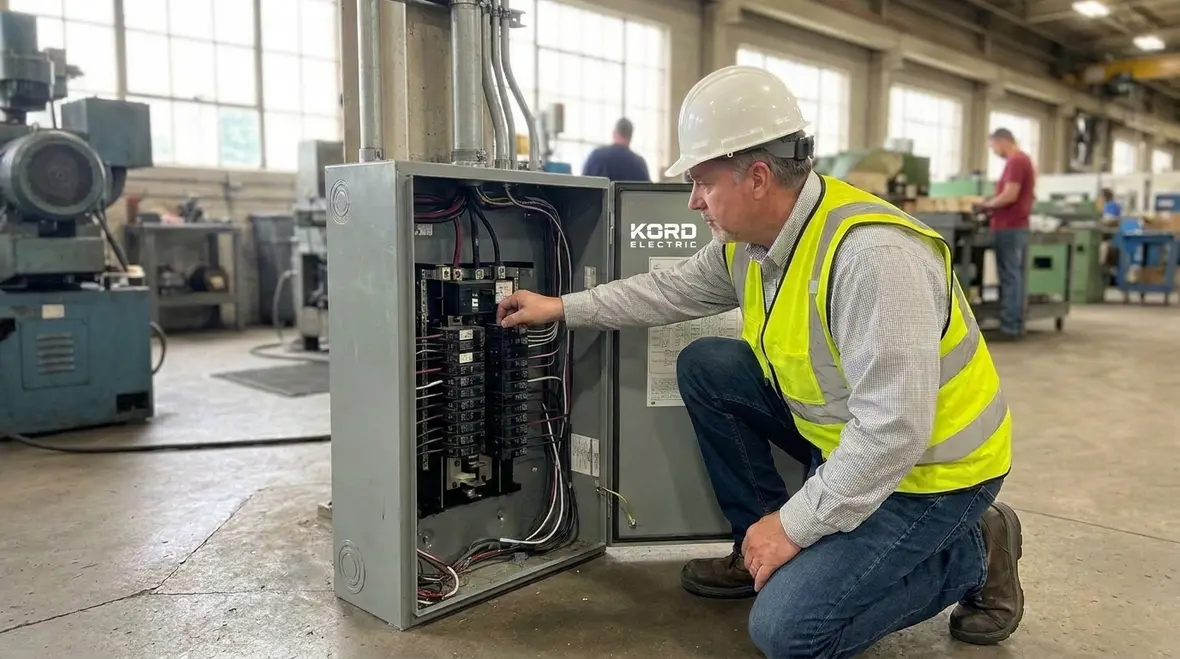
In major property buildings, the electrical system often serves multiple tenants, equipment rooms, and life safety loads. Consequently, an enclosure may feed more than one area or support multiple conductors types. Then the question becomes simple: if a person cannot identify what a box is for, they cannot confirm that the installation matches code intent.
Additionally, marking supports safer troubleshooting. When maintenance crews follow the markings, they reduce time spent opening cabinets, testing, and tracing circuits. That translates into less wear on equipment and fewer disruptions to building operations. It also lowers the odds that someone will accidentally interact with the wrong circuit because they were trying to “figure it out” under pressure.
We also respect the reality of real sites. People move quickly, labels get covered by paint, and sometimes someone swaps a component without updating records. Yet with NEC compliant box markings in place, those problems have a faster path to correction, because the box itself stays honest. It is like a seatbelt for the job: nobody applauds it, but everyone needs it.
NEC box marking requirements and long-term facility operations
In a commercial or industrial facility that will see multiple renovations and tenant improvements, the markings have to last longer than any single project phase. That is where NEC box marking requirements become a long-term reliability tool. Facility managers can look at the enclosure, match it to the records, and confirm that what was designed is still what is installed.
For property owners, that clarity pays off every time there is a shutdown, test, or unexpected event. When the site team can trust what the box markings say, they can move faster and safer, instead of spending the first thirty minutes of a response just figuring out which box belongs to which load.
How our technicians apply the rules on real projects
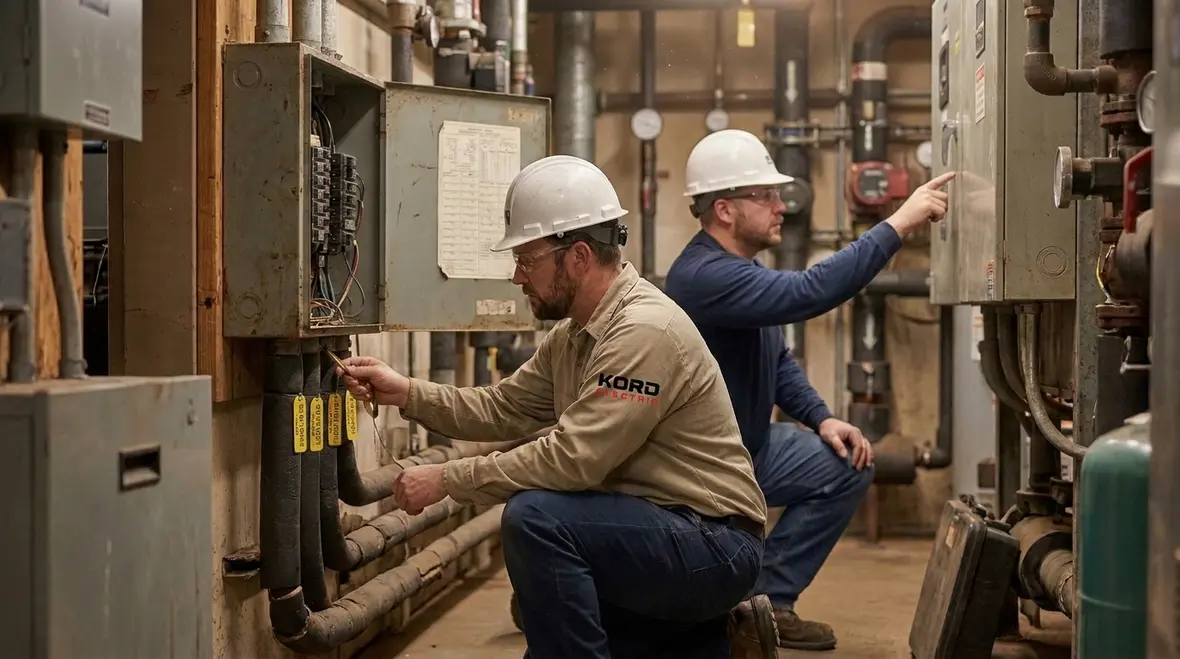
When our expert service staff works, we do not just meet the minimum. We build a marking plan that fits the actual scope. First, our technicians identify where boxes sit in the system, including locations behind equipment and near risers. Then we confirm the box types and intended connections. Finally, we make sure the marking supports what is installed, so inspectors see consistency, not confusion.
Next, we use standard workflow checks. For instance, if a box will support conductors that connect to specific equipment, we ensure the enclosure marking matches the intended use and complies with the expectations under NEC Section 314.104. We also coordinate with general contractors and other trades, because box placement and labeling only work when everyone plays their part.
Here is the calming part: once the team repeats the same quality steps across floors and buildings, the site becomes predictable. Predictable is good. Predictable means fewer surprises, fewer corrections, and more time for actually powering the building rather than redoing work.
Turning NEC box marking requirements into repeatable quality
On a large facility project, we treat NEC box marking requirements like a checklist that travels with the job. Before rough-in, we plan which boxes go where and what they will serve. During installation, we verify that the box rating, fill, and environmental conditions line up with the design. Then we confirm that markings are in place, readable, and aligned with the drawings.
Because those steps are repeatable, they scale. The same approach can be used on a single tenant improvement floor or across a campus with multiple buildings. Each box tells the same kind of story: here is what I am, here is what I am allowed to do, and here is how I fit into the system. That is NEC box marking requirements made practical.
Common marking mistakes and how to avoid them
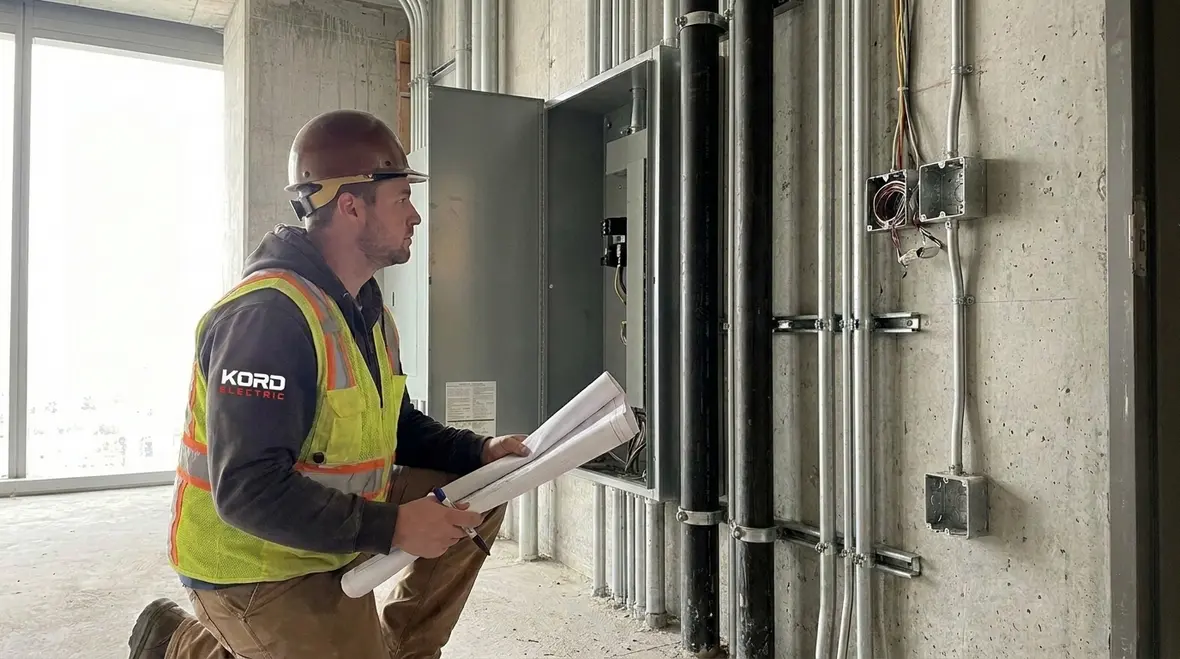
Even good crews can get tripped up, so we highlight the mistakes we see most often. When people treat the box like a generic container, marking gets skipped or rushed. Then, later on, someone tries to “fix it” with stickers that do not match the enclosure information, or they label the wrong box because the numbering does not align.
To avoid that, we recommend three practical checks before close up:
- Verify enclosure information before installation. Confirm the markings relate to the box and its purpose, not just the room name.
- Match labeling to the system layout. If the box feeds a specific branch or equipment location, the marking should support that trace path.
- Use durable, readable methods. Commercial buildings do not wait for labels to weather out. Heat, cleaning, and vibration matter.
Also, we remind teams that marking is not only about today’s inspection. It also supports tomorrow’s service call. In a propertied facility, the building will outlast the first installation crew. Therefore, markings should still make sense after months or years.
And yes, we have heard jokes like, “Just label it later.” Later is where good intentions go to retire early. We keep marking as part of the job flow, not a future fantasy.
NEC box marking requirements you can trust under pressure
One useful way to think about NEC box marking requirements is to imagine a future technician who has never met the original installer. If the markings tell that person what they need to know quickly, they were done right. If that person has to guess, pull covers, and chase circuits to confirm basic facts, something went wrong.
Our teams design markings to survive that moment. They are clear enough that a new crew can step in years later and still understand what the box is doing without treating the whole floor like a research project.
How markings connect to inspections and documentation
Section 314.104 lives inside a bigger picture. When a building team follows NEC structure, it becomes easier for inspectors to confirm compliance across devices, raceways, and enclosures. For our part, we coordinate our work with the inspection flow used on commercial and industrial sites.
In addition, box markings help create clean documentation. When electricians log circuits, equipment feeds, and locations, the markings provide a stable reference. That means future updates, like adding circuits or upgrading equipment, can follow the same identification method. Otherwise, the building becomes a scavenger hunt, and scavenger hunts do not belong in electrical rooms.
At Kord Electric, we treat documentation like a service tool. We want facility managers and maintenance staff to find the right area, confirm the right system, and restore operations without delays. In the end, that reduces downtime, which is the currency commercial buildings actually value.
From NEC box marking requirements to project records
When we hand off a project, the NEC box marking requirements under 314.104 are reflected in the drawings, schedules, and labeling schemes. Inspectors see that what is on paper lines up with what is on the wall or in the ceiling. Building teams get a consistent story: the box is labeled, the circuit is documented, and the enclosure rating is respected.
That is also where our broader NEC resources come in. Articles like our 2026 NEC scope and application guides help facility teams understand how box marking fits into the overall safety and compliance picture, not just as one more task on a punch list.
NEC box markings inside a broader code context
Even though we focus on Section 314.104, we also understand how box marking ties into the NEC approach to organization and safety. The NEC aims to make equipment identification clear, so the installation process stays consistent across the full electrical system.
On many major property buildings, electrical rooms contain mixed equipment types and multiple wiring pathways. Thus, accurate markings reduce interpretation gaps for anyone reviewing the system. That includes electricians, inspectors, maintenance crews, and sometimes third party testing teams.
Our teams also stay current on code updates and how authorities apply the intent. When we review requirements, we keep the work aligned with recognized NEC guidance, including how the requirements show up in the National Electrical Code narrative explained in industry resources. If you ever read about code changes and felt your eyes glaze over, you are not alone. We will translate it into something that fits on a real job site.
Connecting NEC box marking requirements to other NEC rules
NEC box marking requirements do not operate by themselves. They tie into rules about conductor ampacity, box fill, equipment ratings, and environmental conditions. When our technicians plan a project, they look at the whole picture: which NEC chapters govern the system, what the scope language says, and how those expectations show up on each enclosure.
Because Kord Electric works across commercial and industrial projects in Los Angeles County and beyond, we use that full-code view to help clients avoid gaps. If you need a partner who can connect NEC box marking requirements to the rest of your system rules, our Los Angeles County electrical services offering outlines how we support facilities from planning through inspection and long-term upkeep.
Single source clarity: how Kord Electric supports your facility
Facility owners and managers want dependable execution, especially when the building keeps running. Our approach supports that need. We focus on commercial and industrial facilities and major property buildings, where electrical downtime costs real money and where system organization affects safety outcomes. Therefore, our expert service staff plans and installs with marking clarity in mind, so boxes communicate their purpose from day one.
When your team works with us, you get more than installation. You get a method that reduces rework and helps inspections move forward smoothly. And if adjustments are needed later, the building remains easier to understand, because the markings and the system records match. That is the kind of calm you can feel in the field.
We also recognize that NEC box marking requirements live alongside many other NEC expectations your facility has to meet. That is why our blog includes resources on NEC scope, branch circuits, wiring on buildings, data centers, and more. Those articles work together to give facility leaders a practical reading of the rulebook, not just citations and section numbers.
FAQ
Call Kord Electric for code backed clarity
If your commercial or industrial facility needs electrical work that aligns with NEC guidance, we can help you install with confidence. Kord Electric brings expert service staff, clear planning, and marking discipline that supports inspections and long term maintenance. We focus on major property buildings where uptime and safety matter, and where confusing enclosures cost time and money. Reach out to our team to review your enclosure plan, marking approach, and rollout schedule, and let us make the electrical room readable again.
Whether you are planning a new build, a tenant improvement, or a modernization project tied to the 2026 NEC cycle, our team can connect NEC box marking requirements under 314.104 to the rest of your electrical strategy. From design support to final inspection, we keep the markings honest, the records aligned, and the system ready for the next decade of service.


