
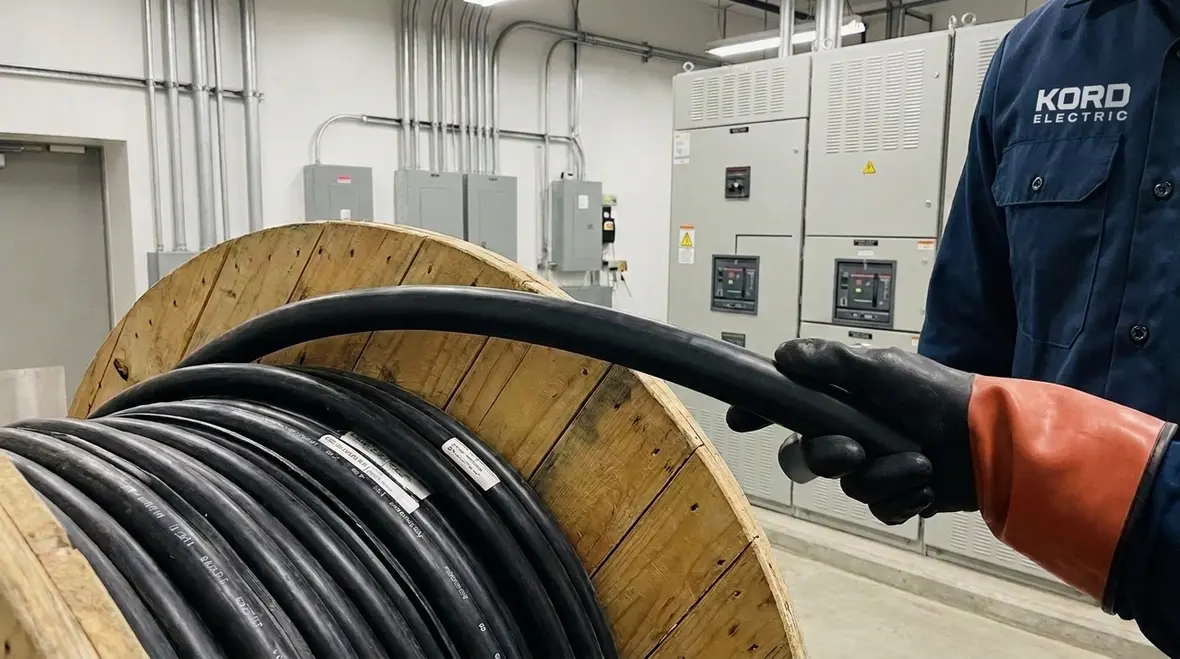
NFPA 70 Section 315.2 NEC MV Cable Listing Requirements
NFPA 70 Section 315.2 and why MV cable listing requirements matter
In commercial and industrial facilities, the electrical system cannot rely on guesswork. So when we think about NEC MV cable listing requirements, we start with NFPA 70 Section 315.2, the part that lays out listing and labeling expectations for medium voltage cable. In other words, the cable used for MV work should meet recognized product listing rules, so installation teams do not “make it work” with tools and hope. Here at Kord Electric, we guide our projects with that same calm discipline, and our expert service staff explains the why behind each rule. They do it in plain terms, like a friendly instructor who still grades your work. And yes, sometimes the joke lands like a light switch that finally clicks instead of just buzzing.
In this article, others will see code citations as paperwork. We see them as risk control. And next, we explain how Section 315.2 fits into real world MV cable selection, acceptance, and documentation, especially for major property buildings and C and I sites.
What NFPA 70 Section 315.2 actually requires for listed MV cables
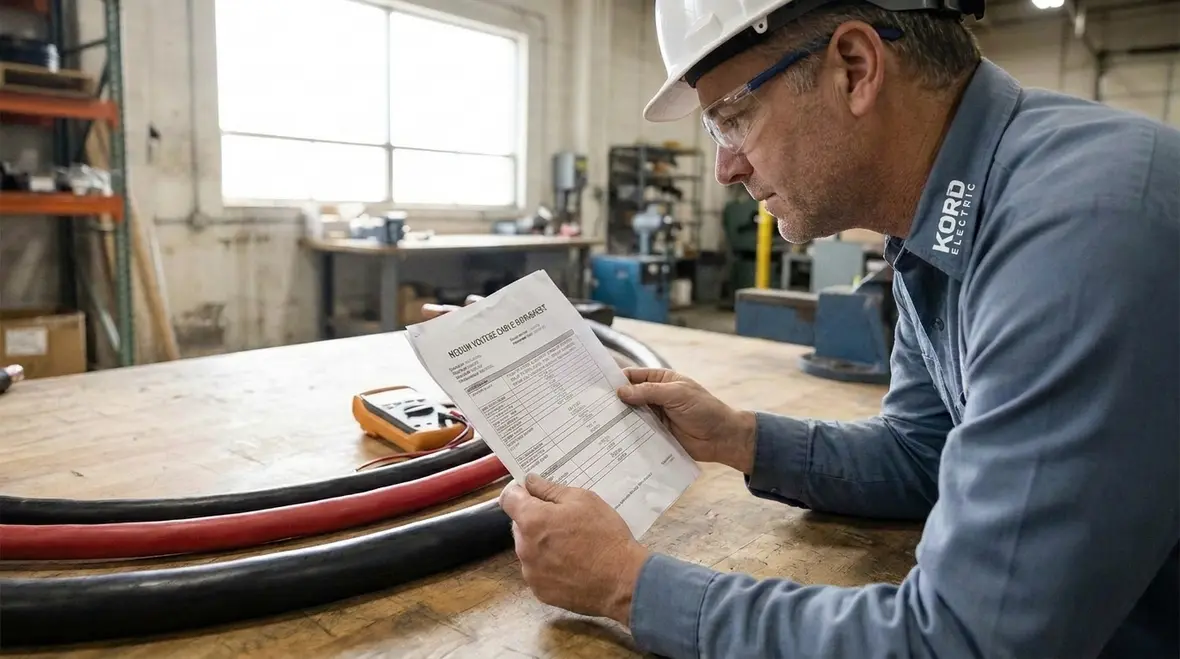
NFPA 70 Section 315.2 focuses on product listing requirements for cable used at medium voltages. While the exact wording is code specific, the practical outcome stays the same across projects: the MV cable should be a listed product that is approved for the intended use, and it must follow the conditions of that listing.
Here is how that translates into field decisions. First, our teams verify that the cable is identified and listed for the voltage level and application. Then we confirm that the jacket, insulation, and construction type match the listing conditions. After that, we treat documentation as part of the job, not an optional accessory.
Also, we do not ignore labeling. If a cable has the right markings, it becomes easier to confirm compatibility during procurement and during acceptance on site. If a marking is missing or unclear, we pause and clarify before installation. That is how we prevent future surprises, the kind that show up during testing, when everyone suddenly becomes an amateur detective.
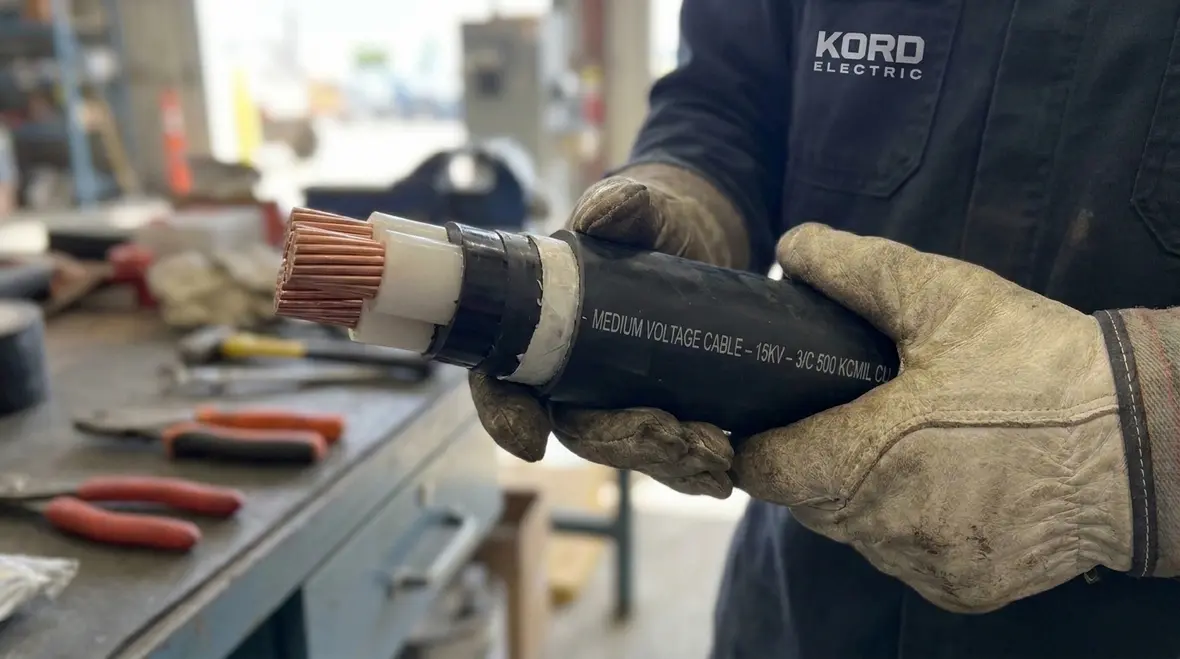
How MV cable listing requirements connect to design, labeling, and installation
Most projects fail quietly, not loudly. So we connect listing expectations to every stage: design intent, cable selection, and installation execution. When others skip that chain, they often end up with mismatched components that fight each other inside the system.
Listed cable affects more than the cable itself. For example, our technicians coordinate cable type with termination practices, insulation system compatibility, and protective measures used for MV routing. Even small differences can matter in medium voltage applications where insulation performance and termination behavior must stay consistent.
Then comes labeling and traceability. Because we serve commercial and industrial facilities, we plan for long life cycles and long maintenance windows. As a result, we help building teams maintain records that show what was installed and why. That way, if a facility manager in the future has to troubleshoot, they are not starting from zero. They are starting with a folder that makes sense.
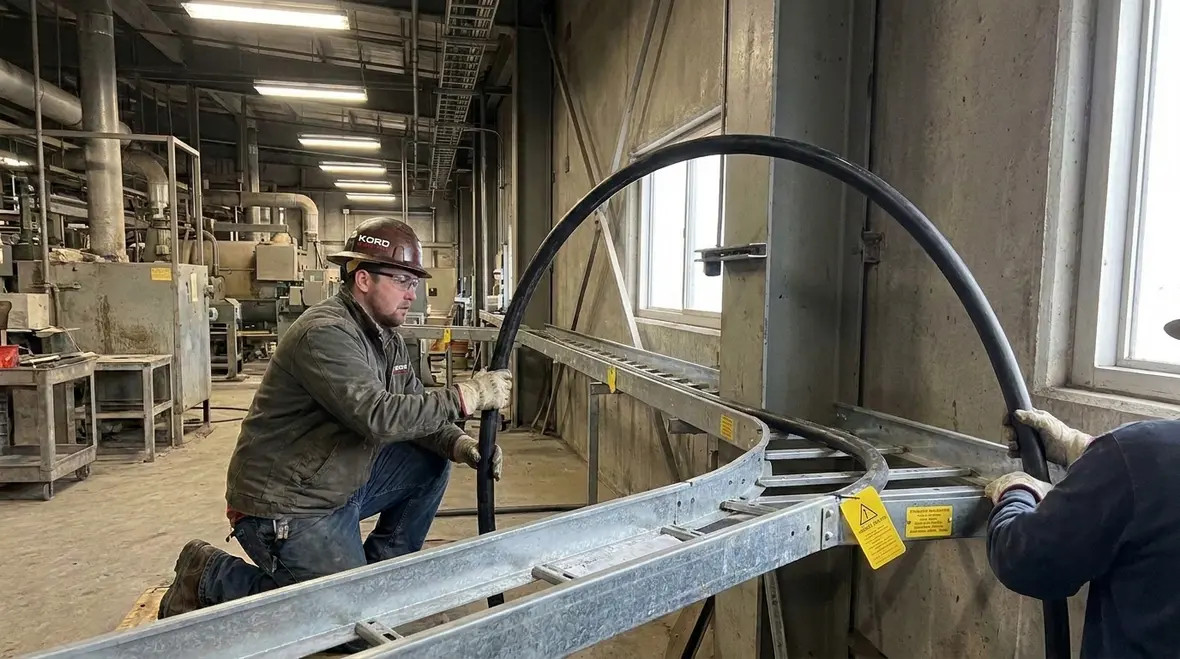
Finally, we align installation steps with the listing conditions. That means practices like pulling tension, bend considerations, routing methods, and handling requirements follow the product information. We keep the pace steady, because steady work beats frantic rework, every time.
What our expert service staff checks during MV cable acceptance
We believe the best time to catch issues is before the cable is energized. So our expert service staff runs acceptance checks that support the listing intent and reduce the risk of non compliant installs. Think of it like a quality gate, but calmer than a celebrity trial.
During acceptance, we focus on these points:
- Documentation review: we verify the cable listing, voltage rating, and relevant information tied to the product selection.
- Marking and labeling confirmation: we confirm the cable identification and ensure it matches the project requirements.
- Routing and support: we check that cable installation supports follow the plan for the environment and the method used.
- Termination readiness: we coordinate that termination materials and methods align with the system expectations for medium voltage use.
- Handling and physical condition: we look for damage that could compromise insulation or overall performance.
Then, if something looks off, we explain it clearly. Our team does not hide behind vague language. We say what we see, what it could mean, and what we recommend. That transparency helps facility owners and maintenance leads make decisions with confidence, not anxiety.
Common mistakes when facilities treat listing like a formality
We see patterns. Different companies, same trouble. Sometimes the problem starts with a procurement shortcut. Sometimes it starts with a timeline pressure that says, “We will figure it out later.” Later, of course, is where costs grow and downtime shows up like an uninvited guest.
Here are the mistakes that most often collide with NEC expectations around MV cable listing:
- Using a cable that is not listed for the intended medium voltage application, even if it looks similar.
- Ignoring listing conditions such as construction details, termination compatibility, or installation constraints.
- Assuming markings are optional instead of treating them as traceability tools for future work.
- Skipping documentation so the facility team later cannot prove what was installed and under what conditions.
- Mixing components that do not align with the cable system requirements used for MV installations.
We keep the tone direct because these issues affect reliability, inspection outcomes, and long term maintenance. In commercial and industrial facilities, downtime is expensive. So we take prevention seriously and we keep our crews focused on the rules that matter.
Project workflow for commercial and industrial MV cable installs
When Kord Electric supports a major property building or a C and I facility, we use a workflow that makes listing requirements practical. That means we do not treat code as abstract. We treat it as a set of steps that shape the work.
First, we help confirm the design basis. Next, we align procurement so the installed cable matches the listed product selection. Then we schedule our installation and acceptance checks in a way that supports safe completion.
After installation, we support the documentation phase. Then we can help with handover so the facility team has the right records for future inspections and maintenance. If your building manager asks, “What exactly did we install,” our team wants the answer to be easy, not a scavenger hunt.
And yes, we have our share of jokes during site work. Sometimes we compare cable pull planning to planning a movie night. If you forget key details, you end up rewinding life in real time. But unlike streaming services, MV cable problems do not buffer. They just get more expensive.
If you want to see how NEC concepts connect to this workflow at a higher level, you can also review Kord Electric’s guide Understanding NFPA 70: The National Electrical Code Explained for 2026, which links code language to practical decisions for commercial and industrial facilities.
Frequently asked questions about NEC MV cable listing and Section 315.2
Wrapping up with a practical next step
NFPA 70 Section 315.2 turns MV cable listing into something you can build on, verify, and maintain. At Kord Electric, we support commercial and industrial facilities and major property buildings with expert checks that keep your MV cable selection, documentation, and acceptance aligned with the listing intent. If you are planning a new install or upgrading an existing medium voltage system, contact us. Our team explains the steps in plain language, so your project moves forward with confidence, not guesswork.
For facilities across Los Angeles County that want help applying NEC MV cable listing requirements alongside broader electrical needs, you can also explore our Los Angeles County commercial and industrial electrical services, where our technicians combine code knowledge with practical field execution.
And if your team wants a broader code backdrop for MV decisions, pairing this article with Kord Electric’s NEC resources and Kord Fire’s companion guidance on the National Electrical Code can help everyone read the same playbook before the first cable reel ever rolls onto the site.


