
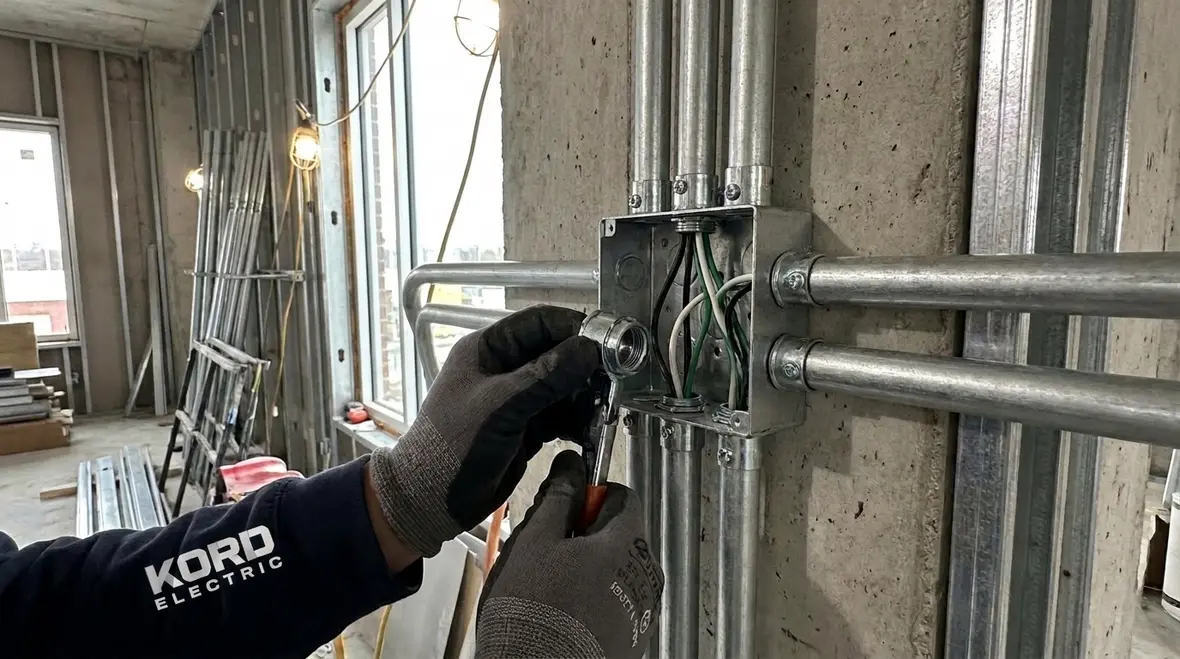
NEC Branch Circuit Boxes Fittings and NFPA 70 334.40
Kord Electric takes care of commercial and industrial electrical systems, and we start every job the same way: with the right NEC branch circuit boxes fittings chosen and installed correctly. In our experience, this part of the job decides whether your wiring behaves like a well trained team or like a group chat during a power outage. We follow the guidance from NFPA 70 Section 334.40, and then we explain the “why” in plain language, so your project stays on schedule and your inspections stay calm.
In this guide, third person readers will see how NFPA 70 Section 334.40 fits into real world commercial builds, what boxes and fittings must do, and how our technicians and expert service staff confirm the details on site. And yes, we will keep it professional. But we might still make a light joke, because even electricians deserve joy.
Understanding NFPA 70 Section 334.40 for branch circuit boxes
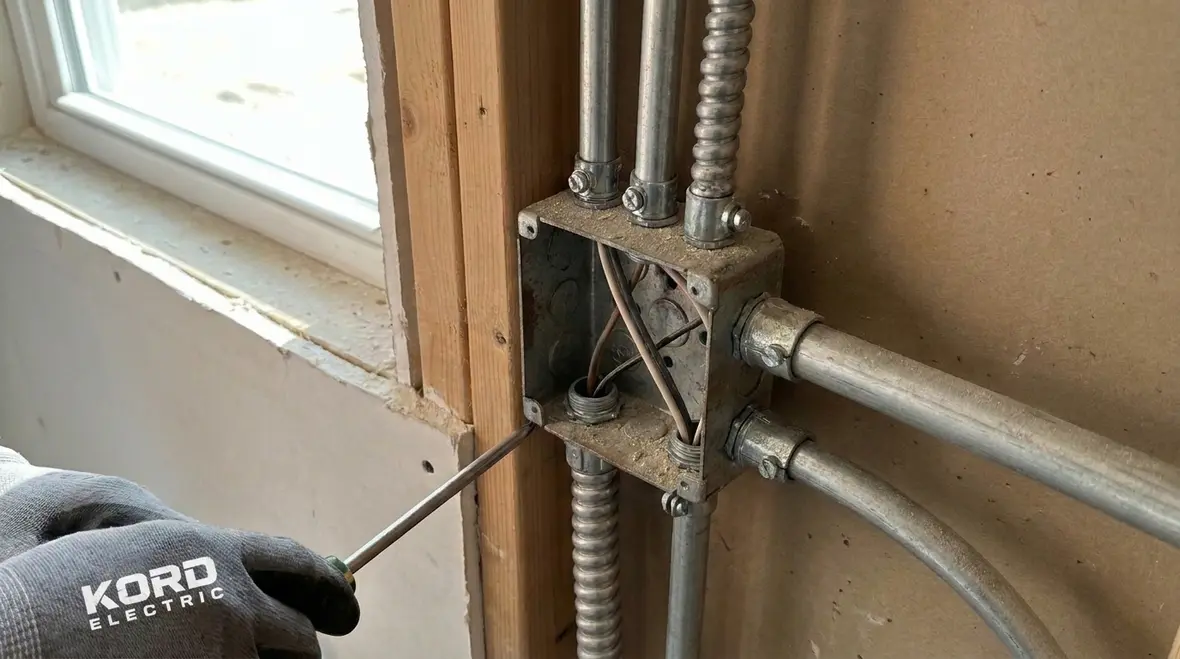
NFPA 70 Section 334.40 focuses on the materials and construction requirements for boxes and fittings used with branch circuit conductors, especially where rigid metal, intermediate metal, or other raceways connect to equipment. Put simply, the code wants the box to provide physical protection, safe support, and a proper connection point. It also aims to prevent loose connections, abrasion, and water or dust intrusion where it matters.
At Kord Electric, we treat this as more than a checkbox. First, we review the raceway and wiring method on the plan set. Next, we select the box type and fittings that match the system design. Then we verify the installation details during field work, because the code does not care what you meant to do, it cares what you did.
To keep your building operations steady, we also coordinate with facility stakeholders. That matters in commercial and industrial facilities, where downtime costs real money and “we will fix it next week” rarely survives a meeting.
For readers who want a wider view of how this section fits into the overall NEC, Kord Electric’s own resource Understanding NFPA 70: The National Electrical Code Explained for 2026 shows how branch circuit decisions connect to broader design and inspection expectations.
Why boxes and fittings matter in commercial and industrial work
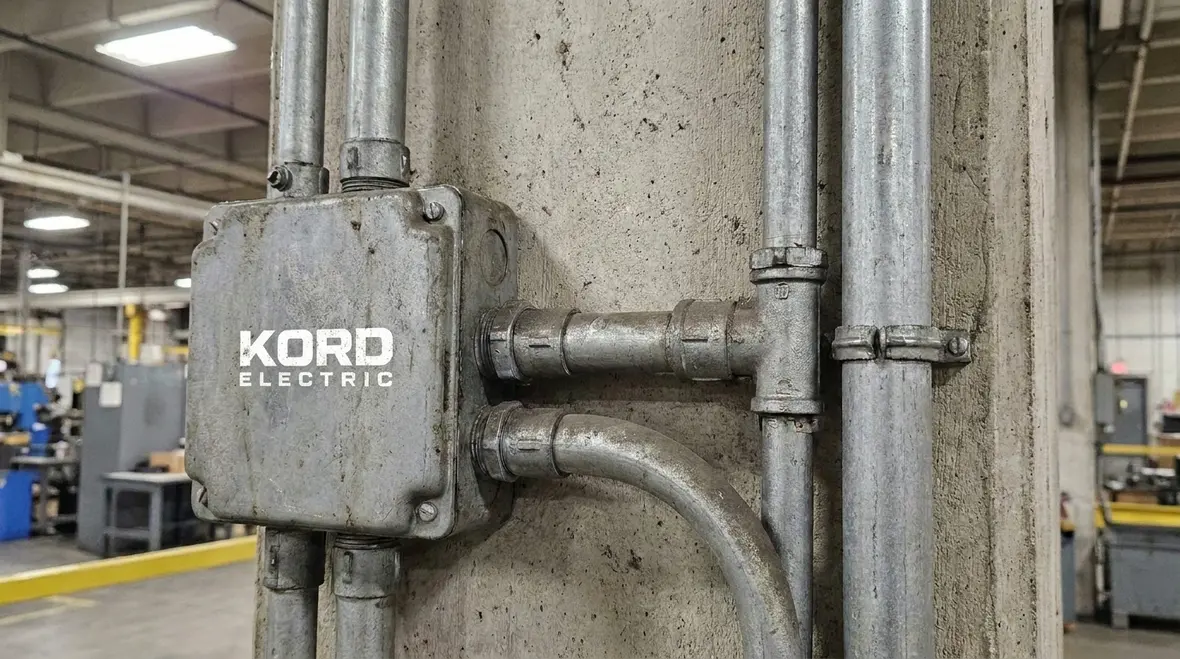
Commercial and industrial buildings face heavier loads, more frequent service access, and harsher operating conditions than many other sites. Therefore, the box system must handle mechanical stress, support conductor terminations, and keep connections safe over time.
Many people think boxes are just decorative covers, like the thin layer of frosting on a cupcake. However, the box is a structural and electrical safety component. It helps prevent damage at connection points and supports proper grounding and bonding paths. In other words, it protects the wiring where it is most vulnerable.
Additionally, many projects include multiple trades: controls, fire alarm interfaces, lighting systems, and power distribution. As those interfaces grow, the box and fitting details become even more important. Our technicians explain these boundaries clearly to other contractors, and they document what gets installed so the next trade does not guess.
How NFPA 70 guides the box, conduit, and connection details

Section 334.40 does not exist in a vacuum. It connects with how raceways and cables behave at terminations. While designs vary, the practical goal stays the same: ensure the wiring pathway reaches the box safely, and that the box provides the correct means for securing and finishing connections.
In typical commercial applications, our team checks these practical items on site:
- Secure raceway entry so conductors do not face abrasion at the box edge.
- Correct fittings that match the raceway type and support the wiring method.
- Proper box fill planning so the conductors fit without forcing bends that stress insulation.
- Bonding and grounding continuity so the electrical system protects people and equipment.
- Installation alignment so covers seal correctly and the assembly stays accessible for service.
Then we verify the work during commissioning and closeout. Moreover, we walk the site with your team and explain what each detail accomplishes. If a question comes up, we respond fast. In a commercial environment, speed matters, and so does accuracy.
Field best practices our technicians follow on real projects

Code text can sound calm on paper. In the field, the situation gets loud: tight corridors, stacked conduits, changing dimensions, and last minute design updates. That is why our expert service staff focuses on repeatable best practices that align with NFPA 70.
First, we confirm the installation method before we build the conduit run. That way, the box selection matches the raceway and the wiring plan. Next, we use fittings that create a safe transition between raceway and box. After that, we check the box for secure mounting and correct alignment.
Then we handle the part many teams rush: final conductor handling. Conductors need to enter cleanly, rest properly, and be terminated without damaging insulation. As a result, your system gets safer connections and a more reliable path for maintenance.
Here is a quick example from our daily work. Sometimes a box arrives and someone tries to “make it fit.” That is like trying to seat a square peg in a round hole and then acting surprised when it does not work. The difference is that electrical systems do not forgive shortcuts. So our technicians slow down, choose the right parts, and complete the job the right way.
Reducing inspection friction with documentation and communication
Inspections move faster when documentation and field practices match the plan set. Therefore, our approach includes clear labeling, consistent installation methods, and records that connect the design intent to what gets installed.
Because we serve commercial and industrial facilities and major property buildings, we also consider operational needs. For instance, some areas require phased shutdowns, strict access control, and a plan for how power gets restored. We coordinate those details with the general contractor and facility leadership.
Additionally, we help clients understand what inspectors look for around box and conduit interfaces. We explain the key requirements in plain language, and we show the installed components that satisfy NFPA 70 expectations. When questions come up, our experts do not hide behind jargon. We say what we did, why we did it, and how it meets code.
To support this approach, we also share learning resources tied to the NEC. For readers who want a bigger picture of the code framework, Kord Electric reviews NEC concepts for major 2026 updates, while Kord Fire and Kord Fire Australia cover related guidance in a practical way. While those resources address different angles, they reinforce the same message: correct installation beats guesswork every time.
NEC branch circuit boxes fittings checklist for project teams
To keep teams aligned during design and install, we use a checklist that supports the code intent and reduces rework. This helps designers, electricians, and supervisors communicate in the same language. It also helps property teams avoid surprises during turn over.
NEC branch circuit boxes fittings checklist we apply on commercial and industrial sites:
- Select the box type that matches the wiring method and the raceway connection needs.
- Use compatible fittings for the raceway type and ensure the transition supports safe conductors.
- Confirm box fill based on conductor quantity and insulation type.
- Verify grounding and bonding continuity at the box and raceway interface.
- Check mounting and alignment so covers install correctly and remain serviceable.
- Inspect conductor handling so no insulation gets nicked at entry or within the box.
- Document the installation with photos and notes when schedules are tight.
Finally, we make sure the team understands the inspection path. When everyone knows what gets checked and why, the process feels less like a stressful game show and more like steady work.
FAQ: NFPA 70 Section 334.40 and box requirements
Need a code driven install that holds up?
Kord Electric helps commercial and industrial facilities build electrical systems that pass inspection and perform for years. We follow NFPA 70 guidance for boxes and fittings, and we verify the field details with our technicians and expert service staff so nothing gets left to chance. If your project involves branch circuit raceways, connections, or planned renovations in major property buildings, contact us for a focused review and a clean path to closeout. We keep it calm, code correct, and ready for operations.
For facilities in Southern California that need an experienced partner from planning through commissioning, Kord Electric’s Los Angeles County electrical services team supports complex commercial and industrial projects with code driven design, installation, and verification.


