
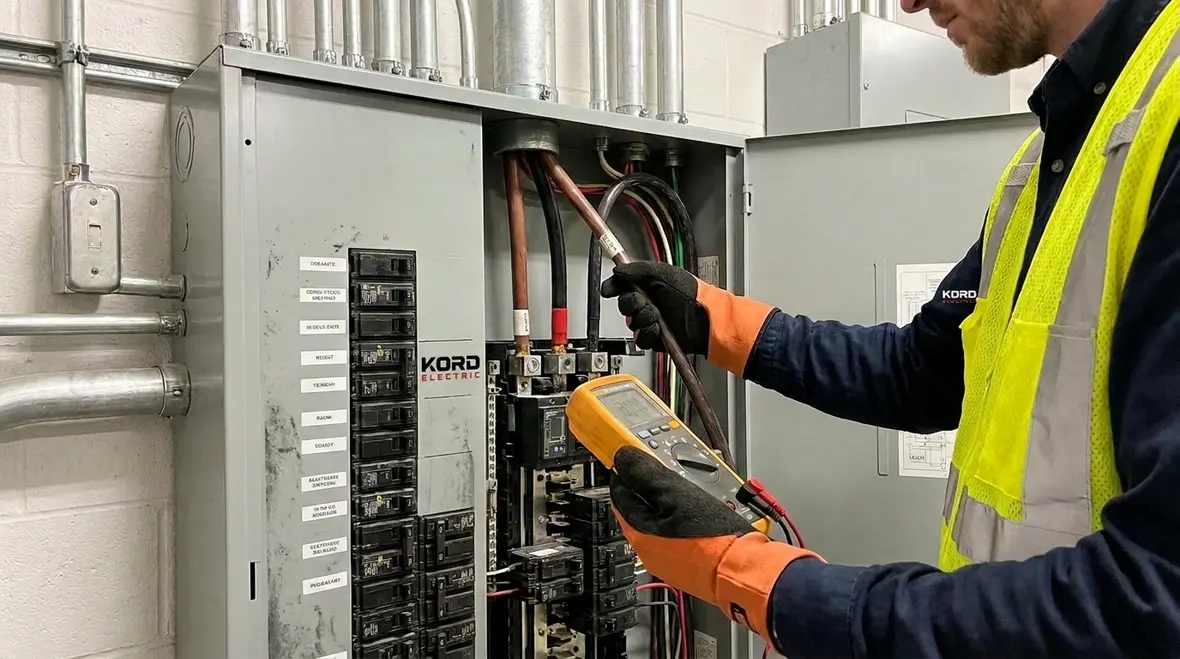
NEC Branch Circuit Minimum Ampacity for Safe Power Sizing
How NEC branch circuit minimum ampacity guides safe power sizing
At Kord Electric, we start every commercial and industrial electrical plan the same way: we verify NEC branch circuit minimum ampacity early, before anyone spends time pulling wire or punching holes in walls. Within the first glance of NFPA 70 Section 210.19, we can see the rule that branch circuit conductors must meet a minimum ampacity based on the connected load and the device ratings. In plain terms, we size conductors so they stay cool, steady, and dependable under real work conditions, not just in a perfect lab. And yes, we have seen contractors treat this like it is optional, the same way people treat “check-engine” lights as a polite suggestion. Our technicians do not. They explain it, document it, and install it right.
NFPA 70 Section 210.19: what the rule actually demands
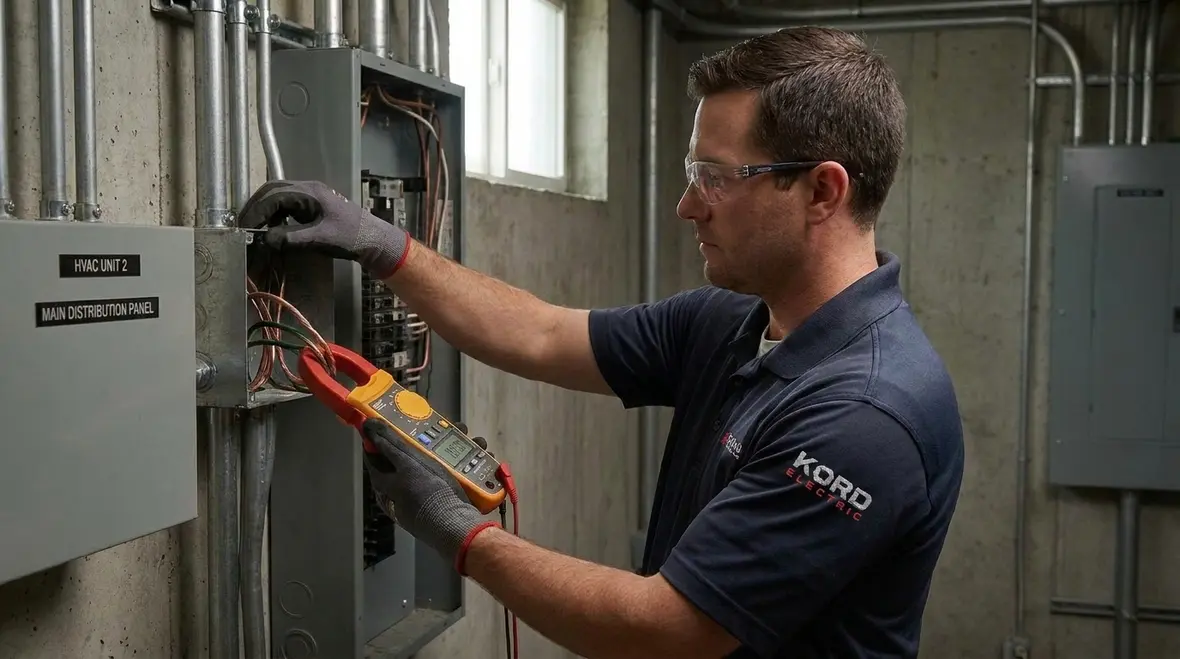
NFPA 70 Section 210.19 sets the minimum conductor ampacity for branch circuits. In other words, it focuses on the wires feeding individual branch circuits, not the main service equipment. It tells us the conductor size can not be chosen just because it fits the panel schedule or because the wire truck has a good mood that day. Instead, the minimum ampacity has to line up with the load calculation method used for the branch circuit.
To keep commercial and industrial systems safe, we check these ideas in order. First, we determine the load for the branch circuit, such as lighting, receptacles, equipment, or other connected loads. Then we compare that load to conductor requirements. Next, we confirm the overcurrent device rating and the conductor insulation rating. Finally, we verify the install conditions that can influence derating or adjustment factors in practice.
At this stage, our expert service staff usually slows down and walks decision makers through what matters most. For example, we explain how the minimum conductor ampacity concept protects against overheating. However, the real win comes from how it prevents nuisance failures, reduces thermal stress on terminations, and helps facilities avoid costly downtime. In commercial buildings, downtime can be the most expensive load on the entire project.
How we size branch circuits in real commercial projects

When we work on major property buildings, we do not treat conductor sizing as a paper exercise. Instead, we build a process that holds up on site. Consequently, our field teams and design teams talk to each other early, so the conductor minimum and the equipment selection agree. That agreement is where many failures start, because one side assumes a “close enough” number, and the other side assumes something else.
Here is how our approach typically flows, and how others can picture it without getting lost in code language.
- We confirm the load type so the correct calculation method applies, including continuous loads where required
- We verify device ratings because a branch circuit does not exist in isolation, it connects to breakers, terminations, and equipment
- We select conductor sizes that meet or exceed the minimum conductor ampacity rule for branch circuits
- We review installation details such as ambient conditions, number of conductors, and raceway fill, because these can change how conductors perform
- We document and label so future maintenance teams can troubleshoot quickly without guessing
Now, some people ask if a smaller conductor can still pass inspection if the numbers “sort of” work. We answer that in a calm, direct way. If the calculations do not meet NFPA 70 Section 210.19 requirements, the system fails the standard before it fails in the field. And if you like surprises, sure, electrical systems can deliver them. But we prefer planned outcomes, not dramatic ones like a sitcom twist where the breaker trips “just this once.”
Understanding the load side: equipment, receptacles, and lighting
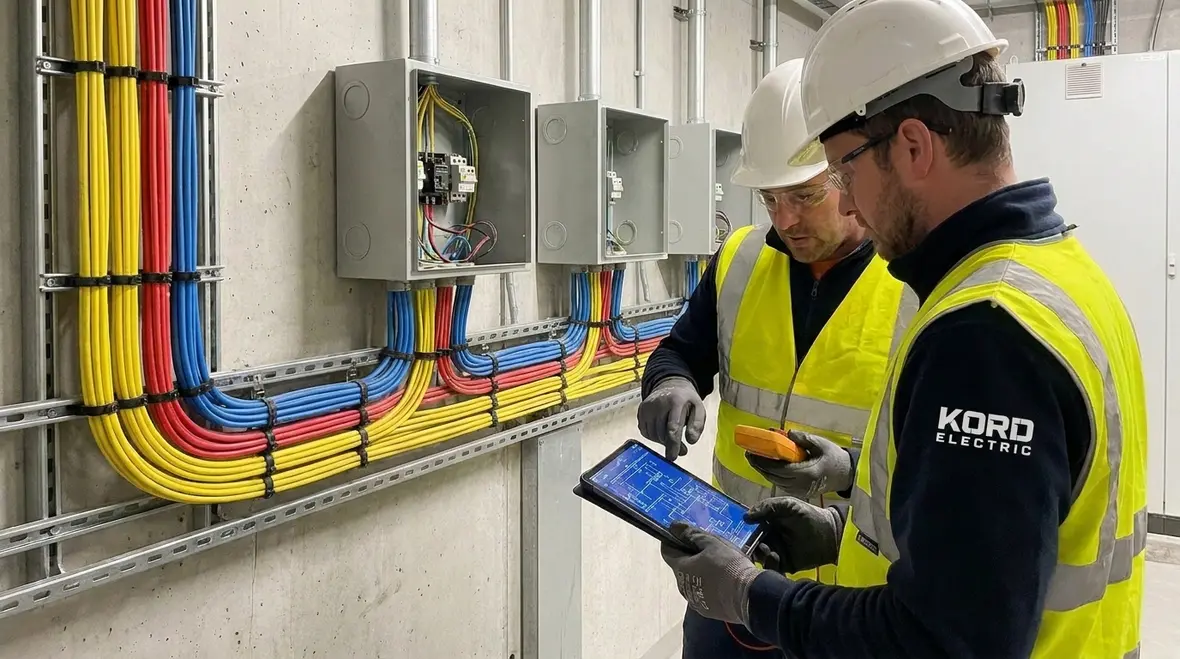
Section 210.19 connects to the load calculations that feed into conductor sizing. Therefore, to apply the rule correctly, we must understand how the connected loads behave in a commercial and industrial building. Lighting circuits often involve many fixtures and may include continuous operation. Receptacle circuits supply plug in equipment that can vary. Motors and other equipment loads depend on operating mode, starting conditions, and duty cycle.
In practical terms, we focus on the realities of how the facility runs. Warehouses run equipment all shift. Kitchens run heavy loads. Offices run lighting and computers with different cycling patterns. Meanwhile, major property buildings often mix tenant improvements with base building systems. So, when we calculate, we keep the connected load picture honest and complete.
Our technicians then verify that the conductor ampacity aligns with the circuit’s expected demand and the overcurrent device coordination. That coordination matters, because a conductor can be undersized and still “work” briefly. However, it will heat up, lose insulation life, and create weak points at terminations. Consequently, we treat ampacity as a long term safety factor, not a momentary test.
What happens when the minimum is wrong
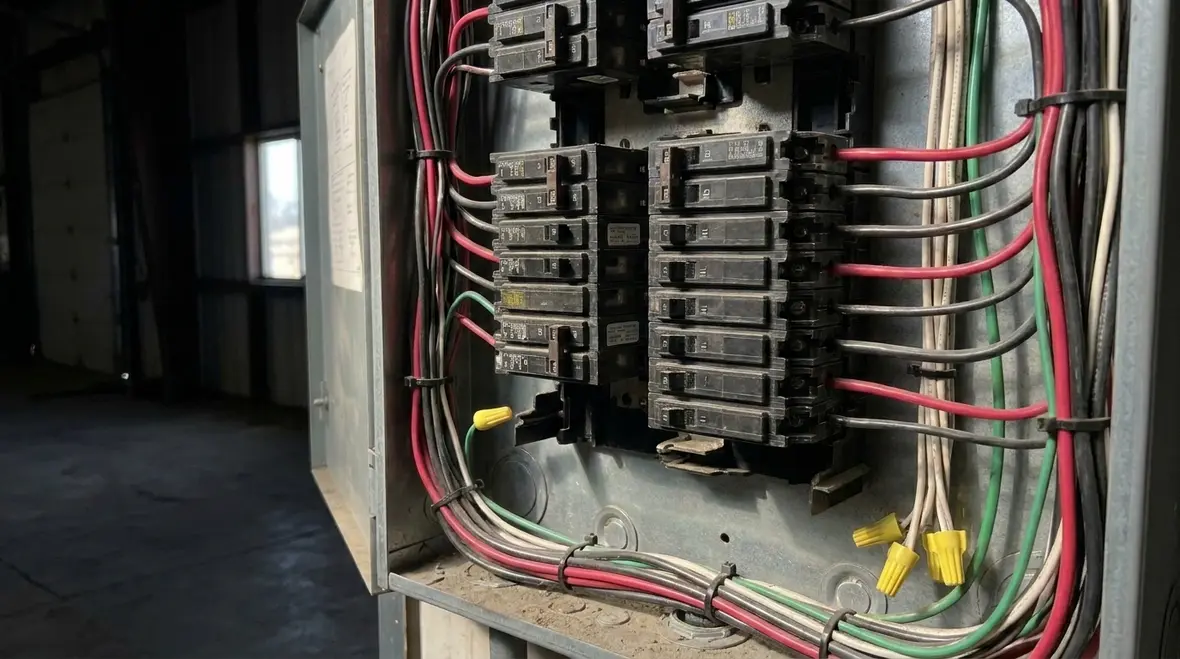
Let us talk about consequences, because they show up later in the form of expensive repairs. When conductors do not meet the NEC branch circuit minimum ampacity requirement, the risk is not theoretical. The conductor runs hotter than intended. Over time, insulation ages faster. Connections loosen under thermal cycling. That combination can lead to tripping, nuisance alarms, or in worst cases, failure at terminations.
In commercial and industrial facilities, those failures create operational problems fast. Floors close. Equipment shuts down. Production pauses. And then everyone starts looking for “the cause,” which often turns into blame. We prefer prevention, and we help facilities avoid that path.
Our teams also address a subtle issue: correction work. If sizing comes in wrong, the fix may not be as simple as swapping wire. Sometimes we must adjust raceway fill, revisit conduit routing, or change breaker selection. Thus, aligning with NFPA 70 Section 210.19 early keeps projects simpler and keeps costs predictable. Think of it like reading the assembly instructions before building the shelf. Sure, it feels slower. Later, it saves you from building a wobbly monument to regret.
Corrections, adjustments, and conditions that change the outcome
Another reason we take Section 210.19 seriously is that conductor ampacity does not live in a vacuum. Installation conditions can change how much current a conductor can safely carry. While the section lays out the minimum requirements for branch circuits, we still account for how the conductors sit in the building.
In the field, we commonly review items like these.
- Ambient temperature around the conductor, which can raise conductor operating temperature
- Number of current carrying conductors in a raceway or cable assembly
- Conductor insulation type and temperature rating
- Overcurrent protection alignment so the breaker and conductor act together
- Termination quality, because poor terminations can fail even when sizes are correct
When we find mismatches, we do not hand you a vague warning. We explain the issue, we show the math, and we propose a clean fix that works for commercial and industrial operations. Then our service staff follows through with testing and verification.
How Kord Electric supports compliance on major property builds
Because we focus on commercial and industrial facilities, we treat electrical compliance as part of the building’s uptime strategy. That means we coordinate with facility owners, general contractors, and engineering teams. We also communicate clearly so decision makers understand what the conductor rules protect and why we insist on proper sizing.
Our technicians explain NFPA 70 requirements with plain language, and we keep the process calm. Instead of burying clients in pages of code, we outline the key steps and point to what changes conductor size or minimum ampacity. Then we install with care and verify performance after the work is complete.
For facility teams that want a broader code overview while they refine branch circuit details, it often helps to pair this discussion with resources like Understanding NFPA 70: The National Electrical Code Explained for 2026, which connects big-picture NEC guidance to real project planning across commercial and industrial buildings.
If you need support for new construction, major renovations, or systems that are not performing reliably, we can help. And if someone asks for the “cheapest wire that still works,” we respond professionally, but firmly. Cheap is fine. Unsafe is not. Electrical systems deserve better than a budget gamble.
FAQ
Next steps with Kord Electric
If you manage a commercial or industrial facility, do not let branch circuit sizing become a last minute surprise. We help you plan electrical work that aligns with NFPA 70 rules and protects uptime. Contact Kord Electric to review your branch circuits, confirm conductor ampacity, and coordinate with your team for safe, clean installation. Our technicians explain the details in a way your staff can use, and our service keeps projects steady from design through verification. Reach out today and let’s keep your power reliable.
For facilities across the region that need full project support, our Los Angeles County electrical services overview shows how Kord Electric connects NEC-compliant planning with upgrades, troubleshooting, and long-term maintenance for complex commercial and industrial sites.
Whether you are refining a single branch circuit or coordinating a larger upgrade, our team is ready to align conductor sizing, protection devices, and field conditions so your system behaves the way the drawings promise, not the way guesswork allows.
When you are ready to move from planning to action, we help you apply NEC branch circuit minimum ampacity requirements with clear documentation, careful installation, and testing that gives you confidence before the first real load ever comes online.


