
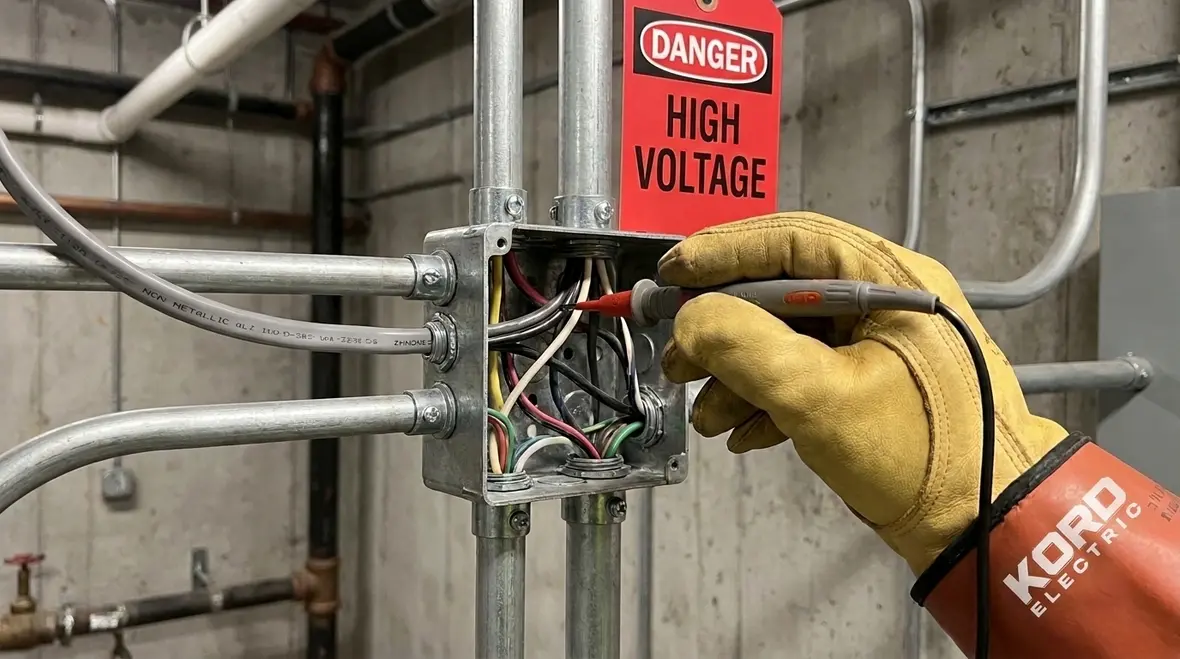
NEC Branch Circuit Sheath Requirements 334.116
Kord Electric helps commercial and industrial facilities keep electrical work safe and code ready, and that includes the details many people skip until something fails. Early on, we make sure teams understand the NEC branch circuit sheath concept and how it connects to real wiring runs inside walls, raceways, and building areas. In this article, we walk through NFPA 70 Section 334.116, which covers sheath requirements for branch circuit conductors. Then, we show how our expert service staff explains the “why” behind the rules, not just the words. Because when it comes to power systems, guesswork is like bringing a spoon to a wiring job: technically possible, but nobody should bet on it.
NEC branch circuit sheath and why it matters in 334.116
In many commercial and industrial buildings, branch circuit conductors travel through spaces that face heat, physical stress, and moisture risks. As a result, the NEC does not treat insulation and protection as a one time decision. It demands a system approach. Section 334.116 focuses on the sheath requirements that support safe use of certain cables and installations. Therefore, when a facility chooses cable types and installation methods, it also commits to how those cables resist damage and how they stay safe under normal operation.
Now, Kord Electric has technicians who explain this in plain terms during field reviews. For example, they help others see that a cable can be “installed” but still fail inspection if the sheath and protection do not match the code level for the conductor use and the environment. In other words, the sheath is not decorative. It is part of the electrical safety barrier.
From there, we move to what the code actually expects, because the goal is not to memorize sections. The goal is to build and maintain a compliant electrical system that keeps people safe and operations steady.
What Section 334.116 requires for branch circuit conductors
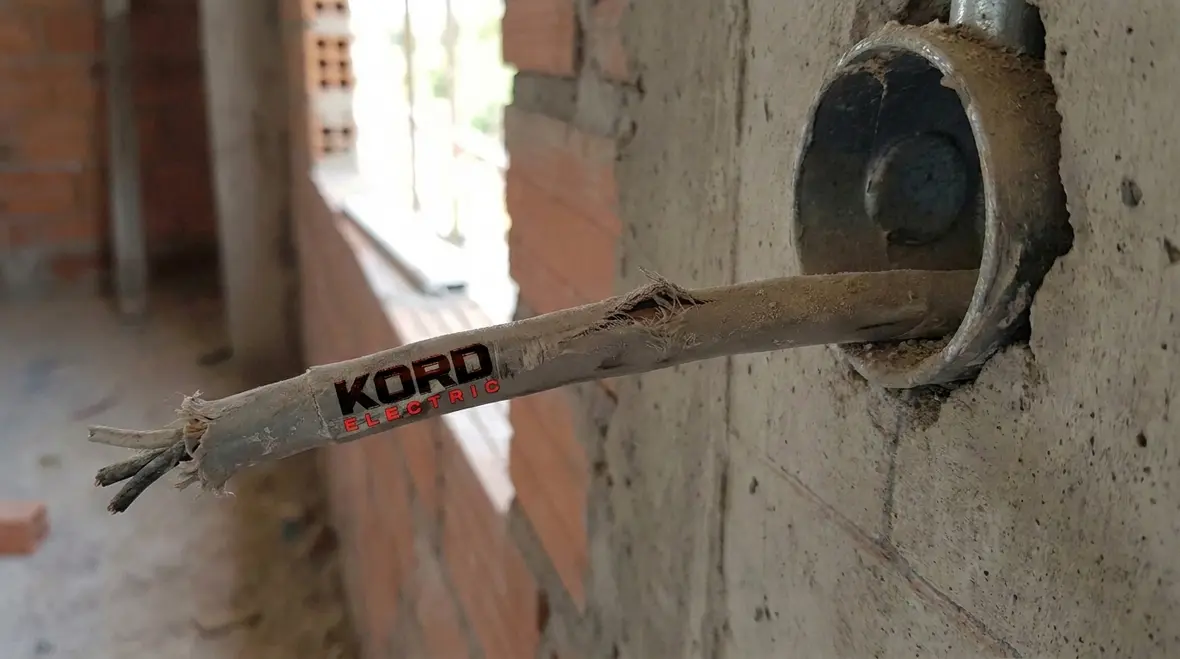
NFPA 70 Section 334.116 addresses the sheath used with branch circuit conductors in cable assemblies that fall under the relevant wiring method. The rule focuses on the sheath’s ability to protect conductors during installation and throughout the cable’s service life. So, it is about the outer layer and how it performs when the building creates real-world stress.
In practice, our expert service staff often finds two common issues. First, design teams select cable types without checking how the sheath is permitted for the intended environment. Second, installation changes during construction, like altered routing paths or added penetrations, can push a cable outside the conditions assumed at design time. Then, everyone argues, nobody owns the fix, and that is usually when the project schedule starts to look like a sitcom.
To avoid that, we recommend that facilities treat 334.116 as a design and construction coordination checkpoint. They should verify the sheath requirements early, then confirm them again at rough in and before energization. In doing so, commercial and industrial property owners reduce rework and avoid costly shutdowns.
How “sheath” connects to installation environment and inspection
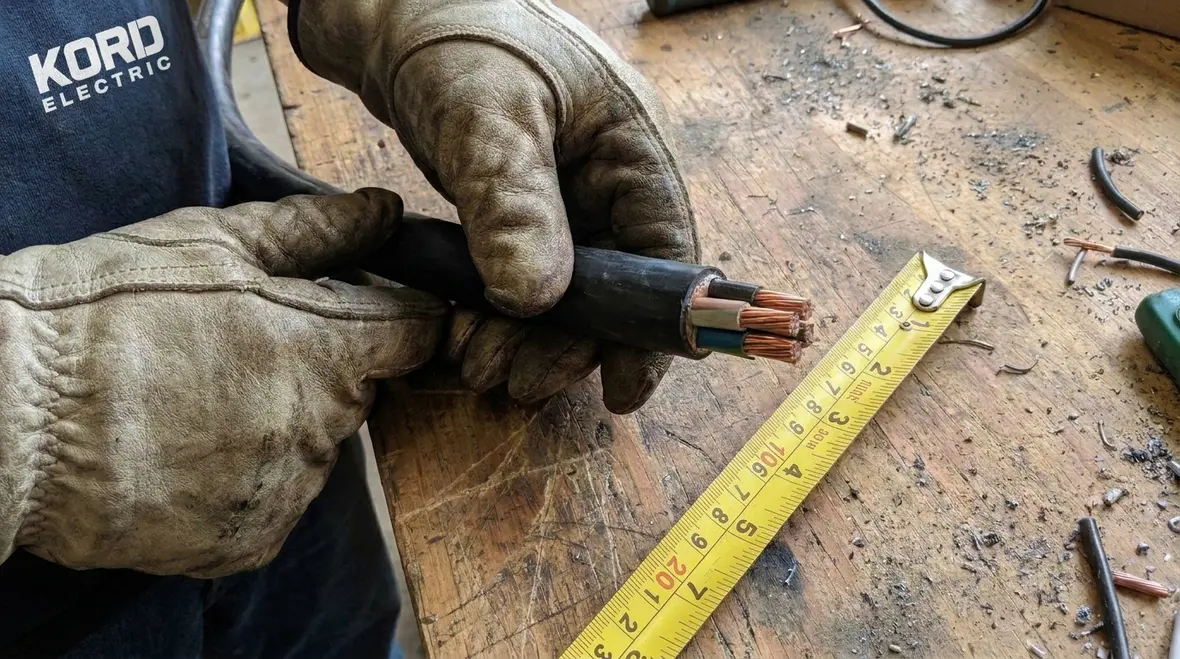
Section 334.116 cannot be read like a standalone sentence. It interacts with where the conductors run, how they are protected, and what the building environment looks like. Therefore, the sheath requirements become part of the installation story.
Here is how that plays out in the field. When a cable routes through a high traffic area, near maintenance access points, or through spaces where future work may disturb it, the outer protective layer matters. Additionally, moisture exposure, condensation risk, and temperature swings can stress cable systems over time. So even if the conductors are properly insulated, an inadequate sheath or a sheath that does not fit the wiring method can compromise the safety goal.
During inspections, the inspector typically looks for alignment between the selected cable, the sheath requirement, and the installation method. Consequently, our technicians encourage documentation that ties each run back to its design intent. That can include labeling, cable schedules, and a clear record of how paths were chosen and protected. By handling that detail, Kord Electric helps facilities pass inspection with less drama and more confidence.
Common mistakes commercial teams make with cable sheaths
Because commercial and industrial projects move fast, some teams treat cable sheath rules as “later.” Then later arrives, and the system does not match the plan. As a result, we often see a few predictable mistakes.
Selecting cable by availability alone. Teams sometimes swap products due to lead times without checking sheath allowances for the intended wiring method and environment.
Routing changes without a sheath check. When pathways shift, the cable can face conditions that the sheath was not meant to handle.
Skipping pre energization verification. Even when the design was right, the field can deviate. We urge facilities to verify sheath and protection details before turning power on.
Assuming raceway protection replaces sheath concerns. In some setups protection helps, but it does not erase sheath requirements. The system still has to meet the NEC expectations for that cable type and installation.
And yes, we have heard the classic line: “It worked on the last site.” That statement can be true and still fail code here, because every building has its own setup. Code compliance is not a rumor. It is a measurable requirement.
When our technicians spot issues, they explain the cause and the fix. We keep it business casual and practical, because facility teams need decisions they can approve, not lectures they will ignore.
Best practices we use to keep NEC compliance steady
Kord Electric serves commercial and industrial facilities, so we focus on repeatable processes that reduce risk across multiple projects and maintenance cycles. Therefore, our best practices look beyond the cable roll and aim at the full chain from design to closeout.
Design stage coordination
We help teams align cable selection with the building’s intended wiring method and routing environment. Then, we document how the NEC branch circuit sheath requirements apply. This reduces late swaps and helps electrical contractors build with clarity.
Construction stage checks
Our technicians verify sheath and protection details during install and before energization. Additionally, they confirm labeling, routing, and transitions at penetrations and junction areas. This matters because small deviations often lead to inspection problems later.
Maintenance and change management
Buildings change. Tenants request upgrades. Facilities expand. When that happens, we encourage a change review that includes sheath and protection impacts on existing branch circuit conductors. That way, maintenance work does not quietly turn a compliant system into a questionable one.
If you want a wider look at how the NEC is structured and how code updates influence real projects, we align our approach with the guidance discussed in resources like Kord Electric’s Understanding NFPA 70: The National Electrical Code Explained for 2026 and related NEC coverage from Kord Fire and Kord Fire Australia.
For facilities that also face life safety and fire pump system planning, teams often benefit from cross discipline coordination. In those cases, guidance from organizations like firepumps.org helps teams understand how electrical and fire protection planning connect in the real world.
Where Kord Electric fits into your inspection and compliance plan
Code compliance is not a single event. It is a process that keeps working after the first inspection. Kord Electric supports that process for commercial and industrial facilities and major property buildings through expert service staff who explain the “why” behind the rules and verify the details that move projects forward.
In addition, we help teams interpret what Section 334.116 means for cable selection, installation environment, and safe operation. We also help them avoid the kind of rework that interrupts production, delays occupancy, or forces expensive shutdown windows.
So, if your team is planning new construction, planning a major retrofit, or managing electrical upgrades in an occupied facility, we can help you build a clear compliance path. And unlike that one coworker who always says “trust me,” we do the verification with evidence, not vibes.
For multi-site owners or those operating large properties in Southern California, our support often connects code details like NEC branch circuit sheath usage with broader service programs such as Los Angeles County electrical services for commercial and industrial facilities. That way, planning, upgrades, and maintenance all line up with the same compliance strategy.
FAQ about NFPA 70 Section 334.116 and sheath requirements
Conclusion and call to action
Kord Electric helps commercial and industrial facilities handle NFPA 70 Section 334.116 with clarity and confidence. Our expert service staff explains the NEC branch circuit sheath expectations in a way your teams can use, then we verify the details that inspections actually require. If you are planning a retrofit, managing upgrades, or tightening compliance before energization, reach out to us. We will help you reduce rework, protect your schedule, and keep your electrical system built for the long run.


