
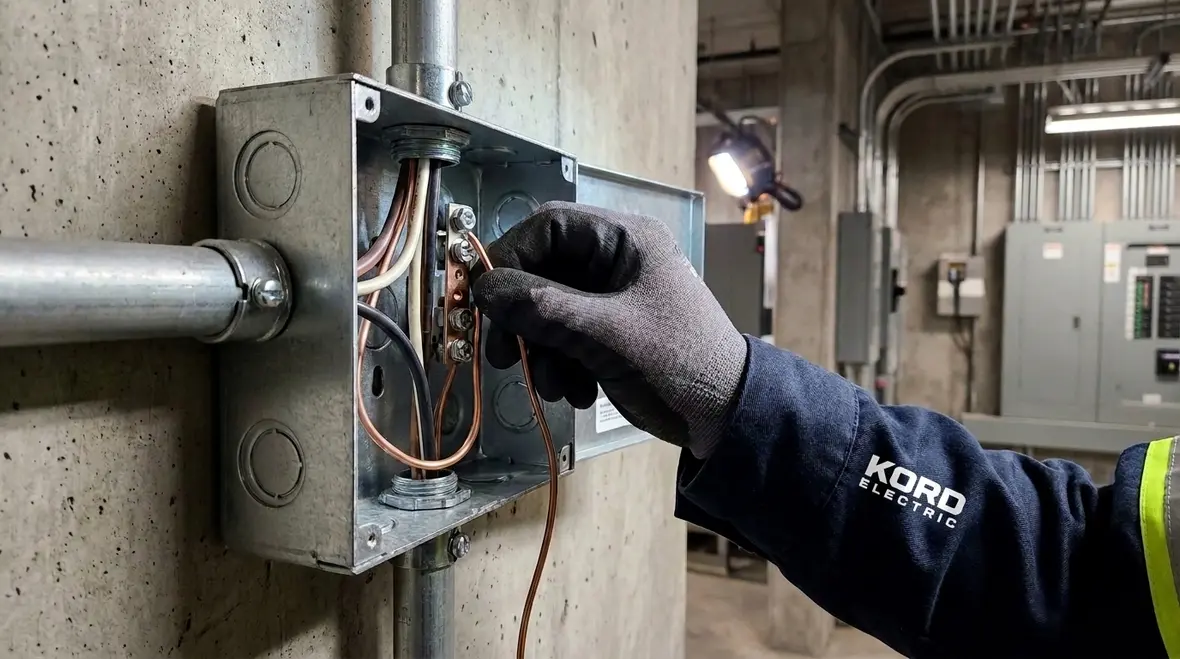
NFPA 70 Section 334.108 Branch Circuit Grounding Guide
At Kord Electric, we help commercial and industrial facilities keep their electrical systems calm, safe, and built to last. In this guide, we focus on the NEC branch circuit grounding conductor, especially as described in NFPA 70 Section 334.108. Early on, we explain what this means in plain terms: the grounding path protects people and equipment when something goes wrong. Then, we slow it down and walk through the why, the how, and what we check in the field. Our technicians and expert service staff explain these rules directly, because nobody should need an engineering degree just to understand why a circuit needs a solid ground. And yes, we have seen the results when grounding gets skipped, like a sitcom plot twist no one asked for.
1) Why NFPA 70 Section 334.108 matters for grounded safety
In commercial and industrial electrical work, mistakes can scale fast. Therefore, grounding rules exist to control risk when faults happen. Under NFPA 70 Section 334.108, the equipment grounding conductor in branch circuits plays a key role. It provides a low impedance route for fault current back to the source so protective devices can clear faults. As a result, equipment stays safer, and personnel face less danger.
Now, here is the part people often miss. Grounding does not “prevent” every failure. Instead, it helps the system respond in a predictable way. Moreover, when the grounding path works as intended, it supports correct operation of overcurrent protection, helps limit damage, and reduces the chance of energized exposed parts.
Our team at Kord Electric, and our expert service staff, explain this with real jobsite examples. We see facilities where conductors were routed without a proper bonding plan. Then, a simple fault event turns into a bigger repair project, because the protective device did not trip cleanly the first time. In other words, the electrical system behaved like it was improvising jazz, and the facility did not pay for that.
2) Equipment grounding conductor basics, explained the Kord way
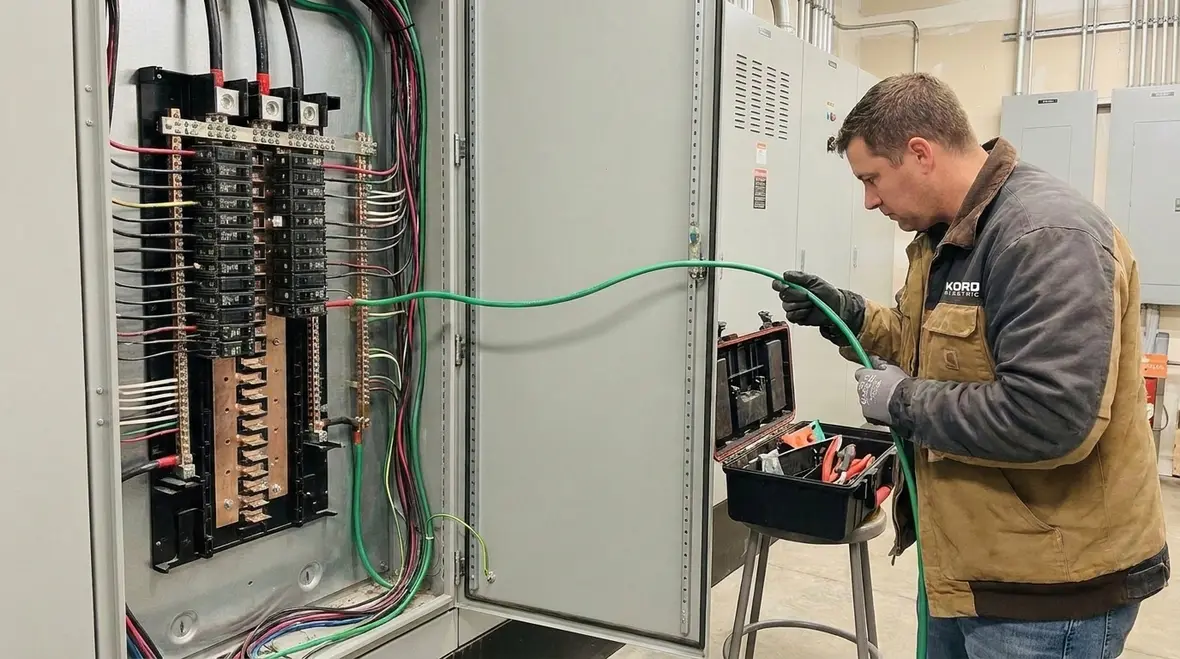
To understand NEC branch circuit grounding conductor requirements, we start with what the conductor does. The equipment grounding conductor connects normally non current carrying metal parts and helps direct fault current safely back to the source. In branch circuits, this conductor ties together the grounding system so fault current follows the intended path.
Then, we look at what Section 334.108 expects for the specific wiring method covered by the rule. In practice, the grounding conductor must be sized and installed so it meets the NEC requirements for that branch circuit. It also must remain continuous where required and connected where bonding is needed.
When our technicians work on conduit and wiring systems at major property buildings, we treat this like a foundation detail. If the foundation is weak, everything else looks fine until the first heavy load shows up. Likewise, if the grounding path is wrong, the system might work for a while, then fail at the worst time.
For facility leaders who want a broader view of how grounding fits into the code, our team often points them to our educational resource Understanding NFPA 70: The National Electrical Code Explained for 2026, which frames how these detailed rules support everyday safety and reliability decisions.
3) How branch circuit grounding connects the full fault path
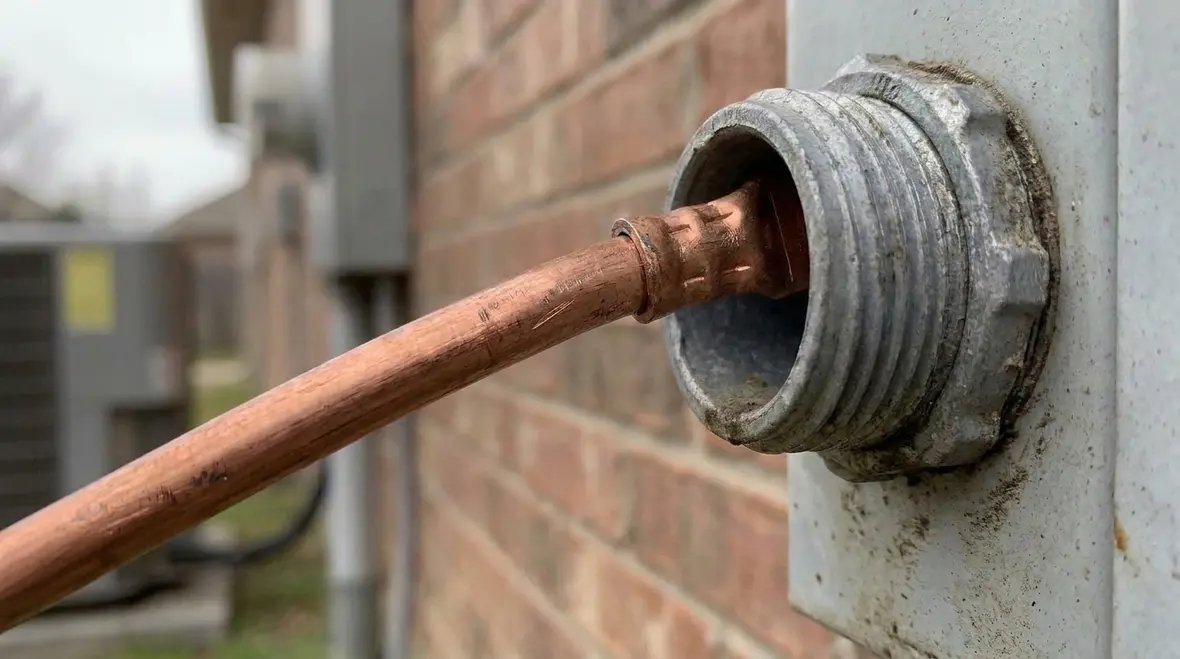
Some people think grounding is a single wire and a handshake with the nearest metal box. In reality, grounding works as a chain of connections. Therefore, the NEC branch circuit grounding conductor must connect the following parts in a way that supports fault clearing. It links metal enclosures, raceway systems, boxes, and device grounding terminals back to the source grounding point.
As the fault current flows, the system must provide a path back that allows protective devices to operate. At that point, the breaker, fuse, or other overcurrent protective device can clear the fault. Meanwhile, the equipment stays closer to safe potential, which reduces shock risk and limits damage.
We also pay attention to routing and connection quality. A grounding conductor that runs through the wrong fittings, or that loses continuity at a coupling, can break the chain. Consequently, we inspect for correct termination, proper bonding, and secure connections.
Think of it like a fire alarm system. If one device breaks the loop, the panel may not react the way it should. Grounding behaves similarly. It either completes the fault path, or it does not.
4) What we verify during installation and service for property buildings
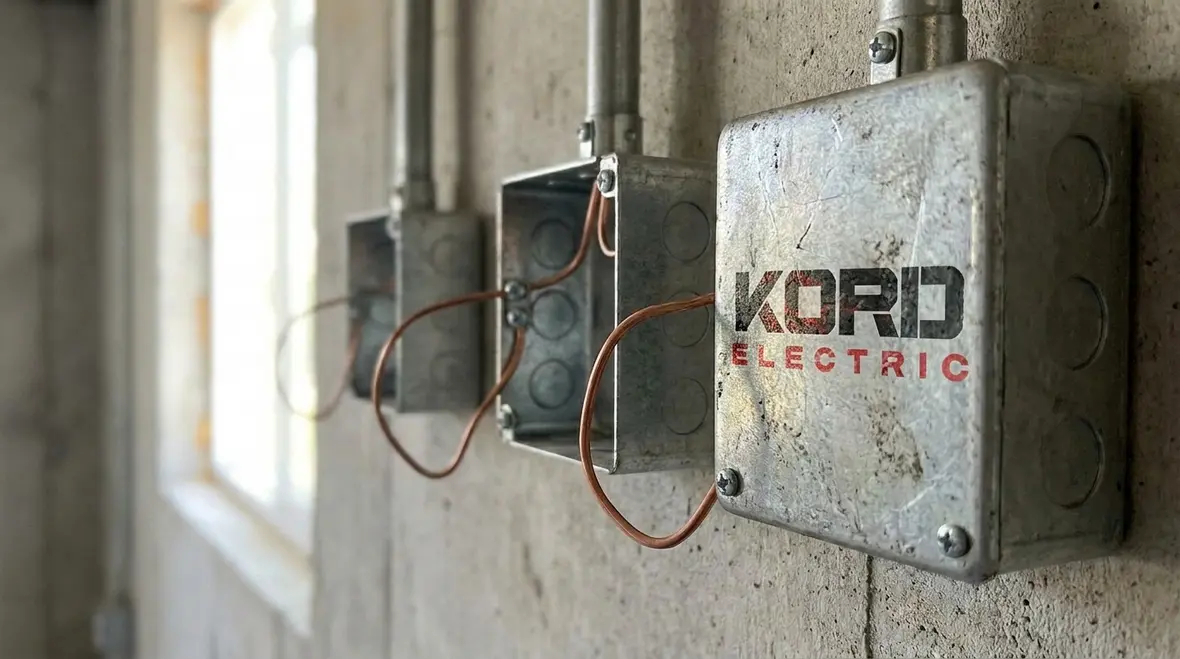
Kord Electric supports commercial and industrial facilities, not one off residential projects. Because of that, our inspections and service focus on system level performance. When our technicians handle branch circuit grounding, we verify details that matter long after the first inspection sticker disappears.
Here is what we check, step by step:
- Conductor sizing matches NEC requirements for the circuit type and overcurrent protection design
- Continuity stays intact through raceways, fittings, boxes, and transitions
- Bonding points connect all required metal parts without relying on paint or corrosion barriers
- Termination quality stays secure at device grounding lugs and enclosure bonding points
- Routing avoids damage, excessive bending, and locations where the conductor could be compromised later
- Documentation tracks as built conditions so future maintenance does not guess
To keep things clear, our expert service staff explains what they find and why it matters. Then, we recommend corrective action when needed. For large property buildings, that approach saves time and reduces downtime risk, because you do not want electrical work turning into a mystery novel.
5) Common field issues we see with grounding in branch circuits
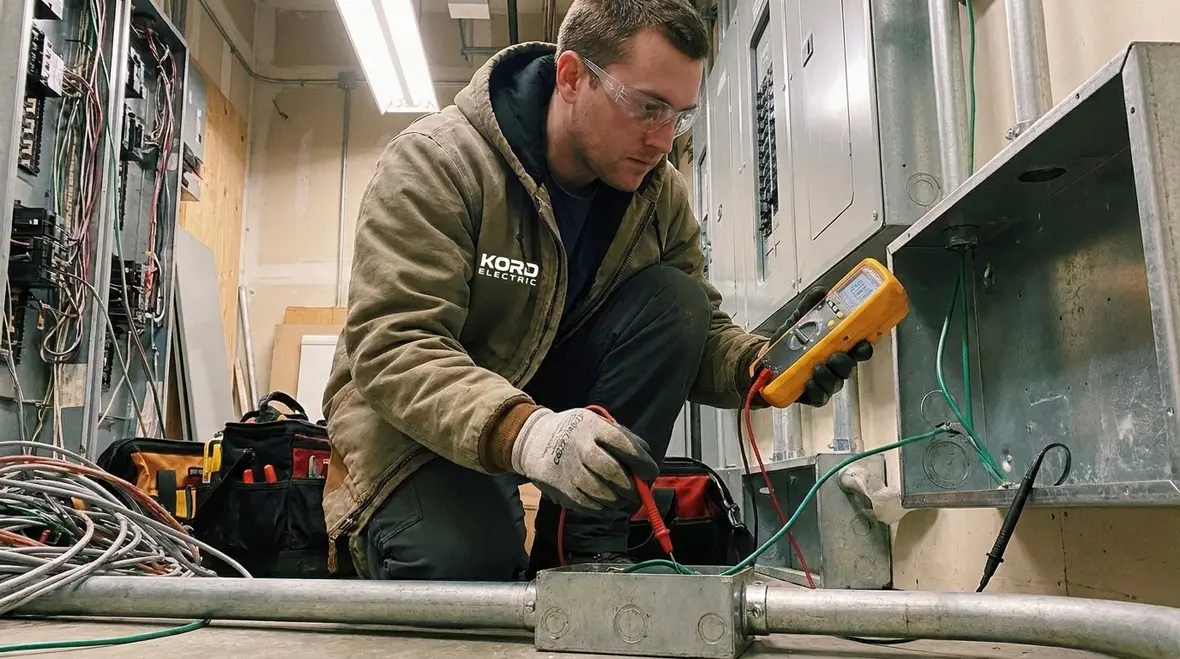
In real projects, the biggest problems rarely come from one dramatic mistake. Instead, they come from small choices that stack up. Therefore, we watch for recurring issues that can weaken the NEC branch circuit grounding conductor function.
Examples include:
- Grounding conductors installed but not properly bonded at enclosures or couplings
- Improper handling at device boxes, where termination quality varies
- Misrouted conductors that experience physical stress during construction or renovation
- Relying on conduit threads or painted surfaces for bonding instead of proper bonding methods
- Transitions where continuity gets lost during additions or tenant improvements
When we correct these issues, we do it with a safety first mindset. Moreover, we align with the NEC and the facility’s electrical design intent. We also coordinate with facility teams so repairs do not disrupt operations more than necessary.
If you have ever watched a superhero movie where one small device fails and suddenly the whole plan collapses, you already understand the theme. Grounding issues can feel small until the moment they matter.
6) How NFPA 70 fits into the bigger safety plan for facilities
NEC rules do not live alone. They sit inside a broader safety framework that includes maintenance plans, testing, and compliance goals. When our team supports commercial and industrial facilities, we connect grounding practices to the rest of the electrical protection approach.
For example, the National Electrical Code supports safe design and installation. In addition, facility teams often look at risk control under standards and local enforcement. Resources like the NEC explain the “what,” while service experience shows the “how it behaves in the field.” That is why we keep the conversation practical.
Kordfire also emphasizes the role of code driven safety and careful electrical thinking, and we agree with the same core message: the right design and correct installation help protect people, property, and operations. And yes, we know fire safety and electrical safety are different topics, but in the real world they overlap more often than people admit.
7) A quick note on coordination for major property buildings
Major property buildings often involve multiple contractors, phased construction, tenant work, and frequent upgrades. So, we coordinate grounding work across the project timeline. First, we review existing conditions where possible. Then, we plan routing and bonding so additions do not break continuity.
Next, we work with facility managers and general contractors to schedule work when downtime is lowest. Finally, we document changes so the next service call does not become a scavenger hunt.
Our goal stays simple: we make the system more reliable, safer, and easier to maintain. That is how we earn trust with commercial and industrial clients, and that is how we reduce surprises during inspections and future repairs.
For facilities across Southern California that need this level of planning and execution, our Los Angeles County electrical services team supports everything from new branch circuit installations to code-focused grounding upgrades.
8) FAQ for Section 334.108 and branch circuit grounding
Conclusion: Let our technicians handle your grounding with code focus
If you manage a commercial or industrial facility, grounding is not a “set it and forget it” task. We at Kord Electric help you apply NFPA 70 rules correctly, including NFPA 70 Section 334.108, so your branch circuits maintain safe fault paths and dependable operation. Our expert service staff explains what we find, then fixes issues with careful planning to reduce downtime. Contact us for an electrical service review, installation support, or code focused troubleshooting. We bring calm to busy buildings, and we keep your electrical system from writing its own bad comedy.
For facility teams that also need to connect grounding practices to broader NEC planning, our educational content on topics like NFPA 70 fundamentals for 2026 helps link detailed branch circuit rules with long term design and maintenance choices.


