

NEC Cable Insulated Ampacity NFPA 70 Section 310.18
When a facility team asks about NEC cable insulated ampacity, we do not answer with guesswork or vibes. We start with the number the code expects and then we translate it into safe real world choices. In this article, Kord Electric explains how NFPA 70 Section 310.18 controls the ampacity of insulated conductors in cables, and how our technicians and expert service staff help commercial and industrial buildings apply those rules the right way. Because in the field, “close enough” usually turns into “not close enough,” and the electrical system does not care about your calendar. To keep things calm and clear, we will walk through what the rule means, how to read it, and how to avoid common mistakes in property buildings where uptime matters.
What NFPA 70 Section 310.18 really controls in cable designs
NFPA 70 Section 310.18 sets the maximum current a conductor can carry based on the insulation and the temperature rating, when that conductor is part of a cable. In other words, it tells electrical professionals what the conductor can handle without exceeding the limits the code uses for safe operation. Then, once that base limit is known, other sections can apply further adjustments, like how many conductors share the same raceway, ambient temperature, and installation conditions.
So why do we care so much? Because thermal rise affects conductor insulation, terminations, and the long term performance of the entire circuit. Therefore, a conductor that is “electrically fine” on day one can become a heat problem later if the design ignores ampacity rules.
Our technicians often see the same storyline. Someone sizes conductors for load calculations, then assumes the cable will “just take it.” However, the cable is not a lucky charm. It is a heat management system with an attitude.
NEC cable insulated ampacity starts with insulation type and temperature rating
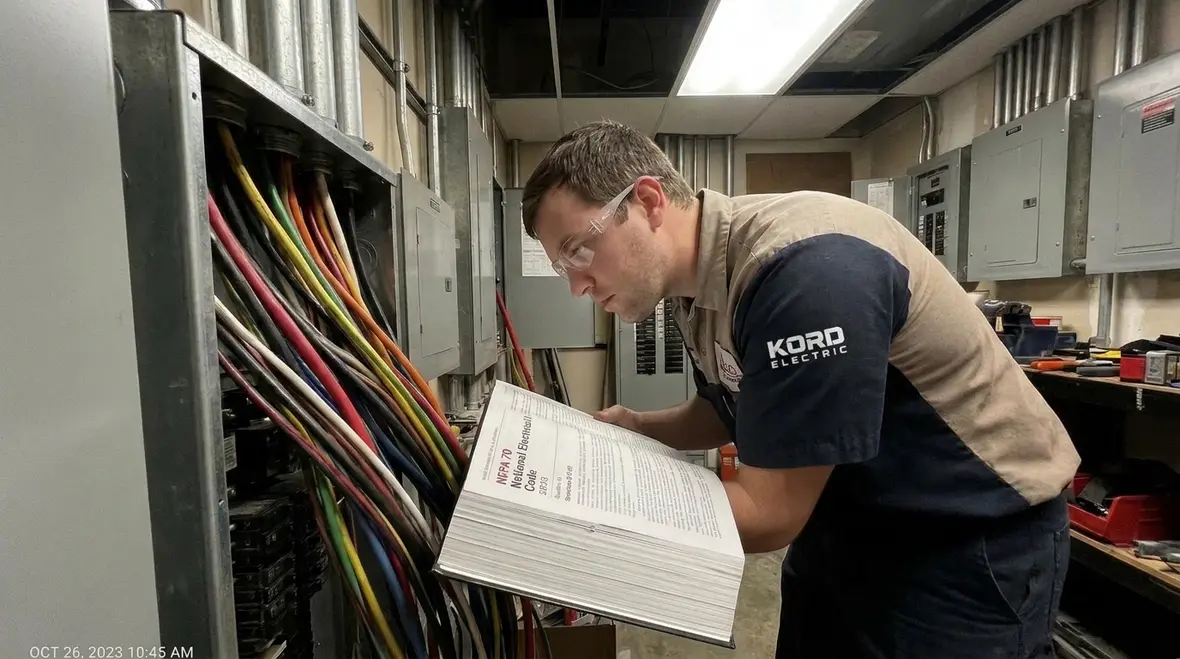
Section 310.18 uses insulation details to determine ampacity values. Typically, the conductors in cables include insulation that falls into categories the NEC tables track by temperature rating and construction. As a result, the same conductor size can have different ampacity depending on insulation type.
In practical terms, our expert service staff looks at the cable spec, confirms insulation temperature rating, and then matches that to the correct ampacity data. From there, we verify that the conductor is not only sized for the load but also permitted for the installation method and environmental conditions.
Some teams try to simplify this by using “one conductor fits all” thinking. Yet insulation chemistry, jacket material, and rating matter. If the insulation cannot withstand the temperature rise expected under load, then the ampacity rule exists for a reason, not for decoration.
For facility teams who want a broader code context alongside Section 310.18, Kord Electric also shares educational resources that explain the National Electrical Code structure and 2026 direction, including their in depth guide to the National Electrical Code and related articles on how NFPA 70 shapes real projects across commercial and industrial facilities.
How to read the ampacity table workflow in the real world
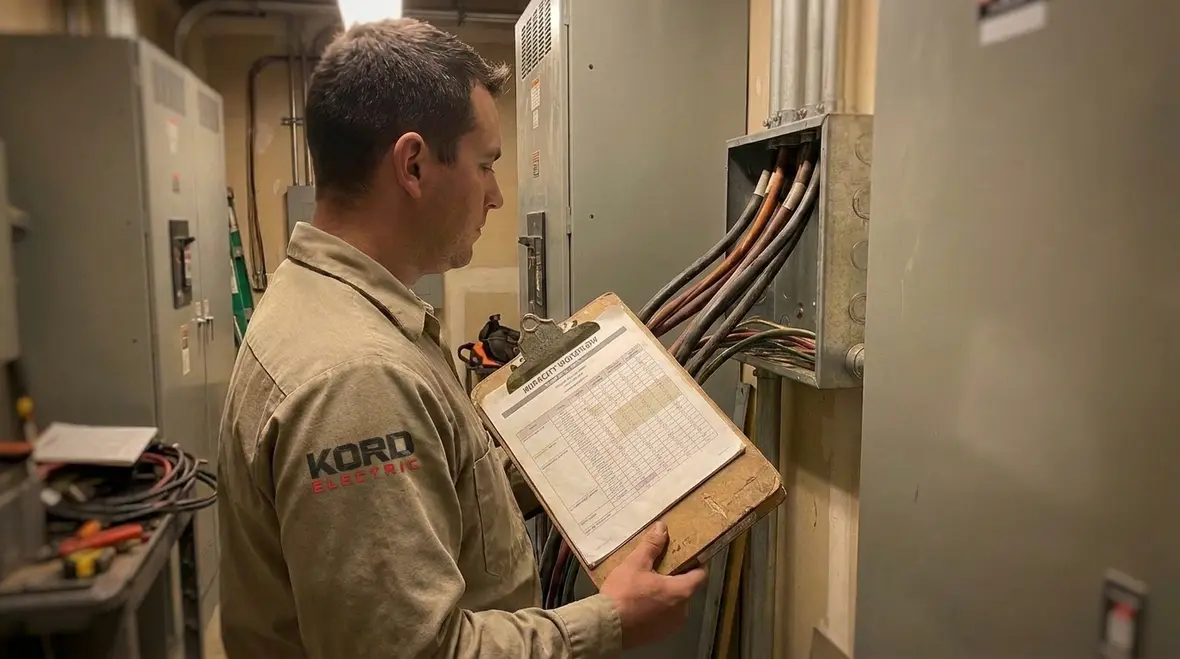
Instead of treating Section 310.18 like a scavenger hunt, we use a predictable workflow that our commercial and industrial clients can audit. First, we identify the conductor size and insulation type within the cable assembly. Next, we locate the ampacity value the code specifies for that insulation and temperature rating. Then, we compare that ampacity against the circuit’s expected load after relevant adjustments.
At this point, we also check installation details that commonly affect the final allowable current. For example, some circuits involve bundled cables, multiple circuits in the same area, or long runs that sit in warm spaces. Even if a design looks right on paper, ambient temperature and grouping can push the circuit toward the limit.
Our approach stays calm and methodical because the goal is steady, safe operation for major property buildings. And yes, we occasionally have to explain to building stakeholders that electrons do not stop being hot just because someone installed a nice panel. They follow the rules.
When teams want to connect this workflow to the larger NEC picture, we often point them toward companion explainers from both Kord Electric and Kord Fire that describe how NFPA 70 updates for 2026 influence design decisions, inspections, and long term electrical reliability planning.
Temperature and installation conditions: the parts that quietly steal margin
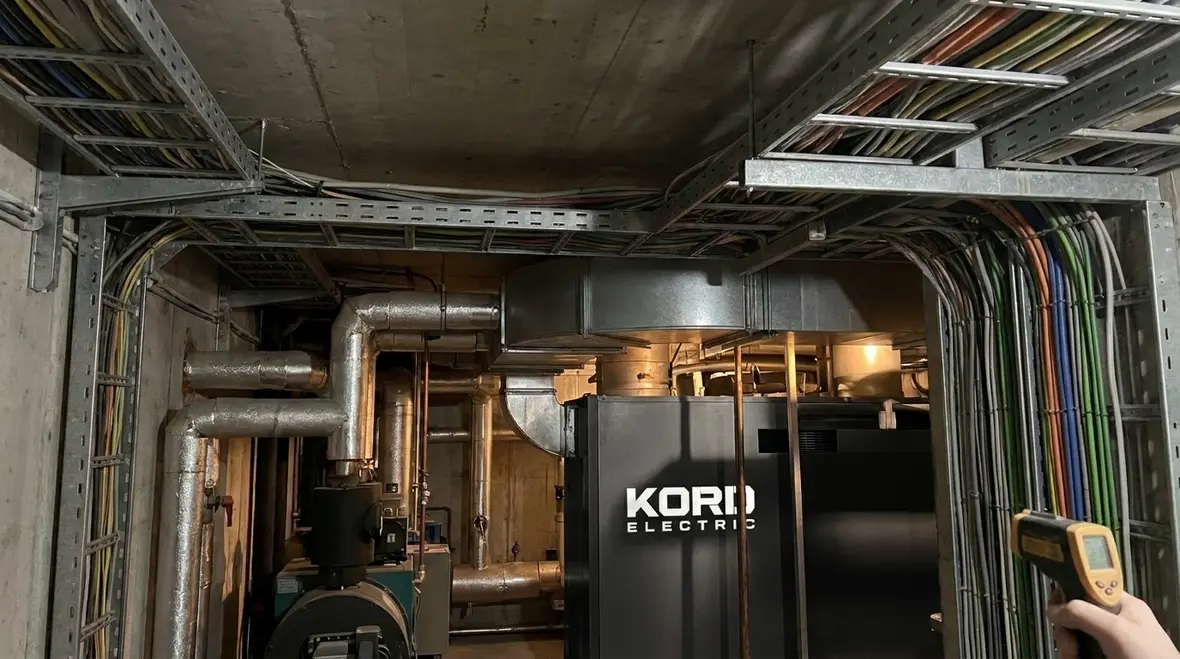
Even when the insulation rating and conductor size look perfect, the installation conditions can reduce usable capacity. Therefore, Kord Electric pays special attention to the practical environment where the cable will live.
Key factors include how many current carrying conductors share the same space, whether the cable is installed in a way that traps heat, and the surrounding temperature. If you install conductors in a crowded pathway, the system does not magically cool itself. Instead, it adds heat to itself, and then the ampacity math starts to matter more.
We also review termination points because heat travels through the whole circuit chain. When ampacity is right but terminations are wrong, the terminations can still overheat. So our technicians check torque, connection integrity, and the condition of lugs and equipment blocks. That is where good engineering meets steady workmanship.
In many commercial and industrial facilities across Los Angeles County and Southern California, this attention to real world temperature and installation conditions is paired with broader electrical reliability strategies, including surge protection, preventive maintenance, and code upgrade consulting that Kord Electric delivers as part of its commercial service offerings.
Common mistakes we see on commercial and industrial job sites

After years of field service for major propertie buildings, we have a short list of mistakes that repeat like a sitcom rerun.
- Using the right wire size for the wrong ampacity basis, where insulation rating does not match the conductor ampacity source.
- Ignoring adjustments, where code requires reductions due to grouping or high ambient conditions.
- Assuming cable assemblies act like single conductors, even though the installation method and arrangement can change thermal behavior.
- Skipping verification during commissioning, where load conditions and installed routing differ from the original assumptions.
In fairness, the NEC can feel like it was written by a committee of night owls. Yet it exists to stop real problems before they show up in the form of nuisance trips, service interruptions, or worse. And because Kord Electric only targets commercial and industrial facilities and major property buildings, we focus on solutions that keep operations stable, not just compliant on day one.
We also remind teams that NEC cable insulated ampacity usage connects directly to other reliability topics, such as electrical connection quality, grounding for nonelectrical equipment, and overcurrent protection performance. When any one of those pieces drifts from the code basis, the margin you thought you had can quietly disappear.
Clear communication for facility teams: what our experts explain
Many facility managers do not want a textbook lecture. They want a plan that keeps the building running and keeps their risk low. So our expert service staff translates NFPA 70 Section 310.18 into decisions teams can use.
For example, we explain what the ampacity rule does, where it shows up in the design package, and how it connects to cable specs. Then, we show how to document the basis so inspections and internal reviews stay smooth.
To help teams visualize the process, we provide a dual column comparison during project planning. This is not for decoration. It helps teams align design intent with installed reality.
| Design Step | What We Verify |
| Confirm cable assembly and insulation | Matches conductor ampacity basis in the code tables |
| Apply ampacity from Section 310.18 | Ensures base conductor rating supports the circuit load |
| Account for installation conditions | Checks ambient, grouping, and heat trapping arrangements |
| Verify terminations | Checks connection quality to prevent local overheating |
For facility leaders who like to connect each design step to a bigger roadmap, Kord Electric often pairs this communication with broader NEC explainers on topics like multiwire branch circuits, AHJ enforcement expectations, feeder diagram requirements, and the general “What is NFPA 70” overview available in their National Electrical Code series. That way, Section 310.18 does not feel like an isolated rule but part of a consistent, readable framework.
Where NEC cable insulated ampacity fits with the larger NEC approach
Section 310.18 does not exist alone. It anchors the starting point for ampacity of conductors, then other NEC sections influence whether the final value allows safe operation. Therefore, good electrical design treats ampacity as one part of a full safety chain.
Kord Electric coordinates this mindset on commercial and industrial facilities, where the cost of an error can be high and the downtime can be brutal. We align cable ampacity decisions with load calculations, protection device coordination, and the installation constraints the field actually delivers.
If you are considering upgrades for a data center, a manufacturing line, a multi building campus, or a major property building, we help you plan conductor sizing so the system stays stable under normal loads and realistic growth. Nobody wants to rework a cable routing job because the ampacity basis was chosen like a coin flip. We bring engineering discipline and a steady hand.
As facility strategies evolve toward the 2026 NEC direction, many teams also review related resources such as NFPA 70 overviews from Kord Fire and Kord Electric. Those explainers highlight how concepts like grounding, overcurrent protection, and equipment connection quality tie into the same safety story that begins with accurate ampacity selection for cables and conductors.
When your project reaches the point where design choices turn into field work, Kord Electric’s commercial and industrial services across Los Angeles County help keep the entire chain intact—from code conscious design reviews and cable selection to installation, testing, documentation, and ongoing maintenance that respects both NEC expectations and your operational schedule.
FAQ
Conclusion and next step with Kord Electric
Kord Electric helps commercial and industrial facilities apply NFPA 70 Section 310.18 with precision, so your electrical system operates within safe limits and stays dependable. Our technicians and expert service staff explain the ampacity basis clearly, check installation conditions that affect heat, and verify that terminations perform like they should. If you want a review of your cable selection, conductor sizing, or planned upgrades for a major property building, contact us. We will bring calm engineering and practical field experience, not guesswork.
When your project requires more than a single circuit review, our team can support full commercial and industrial scopes across Southern California. From NEC cable insulated ampacity checks to panel upgrades, feeder diagram updates, and connection quality verification, we align our work with the comprehensive commercial and industrial offerings described on Kord Electric’s Los Angeles County electrical services page so that design, field work, and long term maintenance all follow the same code conscious plan.


