
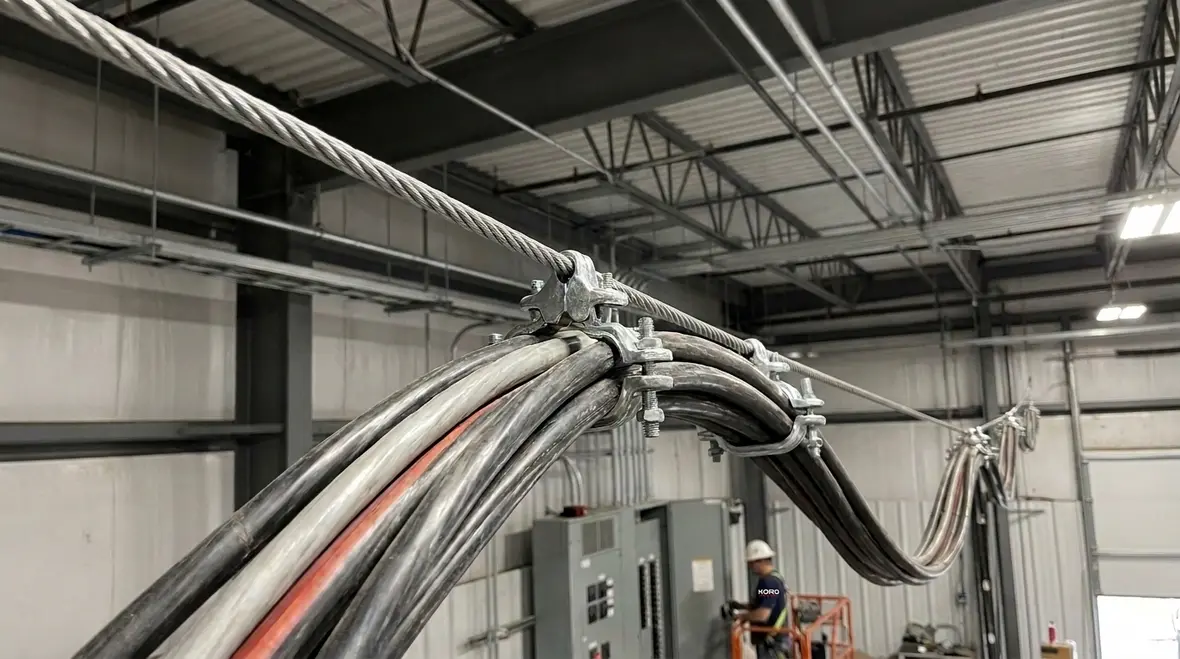
NEC Messenger Supported Conductor Ampacity Section 310.20
At Kord Electric, we get asked a lot about NEC messenger supported conductor ampacity and what it means for real jobs, not just textbook ones. In practical terms, NFPA 70 Section 310.20 tells us how much current a conductor can carry when it is supported by a messenger in certain cable and wiring setups. And yes, the wording can feel like it was written by someone who never had to pull wire in a live building. Still, our technicians and expert service staff break it down clearly for commercial and industrial facilities, so your system stays safe, code compliant, and ready to perform when business counts on it.
Why NFPA 70 Section 310.20 matters for messenger supported runs
When an electrical contractor installs conductors on a messenger, the installation method changes how heat builds up. Heat changes how insulation ages, and insulation aging changes how long the system stays reliable. Therefore, Section 310.20 becomes more than a rule on paper. It becomes a practical limit that helps you choose conductor size correctly.
In a lot of commercial and industrial property work, we see the same pattern. People pick a conductor size based on one part of the code, and then they forget that the conductor is installed in a specific way. Consequently, they may end up with conductor temperatures that run higher than expected. That is where the NEC messenger supported conductor ampacity concept starts doing real work.
Our technicians walk job sites and compare the actual installation to what the code expects. Then we translate those code requirements into decisions you can use, like selecting ampacity values that match the wiring method. And if you ever wondered whether electricians think about physics at 8 a.m., we do. Just quietly. Like adults. Most days.
What ampacity really means in the field
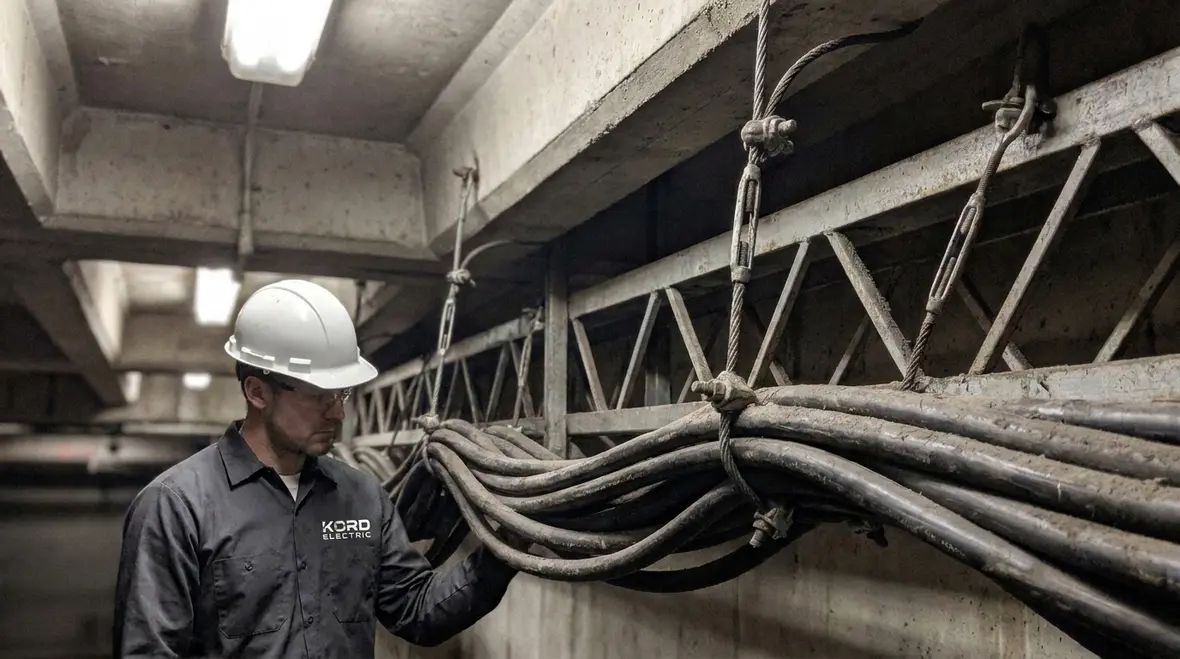
Ampacity is the current a conductor can carry without exceeding safe temperature limits. However, the “without exceeding limits” part depends on more than conductor metal. It depends on how heat escapes. For messenger supported conductors, heat dissipation can differ from other installation types.
So, when we apply NFPA 70 Section 310.20, we do more than look up a number. We match conditions like insulation type, conductor count, ambient temperature, and the way the messenger supports the cable. Then we confirm the system design still fits the needs of the facility.
In other words, ampacity becomes a design tool. It helps a facility owner avoid future upgrades that happen because someone guessed wrong during original planning. And those upgrades can be expensive in major property buildings, where downtime is not just inconvenient, it is disruptive.
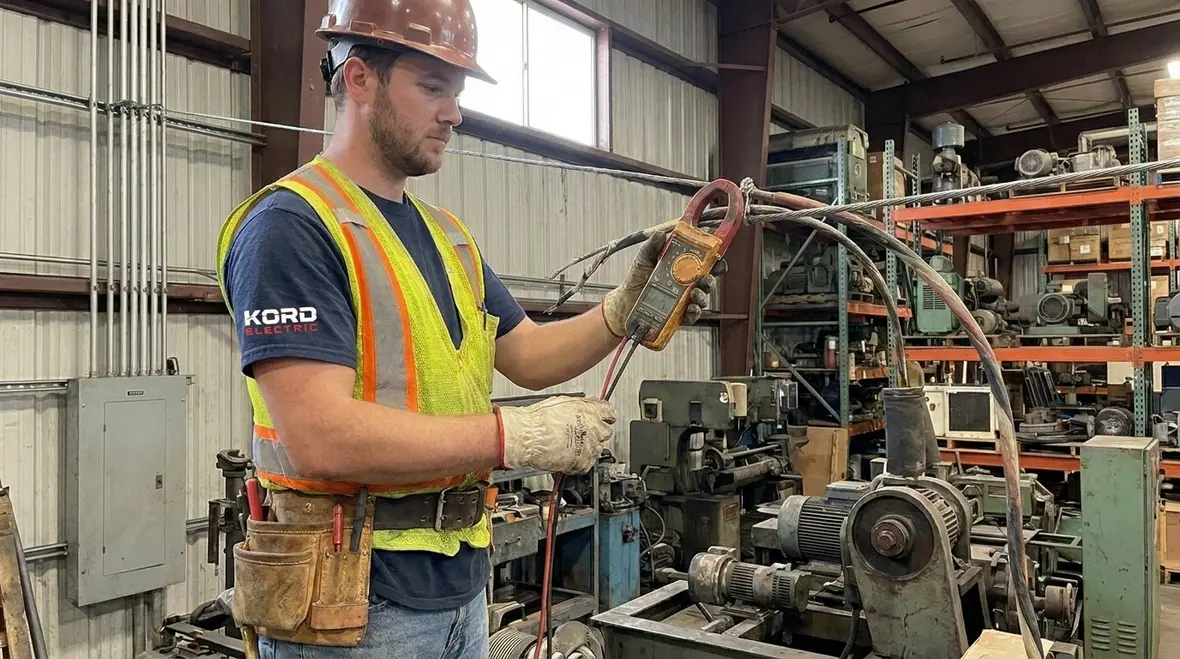
How messenger support changes heat, and why that affects limits
Conductors do not run alone. Heat moves through the conductor and then spreads to nearby materials and the surrounding air. With messenger supported arrangements, the cable assembly and the way it hangs can change the thermal conditions. Because heat escapes differently, the code addresses ampacity with specific rules.
NFPA 70 Section 310.20 focuses on conductor temperature behavior for messenger supported conductor installations. Therefore, you should not assume the same current rating that applies to other wiring methods. Instead, you apply the correct ampacity guidance for the messenger supported setup.
Now, some people treat this like a “deal with it later” issue. Yet later becomes expensive fast. For example, if the conductor carries too much current for its temperature conditions, insulation can degrade. Over time, that degrades reliability, and it can raise the risk of failure. We prefer to remove surprises early, which is why our team reviews conductor sizing during pre field planning for commercial and industrial projects.
How we apply NEC guidance on commercial and industrial projects
At Kord Electric, we handle electrical systems for commercial and industrial facilities and major property buildings. Because those projects involve higher loads and tighter coordination, we treat code compliance as a process, not a checkbox.
First, we confirm the wiring method and the conductor assembly. Then we use the correct ampacity approach tied to NFPA 70 and Section 310.20 for messenger supported conductor situations. After that, our technicians cross check design choices against operational needs, including expected load, duty cycle, and future expansion plans.
We also work with the reality of the job. There is conduit routing, structural attachment, and the layout decisions that come from real architecture. Therefore, we align design and installation so the system remains safe under actual conditions.
And to keep this practical, we explain the logic in plain language. Our expert service staff will tell you why the conductor size matters, what the code protects you from, and how the installation method changes allowable current. If you have ever heard a contractor say “trust me,” we politely translate that into “here is the code basis, and here is the math behind it.” To see how this fits into broader NEC planning, you can also connect this topic with our resource Understanding NFPA 70: The National Electrical Code Explained for 2026, which we use as a reference point when we map detailed rules to long term building strategy.
Common mistakes we prevent on messenger supported conductor ampacity installs
In the real world, mistakes happen. Sometimes they come from hurried bids. Sometimes they come from copy and paste drawings. Most often, they come from treating messenger supported runs as if they behave like other wiring methods. As a result, the wrong ampacity assumption gets used.
- Using a generic ampacity value without confirming the messenger supported installation condition, which can lead to overheating.
- Ignoring cable assembly details like insulation type and the way the cable hangs, which affects heat release.
- Overlooking ambient temperature impacts at the actual mounted location on the facility.
- Skipping conductor count or derating considerations when multiple conductors are present in a way that changes thermal behavior.
- Changing the install in the field without rechecking the design, because “it fit” does not always mean “it complies.”
Meanwhile, we do not just point out problems after the fact. We plan ahead. We review drawings, verify installation intent, and then guide the crew so the finished work matches the designed conditions. That approach helps keep commercial and industrial projects on schedule while still meeting code expectations.
For additional NEC context and how code content connects to system choices, we also stay aligned with the education we share through our resources and partner fire code perspectives, including content you can explore through KordFire at kordfire.com and related educational organizations like firepumps.org. When we work through NEC messenger supported conductor ampacity decisions, we often cross reference these resources with Kord Electric’s own NEC guides so that planning, installation, and inspection all share the same foundation.
NEC and NFPA 70 updates: keeping major buildings ready
Electrical codes evolve, and facilities evolve too. New equipment gets added. Cooling systems get upgraded. Load profiles shift. Therefore, even if an installation started compliant, changing conditions can raise questions later.
Our job is to keep your electrical system ready for how your building actually operates. So we stay current with the code framework and we explain how the rules protect you from unsafe temperature rise and unreliable performance.
When teams need a bridge between code text and on site decisions, we provide it. We also focus on the building type: commercial offices, industrial plants, large property complexes, and other high impact sites. Those are the places where correct ampacity choices affect more than one circuit. They affect reliability, safety, and operating cost.
We also coordinate with broader fire and electrical safety thinking. That is why we keep an eye on relevant code education and how it ties into safe electrical distribution and building protection goals. If you want a broader read on the NEC and how we interpret code basics for real work, you can review our educational material through the Kord Electric blog and fire code resources like kordfire.com.au.
For facilities planning deeper upgrades or renovations, these messenger supported conductor discussions also connect naturally to Kord Electric’s broader electrical consulting and service capabilities across the region. When projects scale up, our teams align NEC messenger supported conductor ampacity usage with panel sizing, distribution layouts, and long term maintenance planning so the finished system behaves the way the drawings promised, even years after the first switch-on.
FAQ for messenger supported conductor ampacity and Section 310.20
Contact Kord Electric for code ready ampacity decisions
If you are planning a new commercial or industrial electrical job, or you need to review an existing design, we can help you apply NFPA 70 Section 310.20 with confidence. Our technicians and expert service staff explain the logic, then we confirm conductor sizing based on the messenger supported installation conditions that your building actually has. We also coordinate these details with broader electrical planning, including regional support through our Los Angeles County electrical services team, so your system design and your local installation support share the same NEC playbook from the first walkthrough to final inspection.
When you are ready to line up messenger supported conductor decisions with the rest of your electrical strategy, Kord Electric is ready to help you move forward safely, on schedule, and without the kind of surprises that ruin a week faster than a surprise meeting.


