
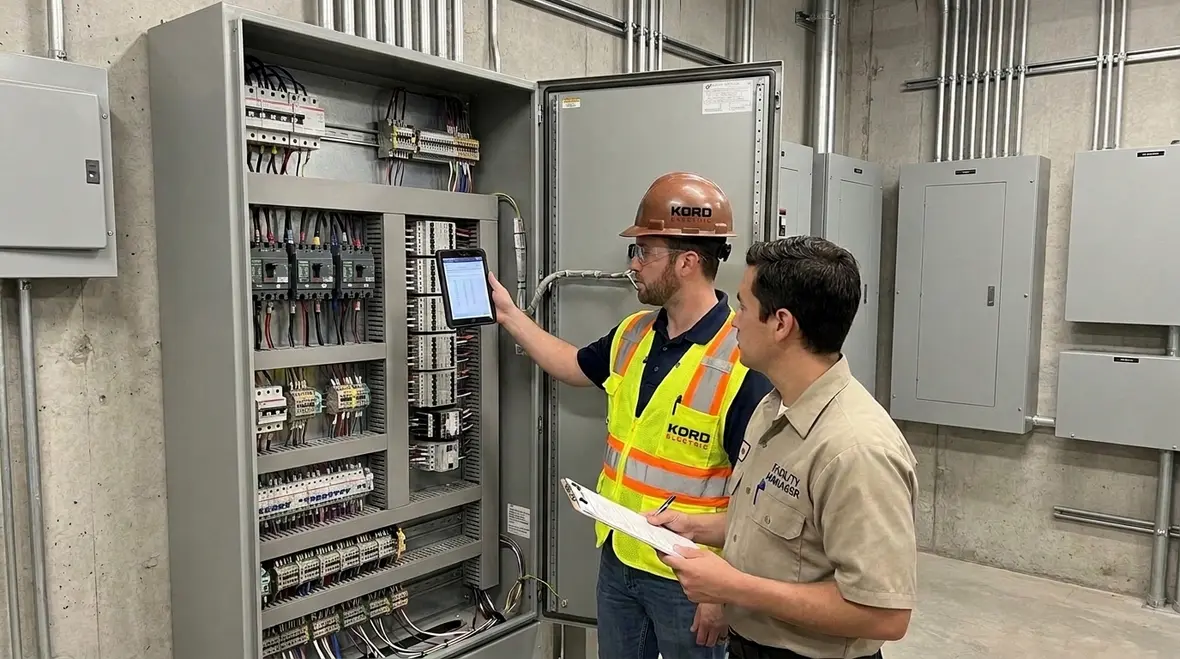
NFPA 70 Section 312.1 Scope for NEC Cabinet and Cutout Boxes
At Kord Electric, we help commercial and industrial teams keep power systems steady, safe, and compliant. That is why we focus on the NFPA 70 Section 312.1 Scope of NEC Cabinet and Cutout Boxes early in our planning and during inspections. In the first place, this section sets the rules for when a cabinet or cutout box falls under the NEC coverage, and that matters for everything that follows. Then again, if someone treats these devices like random metal boxes from a hardware aisle, the whole system pays the price later. Our expert service staff walks facilities through the meaning of the rules, and they explain it in plain language, not in legalese that could put a cat to sleep.
What NFPA 70 Section 312.1 actually covers
NFPA 70 Section 312.1 controls the scope of the NEC cabinet and cutout boxes used as part of electrical distribution. In other words, it tells you what types of enclosures the NEC expects to follow specific requirements. Therefore, when a facility designs or modifies service equipment and distribution, the team must treat these enclosures as part of the electrical system, not as an afterthought.
Next, we remind people that the NEC does not just care that a box exists. It cares about what the box is for, how it is installed, and how it supports safe work practices. Moreover, the scope guidance helps inspectors and contractors determine which requirements apply, and this reduces guesswork.
Our technicians, and the professionals we coordinate with, approach this with a steady method. First, they review the one line and the equipment schedule. Then, they verify the cabinet or cutout box role in the system. Finally, they confirm that the installation aligns with the NEC coverage defined in the section. If you have ever watched a sitcom where the main character builds a “temporary” solution that never ends, you already understand the risk of skipping this step.
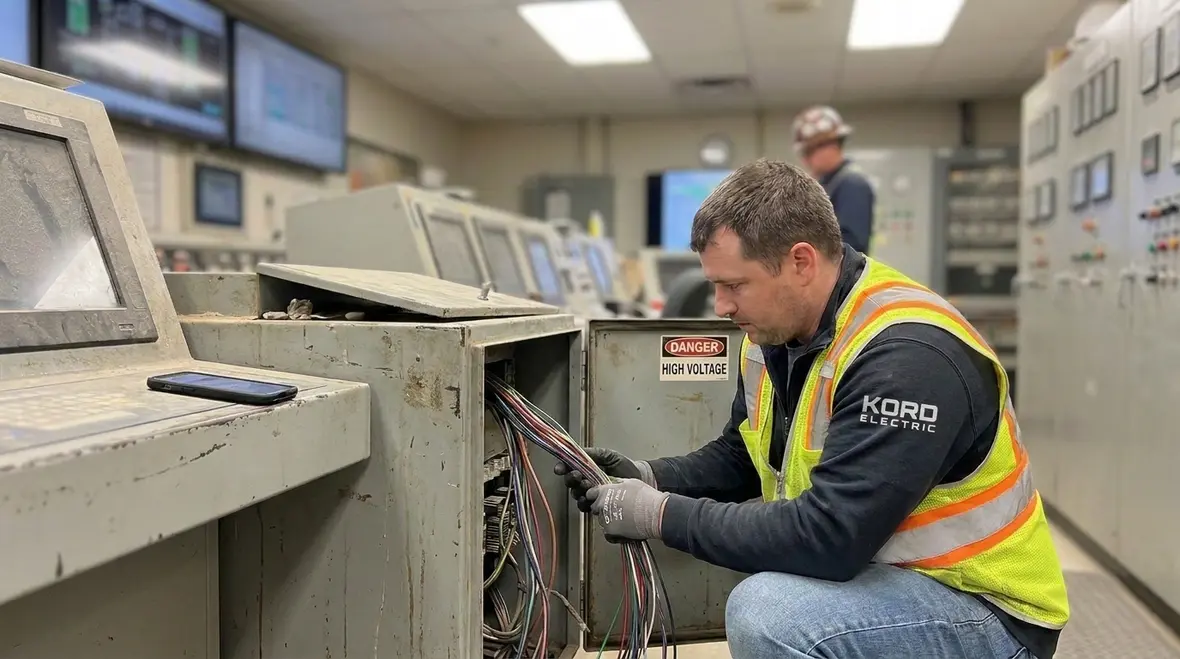
NEC cabinet cutout boxes scope in real facility work
When a commercial or industrial facility builds new infrastructure or upgrades it, electrical enclosures play a practical role. They protect wiring, provide access for equipment, and support safe switching and disconnecting. Consequently, the NEC cabinet cutout boxes scope becomes a guide for what needs to be compliant, even when different trades share the workload.
At Kord Electric, we see this most often during distribution upgrades, service entrance modifications, and tenant improvement projects inside major property buildings. Even when the building team already has a preferred vendor for enclosures, our technicians still verify compliance at the design level and again at installation. That second look saves money later. It also saves time, and it prevents the kind of “we will fix it after the inspector arrives” behavior that nobody enjoys.
Further, the scope helps determine how the enclosure functions in the larger system. For example, a cabinet used to support certain equipment and connections still must meet the NEC expectations for enclosure safety. Additionally, installers must treat access, wiring space, and secure mounting with care. These are not vibes. They are requirements that protect people and equipment.
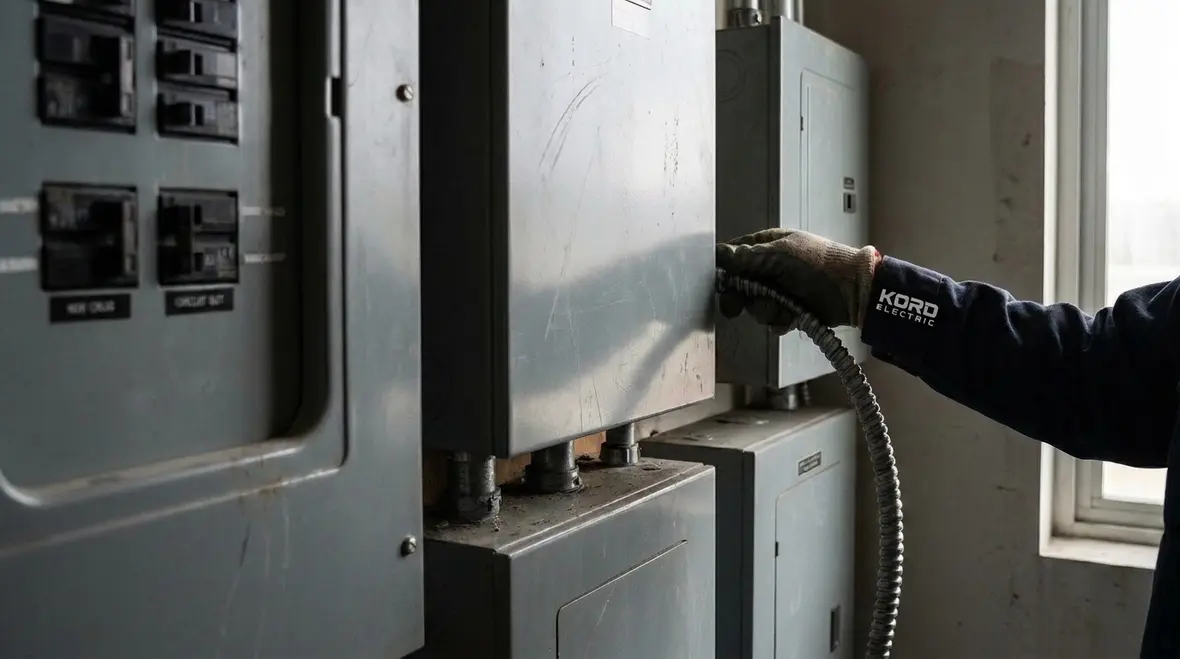
How the scope affects design, installation, and inspection
Design teams often ask, “Where does the enclosure requirement start, and where does it end?” Then the project schedule starts to feel tight, and everyone rushes to make assumptions. However, the NEC cabinet and cutout boxes scope reduces those assumptions by defining coverage. As a result, engineering and field teams can align on which components fall under the NEC cabinet and cutout boxes scope.
In installation, teams must handle several practical points. For one, they must mount and secure cabinets and cutout boxes properly so they do not shift due to vibration, temperature swings, or normal building movement. Next, they must ensure wiring entry and routing support safe operation. Also, they must keep the enclosure access approach clear for maintenance and testing.
During inspection, inspectors look for consistent compliance signals. If a cabinet or cutout box is installed in a way that conflicts with the NEC coverage intent, the inspection can slow down. Therefore, our expert service staff takes a calm, deliberate path: they document what was installed, they verify alignment with the project design, and they help teams correct issues quickly.
Think of it like a good music producer. If the track needs a clean baseline, you do not add random drums and hope for the best. You set the foundation right, and everything else locks in.
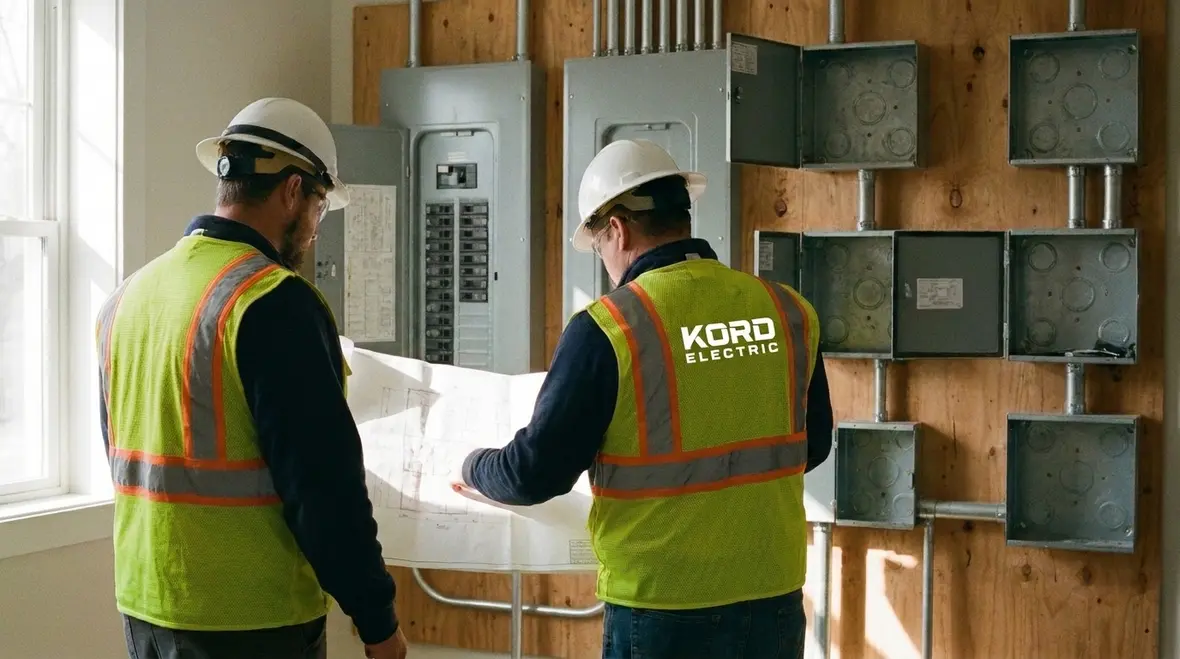
Common mistakes teams make with enclosure scope
Even capable teams sometimes stumble on the same issues. First, they may treat cabinets and cutout boxes like generic housing, instead of considering their role in the system. That approach can lead to mismatched components, wrong access provisions, or improper installation practices.
Second, teams sometimes mix up scope boundaries when multiple equipment types share an area. In commercial and industrial facilities, it is common to see panels, feeders, and disconnecting equipment grouped together. However, enclosure coverage still matters, and scope helps clarify what requirements apply to which enclosures.
Third, facilities may skip documentation and verification. They assume that because something looks right, it must be right. Yet, inspections reward evidence. Our technicians help facilities maintain clear records, including equipment information, installation notes, and compliance checks, so the story stays consistent from design to closeout.
And yes, we have heard the classic line: “It is probably fine.” The truth is that “probably” does not pass an inspection. Compliance passes an inspection. We say it with a straight face, but the joke still lands.
Service strategies Kord Electric uses for commercial and industrial buildings
Because Kord Electric serves commercial and industrial facilities and major property buildings, we focus on practical, repeatable strategies. For projects that touch NEC coverage, we build a workflow that helps teams stay calm and compliant even when deadlines push hard.
First, we coordinate early with the facility team. We review drawings, one lines, and equipment schedules, and we confirm how each cabinet or cutout box fits the system. Then, our expert service staff explains the intent of the applicable NEC sections in plain terms, so everyone on site understands what they are building and why.
Next, we verify field conditions. We check mounting surfaces, clearances, routing approaches, and access needs. In addition, we confirm that the enclosure and related equipment support safe operation. After that, we prepare closeout documentation that helps the owner manage future work without guessing.
Finally, we help teams with maintenance planning. Enclosures remain part of the power system for years, and access and protection must stay intact. When facilities keep these details in check, they avoid the cycle of reactive repairs. Nobody wants that cycle, and we prefer preventive action, not “emergency hero” work.
If your project also needs a broader NEC overview, your team can pair this article with Kord Electric’s companion resource Understanding NFPA 70: The National Electrical Code Explained for 2026, which connects section-specific topics like NEC cabinet and cutout boxes scope to the full code framework used in modern facilities.
Why the scope matters for safety and uptime
The scope in NFPA 70 Section 312.1 is not busywork. It protects people and it supports reliable power distribution. When enclosure coverage matches the NEC intent, the facility gets better predictability for safe access, safe equipment support, and safer wiring environments.
Furthermore, uptime improves when teams plan correctly. Cabinets and cutout boxes that support safe access reduce downtime during troubleshooting and routine service. Also, proper enclosure installation reduces the risk of damage to conductors and equipment due to poor protection or incorrect mounting.
In many major property buildings, operational continuity matters as much as safety. Elevators, lighting, HVAC systems, life safety loads, and process equipment all rely on consistent electrical distribution. Therefore, when enclosures fall outside compliant expectations, failures can spread through the system. And when failures spread, costs rise. We keep that risk low through disciplined installation and thorough verification.
For facilities across Southern California that want support beyond a single project, Kord Electric also helps align NEC-focused upgrades with regional programs like Los Angeles County electrical services, so scope decisions line up with long-term maintenance, emergency response, and future expansion planning.
Dual column view for fast project alignment
Scope outcome |
What our team checks |
Which cabinets and cutout boxes fall under NEC coverage |
Purpose in the system, equipment relationship, and correct classification |
How installation supports safe operation |
Mounting, wiring entry, routing, and access support for maintenance |
What inspectors expect during review |
Consistent documentation, clear equipment info, and closeout alignment |
FAQ for NFPA 70 Section 312.1 and enclosures
Let’s verify your enclosure compliance before it becomes a problem
If your facility plans a service update, distribution upgrade, or enclosure modification, Kord Electric can help you map the project to the NEC cabinet and cutout boxes scope and confirm safe installation practices. We work with commercial and industrial teams and major property buildings, and we keep the process organized and calm from design review to closeout. Contact us to schedule a compliance walkthrough and get clear next steps. Let us handle the details now, so your team can focus on running the building, not fixing surprises.
For projects that extend beyond enclosure scope, Kord Electric also supports wider electrical code upgrade planning and long-range NEC strategy for renovations and expansions, so your documentation, installation, and inspection stories line up from day one.


