
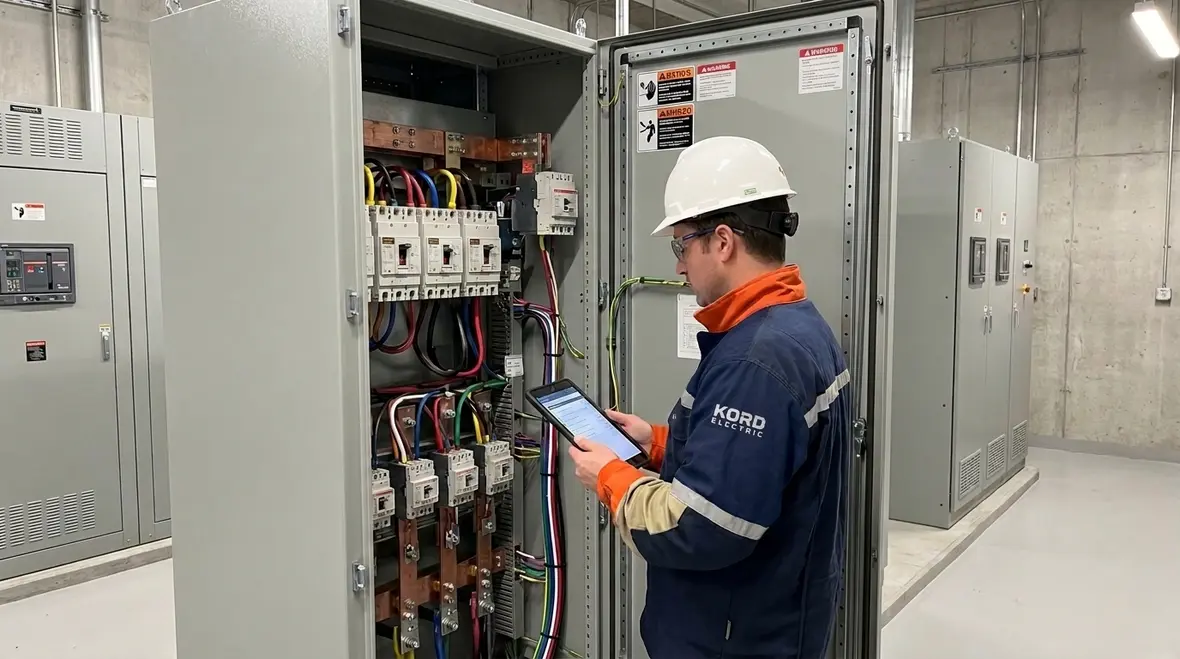
NEC 312.3 Reconditioned Equipment Rules for Safety
Kord Electric supports customers who must meet real-world electrical safety needs, especially in commercial and industrial facilities and major property buildings. That is why we pay close attention to NFPA 70 Section 312.3 and the NEC 312.3 rules for reconditioned equipment in NEC 312.3, along with the broader intent behind the National Electrical Code. In this article, we explain what these NEC reconditioned equipment rules mean in plain terms, then we show how our expert service staff helps clients document, inspect, test, and approve reconditioned gear so work stays safe and compliant. And yes, we also make sure nobody treats electrical safety like a “good enough” playlist. In power systems, good enough is just another way to say “later problem.”
Understanding reconditioned equipment rules in NEC 312.3
When a facility reuses electrical equipment, NEC 312.3 sets conditions that help prevent hidden hazards. NEC reconditioned equipment rules exist because equipment can age, wear, or get damaged during storage, handling, or prior service. Therefore, the rules focus on whether the reconditioned item can safely return to use. In plain terms, we help others treat reconditioned equipment like it still has a resume check and a background interview.
Our technicians and expert service staff typically explain the key idea like this: reconditioning is not a casual wipe down. Instead, it must restore the equipment to a safe and functional state. Moreover, the reconditioner must address parts that affect performance, protection, insulation, and enclosure integrity. After that, testing and documentation become the bridge between “it looks fine” and “it is safe to energize.”
For commercial and industrial settings, this matters because downtime hurts, and safety failures cost far more than the original equipment did. Additionally, major property buildings often have complex schedules, long maintenance cycles, and strict compliance expectations. So, we plan the work carefully, then we verify the results.
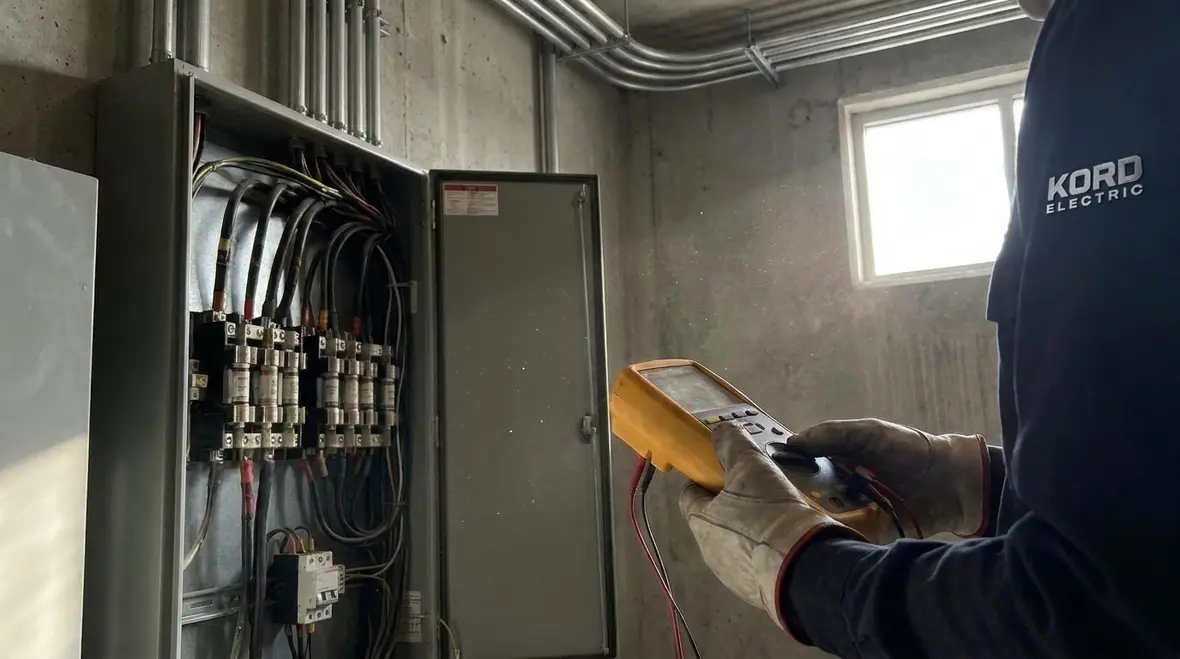
If your team is also working through broader code strategy, pairing this focused look at NEC 312.3 with resources like Kord Electric’s guide to understanding NFPA 70 for 2026 helps keep reconditioned equipment decisions aligned with the bigger National Electrical Code picture.
What NEC 312.3 requires before reusing electrical gear
NFPA 70 Section 312.3 is built around practical steps. First, the facility needs to know what equipment is being reconditioned and what condition it is in. Then, it needs a reconditioning process that addresses the failure modes that could harm people, property, or connected systems.
While exact wording matters for compliance, the general requirements follow a clear pattern. The reconditioner must do the work in a way that brings the equipment back to safe operation. After the work, the equipment must be tested or verified in a manner suited to the equipment type and its use. Next, labeling and records should support traceability and future inspections. Finally, qualified persons must handle installation and energization in line with applicable code requirements and manufacturer guidance.
At Kord Electric, we do not just talk about standards. We build workflows that help our clients meet them. For example, we help teams align inspection notes, test results, and equipment identification. In turn, that reduces scramble time when inspectors ask simple questions and everyone suddenly becomes an amateur historian.
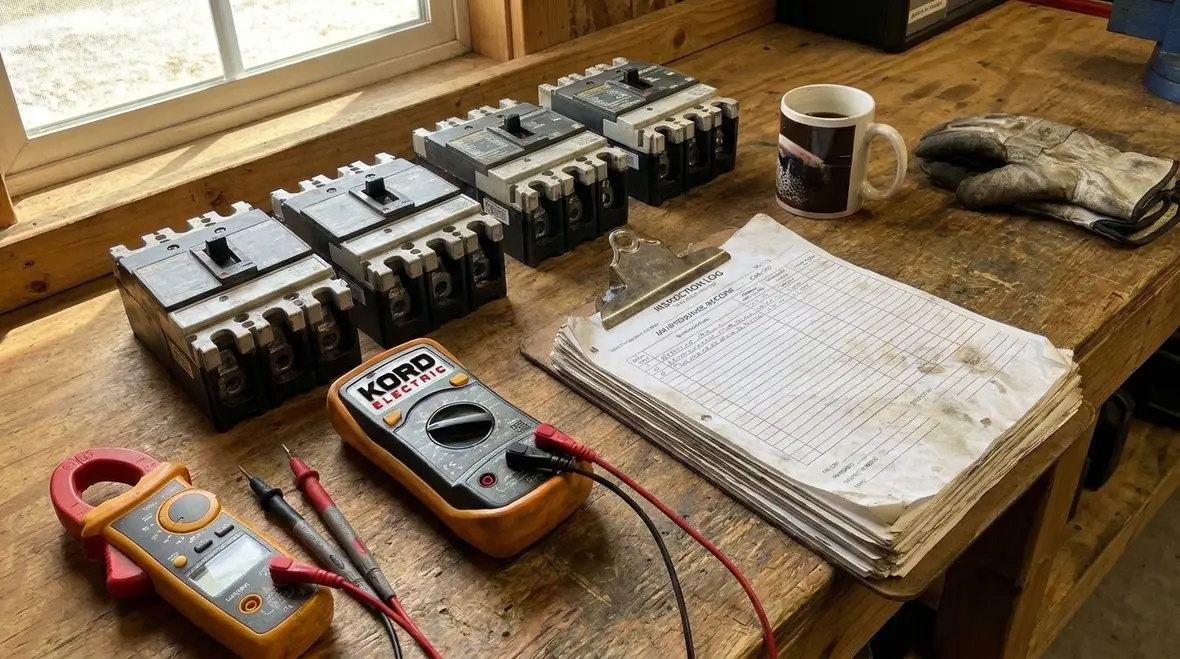
In many modernization and retrofit projects, this structure also lines up with code upgrade planning. When reconditioned gear shows up alongside new installations, our team often ties the workflow into broader efforts like electrical infrastructure modernization and commercial system upgrades so everything points to the same NFPA 70 expectations rather than a patchwork of one-off fixes.
How reconditioning changes inspection and testing plans
Once reconditioned equipment enters the plan, the facility needs a testing approach that makes sense. In other words, you cannot rely on the past service history as if it never happened. Instead, you confirm current condition. Therefore, inspection should focus on areas where electrical faults hide: insulation systems, contact surfaces, mechanical fit, enclosure integrity, and protective device function where applicable.
Moreover, test results should match the equipment type and installation scenario. For instance, a reconditioned switchgear assembly demands a different mindset than a smaller control device. Consequently, our technicians often help clients define what to check before installation and what to verify after reinstallation. That approach supports both safety and schedule certainty, which commercial leaders appreciate.
In many buildings, the biggest challenge is not the test itself, but coordination. Panels, rooms, and power feeders involve access control, permits, shut down windows, and safety boundaries. So, we help organize the sequence: evaluation, reconditioning verification, installation, then commissioning. And yes, we remind teams that “we’ll test later” usually becomes “later never comes.”
This is also where NEC reconditioned equipment rules intersect with everyday maintenance planning. When facilities combine reconditioned components with scheduled inspections, infrared scanning, and panel maintenance, they gain a clearer picture of how gear is aging and when it is time to move from “recondition and reuse” to “replace entirely” before the next outage window disappears.
Documentation and labeling: the paperwork that keeps power honest
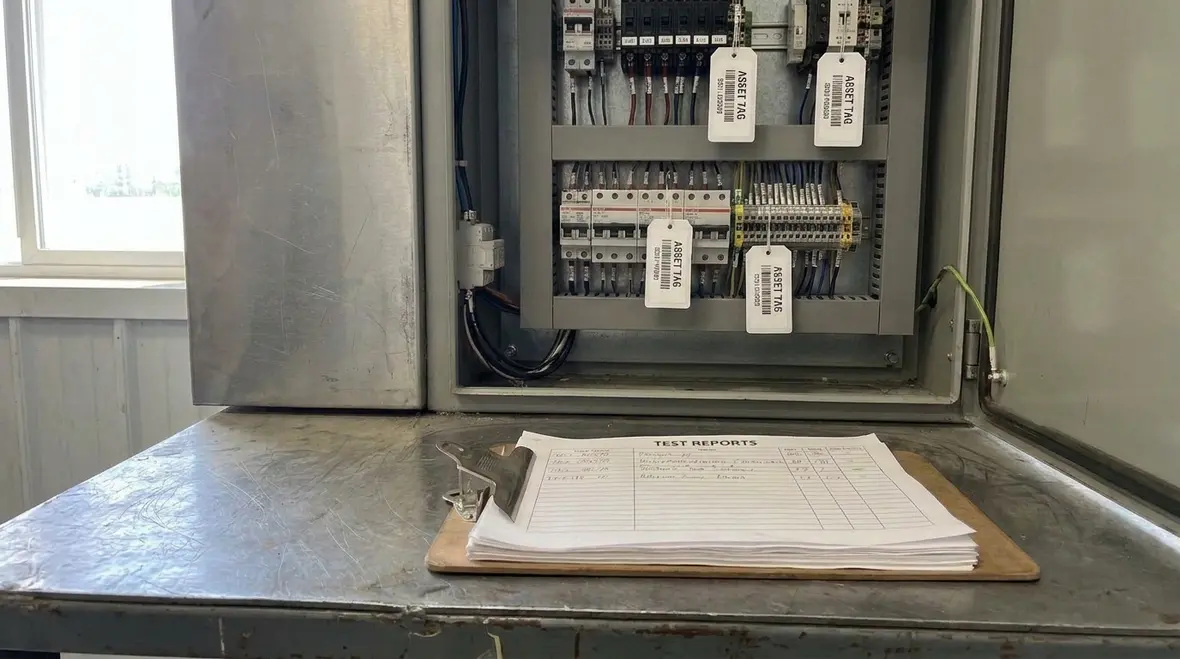
Electrical compliance often feels like paperwork until you need it. Then it feels like oxygen. Under the NEC reconditioned equipment rules, documentation and identification support the proof trail. They help show what work happened, who did it, and what was verified. In addition, proper labeling improves future maintenance. It also reduces the risk that someone opens a cabinet years later and guesses what they are looking at.
Our expert service staff explains documentation like this: you want records that stand up to real questions during inspections, service calls, or change-outs. Therefore, we encourage clients to keep test reports, reconditioning details, and installation notes in a consistent format. We also support internal asset management processes, because major property buildings often need fast answers when systems go into alarm.
We also remind clients to use clear equipment identifiers. When labels match drawings and as-built records, troubleshooting becomes faster. That reduces downtime and makes the whole operation more predictable. In a way, good documentation turns chaos into a controlled process. And that is the kind of control we enjoy, whether the customer calls it compliance or just “sleeping at night.”
Because NEC 312.3 lives inside the broader National Electrical Code, this record-keeping also supports other inspections tied to wiring integrity, equipment clearances, and AHJ expectations. When an authority having jurisdiction reviews your site, being able to point to documented reconditioning and clear labels can turn a tense walkthrough into a straightforward confirmation that your team respects both the letter and the spirit of NFPA 70.

Who can handle the work: qualification and responsibility
Reconditioning and installing electrical equipment involve responsibility. Even if the equipment returns to service, the facility must still ensure safe installation, suitable protection, and correct operation. As a result, qualified personnel play a central role across the entire lifecycle.
At Kord Electric, we make sure our technicians follow a disciplined approach. They verify conditions, follow required procedures, and communicate findings clearly. Meanwhile, our expert service staff helps clients understand the sequence so decision makers can approve the right steps without turning the project into a mystery novel. We explain what the code expects, what the equipment needs, and how the testing results connect to safe use.
In commercial and industrial contexts, this also helps reduce risk during audits and project closeout. Furthermore, when teams share consistent standards, it reduces confusion across contractors, maintenance staff, and facility managers. Nobody wants multiple “interpretations” of the same rule. That is how you get a famous last sentence: “We thought it was okay.”
Qualified reconditioning partners also help facilities decide when NEC reconditioned equipment rules are the right tool and when a full replacement better protects long-term operations. By folding NEC 312.3 into everyday decision making instead of treating it as fine print, owners gain a clearer view of risk, responsibility, and where to invest upgrade dollars.
Aligning NEC 312.3 with real projects in commercial buildings
Let us make this practical. In a major property building, reconditioned equipment may appear during modernization, equipment replacement planning, or when a project needs to meet a tight schedule. Therefore, the decision to use reconditioned equipment requires a plan that matches operational needs and safety obligations.
First, the facility should identify the equipment and confirm it fits the intended application. Next, the team should confirm reconditioning meets NEC expectations. Then, it should set up inspection and testing that confirm safe readiness. After that, installation and commissioning must reflect the actual configuration on site. Finally, documentation should support ongoing maintenance.
We often see projects where stakeholders focus on cost and timeline, then realize safety requirements need time too. So, we encourage early alignment. If you bring the reconditioned equipment decision into the project schedule early, you can manage access, test windows, and approvals. That reduces delays and keeps teams from rushing at the last minute.
And if someone jokes that “the label will wear off anyway,” we politely remind them: it is better for labels to outlast our patience. We support commercial and industrial facilities and major property buildings, and we treat compliance as a real deliverable, not a checkbox.
When projects reach that “go, no-go” stage on reused gear, tying NEC 312.3 decisions into broader services such as Los Angeles County electrical services for commercial facilities helps ensure that reconditioned equipment, new installations, and long-term maintenance all point in the same safe direction.
Quick FAQ for NEC 312.3 and reconditioned equipment
Conclusion and next steps with Kord Electric
Reusing older electrical gear can help project teams manage schedules and costs, but NEC 312.3 sets clear expectations to protect people and assets. Kord Electric supports commercial and industrial facilities and major property buildings by helping our customers apply the NEC reconditioned equipment rules with proper inspection, testing, documentation, and qualified oversight. If you are planning modernization, equipment replacement, or reconditioning, reach out to us early. We will review the scope, align compliance steps, and help keep your power system stable, safe, and ready for the next shift.


