
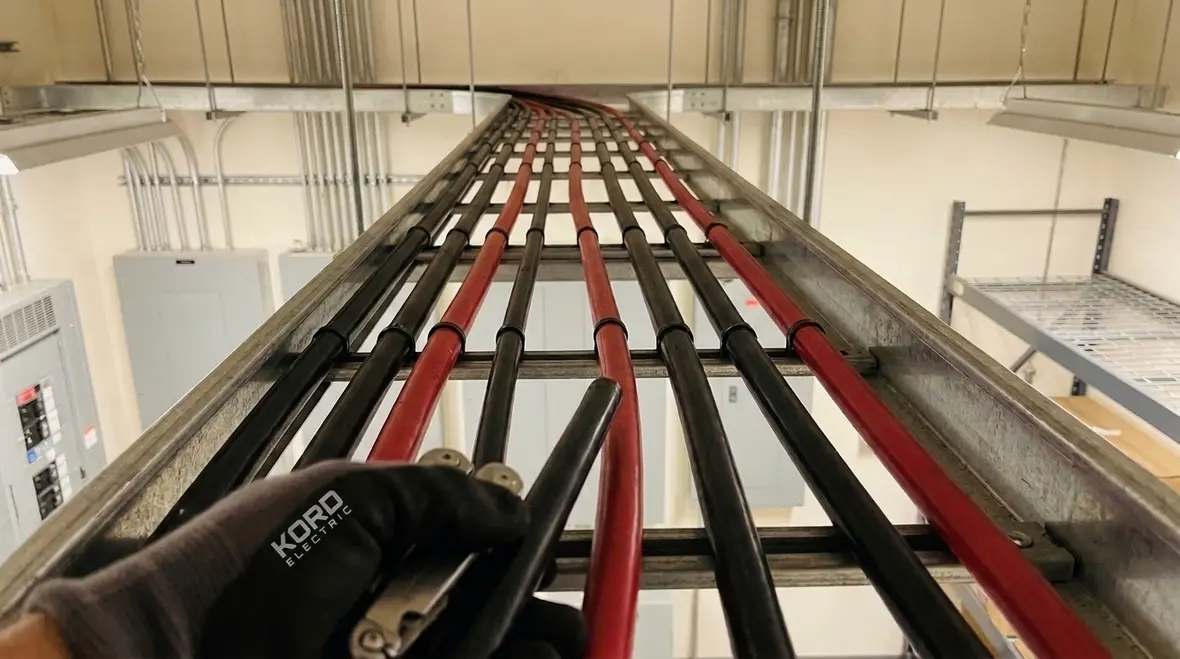
NFPA 70 310.17 Single Insulated Free Air Ampacity
At Kord Electric, we guide commercial and industrial facilities through the practical side of NEC single-insulated free air ampacity so teams can make safer, clearer decisions. In the real world, that number is not trivia. It is the basis for how much current a conductor can carry when it sits out in air, free from heat buildup around insulation and neighboring conductors. In this article, we explain NFPA 70 Section 310.17 and the single-insulated free air ampacity tables, step by step. We do it with help from our technicians and expert service staff, because reading a table once is one thing, but applying it correctly on a live project is something else entirely. And yes, we promise the tables will not bite. Unless someone uses them like a pizza coupon.
What NFPA 70 310.17 actually does for conductor sizing
NFPA 70 Section 310.17 sets out the rules behind the single-insulated free air ampacity tables. In other words, it tells us the current rating when conductors run where heat can escape into surrounding air. However, the “free air” part matters. If the conductor is bundled, enclosed, or stacked tightly, heat can rise and ampacity can drop. Therefore, the table provides a starting point, not a final answer by itself.
Our expert service staff explains it like this: you can think of ampacity as a conductor’s comfort zone. When conditions change, that comfort zone shifts. So we help facility teams connect the table value to actual installation conditions seen in commercial and industrial spaces, from switchrooms to mechanical areas, and from busway drops to feeder runs on major property projects.
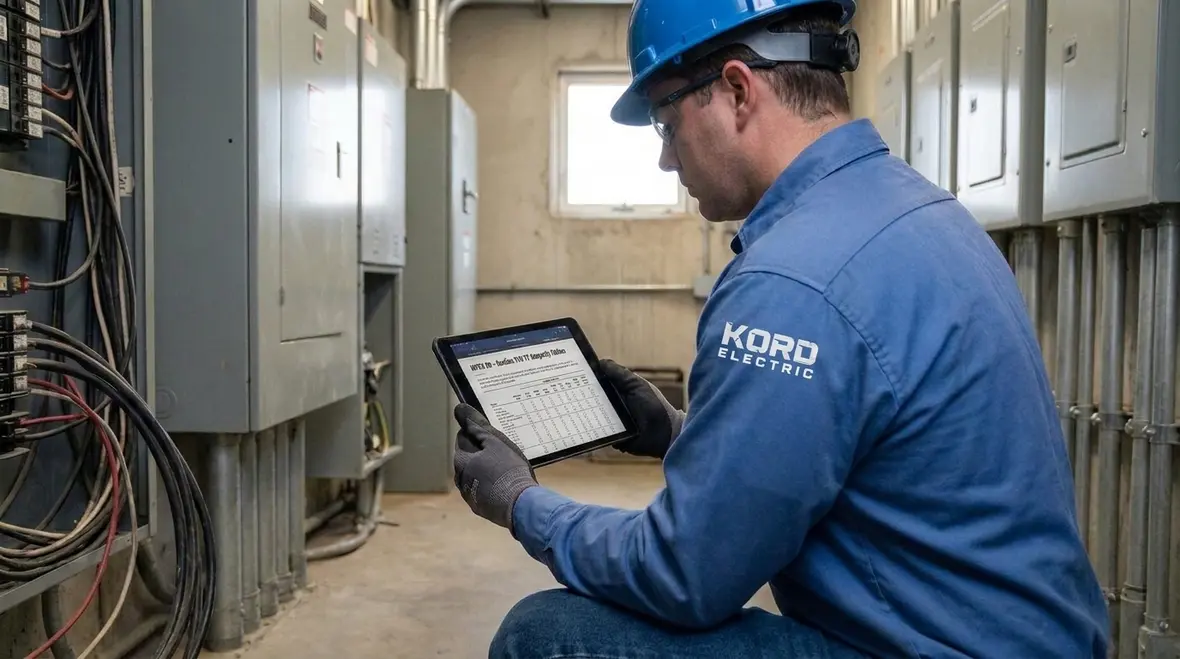
When we support facilities that are digging into the National Electrical Code in more detail, we often connect Section 310.17 decisions with broader NEC context, including resources like Understanding NFPA 70: The National Electrical Code Explained for 2026, so teams see how conductor ampacity fits into the bigger picture of safe system design.
Why the “single-insulated” part changes everything
When people skim these tables, they sometimes treat “single-insulated” as a label, like a product name on a box. Yet it affects the heat transfer path. Single-insulated conductors sit with one insulation layer, and the material and thickness influence how quickly heat moves away. As a result, the permitted current in free air will differ from conductors with other insulation types or different construction.
Additionally, we make sure our technicians match the conductor type in the field to what the design expects. If the spec says single-insulated and the actual cable in the tray uses a different insulation system, the project no longer matches the calculations. Then the “wrong ampacity math” quietly starts to snowball, and nobody wants that. It is like ordering the correct coffee and then showing up with a soda. Same counter, different reality.
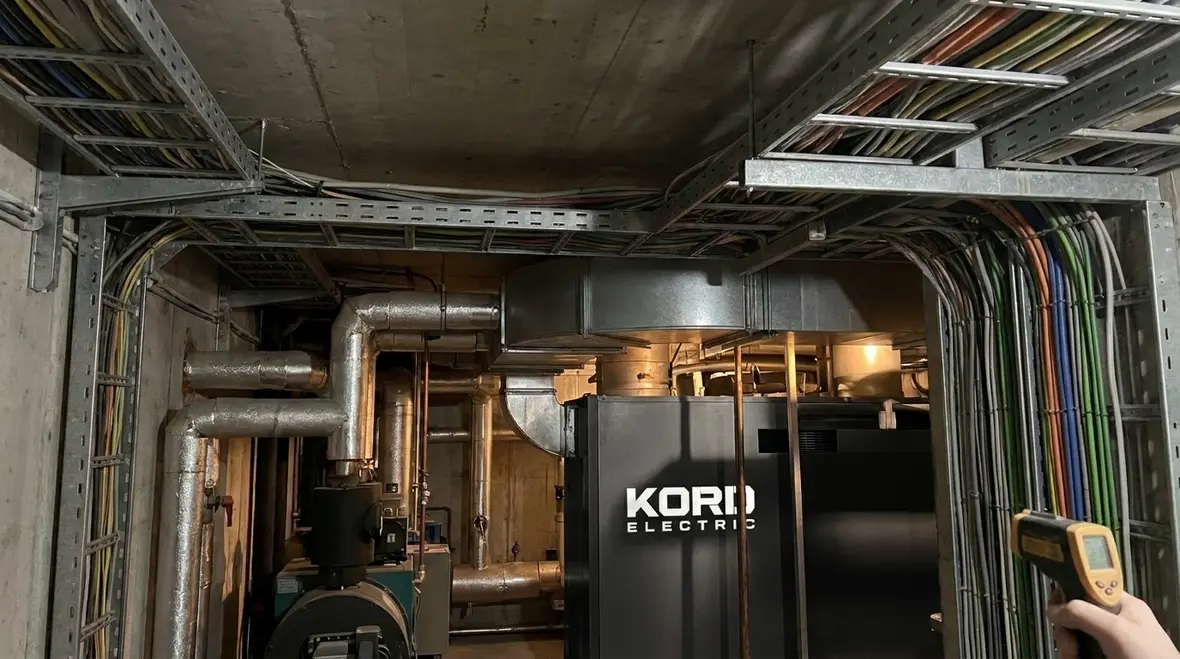
Because of that sensitivity, our field teams treat the phrase “single-insulated free air ampacity” as a technical promise. The drawings, the specified cable, and the installed routing all have to match that promise, or the numbers on paper stop lining up with the temperatures in the real installation.
How to read the 310.17 ampacity tables without getting lost
Now we get practical. First, you locate the relevant conductor size and material basis shown in the table. Second, you identify the insulation type conditions tied to the “single-insulated free air” assumptions. Third, you record the ampacity value and plan for any next-step adjustments that the NEC requires in your specific scenario.
At Kord Electric, our technicians often see a common pattern: teams focus on the number but skip the setup. Therefore, we encourage a quick checklist workflow before anyone finalizes conduit fill or breaker sizing:
Confirm conductor size and conductor material match the design
Verify the installation truly acts like free air, not enclosed, bundled, or trapped behind panels
Document how the conductors run, since real routing controls temperature rise
Flag areas where heat sources exist, because equipment heat changes conditions fast
Next, we connect the table reading to downstream choices like overcurrent device ratings, coordination needs, and long-term reliability. If you want fewer surprises at commissioning, you plan early. And if you want fewer surprises later, you plan using the actual installation picture. Our team stays steady on that point.
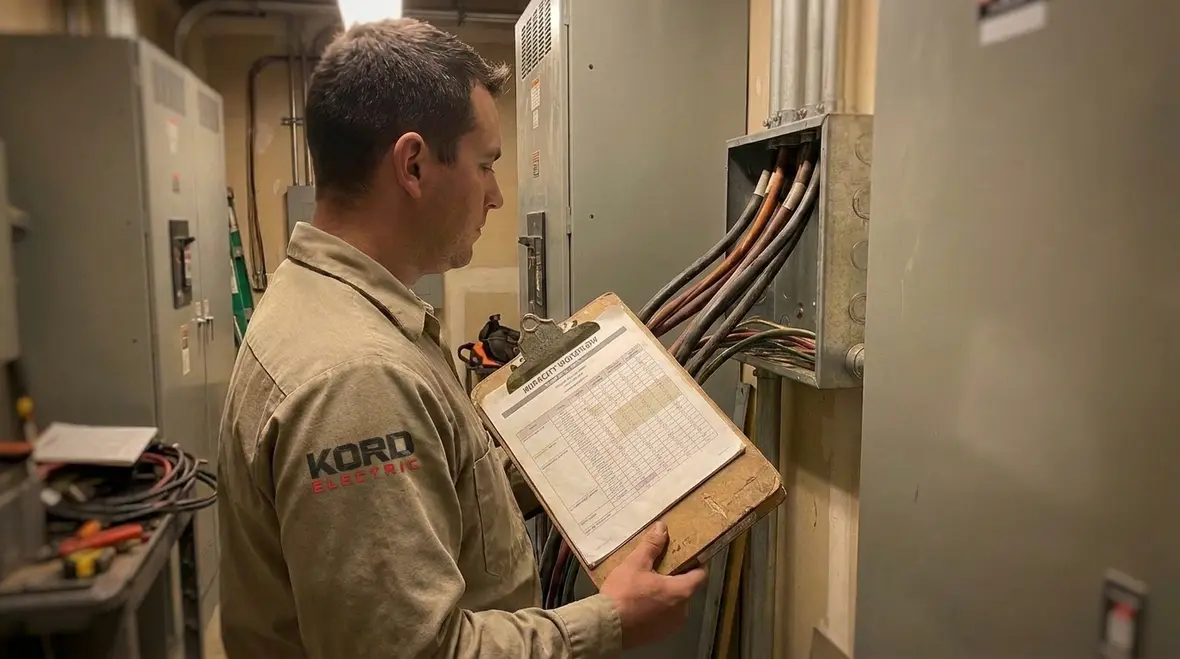
When facilities need a deeper foundation in how the NEC is structured before they dig into ampacity numbers, we often connect them with guides such as How to Read NFPA 70: National Electrical Code and the broader National Electrical Code explainers on the Kord Electric blog, then come back to Section 310.17 with a calmer, more confident approach.
Real installation conditions that reduce ampacity in commercial buildings
Even when a table provides a clean baseline, commercial and industrial settings rarely stay perfectly “free air.” So we look at the conditions that raise conductor temperature. That includes how many current carrying conductors share a raceway, how cables are grouped, and whether the run is within a thermal environment.
For example, in a facility with mechanical rooms, process heat, or dense electrical rooms, you can have higher ambient temperature. Then the conductor runs hotter. Also, if conductors sit in a ceiling space or get covered by insulation in a way that traps heat, heat dissipation drops. In that case, the NEC adjustment factors become the difference between a smooth project and a costly redesign.
Our technicians also pay attention to practical installation habits. If installers compress cables for “neatness” in a tray, you may reduce airflow. Therefore, what looks organized can quietly change thermal behavior. We tell teams that the goal is not only tidy wiring. The goal is safe wiring that stays within the design assumptions over years, not weeks.
Common mistakes we see during electrical plan review
When Kord Electric reviews plans for large property buildings and industrial sites, we often notice similar errors. First, someone uses a table value but forgets that the installation conditions differ from the table assumptions. Second, some teams mix conductor types, such as matching size but switching insulation system. Third, people copy ampacity figures without tracking the basis for the design, like whether the calculation assumes free air.
Then, the real-world consequences show up. Overheated insulation can shorten life, and repeated high temperatures can accelerate failures. Also, incorrect ampacity handling can cause nuisance trips or miscoordination. And that is the kind of drama no one wants in a multi-tenant building, a warehouse district, or a facility with production schedules.
To keep this calm and controlled, we rely on our expert service staff to explain why the NEC requirements exist and how they connect to safety. We do not just point to rules. We show the chain of reasoning, so teams understand what to verify in the field.
How we use NEC ampacity logic in the field
Kord Electric does not treat ampacity as an academic topic. We use it during design support, preconstruction planning, and verification. For commercial and industrial facilities, that means we combine code logic with jobsite reality. Our technicians check conductor identification, routing conditions, spacing, and whether the installation matches the assumptions used during sizing.
We also coordinate with stakeholders who manage operations and maintenance, because a finished installation becomes a long-term system. Over time, changes happen. Additional loads may get added. Equipment may shift. If the electrical design was tight at the start, future changes can stress the system.
That is why we help teams approach the topic as a living system, not a one-time spreadsheet exercise. And while we respect every drafting standard, we know field conditions decide the final performance. As the saying goes, the code gives the map, but your installation gives the weather.
FAQ for quick NEC table clarity
FAQ for quick decisions on ampacity calculations
How do we confirm the installation matches the “free air” assumption?
We verify routing, spacing, enclosure type, and bundling. If heat cannot escape as assumed, we apply the appropriate NEC adjustment logic.
Can two conductors of the same size have different ampacity?
Yes. Different conductor construction, insulation type, or installation conditions can change ampacity outcomes.
Do we apply ampacity rules to feeders and branch circuits?
Yes, NEC ampacity logic applies to conductors across systems. The key is matching the conductor conditions to the correct NEC rules.
Where do we get trusted NEC guidance?
We reference authoritative NEC resources and keep our team aligned with current code education. We also share practical explainers through our company knowledge base and related industry guidance, because clarity prevents mistakes.
Next steps with Kord Electric for your NEC ampacity needs
When your team needs conductor sizing that holds up in real commercial and industrial environments, Kord Electric steps in with experienced technicians and expert service staff. We help your facility interpret NFPA 70 Section 310.17, connect the single-insulated free air ampacity tables to actual installation conditions, and reduce surprises during commissioning. If you are planning new electrical work, updating switchgear, or auditing an existing installation, contact us. We keep the code logic clear, calm, and correct, so your project runs like it should.
For facilities in Southern California who want support that goes beyond the drawings, our Los Angeles County electrical services team brings NEC-focused planning, installation, and verification to commercial and industrial properties that cannot afford surprises when systems go live.
If you are also working through broader electrical upgrades, code consulting, or future projects tied to the National Electrical Code, we can align this ampacity work with your compliance planning and help your internal team feel more confident every time they open the code book.


