
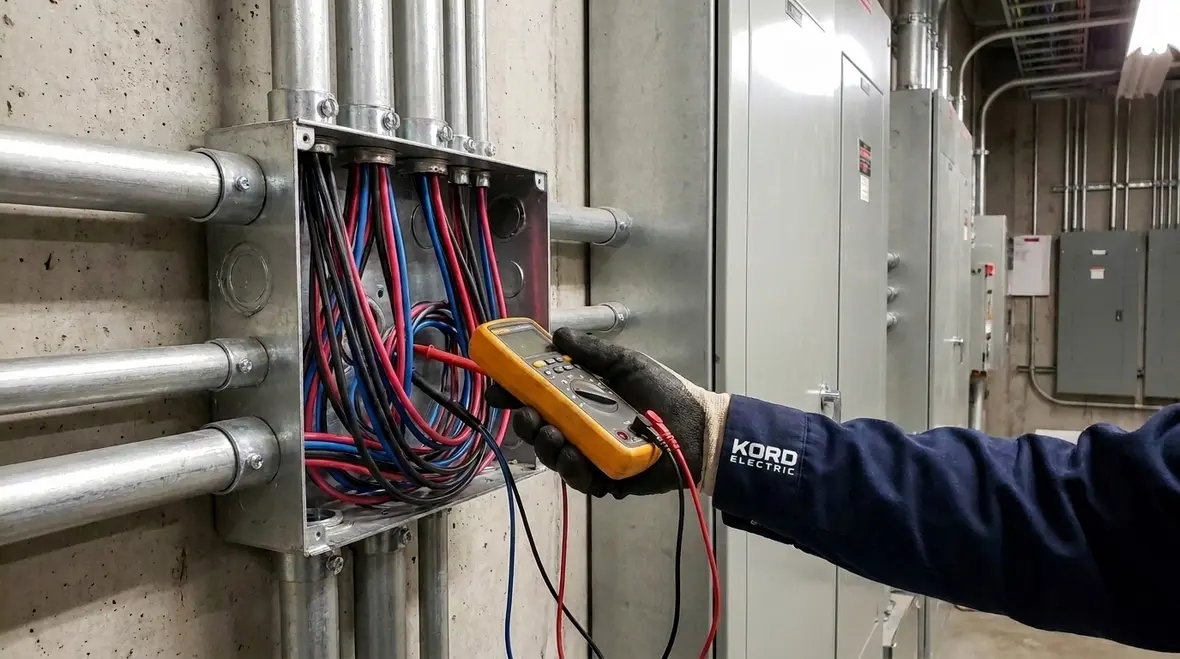
NEC Insulated Conductor Ampacity in Raceway Explained
NEC insulated conductor ampacity raceway explained for commercial and industrial work
In commercial and industrial facilities, electrical designs have to stay both safe and dependable, and that starts with how we treat NEC insulated conductor ampacity raceway conditions. At Kord Electric, we see this play out on real projects every week, from new service runs to upgrades in busy buildings where downtime costs real money. Our technicians and expert service staff do not just install conductors and move on. Instead, they explain what the National Electrical Code requires, why it matters, and how it impacts the ampacity you can use inside raceways and in earth.
Now, if you have ever wondered why two designs can look nearly the same but produce different ampacity results, you are not alone. The code does not care about our vibes. It cares about the heat. And heat, as everyone knows, does not take days off.
What NFPA 70 Section 310.16 covers in plain language
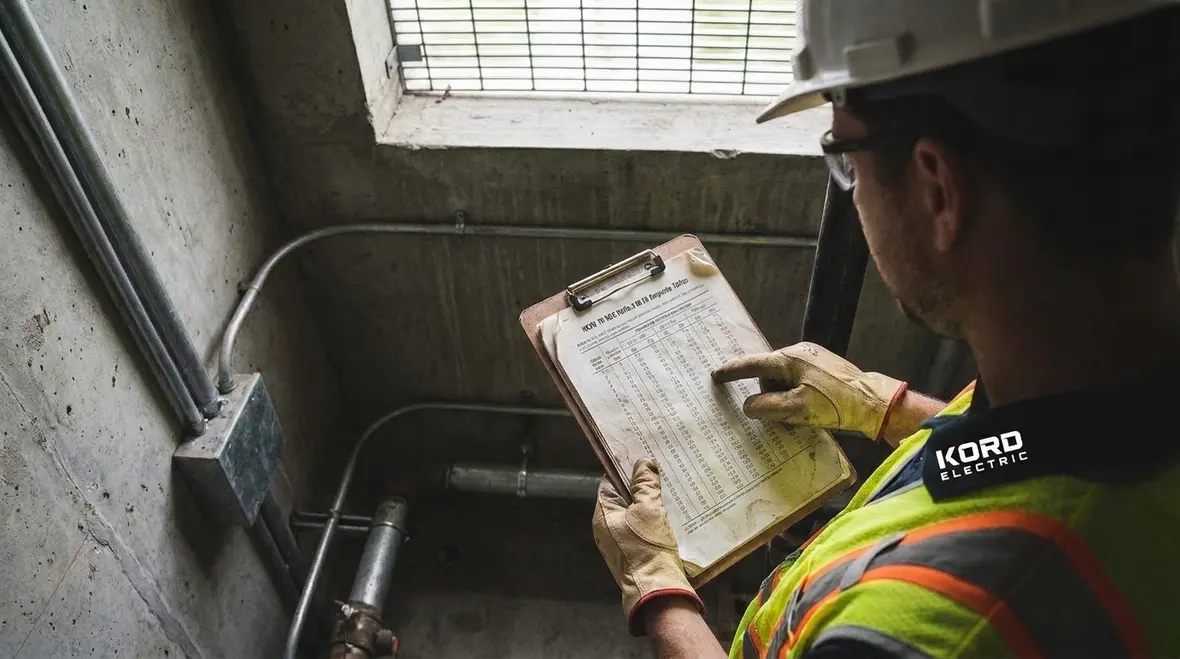
NFPA 70, also called the NEC, sets rules that help limit overheating. Section 310.16 focuses on insulated conductor ampacities when those conductors are installed in specific locations and under specific thermal conditions. In other words, the code accounts for how heat moves away from the cable.
When we follow this section, we do not simply pick a wire size from a chart and hope for the best. Instead, we determine an ampacity based on the conductor insulation rating and the installation method, especially when the conductor sits in a raceway or runs in earth.
Our experts typically walk facility managers through the logic like this: the conductor generates heat when current flows. Then, the surrounding installation determines how quickly that heat leaves the conductor. If heat cannot leave fast enough, the cable insulation ages faster. Over time, that aging turns into failures. So, the NEC tells us how much current the conductor can safely carry for the installation conditions at hand.
That is also why we connect this topic with broader NEC education. Many of our commercial and industrial clients start with foundational resources like our guide on Understanding NFPA 70: The National Electrical Code Explained for 2026, then zoom in to Section 310.16 when they are ready to talk about actual conductor choices, raceways, and long term reliability.
How raceway installation changes ampacity in practice
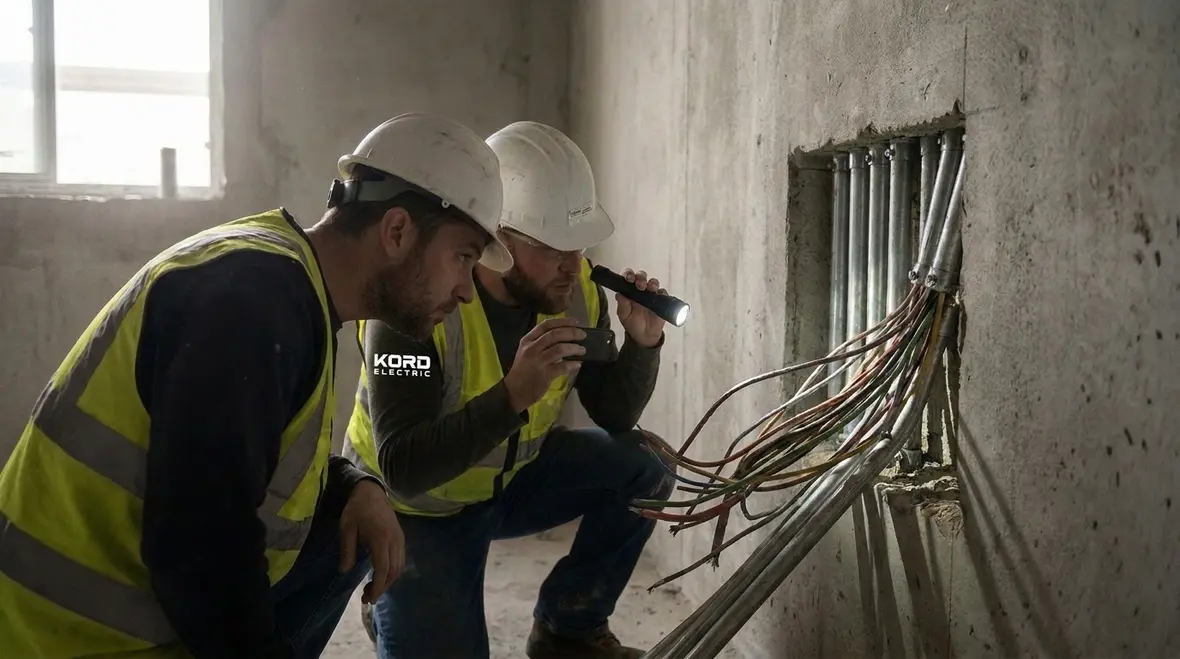
Section 310.16 matters because raceways can trap heat or slow heat dissipation. For a commercial building, this shows up in places like electrical rooms, mechanical shafts, and conduit runs through walls where multiple circuits share space. Heat does not travel through metal like it is on a vacation. It follows physics, and physics always charges a fee.
When our team evaluates raceway conditions, we treat details as real. For example, we consider insulation type, the number of current carrying conductors, how closely they are packed, and the ambient temperature of the space. Even changes that seem minor can alter the final ampacity selection.
Here is what we do in the field, step by step. First, we confirm the conductor insulation rating and the conductor material. Next, we identify the raceway type and installation method that best matches the project documents. Then, we match those details to the ampacity approach described under Section 310.16.
Finally, we document the reasoning so the design stays consistent across engineering, installation, and inspection. Our technicians will also explain how these choices affect protection device coordination, since the ampacity you pick should align with breaker or fuse ratings. In short, we keep the system coherent. We do not build a puzzle that only works on paper.
On larger projects, we often pair this work with broader NEC reviews, including wiring integrity expectations under Section 110.7 and application scope guidance from Section 90.2. That way, decisions around NEC insulated conductor ampacity raceway conditions line up with how the rest of the installation is supposed to behave, instead of living in an isolated spreadsheet that nobody revisits.
Earth installation and why soil is not a free heat sink
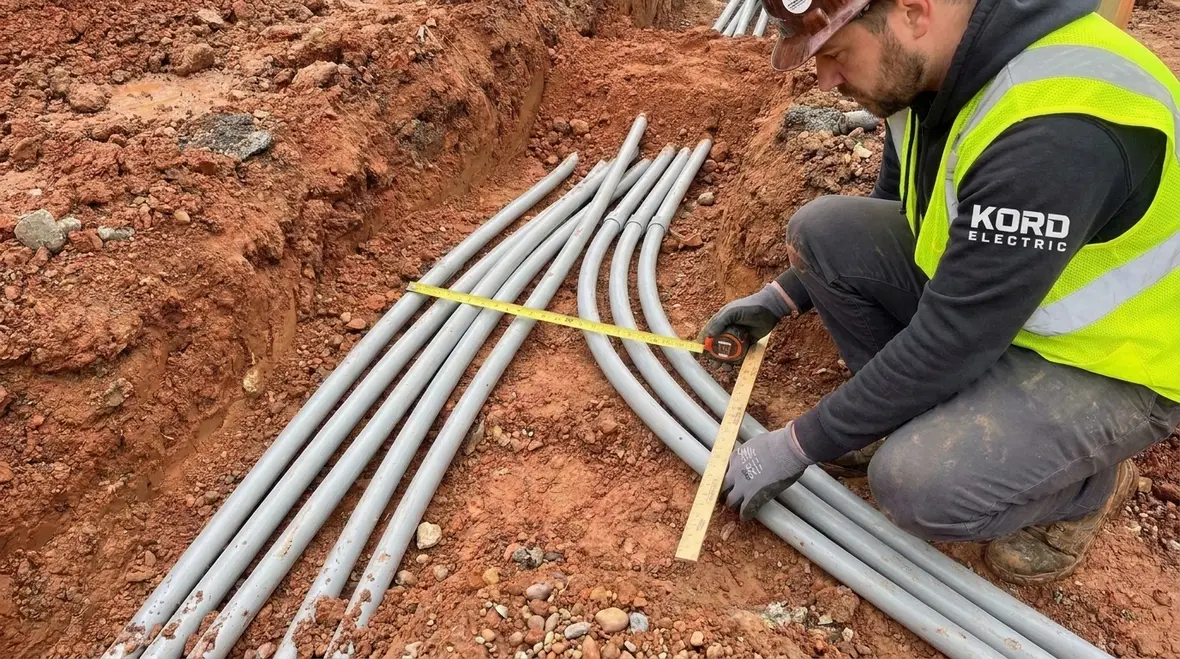
For outdoor runs, underground feeders, and property campus applications, conductors often travel in earth. Section 310.16 recognizes that soil conditions affect heat dissipation. Soil can be dry, compacted, rocky, or thermally resistive. In other words, the ground is not automatically forgiving just because it is underneath.
When we design or troubleshoot earth installation, we factor in burial depth and the thermal properties tied to the installation. We also pay attention to how the conduit is arranged in the trench, since multiple conduits or closely spaced runs can increase the heat buildup.
Our expert service staff explains it like this during site walks. If the soil cannot release heat efficiently, then the conductor temperature rises faster. As temperature rises, insulation life drops. Therefore, we select ampacity and conductor size in a way that matches the actual installation. That way, the building does not become a test lab for the next decade.
Also, we consider the operational reality. In major property buildings, loads can change with time as tenants expand or equipment updates. So, we design for safe current carrying ability even when future loads shift. That is not only code minded. It is business minded.
When underground work ties into fire protection infrastructure, we also coordinate with allied resources. Our teams regularly reference dedicated NFPA 70 explanations through Kord Fire and Kord Fire Australia, along with specialized content such as Fire Pumps guidance, so the underground power that feeds fire life safety systems respects both electrical code and fire protection realities.
Common mistakes we see during commercial upgrades

Even solid teams can make errors during upgrades. That is why Kord Electric leans on our technicians and experienced service group to review the “small stuff” that usually causes big problems later. Below are common mistakes we see on commercial and industrial facility work.
- Assuming all raceway runs behave the same. Different routing methods and installation conditions can change heat dissipation. We verify each run.
- Ignoring how many conductors share the space. When more conductors carry current, heat rises. We account for how the system actually runs, not how it looks in a diagram.
- Picking conductor size without matching protection device coordination. If the ampacity and overcurrent protection approach do not align, inspections can fail or, worse, performance can suffer.
- Underestimating underground thermal impact. Soil conditions and arrangement in earth affect temperature. We address that rather than hoping the ground “absorbs” the problem.
And yes, sometimes someone tells us, “We have always done it this way.” That might be true. It is also how people historically explained magic. Progress requires moving from stories to code.
During commercial renovations, we often blend conductor ampacity reviews with broader electrical code upgrade consulting. That means checking whether new raceway fill, conductor grouping, and insulation temperatures still align with present day NEC expectations, not just the conditions that existed when the original equipment went in.
How we document NEC compliance for inspections and long term safety
Code compliance is not a one time checkbox. It becomes a chain of decisions. Our process at Kord Electric focuses on that chain, so the electrical system stays consistent from design through installation and into ongoing service.
First, our electricians and technicians confirm the raceway and earth installation details that match the project scope. Then, we align those details to the NEC requirements in Section 310.16 and the related parts that support protection and installation rules. After that, we ensure the conductor selections support both safe operation and inspection review.
For major property buildings, we also prioritize clarity. We write down assumptions and installation conditions so future maintenance teams do not guess. When property teams add tenants or equipment, they need accurate starting points. If the original record is vague, the next electrical upgrade becomes stressful. If the record is clear, it becomes efficient.
For additional code context and general NEC understanding, we also reference trusted materials available through our ecosystem, including guidance on NFPA 70 and the NEC from Kord Fire and Kord Fire Australia, along with industry focused resources such as Fire Pumps. We keep our work grounded in safe, practical interpretation that supports real facility operation.
When a project moves toward inspection, our team prepares line diagrams, conductor schedules, raceway layouts, and load calculations that highlight how NEC insulated conductor ampacity raceway choices were made. That kind of documentation helps authorities having jurisdiction understand the logic, reduces rework, and gives your in house staff a clear map to follow when they troubleshoot later.
FAQ: insulated conductor ampacity and Section 310.16
Ready to align conductor sizing with NEC Section 310.16?
If you manage a commercial or industrial facility, we can help you select conductors the right way for raceway and earth conditions, and document the reasoning your team needs for inspections and long term safety. Our technicians and expert service staff review installation details, explain what the code demands, and guide electrical upgrades with clear, business minded decisions. Contact Kord Electric to get expert support on your next major property project, so you do not pay for surprises later.
For facilities across the region, that support often includes broader commercial electrical services. If your site needs raceway upgrades, new feeders, or compliance reviews beyond Section 310.16, our dedicated Los Angeles County electrical services team can help coordinate design, installation, and inspection support around your operating schedule.
When you are ready to turn code language into a practical, safe electrical design for your building, Kord Electric is ready to step in, line up NEC insulated conductor ampacity raceway decisions with the rest of your system, and keep the documentation clean so your next inspection feels calm instead of chaotic.


