NEC Common Grounding Electrode in Commercial Work
Why the NEC common grounding electrode matters in real commercial work
At Kord Electric, we see it all the time in commercial and industrial facilities: the electrical system must behave like a team, especially when lightning, fault current, or power surges show up like uninvited guests at a company lunch. That is why the NEC common grounding electrode concept sits at the center of safer grounding practices. In this article, we focus on NFPA 70 Section 250.58, which lays out common grounding electrode requirements, so electrical paths stay controlled and predictable. Even better, our skilled technicians explain the “why” behind the rules, not just the “what.” So, while we keep things professional and calm, we also admit one truth: grounding can feel boring until it is the reason a building does not get damaged. Then it becomes the headliner.
Section 250.58 lays out the goal for common electrodes
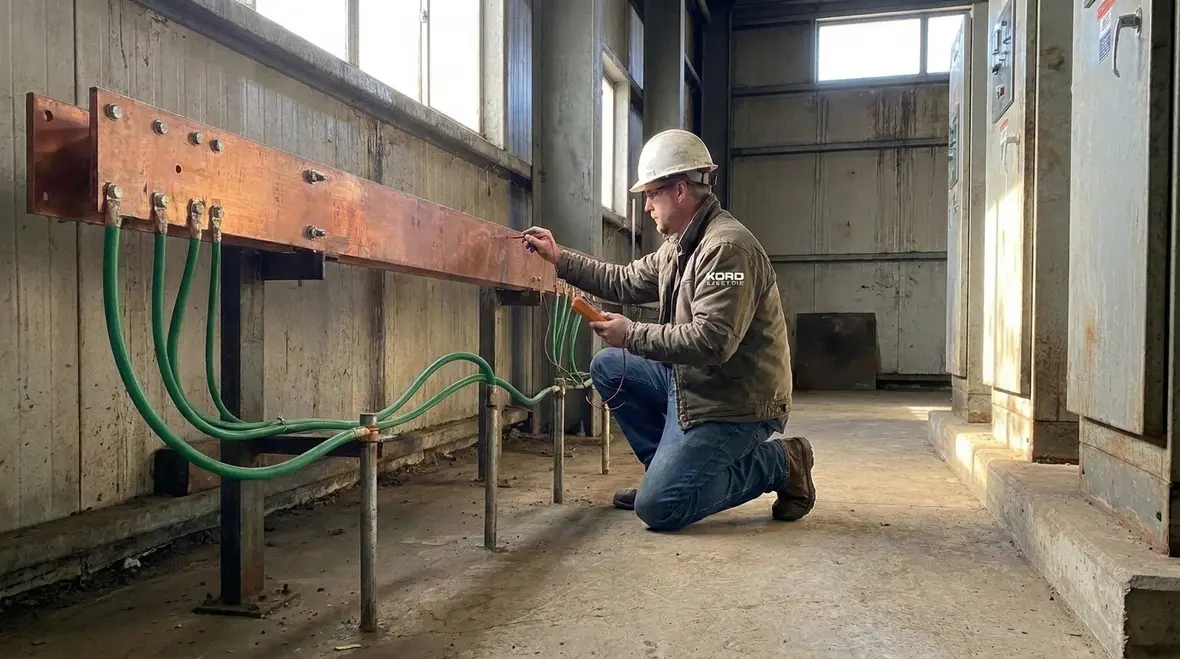
NFPA 70 Section 250.58 focuses on how multiple grounding electrode systems can connect when a building setup includes more than one service or derived system. The code wants a reliable common reference point for electrical systems, so fault current has a proper path and the system does not “hunt” for a route through equipment or people. In practice, this means other grounding electrode arrangements connect in a way that reduces differences in potential and improves system stability.
Moreover, when we review plans for commercial and industrial projects, we look for clarity in how the electrodes are tied together, how the conductors connect, and how the system stays compliant over time. After all, a grounding setup is not a one time deal. It grows with the facility, and sometimes with upgrades that the original design team never fully predicted. That is where strong guidance from NEC common grounding electrode rules becomes practical, not theoretical.
Our expert service staff also stress that Section 250.58 is not just about bonding electrodes. It is about keeping the grounding network consistent so the protective devices can work as intended. If grounding is messy, protection can become slow or incomplete, and nobody wants that on a busy shift.
How a “common electrode” reduces risk during faults
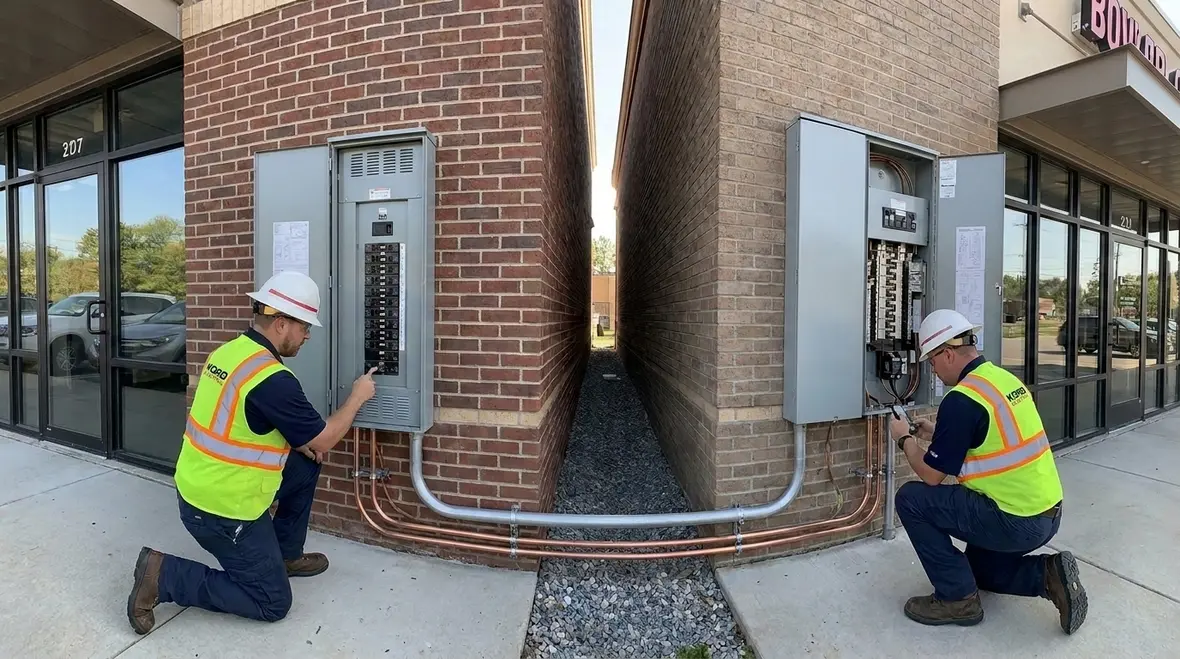
When a fault occurs, the goal is simple: the system should direct fault current safely and quickly. However, fault current behavior depends on the grounding structure, the bonding points, conductor paths, and the relationship between multiple systems. Therefore, a common grounding electrode arrangement helps reduce the chance that different parts of the facility drift to different electrical potentials.
Think of it like a relay race. If each runner starts from a different starting line, you get chaos. When the grounding network creates a shared reference, protective devices can respond more predictably. Consequently, the building is better protected, and sensitive equipment sees fewer disruptive spikes.
In real commercial buildings, we often coordinate grounding with power systems, lightning protection interfaces, and equipment bonding. Additionally, we verify that the conductor routing does not introduce unnecessary resistance or create parallel paths that do not belong. And yes, grounding conductors can be fussy. They do not complain with words, but they absolutely show their attitude through poor performance when installed without care.
What changes when there are multiple services or buildings
Commercial campuses and major property buildings often include more than one service point, separate structures, or equipment rooms that operate as their own micro systems. Under these conditions, Section 250.58 helps define how grounding electrode systems interconnect so the overall facility grounding behaves as one system. This reduces the chance that one part of the property bonds one way, while another part bonds differently.
To keep it clear, our technicians map each service and electrode set, then they confirm the bonding connections that must be shared. In other words, we do not treat each building or each service like an isolated island. We treat it as a connected grid of responsibilities.
Also, we make sure that the bonding method supports long term maintenance. A grounding network that looks fine today but becomes unreliable after future renovations does not pass the real world test. So, we check installation details, labeling, and the physical pathway of conductors, especially where equipment rooms connect across corridors, exterior walls, or service access points.
Installer details that make or break grounding performance
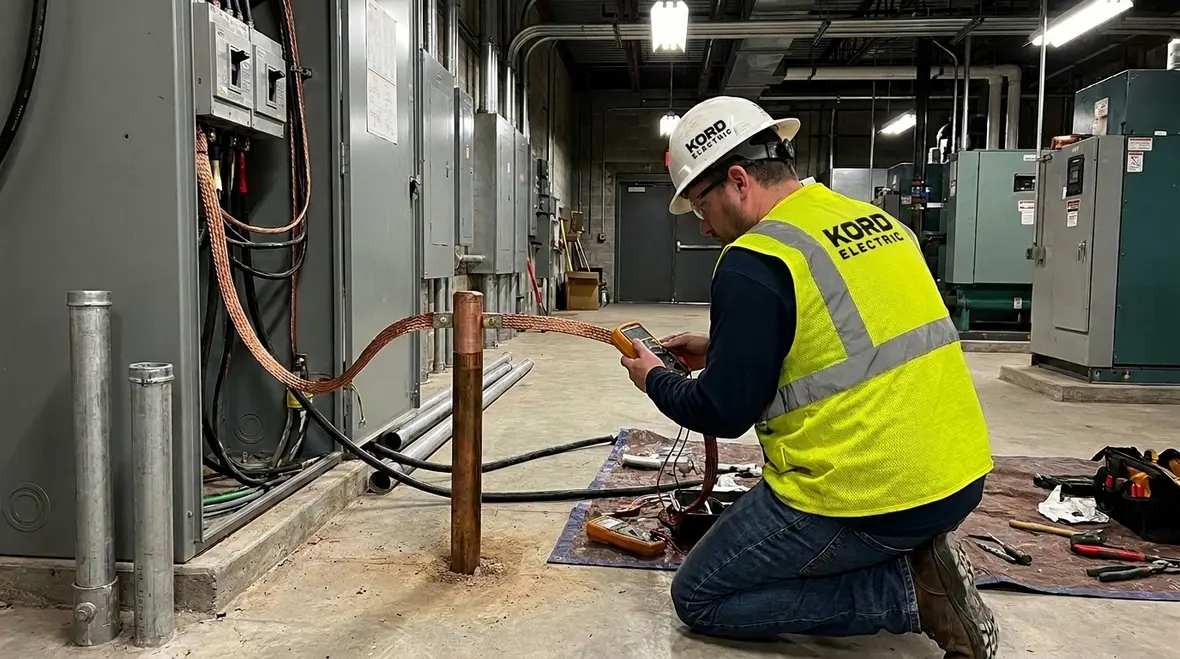
Rules on paper matter, but installation quality decides the outcome. For NFPA 70 compliance, we pay attention to conductor sizing, connection methods, physical protection, and continuity. We also verify that the common electrode connections create a durable bond that does not loosen or corrode over time.
Moreover, we focus on how ground conductors connect to electrode points and how those conductors run through the facility. Where possible, we reduce unnecessary bends, avoid damage points, and keep routing tidy so maintenance teams can inspect without playing detective. Because nobody enjoys a grounding audit where every connection feels like it came from a mystery novel.
Our process typically includes a plan review, site walkdown, and field verification. During that work, our expert service staff explains what they find and why it matters to the electrical safety outcome. Then, they share practical steps for staying compliant as the facility changes.
Compliance without confusion for commercial and industrial teams
We know facility managers do not wake up hoping to read the entire NEC every morning. They want reliability, clear documentation, and a grounding plan that works with their operations. Therefore, we keep the conversation grounded in real requirements while still connecting it back to the code language.
We also reference the broader NEC framework because grounding does not exist alone. It interacts with service conductors, bonding rules, overcurrent protection behavior, and equipment bonding practices. If you want an easy starting point for the code world we work in, you can explore the NEC explainer content our team supports through links like the Kord Electric blog resource Understanding NFPA 70: The National Electrical Code Explained for 2026 and the related guidance at Kord Fire. For customers who need local and regional resources, we also point teams toward Kord Electric and Kord Fire Australia so they can align their facility planning with current expectations.
And when the facility includes life safety systems and fire pumps, grounding connections gain extra importance for reliability and control stability. That is why we coordinate with fire pump stakeholders and reference industry training resources, such as firepumps.org, when project teams need deeper context on how equipment performance depends on solid grounding and bonding.
If your property is in Southern California and you want a field team that treats NEC common grounding electrode usage as part of a full safety plan, our Los Angeles County electrical services page outlines how Kord Electric supports commercial and industrial facilities with code informed design, upgrades, and maintenance.
Common grounding electrode FAQ
Get grounding done right with Kord Electric
When a facility runs critical operations, grounding cannot be treated like a background task. At Kord Electric, we help commercial and industrial customers apply NFPA 70 Section 250.58 requirements with careful design review, clean installation practices, and field verification by our expert service staff. If you are planning a new build, an expansion, or a facility upgrade, contact us and we will map the NEC common grounding electrode approach to your property layout. Let’s keep your protection working and your equipment calm.
To support long term planning, we often pair common grounding electrode work with a broader NEC review, drawing on resources like Understanding NFPA 70: The National Electrical Code Explained for 2026 so facility managers can see how grounding, bonding, surge protection, and overcurrent requirements interact. That way, each project step ties into a larger electrical safety and reliability strategy instead of living as an isolated upgrade.
If your site needs help beyond grounding, Kord Electric’s commercial and industrial services across Los Angeles County and Southern California cover panel upgrades, surge protection at the service, branch circuit design, and more. However your facility grows, our technicians keep one principle in view: your electrical system should behave like a calm, predictable team, not a collection of surprises waiting for the next storm or fault.